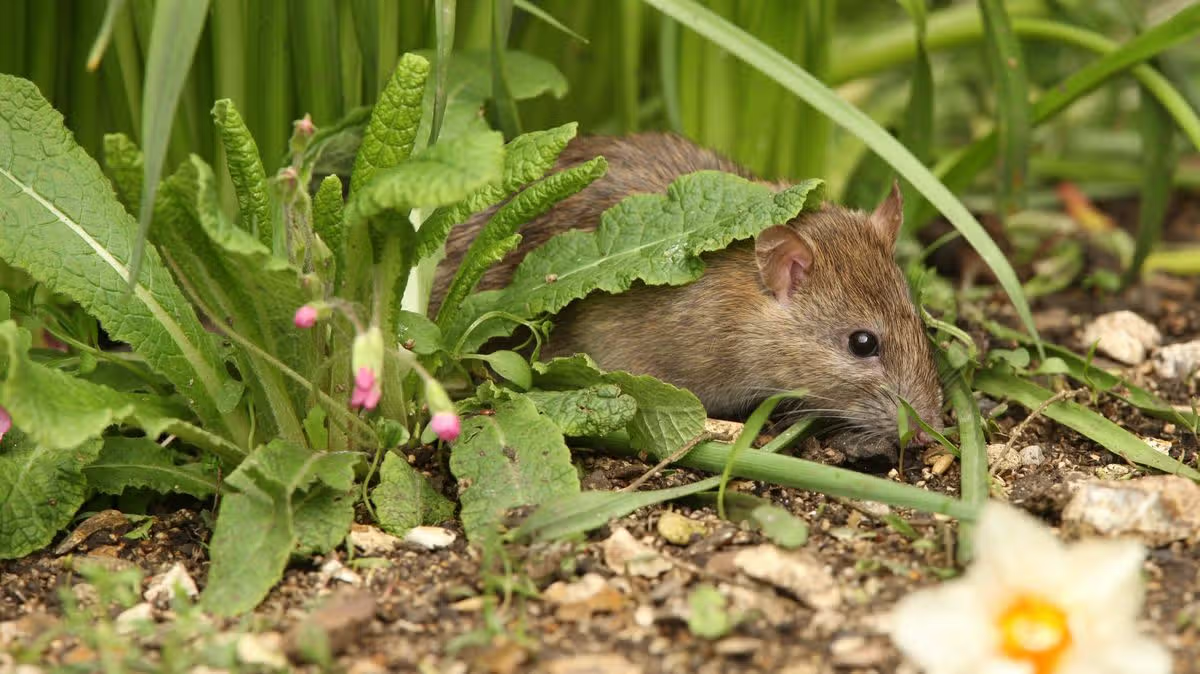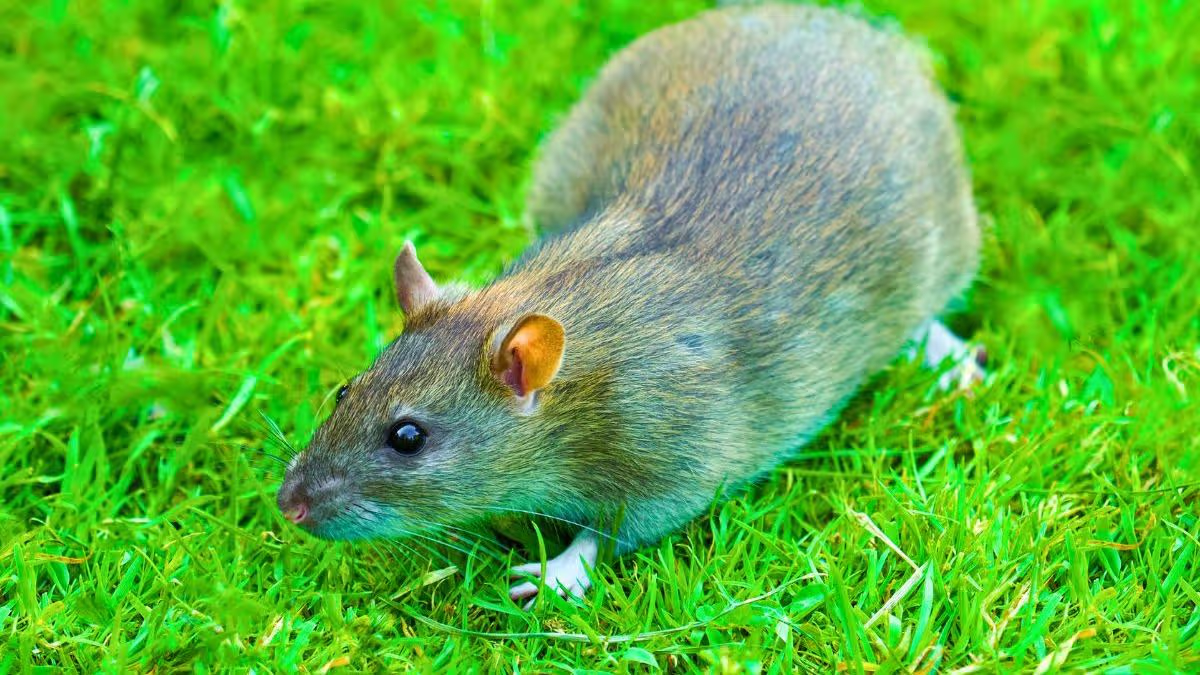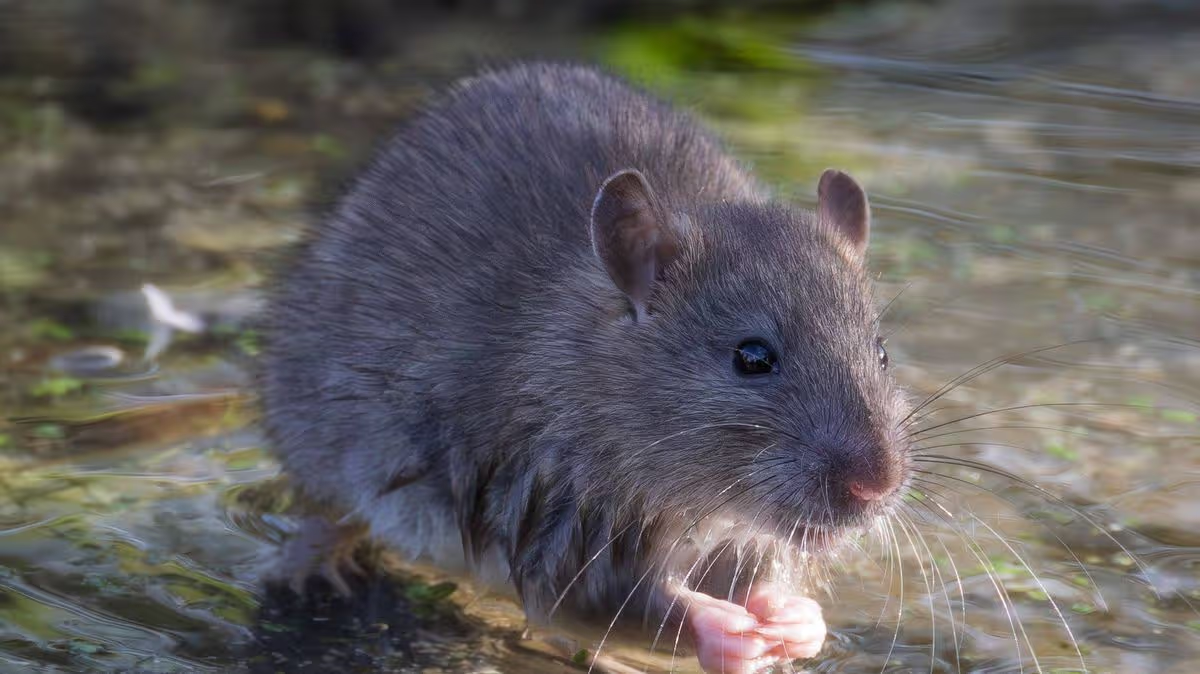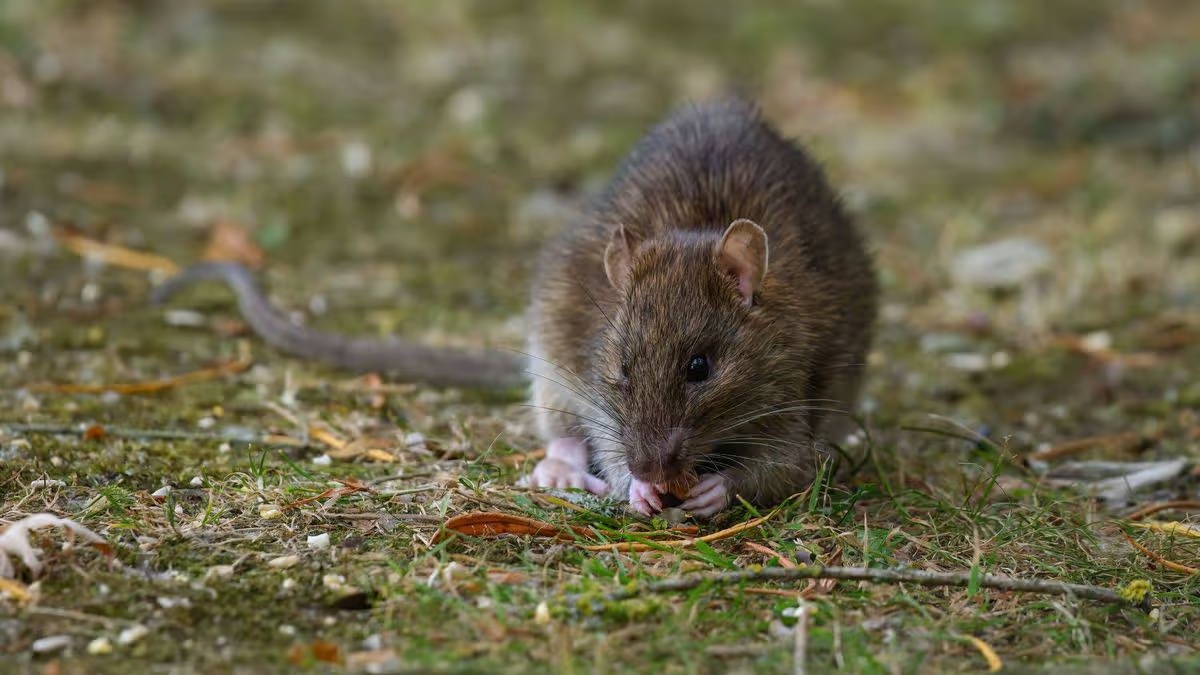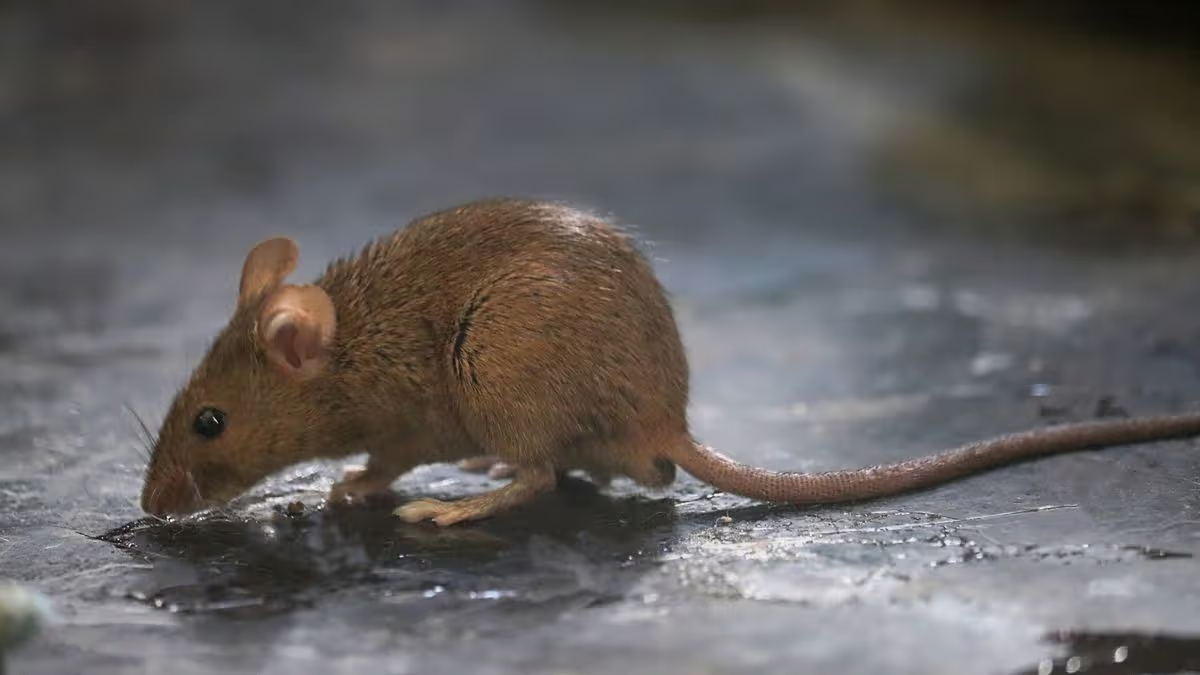
Rats are drawn to gardens because they provide everything they need to survive - food, water and shelter. But one of the biggest attractants is likely sitting in your outdoor space attracting rodentsKatie-Ann Gupwell09:57, 24 May 2026With a UK heatwave on the horizon, rats can occasionally make their way into our homes as a result of the heat. During the warmer months, particularly around heatwaves, could attract more rodents.The milder weather encourages people to dine outdoors, giving rats easier access to leftover scraps, since they're drawn in by food, shelter and water. Equally, unsecured rubbish bins and pet food left outside can lay on a veritable feast for these unwanted vermin. Open doors and windows offer obvious entry points, while dripping taps and pet bowls provide readily available water sources. Yet a seemingly innocent item sitting in your garden could also be rolling out the welcome mat without you even realising it.It's often the most ordinary things that attract rats, and they could be lurking unnoticed right in our back gardens – your compost bin being a prime example.Laurence Barnard, country business manager and pest control specialist at BASF Pest Control Solutions, has offered some vital guidance for homeowners. With a sizeable following on Facebook, the experts are well-regarded for their no-nonsense, practical advice.Laurence advised: "Rats are drawn to gardens primarily because they offer everything they need to survive - food, water and shelter. One of the biggest attractants is uncovered compost bins, as food scraps and decomposing organic matter provide a reliable food source."Bird feeders can also unintentionally encourage rat activity, especially if seeds are scattered on the ground. Pet food and water bowls left outside create an easy feeding spot for rodents."Unsealed rubbish bins, particularly those with loose or overflowing waste, further increase the likelihood of rats visiting. Beyond food sources, overgrown vegetation, woodpiles and cluttered sheds or outbuildings offer ideal shelter for nesting, while garden ponds, dripping taps, and other water sources provide essential hydration."All these factors combined make a garden an attractive environment for rats to settle in."Rats are naturally drawn to potential food sources, meaning anything edible left outdoors could tempt these unwelcome visitors into your garden.These rodents are equally attracted to environments that already tick all their boxes – clutter, easy access points or plentiful water supplies – encouraging them to take up residence and multiply.Laurence explained: "The biggest reason people experience rat problems is the availability of food, water and shelter. Rats are opportunistic and will use any environment that provides easy access to these essentials."Poor waste management, compost bins, bird feeders, pet food left outside and gaps in buildings or compromised drainage systems, all create ideal conditions for them to thrive."Urban areas and extensive sewer systems are particularly prone to infestations, as they provide the perfect environment for rats to travel and availability of food sources."Addressing these issues can reduce the likelihood of rats entering your property, though remaining vigilant is essential, particularly when food is left outdoors.Tackling certain problems may prove beneficial, but there are occasions when professional guidance becomes necessary. Rat infestations must never be overlooked.Article continues belowIf you discover you're dealing with a rat problem, it's usually best to enlist the services of a professional pest controller through the National Pest Technicians Association or the British Pest Control Association, as they possess the knowledge and expertise to swiftly and safely eradicate an infestation.
Rats could 'invade your home' if 1 item is kept outside during UK heatwave
Rats are drawn to gardens because they provide everything they need to survive - food, water and shelter. But one of the biggest attractants is likely sitting in your outdoor space attracting rodents
564 words~3 min read