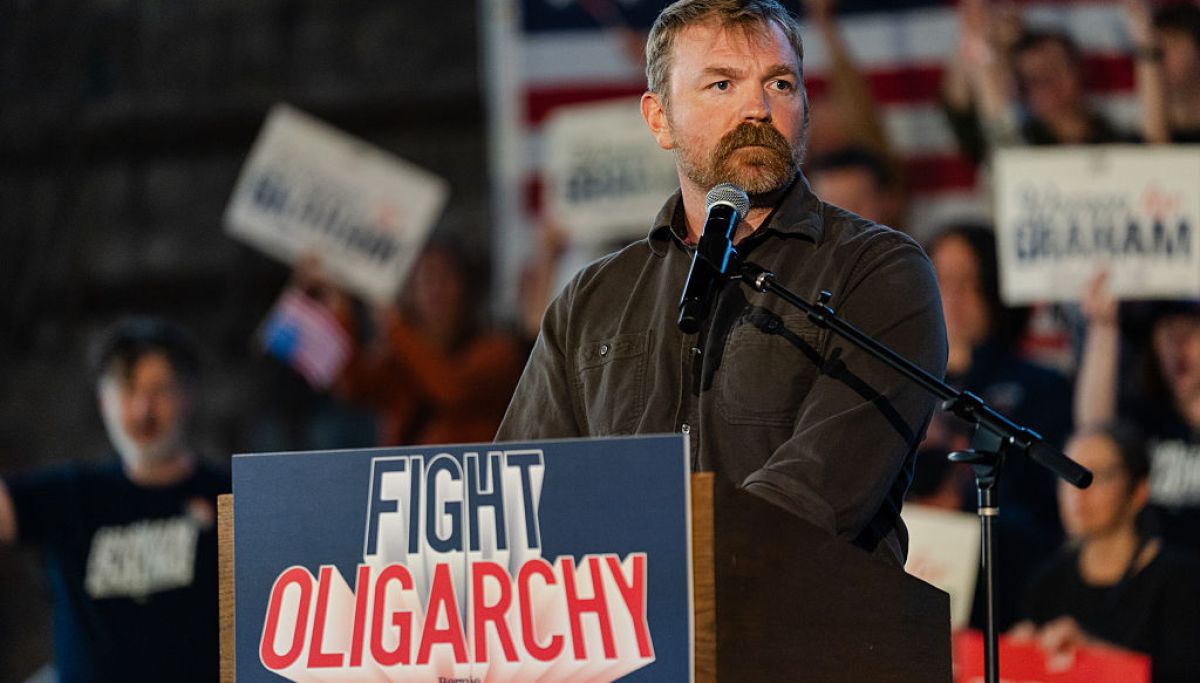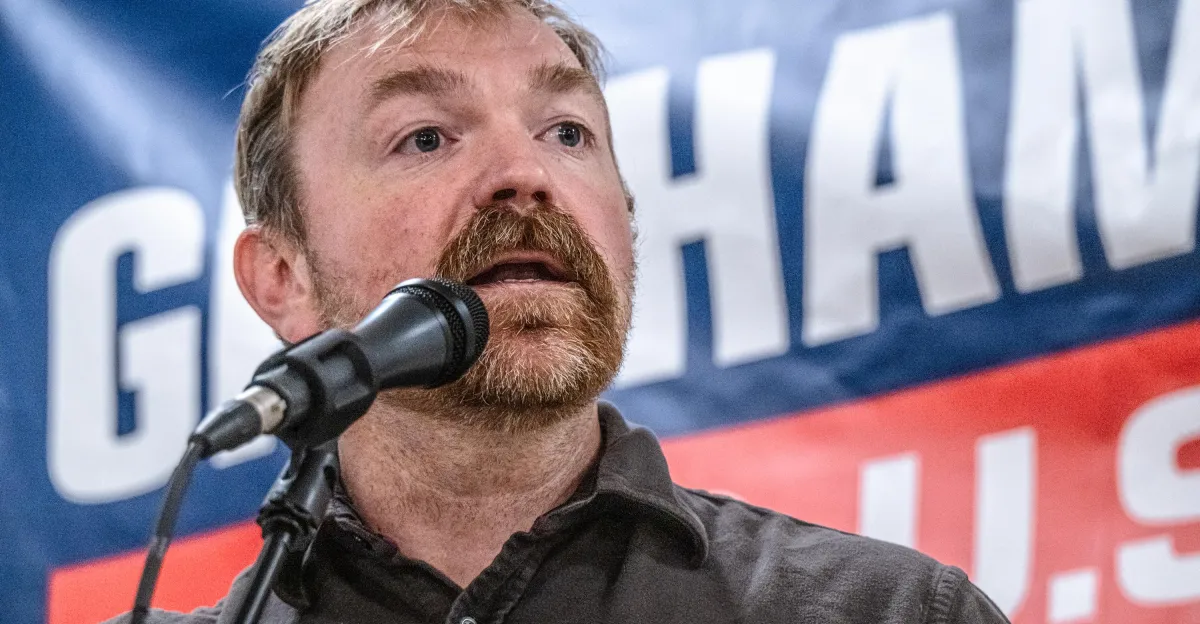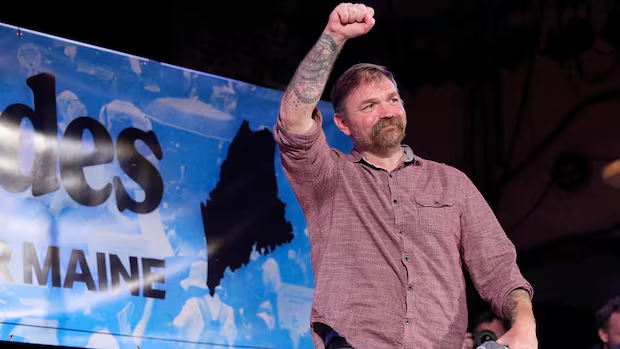
Graham Platner, the oyster farmer rocketing to Democratic celebrity nationally as he campaigns for Senate in Maine, is testing two hypotheses that could reset his party’s direction: that the censorious left can sometimes ignore past, regretted transgressions such as fascist tattoos or bigoted social-media posts; and that voters in the centre and even on the populist right are far more drawn to economic causes such as universal health care than they are repelled by cultural ones he also believes in, such as welcoming transgender athletes into girls’ sports.
Mr Platner’s commitment to the second hypothesis has already helped him prove the first. Revelations of past misbehaviour have not slowed his momentum. A little hypocrisy in politics should surprise no one; it is simply more obvious on the high-church left, as it also is on the Evangelical right, because of the particular stress those movements place on purity. But just as the right has withheld its sanctimony from champions of its own, such as Donald Trump, the left has embraced Mr Platner because he looks to be their kind of winner.
Janet Mills, the sitting two-term governor, gave up a bid for the Senate late last month. Despite her own popularity with Democrats, she bowed to the inevitability that Mr Platner—a college dropout whose previous public roles were serving as a harbourmaster and chair of his local planning board—would crush her in the primary in June. He is the presumptive choice to run against Susan Collins, a Republican in her fifth term, in a race Democrats see as essential to winning a majority in the Senate.