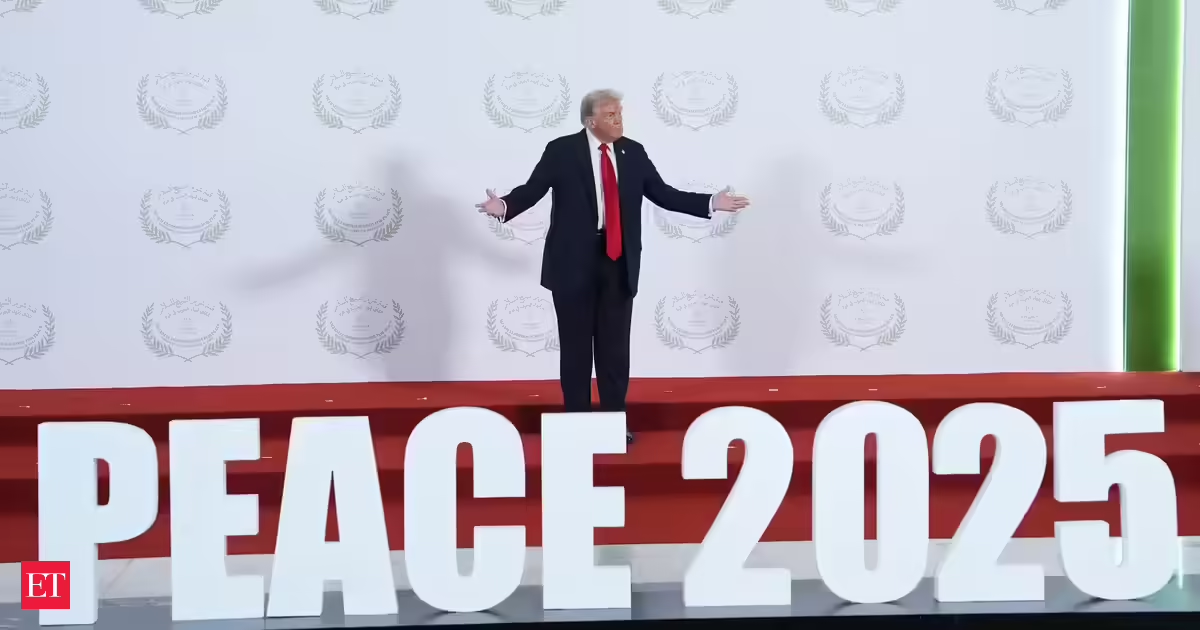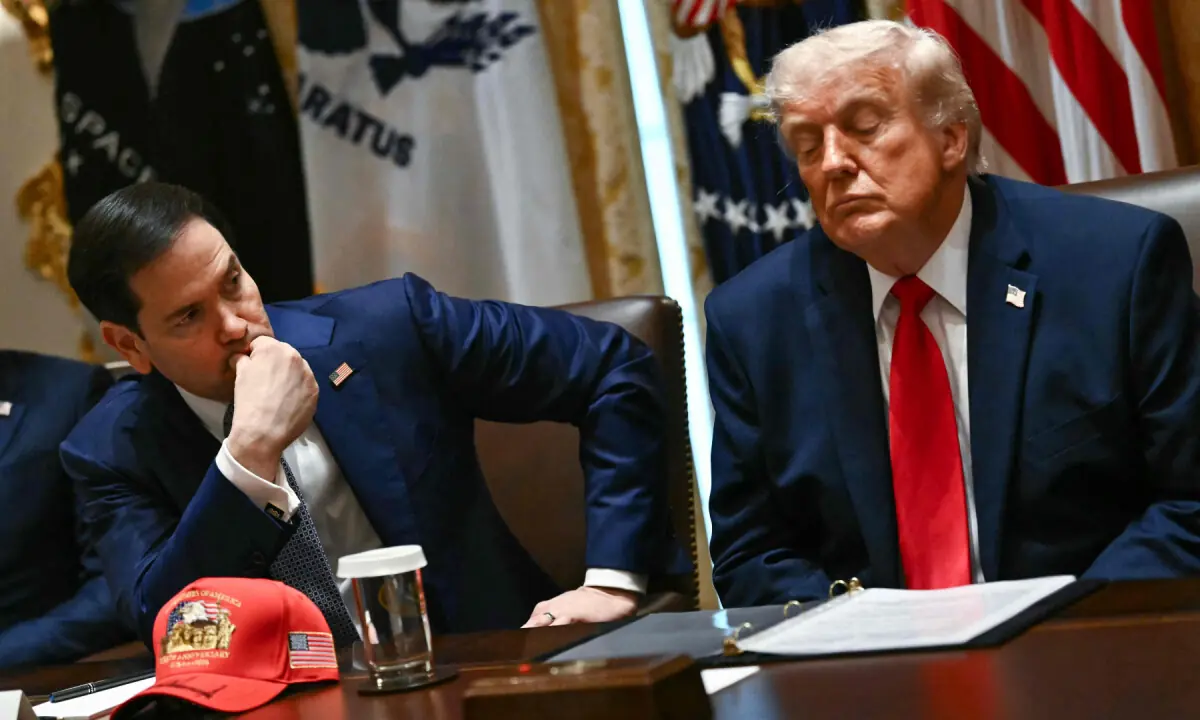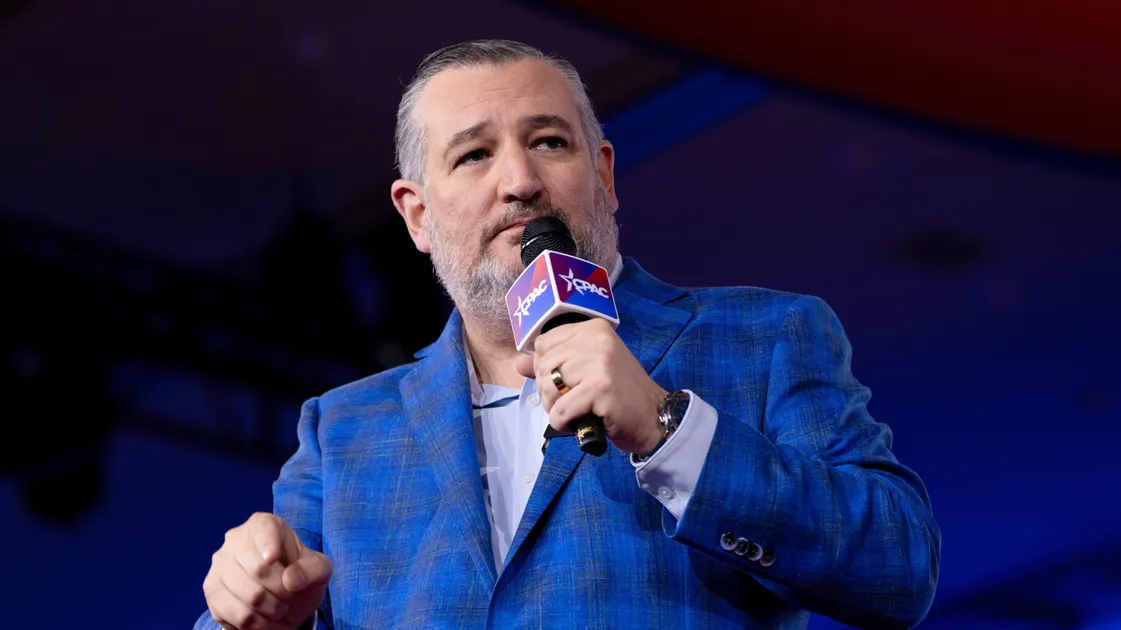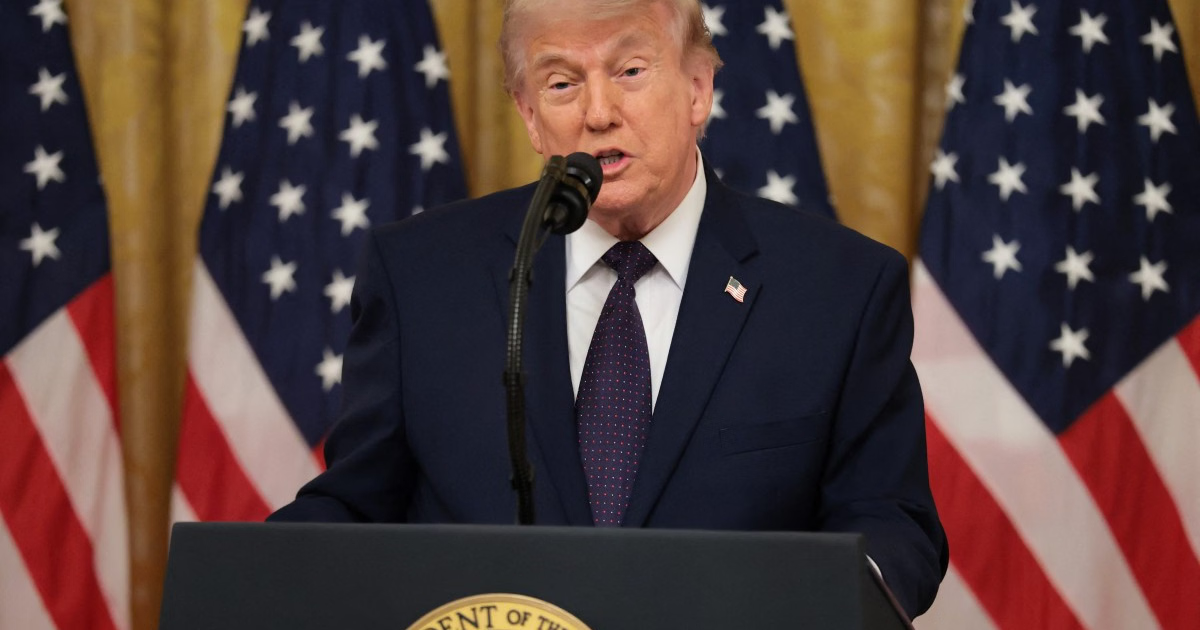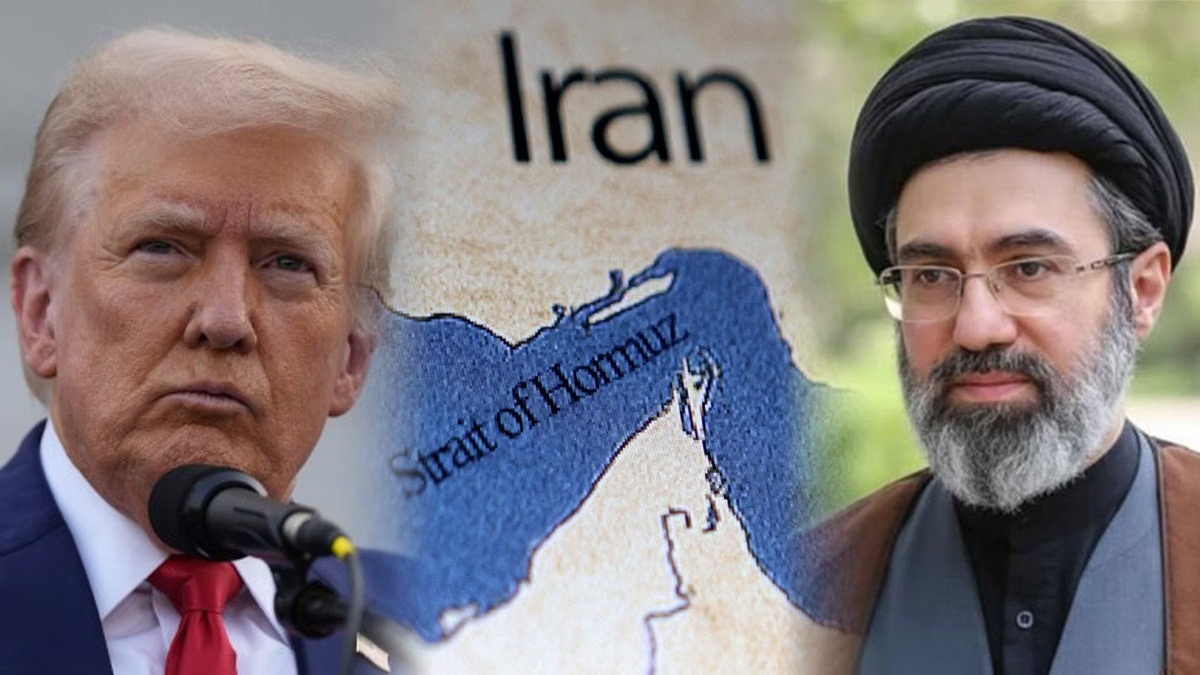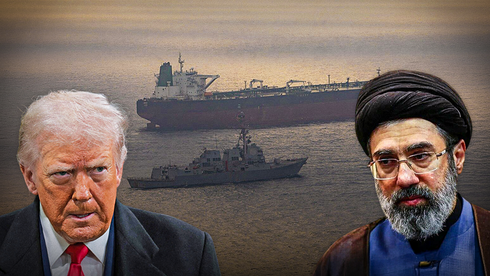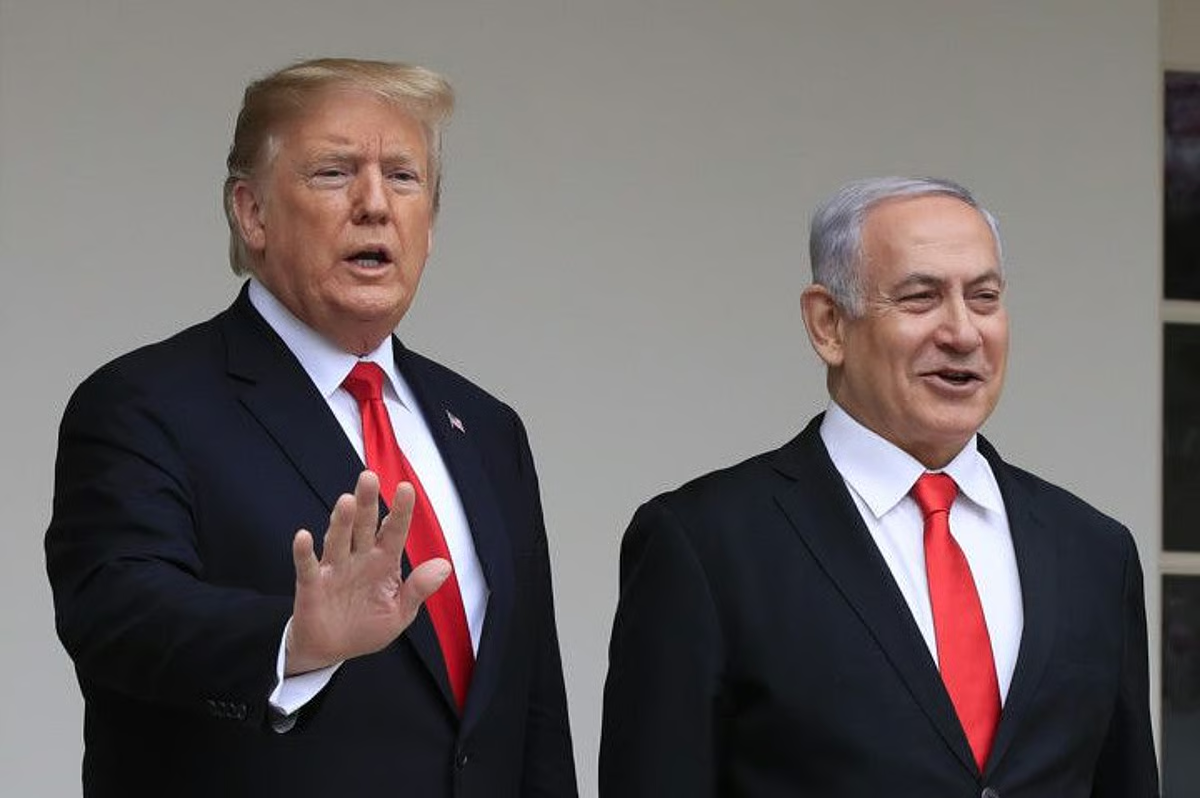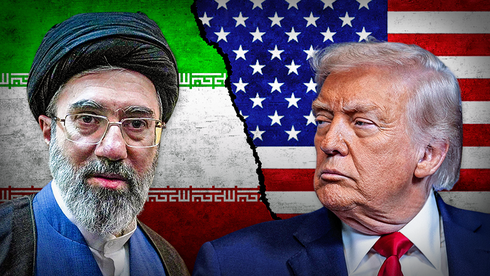
Reported US-Iran framework could end fighting and reopen Hormuz, but questions over uranium, missiles, sanctions and Israel’s role are fueling backlash as Tehran denies any concessions on nuclear issueU.S. President Donald Trump is pressing ahead with diplomacy with Iran, drawing criticism from some Republicans who warn that a proposed deal could restore the status quo after three months of war.“He’ll do whatever I want him to do,” Trump said last week, referring to Prime Minister Benjamin Netanyahu. Israel entered the war alongside the United States on February 28, seeking to prevent Iran from obtaining nuclear weapons, halt and destroy its ballistic missile production and, Israeli officials hoped, possibly bring down the mullah regime.4 View gallery Iranian Supreme Leader Mojtaba Khamenei, US President Donald Trump (Photo: Hamed Jafarnejad/ISNA/WANA (West Asia News Agency) via REUTERS, shutterstock, AP/Alex Brandon)Netanyahu has been expected to favor renewed fighting, but Trump has chosen diplomacy, at least for now. Netanyahu’s office has not commented on the details of the emerging agreement.In the United States, however, criticism is already mounting from Trump’s right. Critics say the president appears to be seeking a return to the prewar situation in the region — or worse, allowing Iran to emerge with its head held high.Mike Pompeo, who served as secretary of state and CIA director during Trump’s first term, wrote on X that “deal being floated with Iran seems straight out of the Wendy Sherman-Robert Malley-Ben Rhodes playbook,” referring to former senior officials associated with the Obama and Biden administrations.Pompeo accused the proposal of effectively paying the Islamic Revolutionary Guard Corps to build a program for weapons of mass destruction “and terrorize the world.”“Not remotely America First,” he wrote. “It’s straightforward: Open the damned strait. Deny Iran access to money. Take out enough Iranian capability so it cannot threaten our allies in the region.”Pompeo was a leading advocate of the first Trump administration’s hard-line Iran policy, including the U.S. withdrawal from the nuclear deal in 2018 and the return of sanctions under the “maximum pressure” campaign.4 View gallery Texas Sen. Ted Cruz (Photo: Reuters)Sen. Ted Cruz, a Texas Republican, said he was “deeply concerned” by reports of the agreement. He said it would be a “disastrous mistake” if a deal allowed Iran to enrich uranium, develop nuclear weapons or control the Strait of Hormuz.In a post on X, Cruz reiterated his support for the campaign against Iran and urged Trump to enforce the red lines he had repeatedly set. “President Trump believes in peace through strength, and his strong leadership has already made America much safer. He should continue to hold the line, defend America & enforce the red lines he has repeatedly drawn,” he wrote.Sen. Roger Wicker of Mississippi, the Republican chairman of the Senate Armed Services Committee, also criticized reports of a possible 60-day ceasefire.“The rumored 60-day ceasefire — with the belief that Iran will ever engage in good faith — would be a disaster,” Wicker wrote on X. “Everything accomplished by Operation Epic Fury would be for naught!”Trump said overnight that he had spoken with several Middle Eastern leaders and then separately with Netanyahu.Pakistan, which has been mediating between the sides, signaled optimism. Pakistan’s foreign minister said the phone diplomacy led by Trump marked “a significant step closer toward the shared objective of regional peace, stability, and an early diplomatic outcome,” and that the achievements in the talks offered reason to believe “a positive and durable outcome is within reach.”He praised Trump’s leadership and commitment to dialogue and diplomacy, as well as the work of Vice President JD Vance, Secretary of State Marco Rubio and the U.S. negotiating team.Trump also spoke with Turkish President Recep Tayyip Erdogan. During a call that included other regional leaders, Erdogan said Turkey was prepared to provide any support needed to implement a potential agreement with Iran.“There will be no deal with Iran except UNCONDITIONAL SURRENDER!” Trump wrote on Truth Social a little more than 11 weeks ago. The White House later clarified that even if no one in Tehran formally surrendered, Trump would decide when Iran had effectively done so.4 View gallery The nuclear uranium enrichment facility in Natanz, Iran (Photo: AP)For Israelis living under uncertainty for the past three months, the details of the emerging deal remain dependent largely on foreign reports. It remains unclear what Trump and the Iranians have agreed to, whether there has been a significant breakthrough and whether the terms differ substantially from what has been reported so far.Iran’s Tasnim news agency, which is affiliated with the regime, quoted on Saturday an informed source as saying reports of an Iranian proposal to halt uranium enrichment for 10 years were “completely false.”“The messages and discussions in the current situation concern only ending the war,” the source said. “Details regarding the nuclear issue are not being discussed.”Tasnim also reported that Washington would commit to waiving Iranian oil sanctions during the negotiation period, allowing Iran to sell oil without restrictions. According to the report, if both sides approve the initial understanding, a memorandum of understanding would first be announced, emphasizing the end of the war on all fronts, including between Israel and Hezbollah in Lebanon. A 30-day period would then be set to implement steps related to the naval blockade and the Strait of Hormuz, alongside a 60-day period for nuclear negotiations.Tasnim said reports on the possible initial understanding indicated that some of Iran’s frozen assets would be released in the first stage. Iran, it said, had insisted that any initial understanding be conditioned on the release of at least some of those assets, citing past experience with what it called the other side’s failure to meet commitments. The report said Washington had tried in recent weeks to link the assets’ release to a possible final nuclear agreement, while Iran insisted that at least some funds be released at the start of the announcement.On Hormuz, Tasnim said the strait would not return to its prewar status, despite reports in some Western media. The possible understanding, it said, refers to restoring the number of vessels passing through the strait to prewar levels within 30 days, not to restoring the previous situation. Iran, it said, continues to assert its sovereignty over the Strait of Hormuz, and any change there would depend on the full lifting of the naval blockade and implementation of other U.S. commitments.Iran’s Fars news agency, also affiliated with the regime, said a New York Times claim that Trump had exempted Israel from the agreement’s obligations was baseless. According to Fars, the final text states that if an agreement is reached, the United States and its allies would commit not to attack Iran or its allies, while Iran and its allies “would not launch a preemptive military attack on the United States or its allies.”The New York Times reported, citing two U.S. officials, that under the emerging agreement, Tehran had agreed to give up its stockpile of highly enriched uranium. But the officials said the proposal did not determine how Iran would relinquish the stockpile, leaving those details for the next round of talks on Iran’s nuclear program.In 2015, without a war, Iran transferred about 97% of its stockpile to Russia under the nuclear agreement with the Obama administration. For now, the reported details appear to rely on U.S. and regional sources, and not all sides appear to agree on what the memorandum includes — or whether all its details have been settled.Trump, his advisers and his envoys have repeatedly said since he announced the ceasefire April 7 that they would not accept any agreement that does not address Iran’s nuclear program. But even that may not be enough for Israel.4 View gallery The Strait of Hormuz (Photo: REUTERS/Stringer/File Photo)The Times noted several critical questions: Does the agreement deal only with restoring trade through the Strait of Hormuz, which was open on Feb. 28, before the war? Is the reopening permanent, or does Iran now claim authority over the waterway, even if it agrees to suspend transit fees? Will the United States lift its blockade on Iranian ports?Another key question is whether Washington will agree to unfreeze some of Iran’s $25 billion in assets held abroad, which Tehran is demanding. Trump has harshly criticized former president Barack Obama, including in recent weeks, for releasing $1.7 billion in 2015 as part of the nuclear agreement that froze most of Iran’s nuclear activity.It is also unclear whether Iran has agreed to transfer its enriched uranium abroad or dilute it in a way that would significantly reduce the threat that it could be used for a weapon. The same question applies to about 11 tons of additional uranium, enriched to various levels, that the International Atomic Energy Agency says Iran holds.Trump has said more than once that Iran must give up all its nuclear material. But will Iran be allowed to enrich uranium in the future? And for how long would it actually suspend enrichment?For Israel, one of the most critical questions remains Iran’s missile arsenal. At the start of the war, Trump said Iran would have to give up its missiles or limit their range, but the issue has not been discussed publicly by the U.S. administration for weeks.Until those questions are answered, Trump will make the fateful decisions for Netanyahu and Israel.“He’s fine. He’ll do whatever I want him to do. He’s a very good man... he's a great guy,” Trump said last week of Netanyahu. “Don't forget, he was a wartime prime minister, and he’s not treated right in Israel, in my opinion. I'm right now at 99 percent in Israel, I can run for prime minister. So maybe after I do this I’ll go to Israel and run for prime minister. Now, he's a wartime prime minister. I think they have a president over there that treats him very poorly.”
'Nuclear issue not being discussed': Trump’s Iran deal push raises alarms among allies
Reported US-Iran framework could end fighting and reopen Hormuz, but questions over uranium, missiles, sanctions and Israel’s role are fueling backlash as Tehran denies any concessions on nuclear issue
1,631 words~7 min read