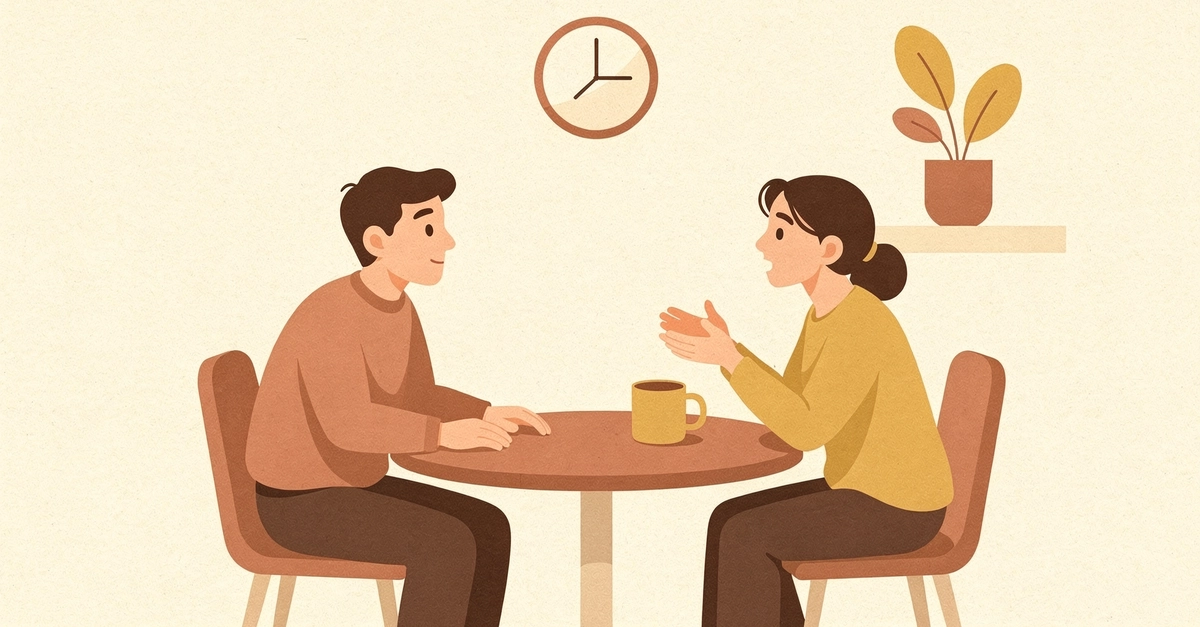
What I dislike most is short calls. When someone tells me, “I have a slot tomorrow at 11:30, let’s do a 10-minute call”. That’s the worst thing possible. For the other person, it’s just another call, one of dozens they have that day. But for me, it becomes the event my whole day starts to revolve around. I have to break out of my flow, put my tasks on hold, take the call, and then get back into context. In the end, a 10-minute call can cost me several hours of focus. And I might spend the entire day thinking about it.
And it’s especially unpleasant if I end up not liking the person on that short call. Their tone, manner of speaking, their emotions. That can ruin my whole day. Even though the exact same thing could have been discussed over text.
Often the reason for a call is that someone doesn’t want to formulate their thoughts in text. It’s easier to start talking and think out loud than to structure the thought first. A call lets you improvise, fill things in as you go, and jump from one idea to another. Text requires you to think first and takes time.
Imagine the year 1500. A war is going on, you’re an army general, and you need to assign tasks to officers who are thousands of miles away from you. You can’t call them and verbally explain the importance of the tasks, the values of the military campaign, and your vision for conquering the world. All you can do is write out the assignment, put your seal on it, and dispatch a messenger who will reach the recipient after several weeks. If the recipient has questions after reading the letter, he won’t be able to get an answer right away. That is why you have to think through the contents of the letter, the list of tasks, and the depth of explanation. To make it brief and at the same time include all the details. Because once the messenger disappears over the horizon, you will no longer be able to change the contents or get the letter back.