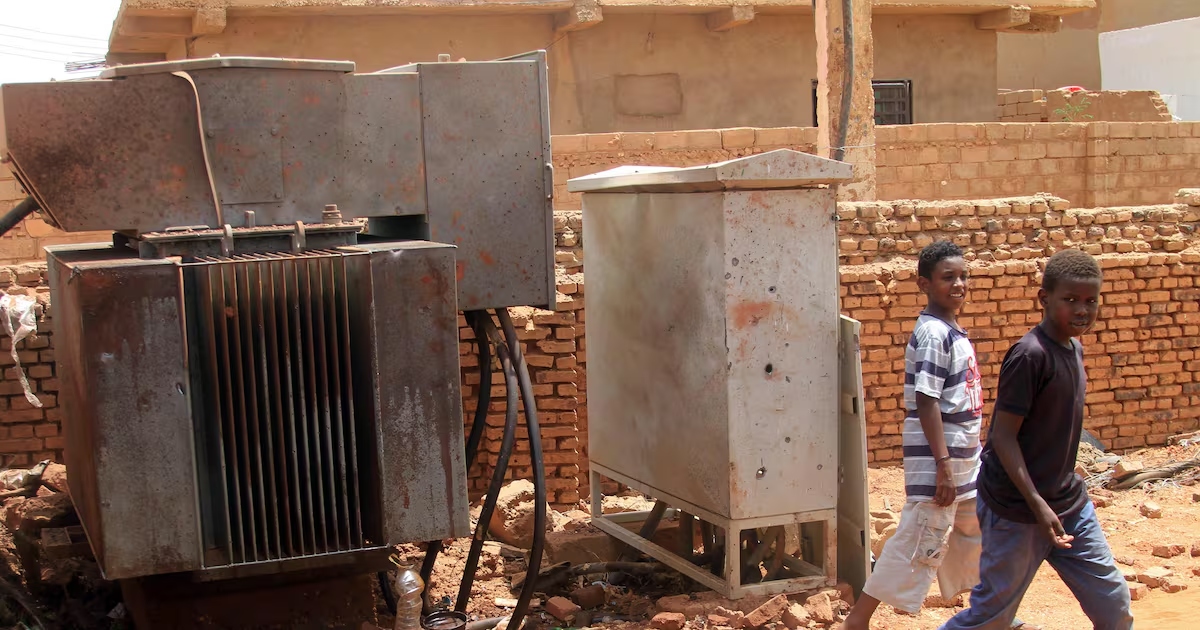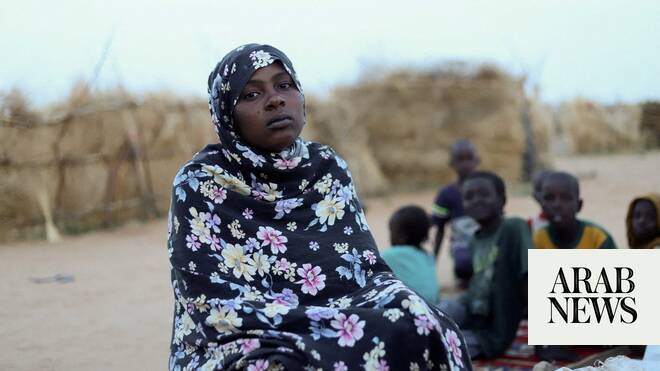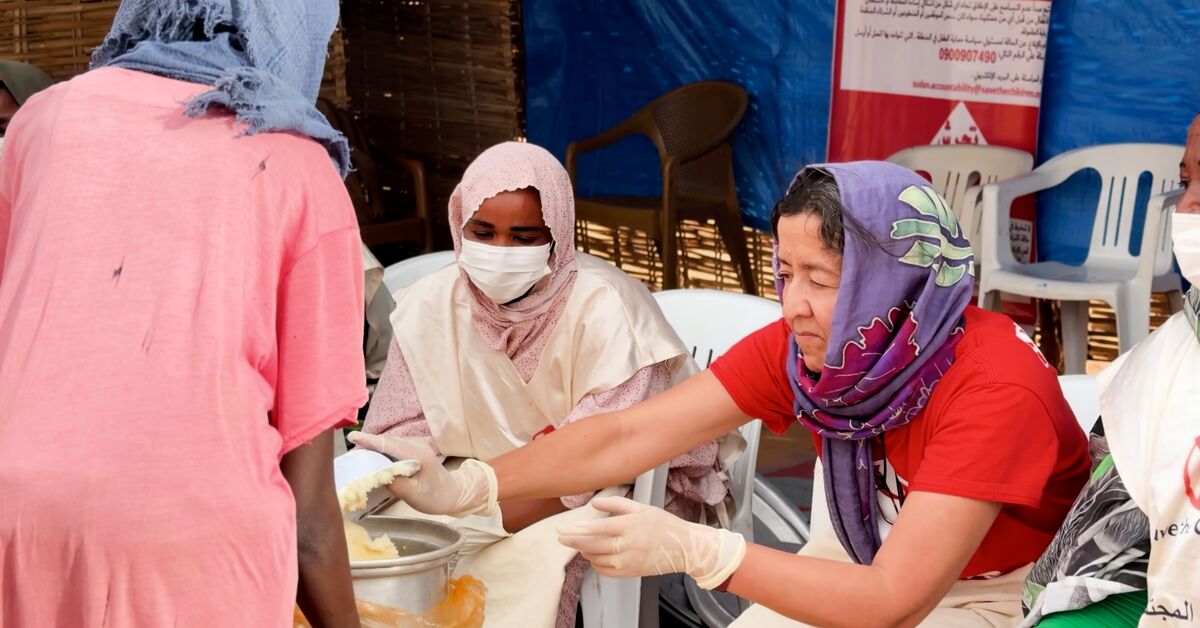
Aid agencies in Sudan are struggling to meet overwhelming demand amid disrupted supply routes and funding bottlenecks, said Save the Children US CEO and President Janti Soeripto following a visit to Darfur.Sudan’s war has entered its fourth year amid a deepening humanitarian crisis. In April, the United Nations estimated that 34 million Sudanese people require humanitarian assistance, 21 million lack access to health services and around 4 million are acutely malnourished. Soeripto sat down with Al-Monitor in Washington, shortly after her trip across West, Central and North Darfur.The conversation has been edited for clarity and length. Al-Monitor: You just returned from a trip to Darfur, one of the hardest hit areas of the war in Sudan. What do you want people to understand about what you saw there?Soeripto: I've been at this now for 14 years in total, with Save the Children, this was the hardest trip logistically and physically. It took me literally four days to get from JFK to our first school. This trip was canceled twice because we needed to find a route in via Chad. The first time I wanted to go, it wasn't safe. You have to be constantly agile. To get stuff done there, to get supplies in from the outside, to get enough staff rotations in to help with specific surge requirements, is really hard. It's remote. A lot of the roads are destroyed. There are still drone attacks on a fairly regular basis.And 95% of our own staff is displaced. So they lost their homes, whether in Khartoum or in Darfur or in Kordofan. Of the 400 staff we have in Sudan — 115 in Darfur — many folks have lost everything. So they are staying with families, and some are even staying in the internally displaced persons camp.Al-Monitor: What does getting aid into hard-hit areas look like right now?Soeripto: When I was there, two trucks arrived with very much needed medical supplies for the rainy season, which is now coming. Those trucks this time around took only 10 days. They were coming through Port Sudan, so essentially they were released. That was an absolute record. Previous trucks have taken two or three months, because sometimes the trucks need to stop at a certain place and hunker down for two days because it's not safe to cross. Or they need to change trucks and shift the whole load. So it is not straightforward even if you have your supplies — even if you have them in the country.
As Sudan war drags on, US-Iran conflict compounds humanitarian crisis in Darfur
Save the Children US President and CEO Janti Soeripto said delivering aid in Sudan remains extremely difficult, with supply trucks often delayed for weeks or months even after entering the country.
1,916 words~9 min read