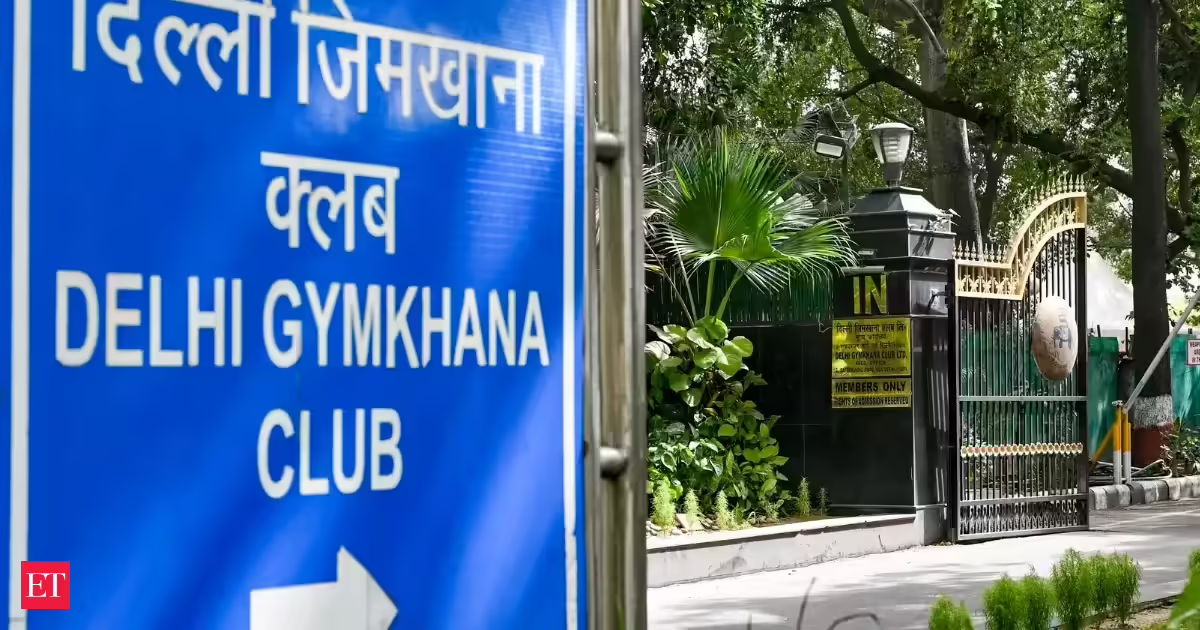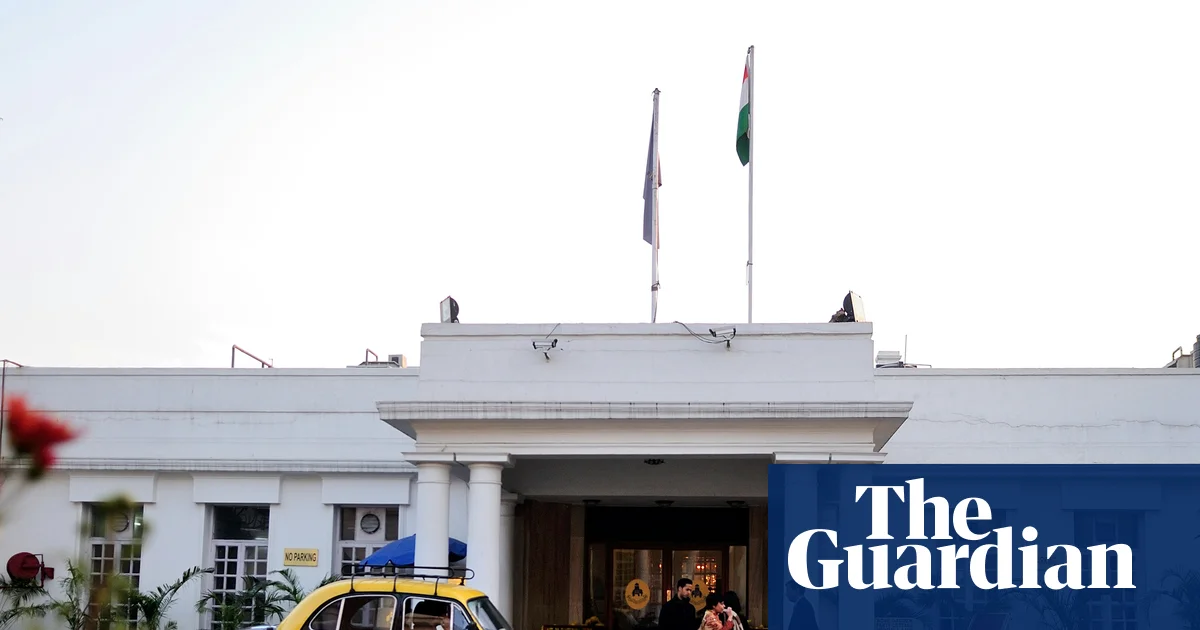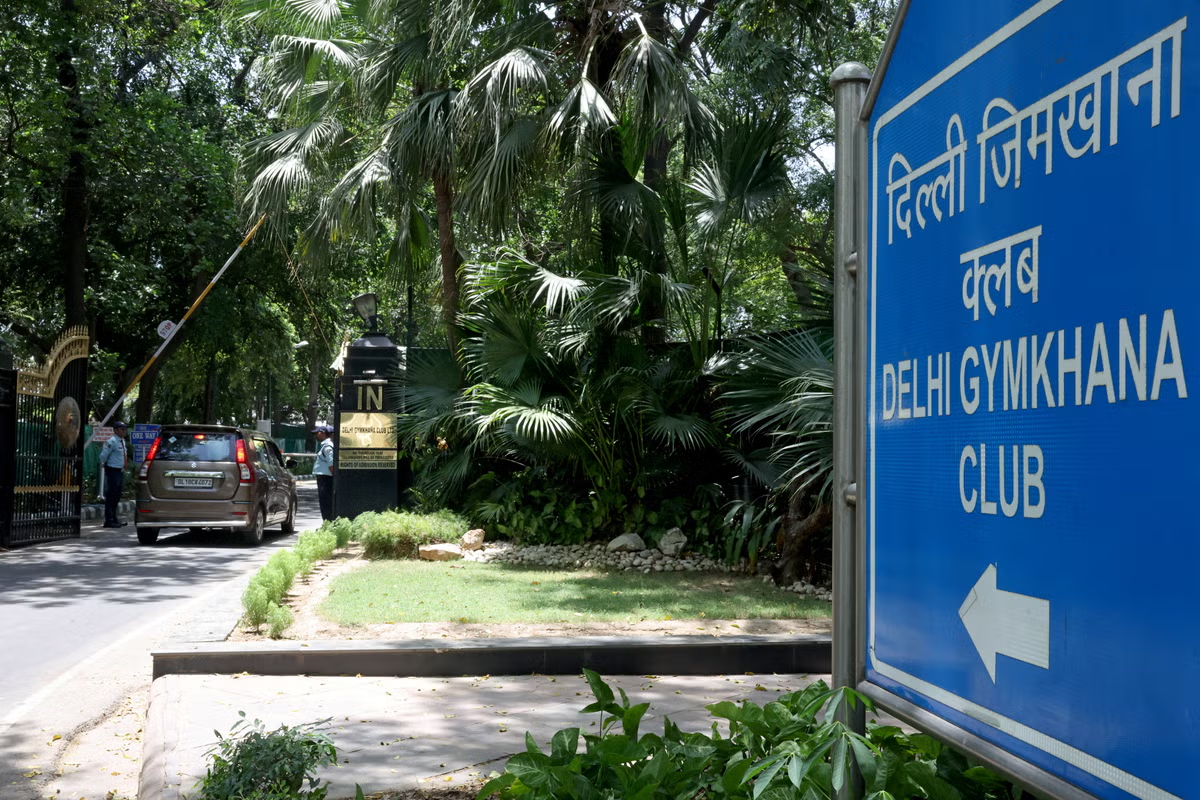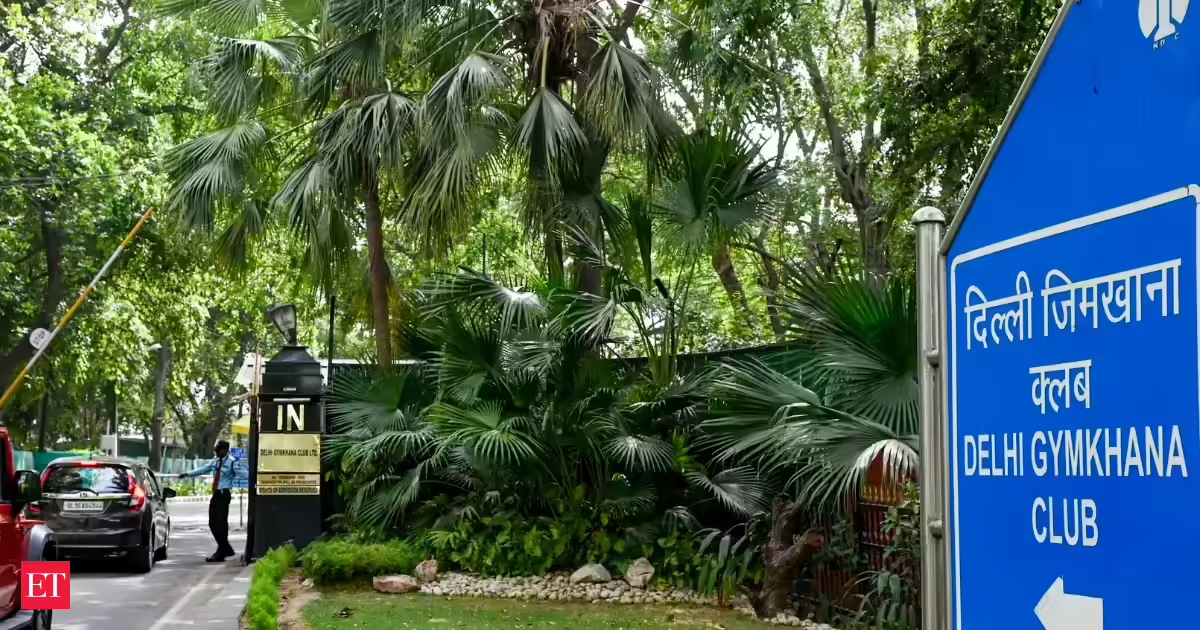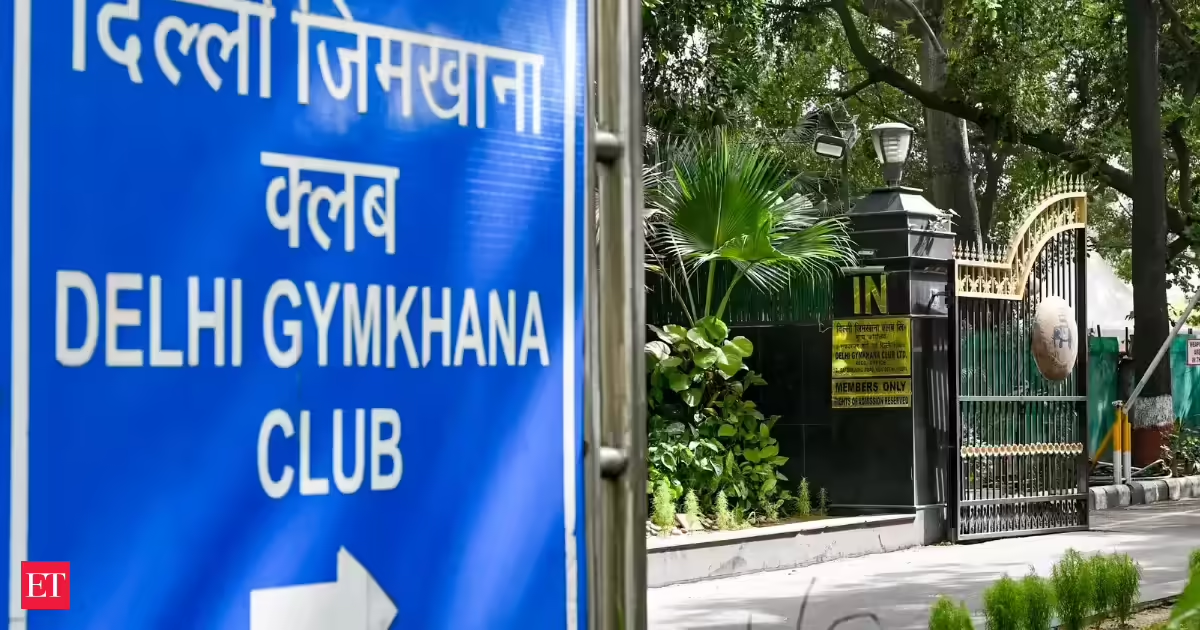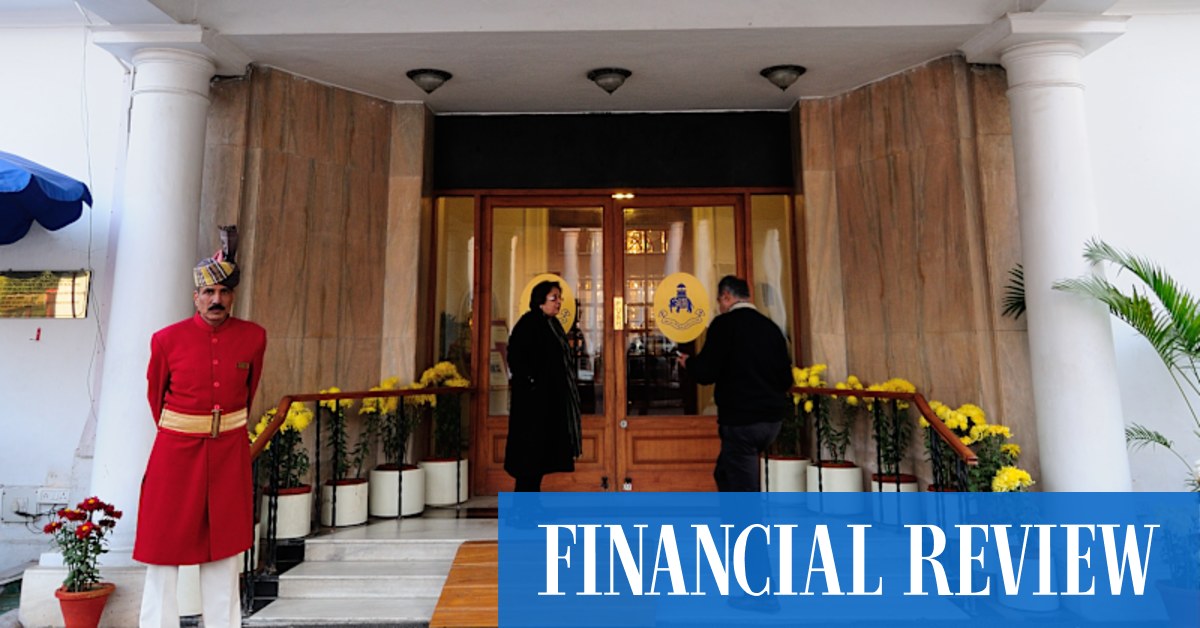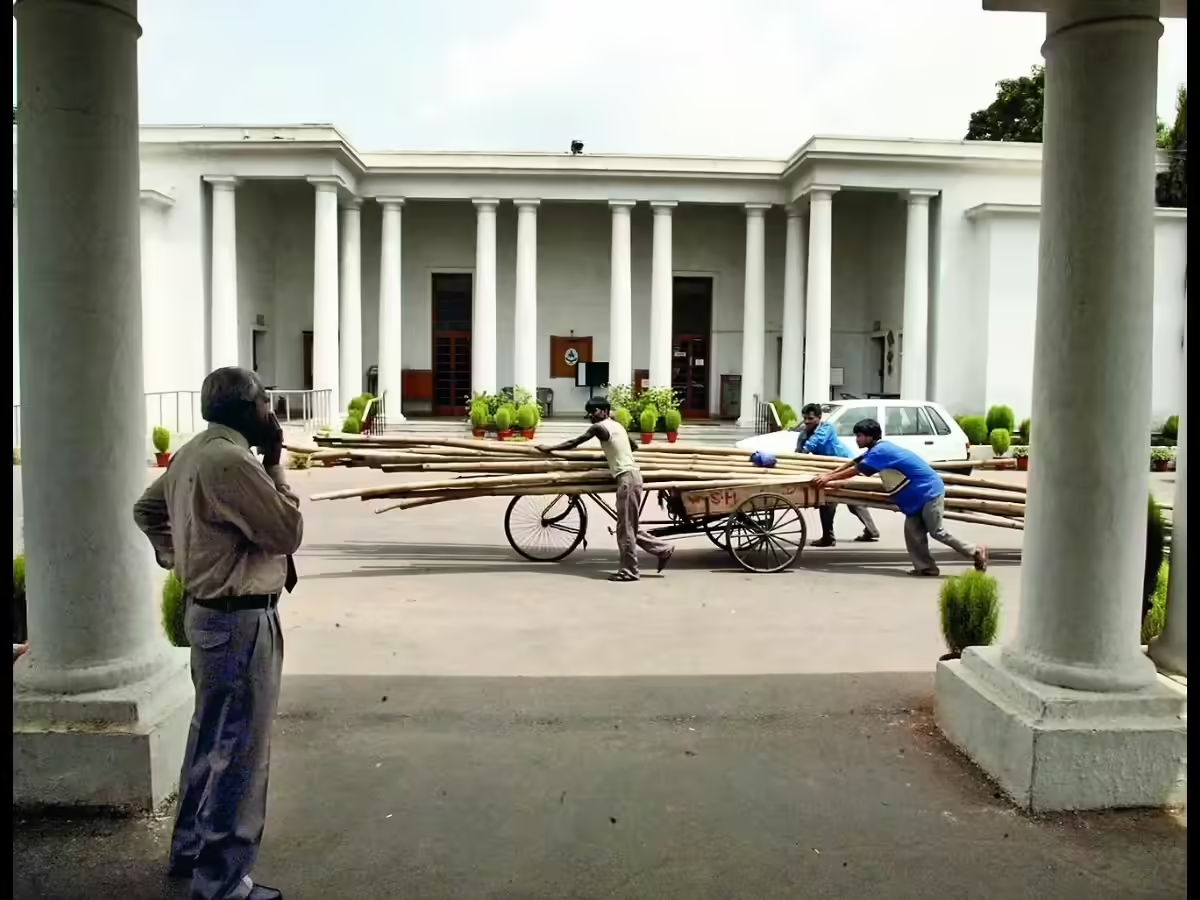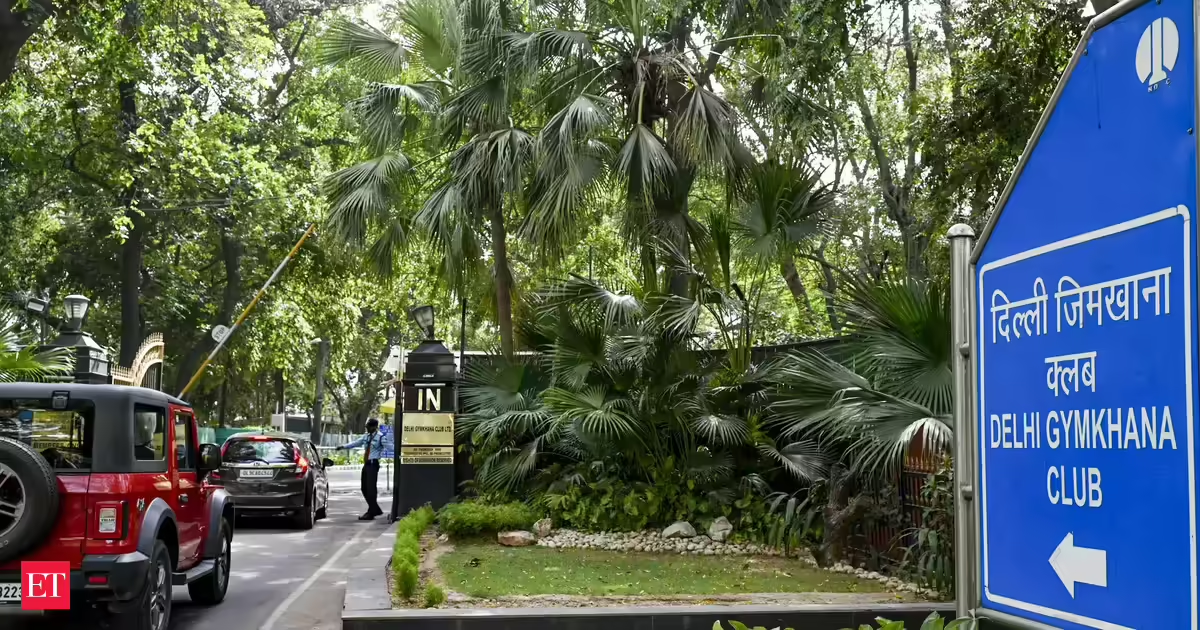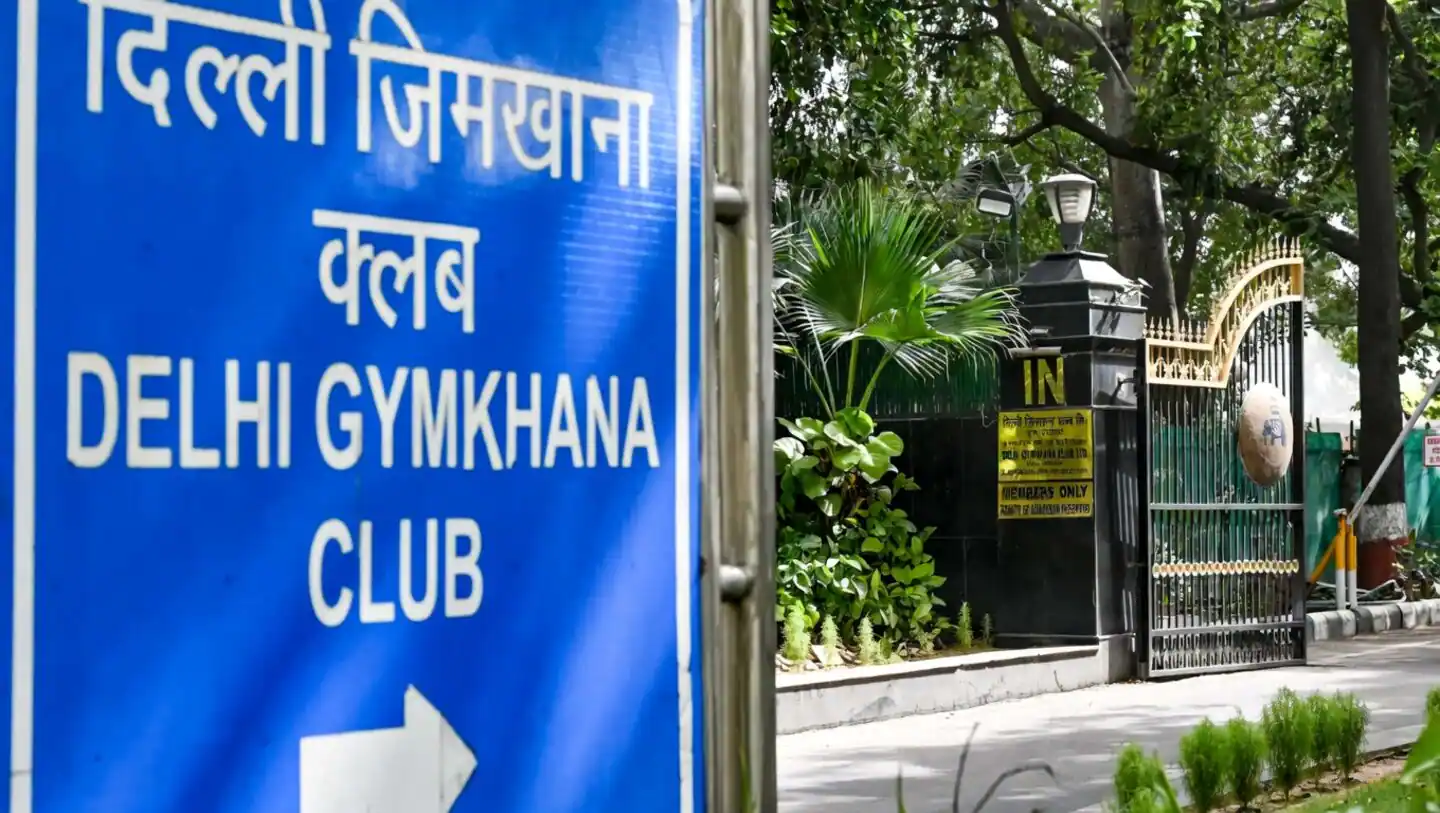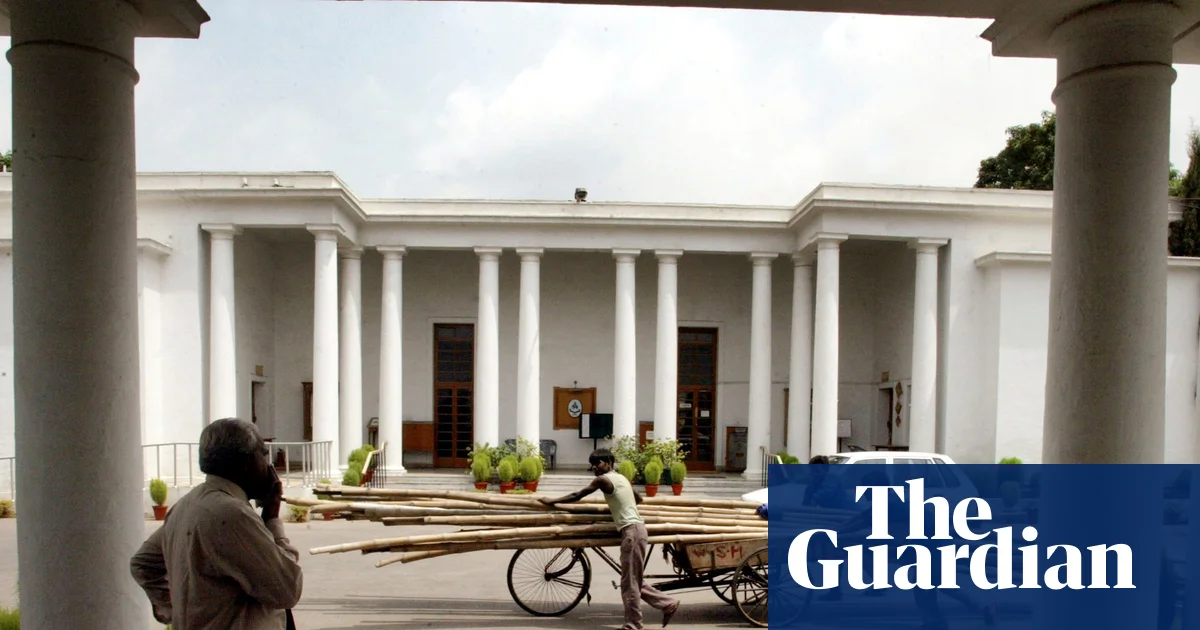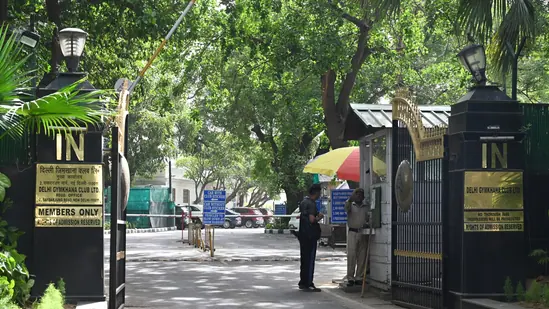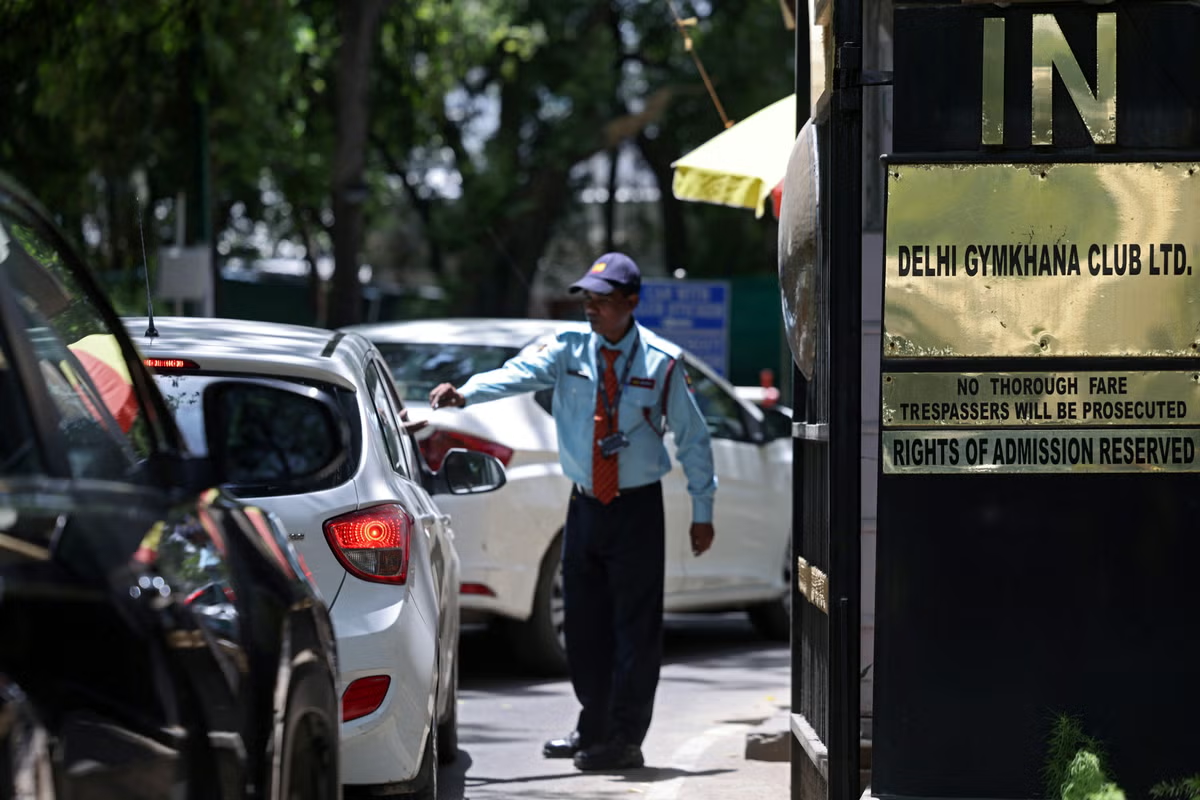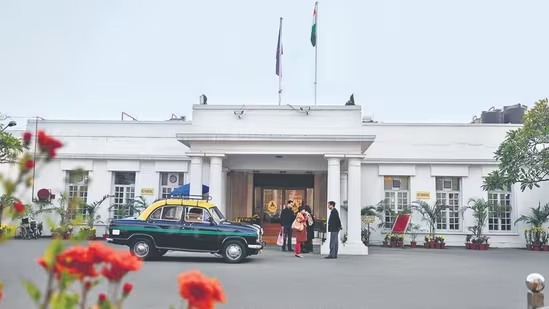
Former IPS officer Kiran Bedi, ex-RAW chief AS Dulat, former diplomat KC Singh, and historian Swapna Liddle were among the few to have commented on the issue. The Delhi Gymkhana Club, one of national capital's elite landmarks rooted in history, is in the crosshairs. The club, where the city's powerful and elite rubbed shoulders for nearly a century, is staring at possible dislocation with the government asking it to vacate the land by June 5 citing "securing defence infrastructure".The Delhi Gymkhana Club stands adjacent to the PM’s residence on Lok Kalyan Marg. (HT Archive) (HT_PRINT)The expansive 27.3 acres, located at 2, Safdarjung Road in the heart of the capital, stands adjacent to the prime minister's residence and flanked by the country’s most sensitive government establishments.The news of the possible closure has triggered strong reactions, nostalgia and some backing government's proposal.Also Read: ‘If you send it elsewhere…’: After a century of power, Delhi Gymkhana Club ordered to vacateFormer IPS officer Kiran Bedi, ex-R&AW chief AS Dulat, former diplomat KC Singh, ex-IAS KBS Sidhu, historian Swapna Liddle and Supreme Court lawyer Sanjay Hegde were among the few to have commented on the issue.Political leaders too weighed on the issue and remained divided in their opinions.'Unfortunate, 'racial bonding', closed on 'fictitious grounds'Kiren Bedi made a case in favour of The Delhi Gymkhana Club, saying it was not just property, but institutional and sporting heritage. Calling the move "unfortunate and tragic", the former Lieutenant Governor of Puducherry said the club hosted some of the finest tennis matches, and carries “so much history, so many memories, and generations of sporting excellence are associated with this place.”"Change may be necessary, but history and legacy deserve thoughtful preservation," she added.Veteran journalist Prabhu Chawla opined that an institution and club funded or supported by government can’t be allowed restrictive and selective use of its facilities."Delhi Gymkhana, Golf Clubs etc all over the country run on free or subsidised huge land parcels provided by the babus ,for the babus and their cohorts only. Others have to wait for memberships till their grand children are born," Chawla added.In a separate post, he argued that such clubs were set up by Britishers for "exclusive racial social bonding".Responding to Chawla's assertions, former diplomat and strategic affairs expert KC Singh argued that such spaces provided sports facilities and reasonable meals to bureaucrats, who worked for lesser salaries than those in private sectors."That also insulated them from dependence on moneyed class, which seeks their goodwill," Singh argued.Historian Swapna Liddle argued that though the club started for elite British officials, it evolved with time admitting Indian members. While it cannot be denied that the institution was elitist, she said, the need should be to look into “how you can change it, and make it meaningful for more people.”"For me, it's a passing of an institution. Any old building or any old institution of the city goes, I feel sad," Liddle added.AS Dulat, who lead the Research and Analysis Wing (R&AW) and subsequently served as Prime Minister’s advisor on Kashmir, said the club was home for many people, especially the elderly in the capital.“For many people, elderly people who spent all their lives here, it has become a home — it’s like a temple," he said.“There is no compensation or compromise on this. Either you have a club or you don’t have a club. Most people who come to the club are within walking distance. If you send the Gymkhana Club elsewhere, it will not remain the Delhi Gymkhana," Dulat, who also served as the former president of the club, said.Supreme Court lawyer Sanjay Hegde drew a Patna Golf Club parallel, saying former Bihar chief minister Lalu Prasad Yadav tried taking over the Patna Golf Club, adding, “he has long gone from power but the club continues.” “Populist leaders overthrowing elite bastions, is a game as old as humankind itself,” he added.Political parties join debateCongress leader Udit Raj called hit out at the Centre over the closing of the club and said it was a "very sad news". "The Delhi Gymkhana Club is not just a club, it's historic. It doesn't happen like this in any country. It is more than 100 years old. But it is the desire of the King. The King wants that there should be no Gymkhana Club near his residence."AAP leader Saurabh Bharadwaj too joined Congress in attacking the BJP and called it a "dictatorial move".“Ever since the Bharatiya Janata Party government came to power, they have only displaced people, they have not settled or rehabilitated anyone. Earlier, it was the turn of poor people, so the rich were not too bothered. Then it was the turn of shopkeepers, so salaried employees did not feel affected. Now, it is the turn of big officials, professionals, and people who go to clubs. Everyone’s turn will come eventually,” Saurabh Bharadwaj said.Shiv Sena leader Dr Abhishek Verma said the move was not merely an administrative decision, but a "long-overdue correction of Delhi’s most entitled drawing-room ecosystem."Drawing a personal note, he said, "My family lived for nearly 27 to 30 years right opposite the Gymkhana Club, at the Government bungalow, 4 Safdarjung Lane. My late father Shrikant Verma and my late mother Veena Verma were both Members of Parliament, and yet neither they nor I ever found this sick place worthy of becoming members.""For decades, such spaces functioned like private republics of inherited privilege, where surnames mattered more than merit, access was treated like ancestry, and public land became the comfort zone of a self-appointed elite," he added.Majid Alam is a Chief Content Producer working at Hindustan Times, based in New Delhi. He currently heads shifts at online desk and manages homepage apart from writing, editing and curating articles. With over six years of experience in journalism, Majid has navigated national, politics and international news. His work primarily focuses on the politics of the Hindi heartland, government policies, and South Asia. He also writes on US and Europe’s policies vis-à-vis India. Before joining Hindustan Times, Majid worked at ABP LIVE as the Chief Copy Editor and at News18, where he managed the World and Explainers sections. His articles have featured in Dialogue Earth, The Quint, BMJ, The Diplomat, and Outlook India. Majid has a keen interest in the use of data for storytelling. Majid holds a Masters in Convergent Journalism from Jamia Millia Islamia. He was awarded the Erasmus+ scholarship to study International Affairs at Sciences Po, Paris in 2020. He is also part of the OCEANS Network, an alumni network of Erasmus+ exchange scholars. He is currently serving as the National Representative (India) at the OCEANS Network. Apart from journalism, Majid has a flair for academic writing and loves to teach. He has published a book chapter: 'Bombay Cinema and Postmodernism' in the book: 'Handbook of Research on Social and Cultural Dynamics in Indian Cinema.' He was also part of the OCEANS Network delegation to Hanoi National University of Education in Vietnam in 2025. He has also given guest lecture in digital journalism at AJK MCRC, Jamia Millia Islamia.Read More
‘Tragic’ vs ‘long overdue’: Mixed reactions pour in over notice to vacate iconic Delhi Gymkhana Club
Former IPS officer Kiran Bedi, ex-RAW chief AS Dulat, former diplomat KC Singh, and historian Swapna Liddle were among the few to have commented on the issue. | India News
1,176 words~5 min read