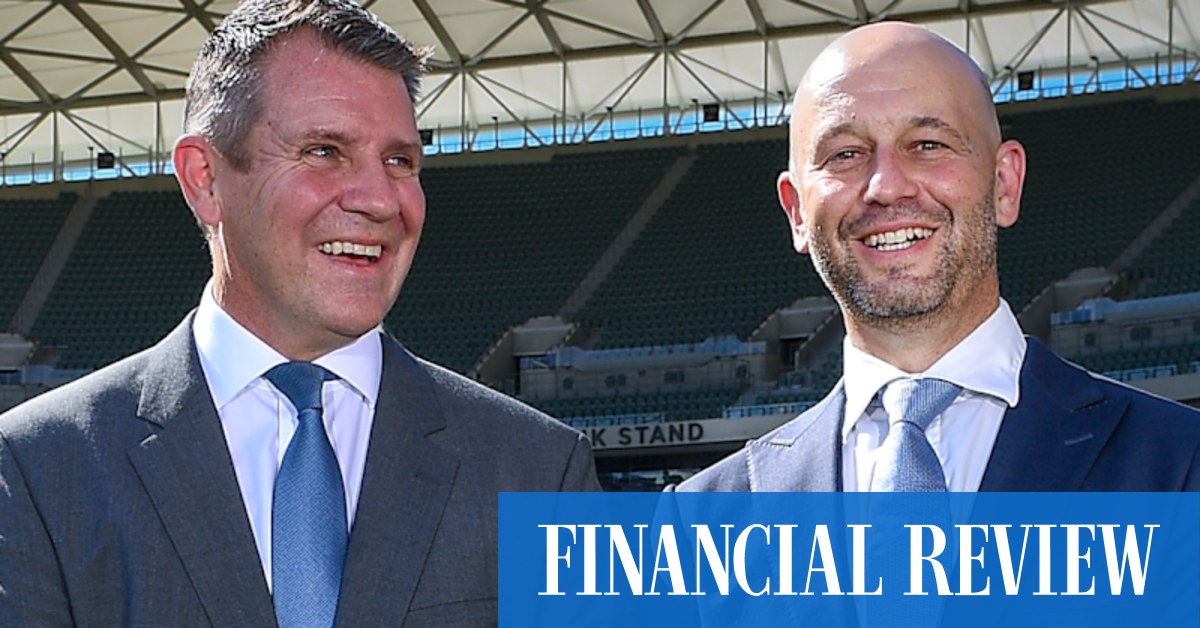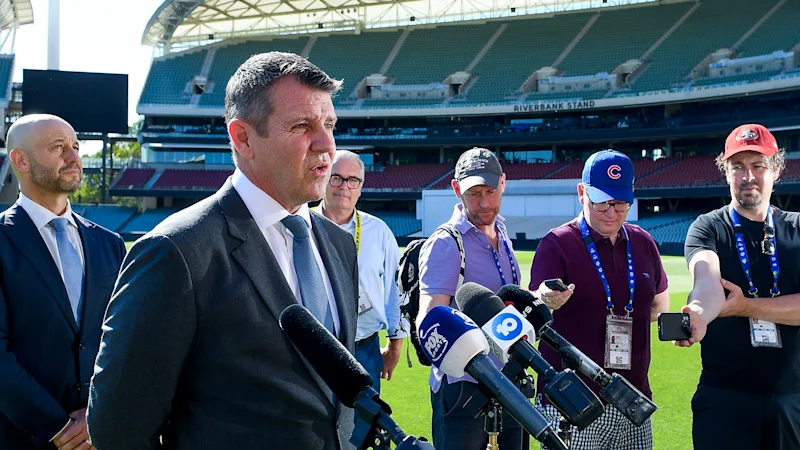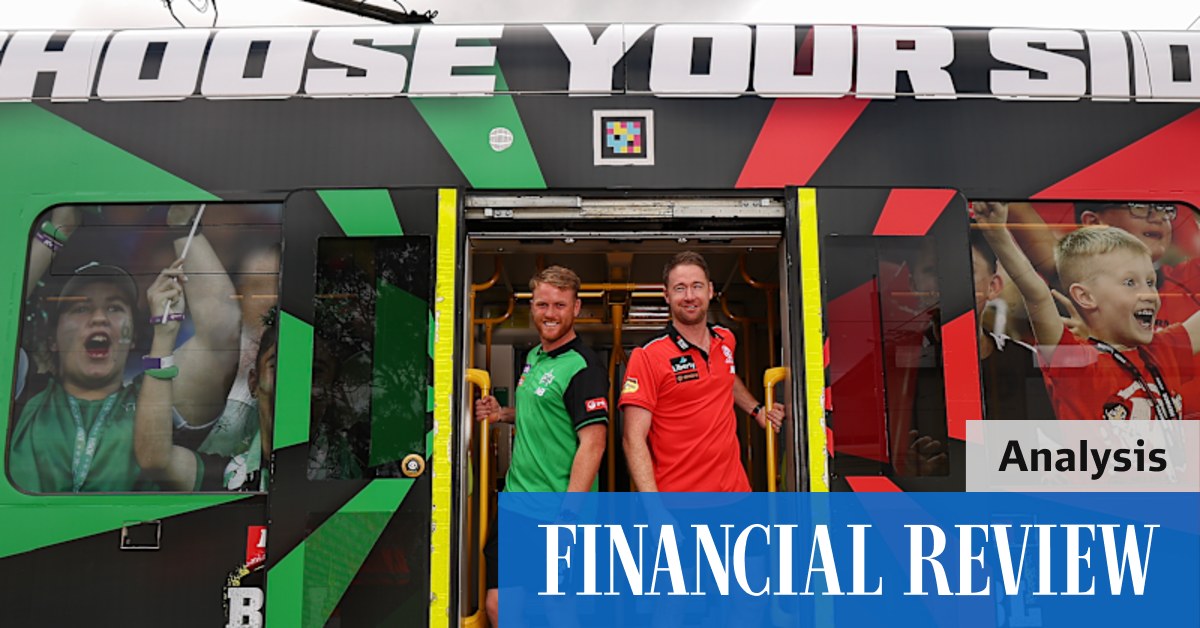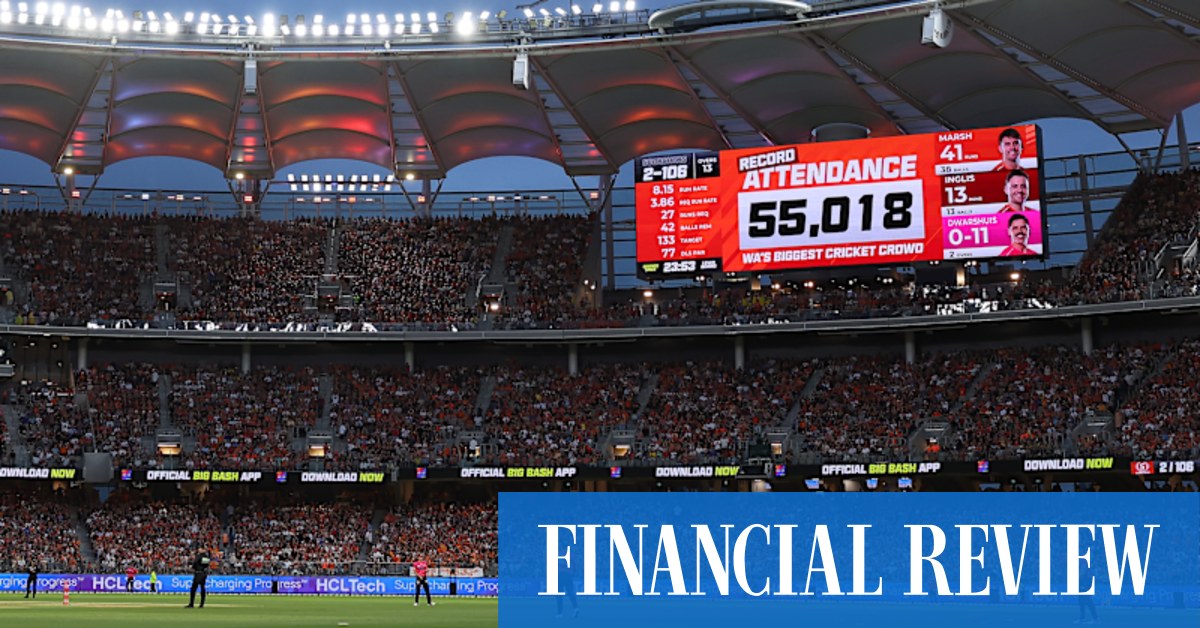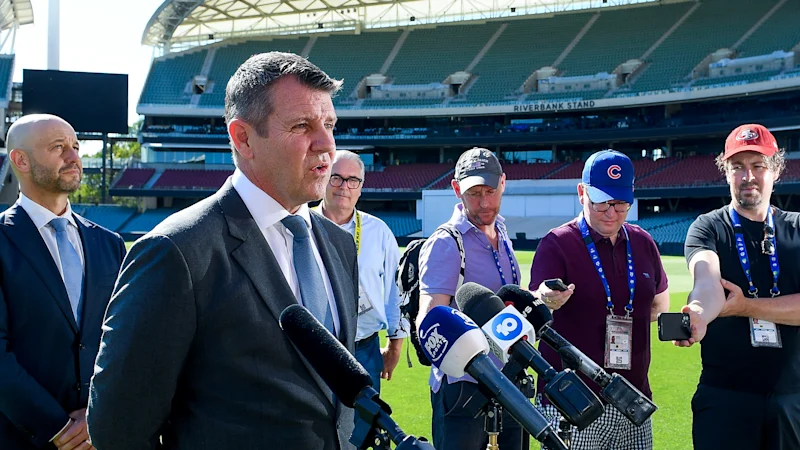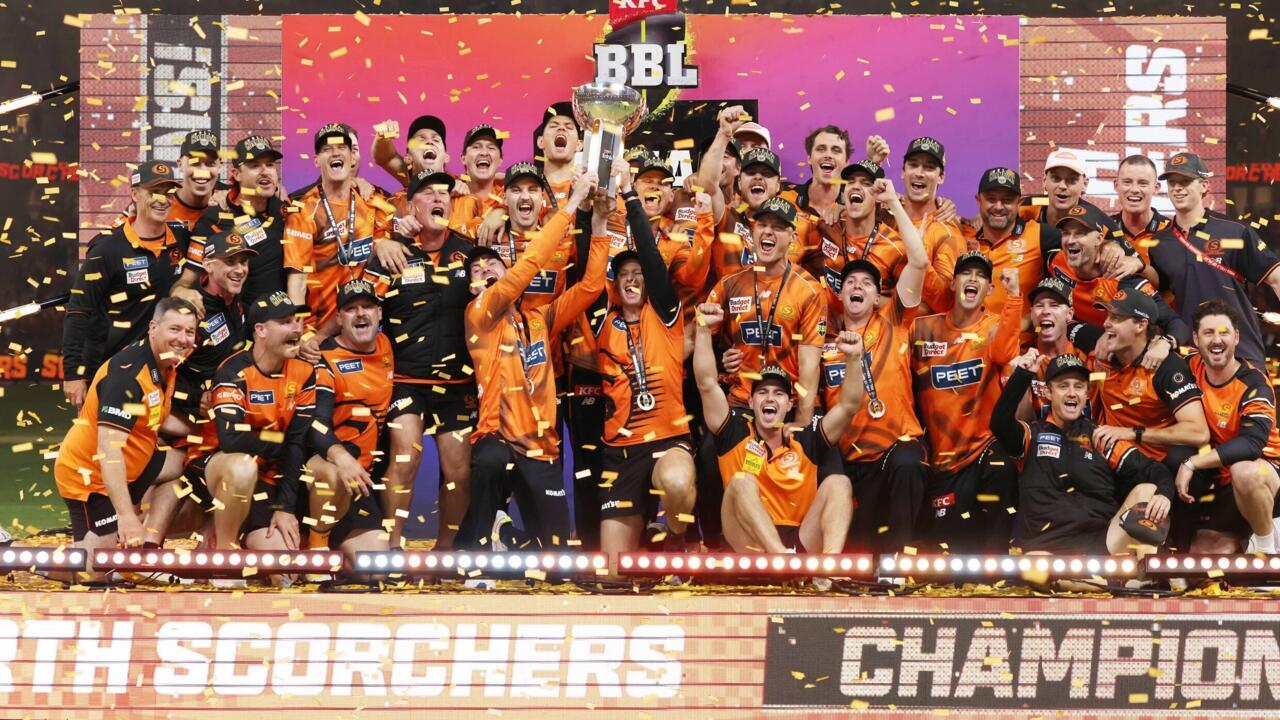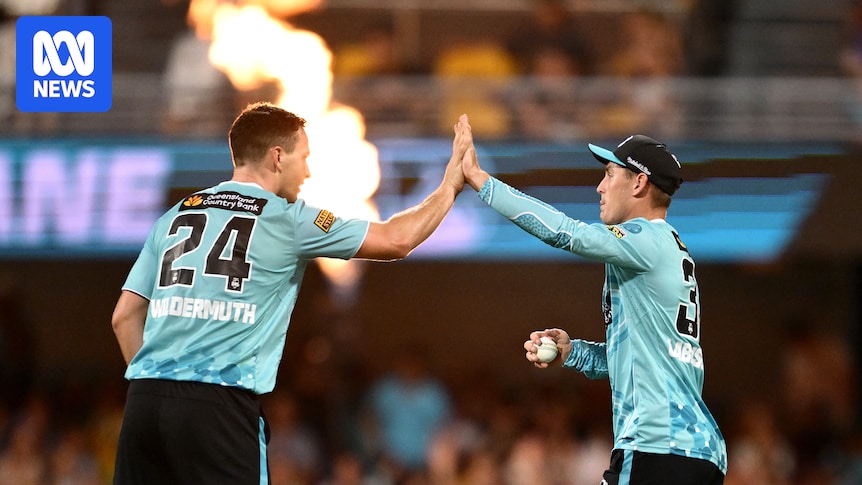
May 24, 2026 — 4:11pmCan one of Australian cricket’s member states tell another what to do?That’s the central question swirling around Cricket Australia’s revised plans – first floated by South Australia – to allow individual states to sell-off Big Bash League clubs in time for the 2027-28 season, while others wait and see.The Big Bash League is one of the genuine success stories of Australian cricket.Getty ImagesIn parallel with last week’s sacking of a CA staffer over IT procurements worth more than $600,000 in purchase orders, the governing body has been compiling details for a “self-determination model” to sell stakes in the BBL clubs.According to three senior Australian cricket sources speaking on condition of anonymity as talks are ongoing, state associations will essentially be allowed to do what they want, when they want. Sell now or in the future, or not at all.Any stakes sold will afford the investors a return of club profits – including a cut of broadcast rights revenue into the future – commensurate with the percentage of the club they buy. So a 100 per cent sale of the Melbourne Renegades could be expected to bring in a lot more cash than 49 per cent of the Melbourne Stars.After the conclusion of the current domestic broadcast rights arrangements with Foxtel and Seven in 2031, it is possible that the rights to the BBL will be sold separately, rather than being part of an aggregated deal, as has been the case since 2013.There will be a “tax” of some kind paid in the future by those states that choose to wait for greater certainty and higher club valuations rather than those selling here and now.And there will also be a separate BBL “commercial co”, with its own chief executive and a board comprised of representatives from CA, the state associations and also the private investors themselves.The commercial co would be constituted as a “for profit” vehicle, eligible to pay tax in Australia. It would be a step removed from the not-for-profit status held tightly by CA and the state associations, the better to pass on as much money as possible to the game’s grassroots levels.Detailed versions of these plans are expected to be shared with the state associations in June, after the imminent round of International Cricket Council meetings in India to take place around the Indian Premier League final in Ahmedabad next weekend.Marcus Stoinis leading the Melbourne Stars.Getty ImagesThat juncture will say much about whether the warring parties have learned anything from the collapse of the initial model for BBL club sales. This took place in April after NSW, Queensland and South Australia all returned varying negative verdicts on plans that had been workshopped by CA chief executive Todd Greenberg and his state counterparts for several months.Undoubtedly, CA’s chair Mike Baird will have to sit down with the state chairs this time around if the process is to get any further, as it is the boards of each state that hold genuine decision-making power on matters as far-reaching as selling BBL clubs.States spoken to by this masthead maintain that even if the financials were agreed, there are still major questions of control and governance to be thrashed out.NSW, which has retained the services of Adara Group partner (and Melbourne Cricket Club vice-president) Christian Johnson as an advisor, is still seeking an audience with CA to discuss its “alternative strategy” for the game.While Baird and the CNSW chair John Knox have spoken cordially on more than one occasion since the collapse of the previous sale model, there are few signs that Australian cricket’s largest state association is in the mood to back down from its multiple reservations.These are not limited to concerns about the money to be brought in by any prospective sale – although that is a material issue.There are also worries about handing over future revenues in the game to outside investors, differing interpretations of future financial forecasts for domestic and ICC revenues, and further queries about CA’s cost base. NSW has queried whether CA is getting fair value from its commercial operations, including product fees from wagering companies.By contrast, CA has taken the position that the current model of national funding, whereby the states take on indexed annual distributions from Jolimont without reference to the financial position of each state at the time, needs to be reviewed to allow for more ebb and flow depending on strategic imperatives.But should the BBL 2.0 sale model advance from ideas to realities, it will likely be because the states who used a sovereignty argument to block the previous version of the sale will be unable to pull the same lever to stop other states from choosing differently.Greenberg and several state CEOs travelled to Mumbai late last week for a look at the game’s financial juggernaut, following a trip by a BBL delegation to Chennai for talks around staging the first BBL game of next summer in India.Former Australian captain and ex-CA director Mark Taylor is not exactly enamoured with the idea.“I don’t particularly like it because, if it happens, it’ll be in early to mid-December, when the Test matches are due to start,” Taylor told Wide World of Sports on Sunday. Australia play New Zealand in a four-Test series starting December 9, so any sort of game like that will take away from the Test matches, which I love.“It’s a bit of a trade-off. You’re going to see two Big Bash teams go to India right at the time when the Australian cricket team are playing in a Test series here in Australia.“Finding the solution is really tough, but I just hope that everyone gets together on this and thinks what at the end of the day is good for Australian cricket. Bear in mind we’ve got to produce the next lot of cricketers as well, not just the ones that are making good money today.”News, results and expert analysis from the weekend of sport sent every Monday. Sign up for our Sport newsletter.Daniel Brettig is The Age's chief cricket writer and the author of several books on cricket.Connect via X.From our partners
‘Self-determination model’: Inside cricket’s second attempt at BBL sale
After the first attempt to sell BBL clubs met with fierce opposition, the new plan would essentially allow state associations to do what they want, when they want.
1,016 words~5 min read