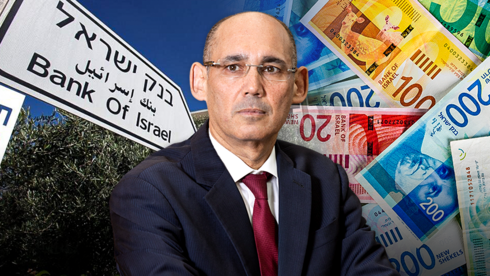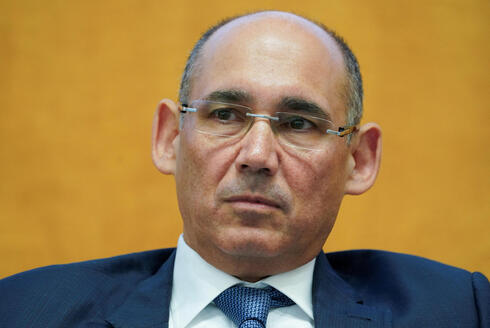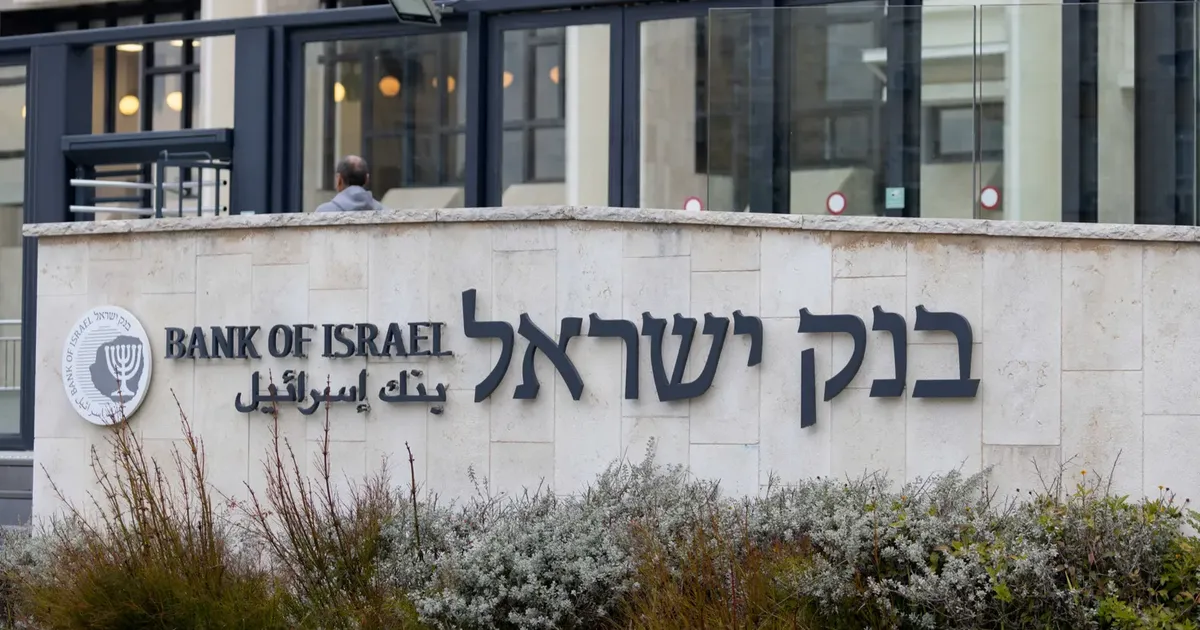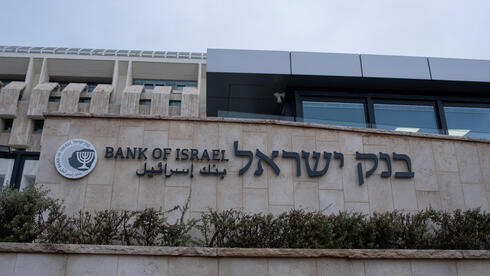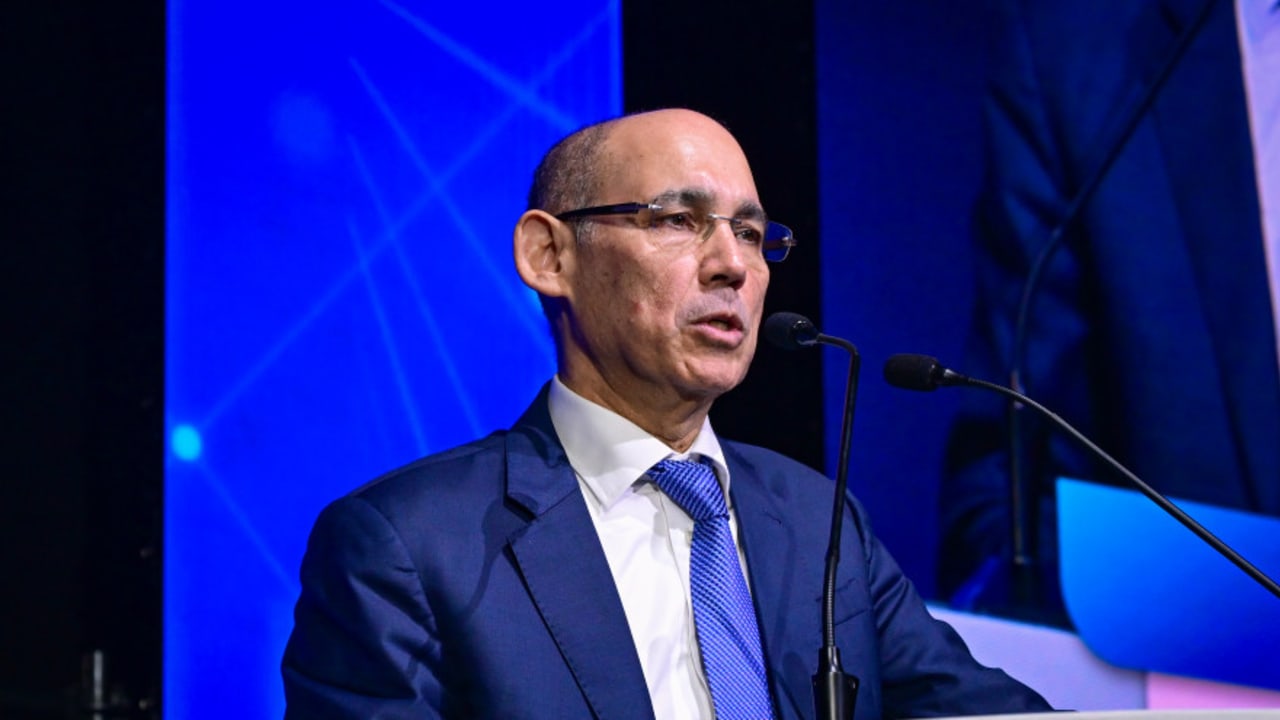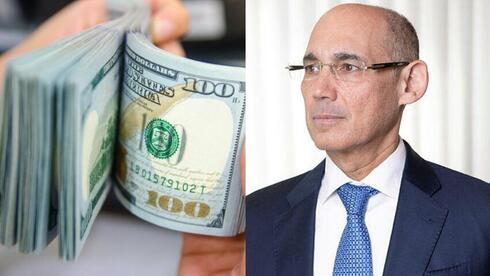
Central bank weighs rate cut despite April inflation spike, Iran war fears and election uncertainty as Israelis rush to buy dollars amid shekel surgeThe Bank of Israel faces one of its most difficult interest rate decisions in some time when its Monetary Committee meets Monday afternoon: whether to cut rates by at least 25 basis points despite a sharp 1.2% rise in the April consumer price index, concerns over renewed war with Iran and the possibility of early elections that could limit the government’s ability to take economic action.After the Shavuot holiday, pressure grew from business leaders for the central bank to make its second rate cut of the year and bring Israel’s benchmark rate below 4%, to 3.75%, with the prime rate at 5.25%. The previous cut, a quarter-point reduction to 4%, was made Jan. 5.3 View gallery The Bank of Israel (Photo: Alex Gamburg)The decision comes at a critical time. If early elections are called for September, the government would be largely unable to take economic steps, leaving the Bank of Israel as the only neutral body able to act.Arguments in favor of a rate cut include moderating inflation, which has stabilized at an annual 1.9%, near the midpoint of the government’s 1% to 3% target range; worsening conditions for businesses and households amid prolonged security uncertainty; wide interest-rate gaps compared with countries that have cut rates significantly; the strengthening shekel, which helps restrain inflation; and immediate relief for mortgage holders.Arguments against a cut include high political uncertainty, which could lead to irresponsible budgetary moves; the government deficit and rising defense spending, which could hurt Israel’s credit rating; inflationary pressures and possible government inaction on price increases before elections; a still-tight labor market that could drive wage and price pressures; and the risk of higher oil prices if tensions over the Strait of Hormuz are not resolved soon.Despite those concerns, at least half of analysts at banks and investment houses expect the Bank of Israel to cut rates by a quarter-point and make another cut by the end of the year, bringing the rate to 3.5%.3 View gallery Bank of Israel Governor Prof. Amir Yaron (Photo: Alex Kolomoisky)Dubi Amitay, chair of the Israeli Business Sector Presidium, sent a letter to Bank of Israel Gov. Amir Yaron urging a cut. “The economy is slowing and per capita growth is stagnant, while high interest rates are weighing on businesses, hurting investment and delaying economic activity,” he wrote. “Israel’s risk premium has declined and the shekel’s appreciation is helping restrain inflation.”Chen Schreiber, president of the Institute of Certified Public Accountants in Israel, called it “nothing less than a dramatic moment for the economy and the Bank of Israel.” He said the foreign exchange market is badly hurting growth, especially exports and high-tech.“Despite uncertainty over Iran and the global energy market, bold decisions are needed now,” Schreiber said. “The governor should cut the rate by half a percentage point in this round and give the economy oxygen.”Meanwhile, Israelis appear to be rushing to buy dollars. Data from LAYA, the digital foreign currency wallet owned by Altshuler Shaham investment house, showed Israelis responded quickly to the dollar’s decline. From January to April, the amount loaded per user rose about 30%. On days when the exchange rate fell below 3 shekels to the dollar, daily dollar purchases jumped about 70% compared with ordinary days.3 View gallery (Photo: Shutterstock)LAYA said the final week of April, when the dollar traded near 2.95 shekels, was the busiest week ever recorded on its platform by transaction volume.The figures point to a shift in consumer and savings habits. The average Israeli no longer waits for a banker, exchange clerk or upcoming trip to buy foreign currency. Instead, users track rates on an app, identify declines and buy quickly. In other words, the foreign exchange market, once seen as the domain of traders, importers and exporters, has become part of daily consumer behavior.Young people led the trend. The 18-25 age group recorded the sharpest increase in dollar purchases after the outbreak of fighting, with purchase volume jumping 65%. LAYA said young users also make up about 70% of its “heavy buyers,” the top 5% of users by loaded amounts, most of them Gen Z.“What we are seeing at LAYA is that Israelis no longer treat foreign currency as something you buy quickly before a flight or at an exchange booth on the way to Ben Gurion Airport,” said Yotam Reif Deshe, LAYA’s co-founder and CEO. “When the dollar fell below 3 shekels, the public responded very quickly — opened the app, checked the rates and bought dollars in real time. People identify an opportunity, load foreign currency at a good rate and use it to lower the cost of flights, hotels and expenses abroad.”
Bank of Israel faces high-stakes rate call as risks pile up
Central bank weighs rate cut despite April inflation spike, Iran war fears and election uncertainty as Israelis rush to buy dollars amid shekel surge
794 words~4 min read