Sunday 24 May 2026 6:17 am
| Updated:
Thursday 21 May 2026 10:26 am
When there is so much drama, why do we undervalue the Premier League's finale?
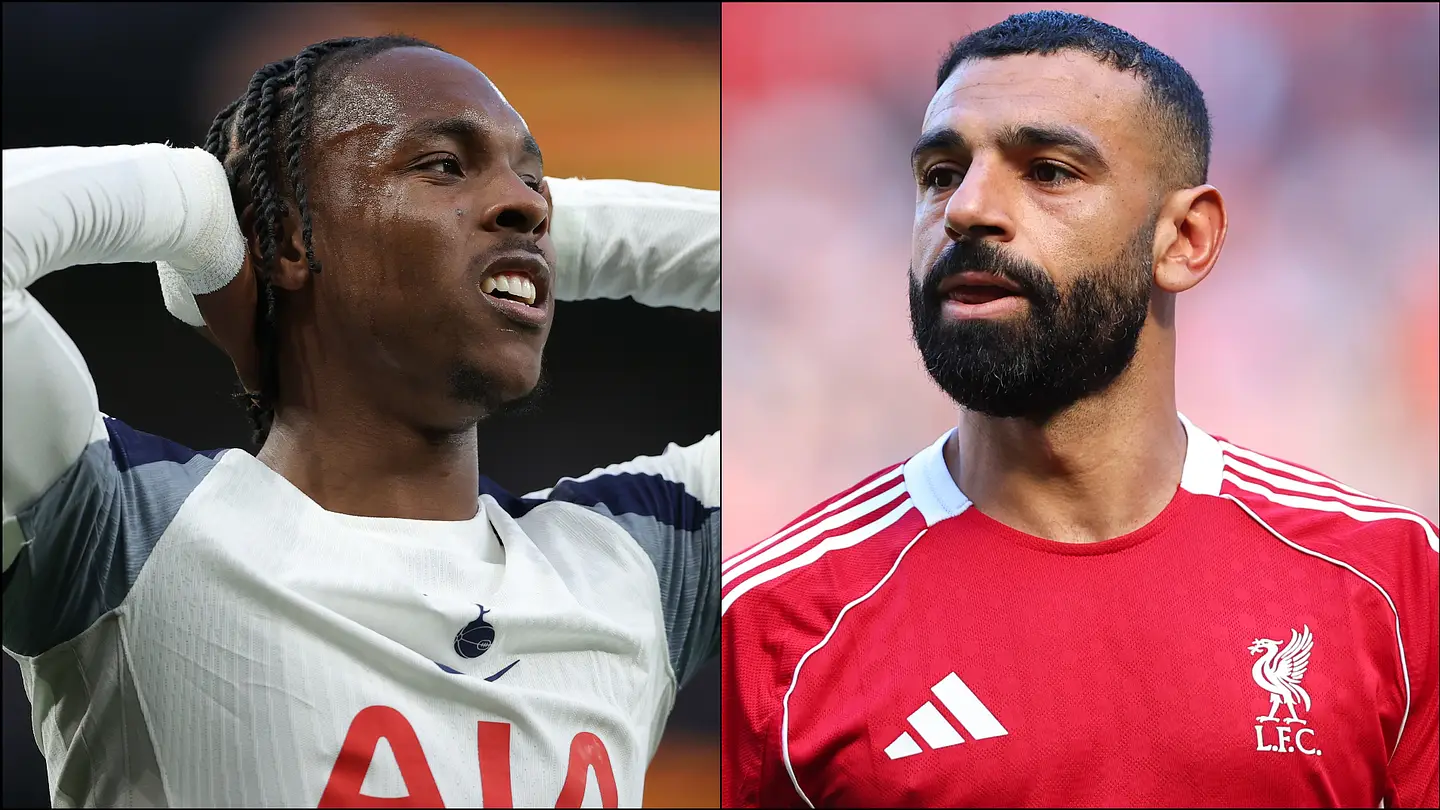
With one round of Premier League fixtures remaining, the season finale is not approaching, it is here. Title races (usually) tighten, relegation battles become existential, and the casual viewer becomes a committed one. For fans, it is the most emotionally charged period of the year. For brands, it should be one of the most valuable and what this season has demonstrated, with a World Cup now weeks away, could not be more timely.Yet it is consistently underestimated.The final weeks of the club season have, for too long, been treated as business as usual. This is a compressed window of peak engagement, sustained, unpredictable and deeply emotional. Two Circles’ Kore Evaluate Social shows that the highest-performing days for Premier League engagement fall almost exclusively in the six weeks between mid-April and the end of May. Football already accounts for 53 per cent of global sports attention and 27 per cent of sports IP revenue. In this period, that concentration intensifies.The Season Finale Economy.What defines it is the primacy of the moment. A late winner, an unexpected result, a title decided on goal difference, these are cultural ones. The brands that get the most out of this moment are rarely the ones with the deepest pockets. They are the ones paying attention. Whilst most brands still invest heavily in rights but don’t do enough with them.They default to being seen, logo placements, broadcast spots, content planned weeks in advance that has nothing to do with what’s actually happening on the pitch. They plan around media schedules, not fans. And when attention is at its peak, that’s when the gap between being present and actually mattering is most obvious.The brands that get it right show what’s possible. When Google Pixel activated around Liverpool, Mohamed Salah’s post-goal selfie drove a 12 per cent uplift in brand exposure and a 10 per cent increase in brand opinion among Liverpool fans. In the 24 hours that followed, that one moment generated 137 press articles, 13,563 social media posts and 39 social media videos globally. Two Circles data shows Liverpool drove over $2m more in sponsor media value from their owned accounts that day than on any other day last season. And the window for that kind of impact is bigger than most brands realise. A result doesn’t just live on the pitch, it gets processed, debated and pulled apart across creator platforms, fan channels and social media for hours afterwards. Fabrizio Romano has 124.8m followers and averages 739,000 engagements per Instagram post this season. He reaches football fans that no broadcast rights deal gets near.Missed Premier League opportunity For the most engaged supporters, the conversation around a big result can run for days. Successful brands that understand this behave less like sponsors and more like publishers. They build always-on content calendars, planning for scenarios rather than just fixtures, using audience data to stay relevant in real time rather than reacting after the fact. The PSG partnership with Jordan remains the most cited example for good reason: a 470 per cent uplift in US sales in its first season, achieved not through conventional matchday activation but by anchoring the brand within a cultural conversation that fans were already having.The brands that do this well aren’t just more creative, they’re more joined up with sponsorship, media, social and CRM all pulling in the same direction.Football is the most powerful cultural stage on the planet. But being on it doesn’t automatically mean anything. The brands that get the most out of it are the ones that have done the work before the moment arrives, because by the time it does, it’s too late to prepare.One match remains. The attention, especially at the bottom, is already at its peak. The only question is which brands are ready for it.Will Wapshott is a director Two Circles