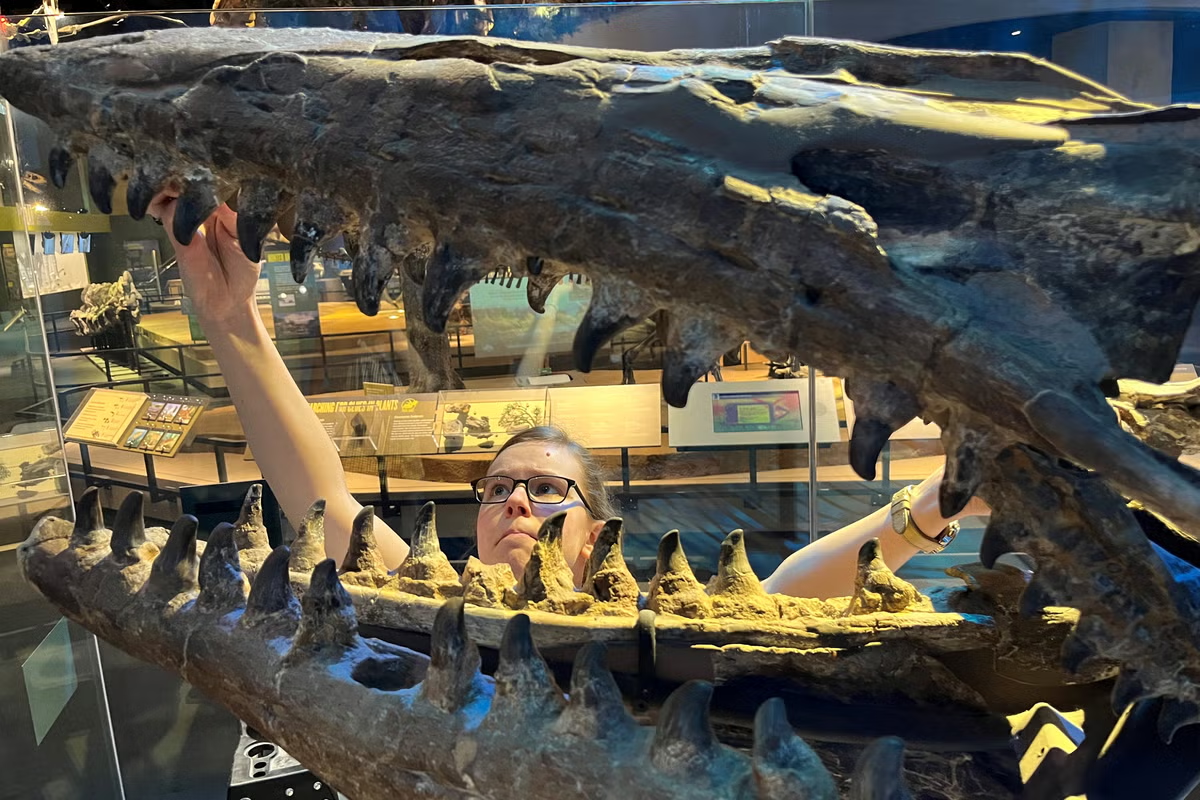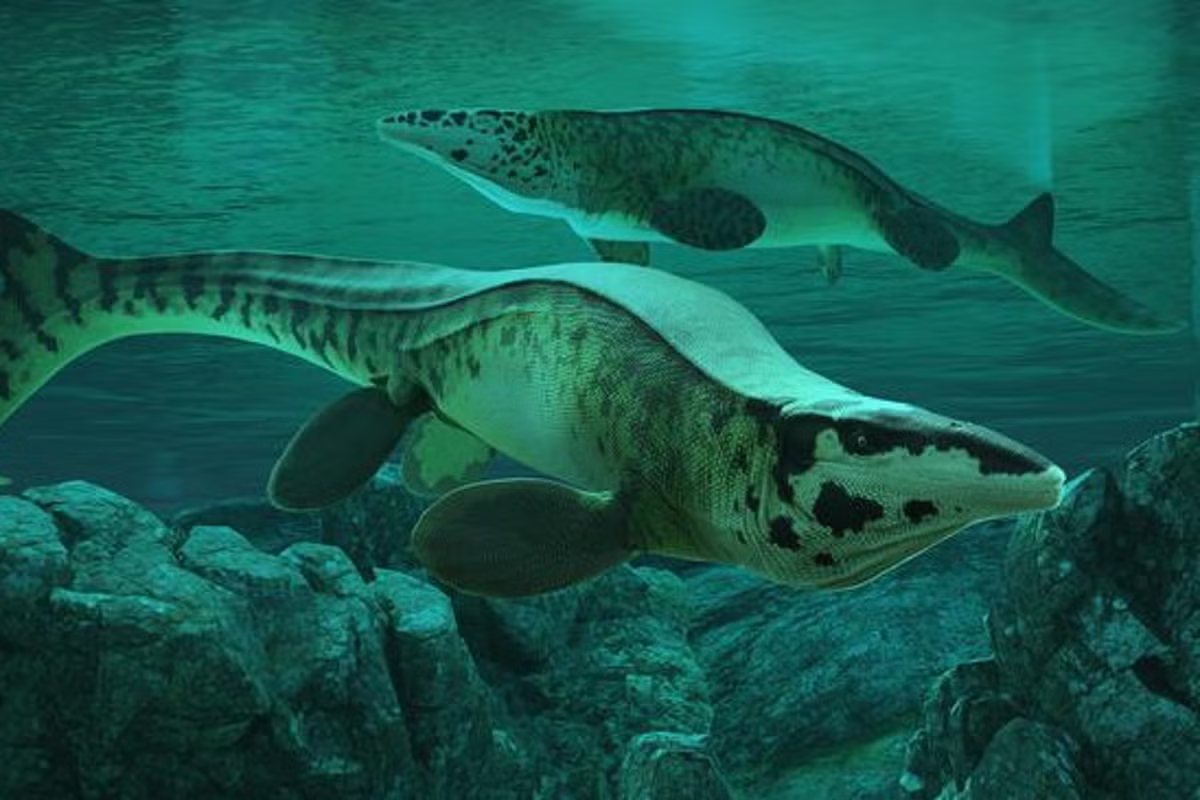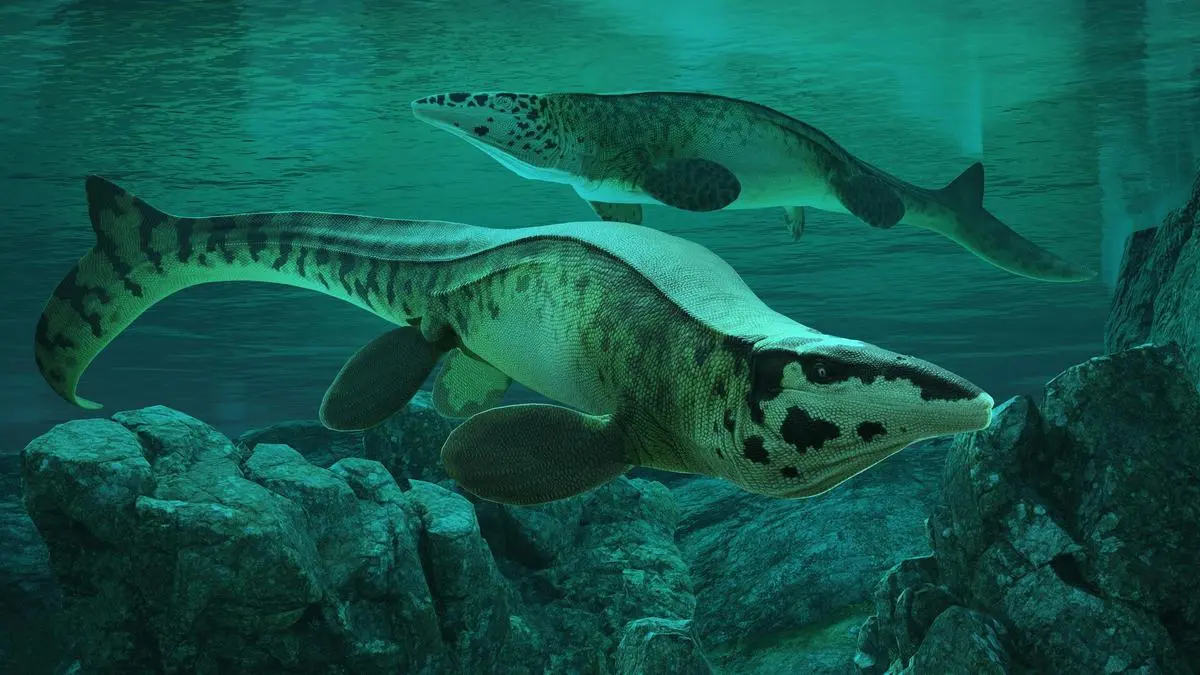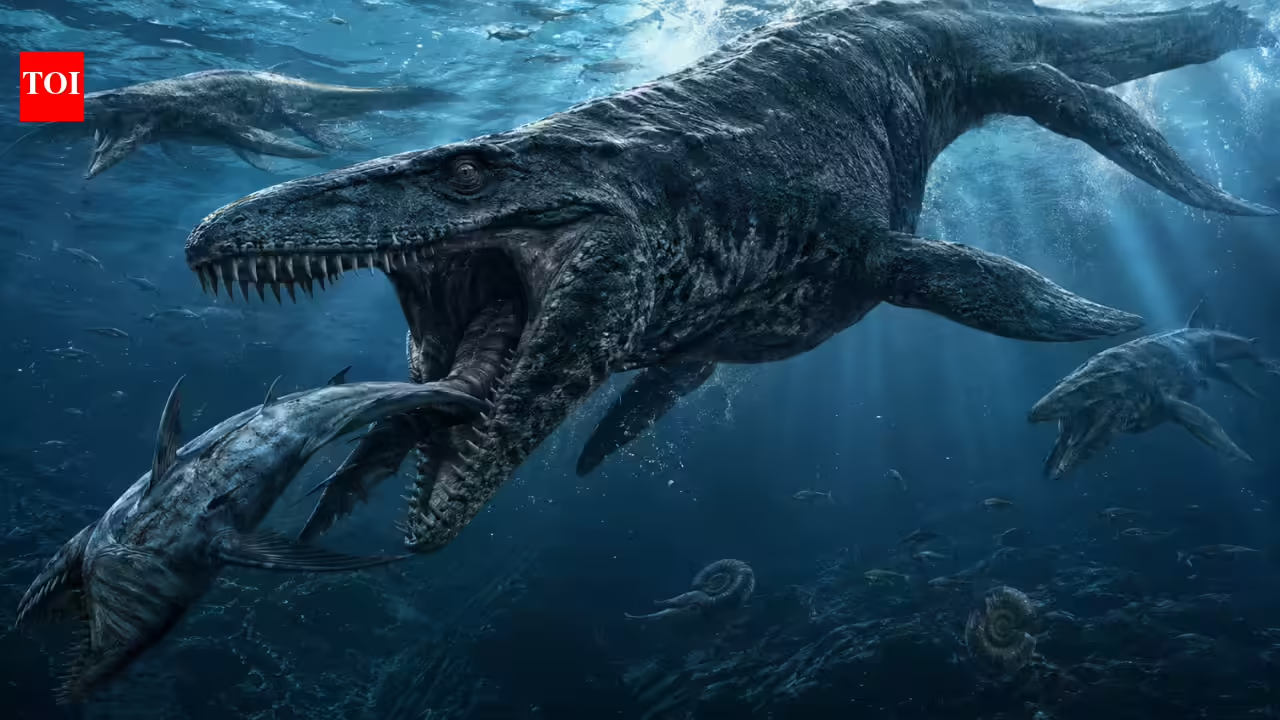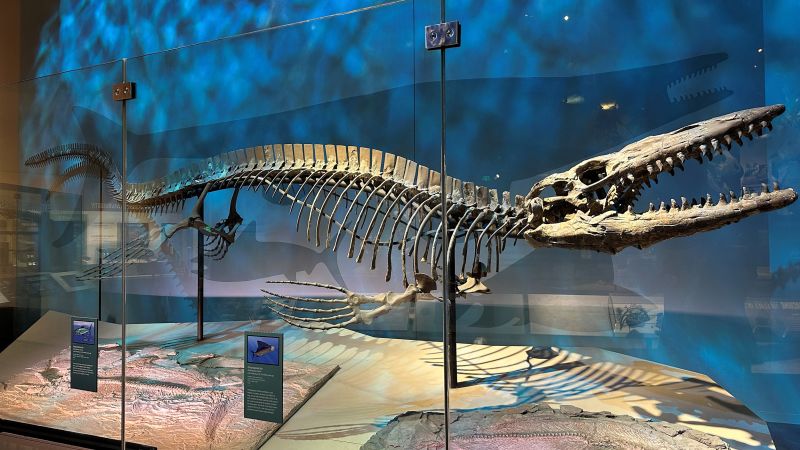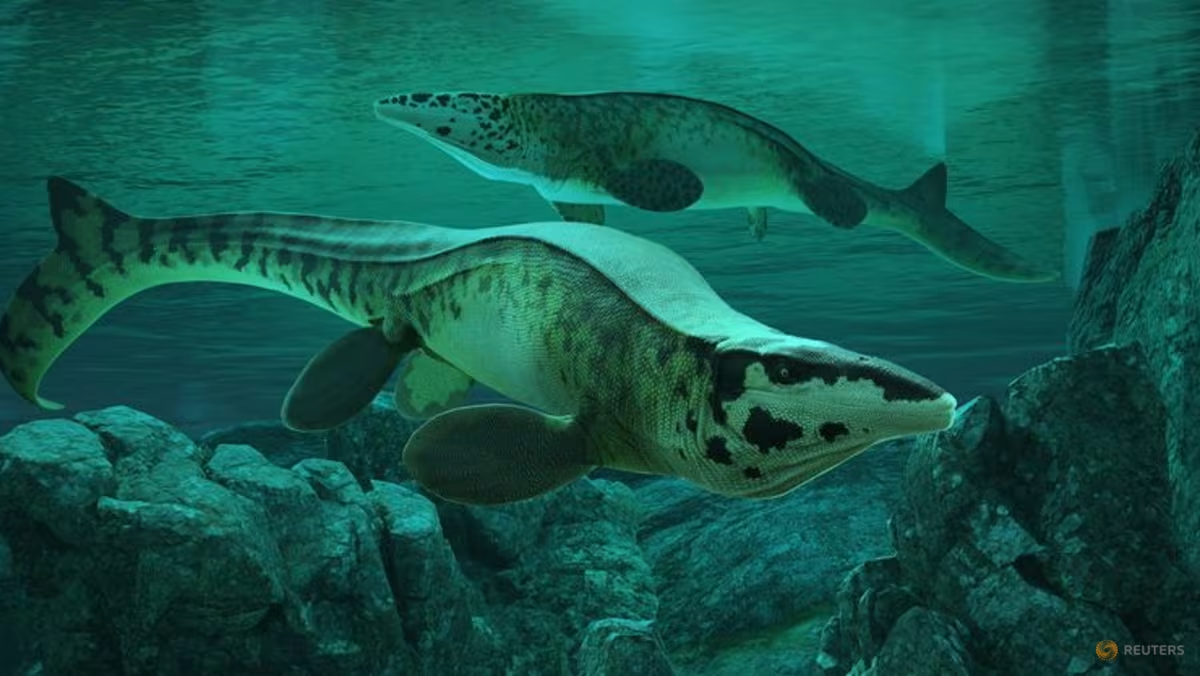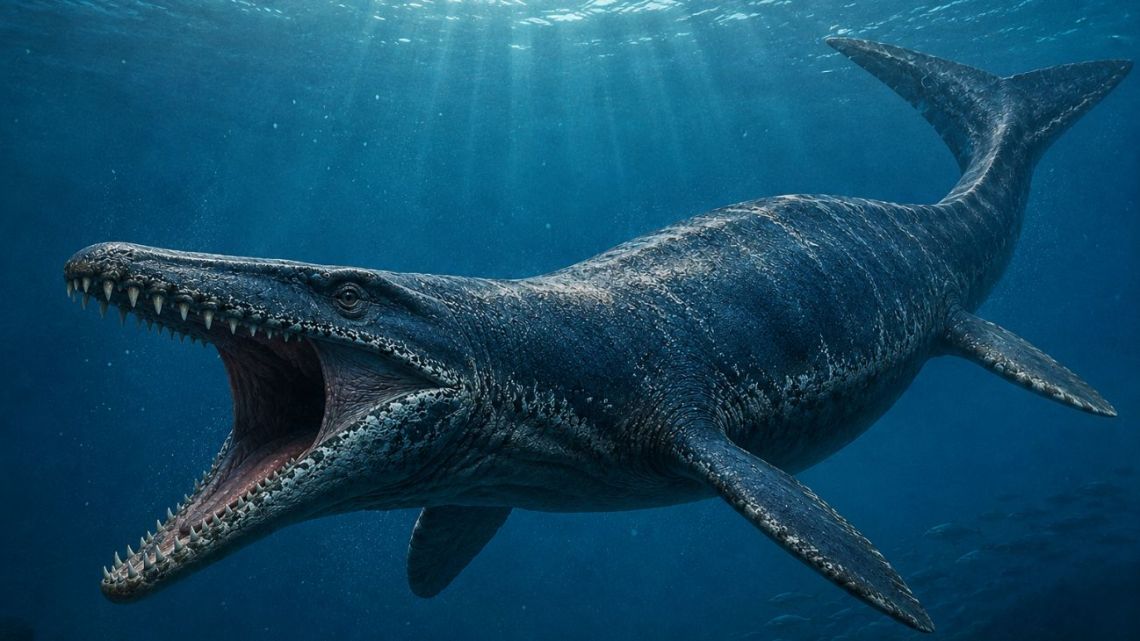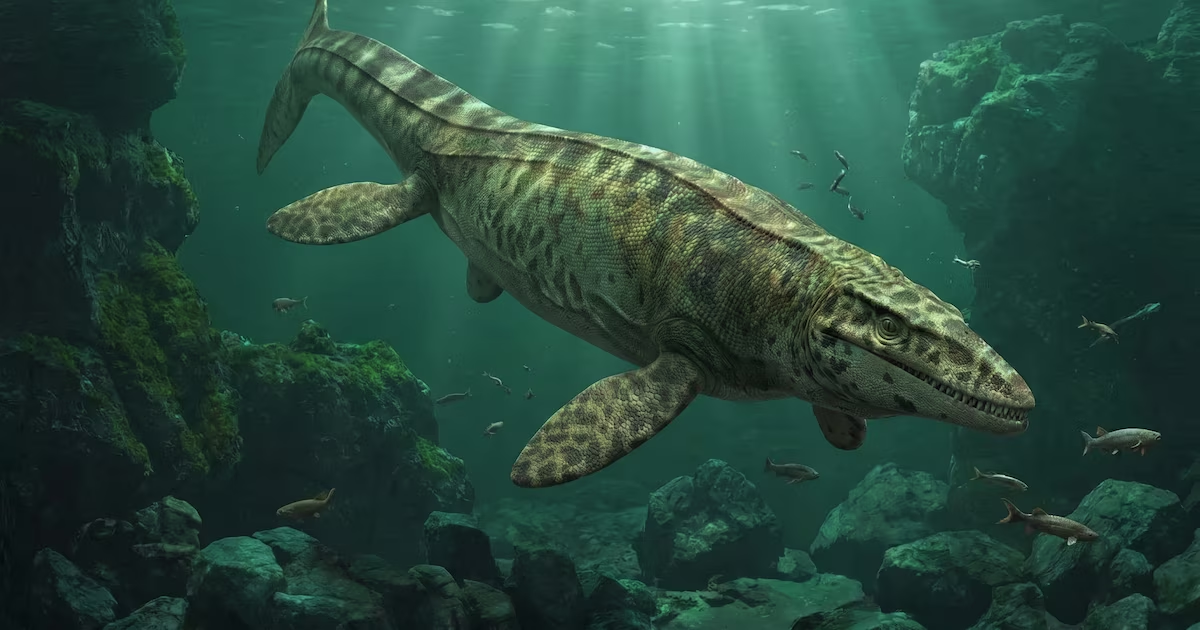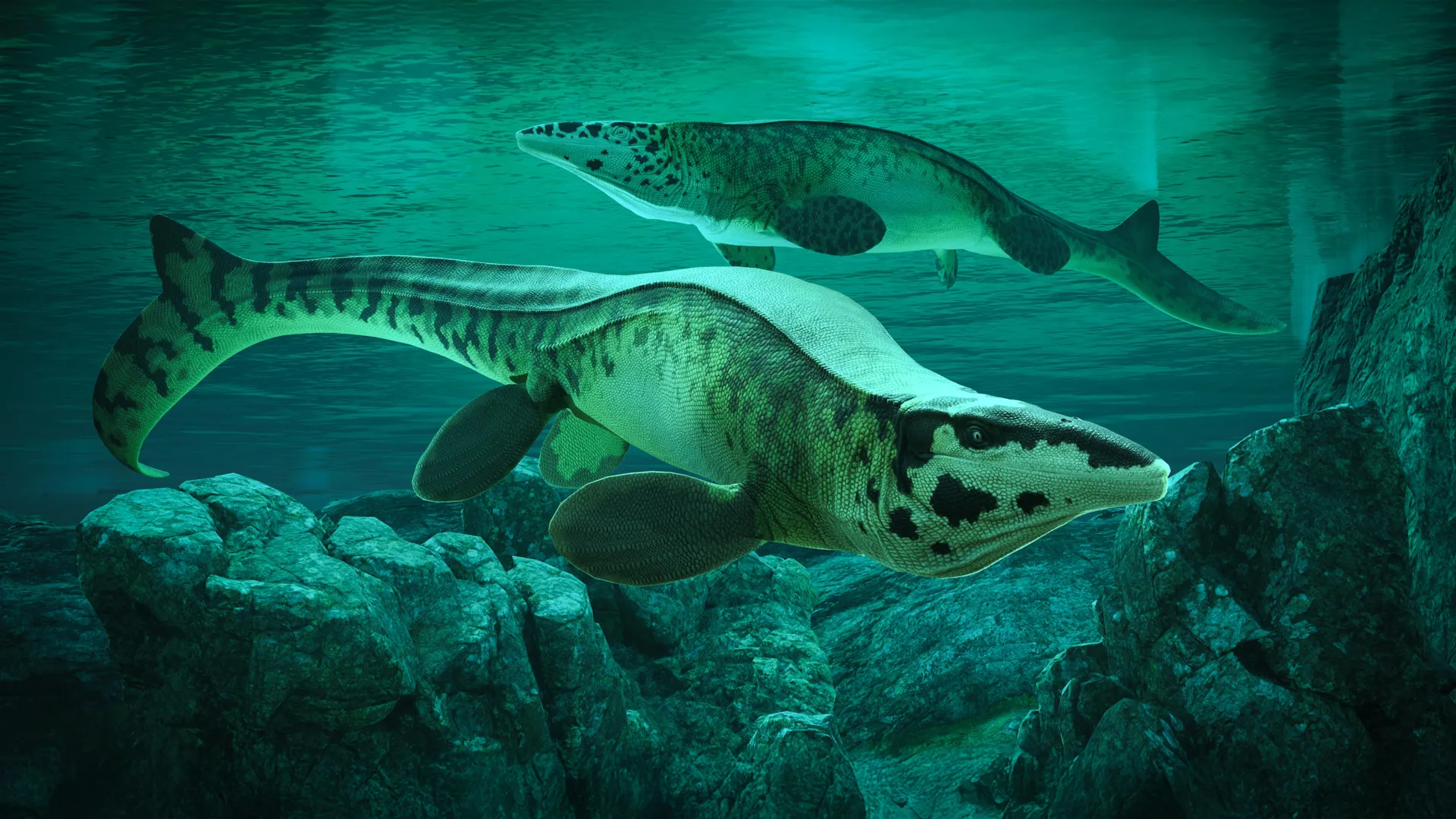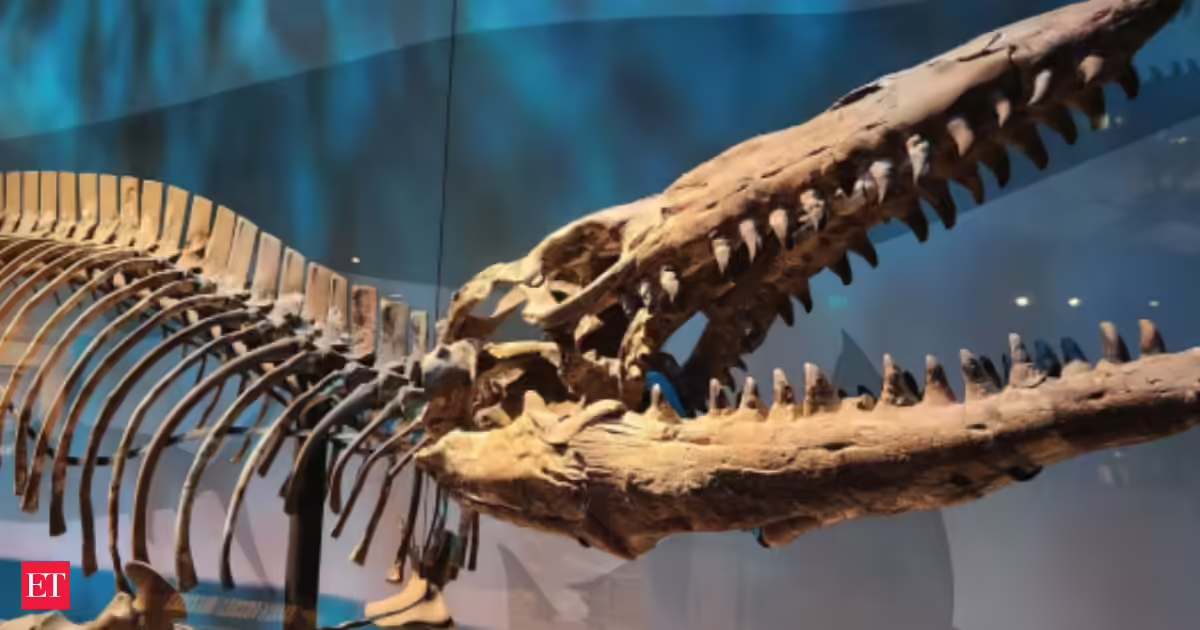
SynopsisA new giant marine reptile, Tylosaurus Rex, has been discovered. Fossils found in Texas reveal this predator ruled the oceans 80 million years ago. It was much larger than modern sharks. Researchers believe it was aggressive, fighting other mosasaurs. This discovery updates our understanding of these ancient sea creatures. A reconstructed skeleton is now on display.AgenciesResearchers also found evidence suggesting the reptile may have been exceptionally aggressive.Scientists have identified a terrifying new species of mosasaur — a giant marine predator nicknamed “Tylosaurus Rex” — that once ruled Earth’s oceans during the Cretaceous Period. Stretching up to 43 feet long, the massive reptile has been dubbed the “T. rex of the sea” after researchers uncovered 80-million-year-old fossils in Texas revealing its brutal hunting abilities and violent behavior.The newly classified species, known as the “King of the Tylosaurs,” belonged to a family of giant marine reptiles that lived between 66 million and 145 million years ago, the New York Post reported citing a study in the American Museum of Natural history. Researchers say the creature was nearly twice the size of today’s largest great white sharks and significantly larger than its close relative, Tylosaurus proriger.The discovery was led by Amelia Zietlow of the American Museum of Natural History, who re-examined a fossil that had long been mislabeled as Tylosaurus proriger, a species first identified in 1869. After studying the remains, she noticed several striking differences that suggested the fossil belonged to an entirely new species.Among the biggest clues were the fossil locations in northern Texas, the reptile’s unusually serrated teeth, and its enormous size — about 13 feet longer than Tylosaurus proriger. The fossils also date back roughly 80 million years, making them younger than the previously known species, whose remains are estimated to be around 84 million years old.“Everything is bigger in Texas, and that includes the mosasaurs, apparently,” Zietlow joked in a statement, highlighting the giant scale of the newly identified predator.Researchers also found evidence suggesting the reptile may have been exceptionally aggressive. Ron Tyloski, curator at the Perot Museum in Dallas and co-author of the study, pointed to injuries on one fossil specimen that appear to have been caused during combat with another mosasaur.The fossilized skeleton has a missing snout tip and a broken jaw — injuries researchers believe could only have been inflicted by another Tylosaur of similar size.“The only thing that could have done this was another Tylosaur of the same size,” Tyloski explained, suggesting the creatures may have regularly fought members of their own species, much like the land-dwelling Tyrannosaurus rex.The name “Tylosaurus Rex” honors Texas paleontologist John Thurmond, who first suspected in the 1960s that giant Tylosaurs found in northern Texas represented a different species. Thurmond had originally proposed the name “Tylosaurus thalassotyrannus,” meaning “sea tyrant.”The discovery is also reshaping scientists’ understanding of mosasaur evolution. Researchers noted that the evolutionary dataset used to study these ancient reptiles had barely changed in nearly three decades. By revisiting old fossils and updating the classification system, the team proposed a revised evolutionary tree for mosasaurs.Zietlow said the findings show the importance of re-evaluating long-held scientific assumptions and modernizing research methods used to study these iconic sea predators.Despite its fearsome reputation, however, Tylosaurus Rex may not have been the ultimate ruler of prehistoric oceans. Scientists say a gigantic 62-foot “kraken-like” octopus species may have shared the seas with the mosasaur — and could even have preyed on creatures like Tylosaurus Rex.The fossils of the newly identified predator were first discovered outside Dallas in 1979 alongside dozens of other specimens. Today, the Perot Museum in Dallas houses one of the reconstructed skeletons of the massive sea reptile, offering a glimpse into one of the ocean’s most terrifying ancient hunters.Read More News on
‘T. rex of the Sea’: Scientists discover 43-foot ‘King of the Tylosaurs’ that terrorized oceans 145 million years ago
A new giant marine reptile, Tylosaurus Rex, has been discovered. Fossils found in Texas reveal this predator ruled the oceans 80 million years ago. It was much larger than modern sharks. Researchers believe it was aggressive, fighting other mosasaurs. This discovery updates our understanding of these ancient sea creatures. A reconstructed skeleton is now on display.
622 words~3 min read