Summer is a time to take your eyecare seriously. With higher UV levels, peak pollen counts and more outdoor and water-based activities on the agenda, we asked experts for the best practices, tips and tricks for preserving your eye health.
Wear sunglasses even on cloudy days
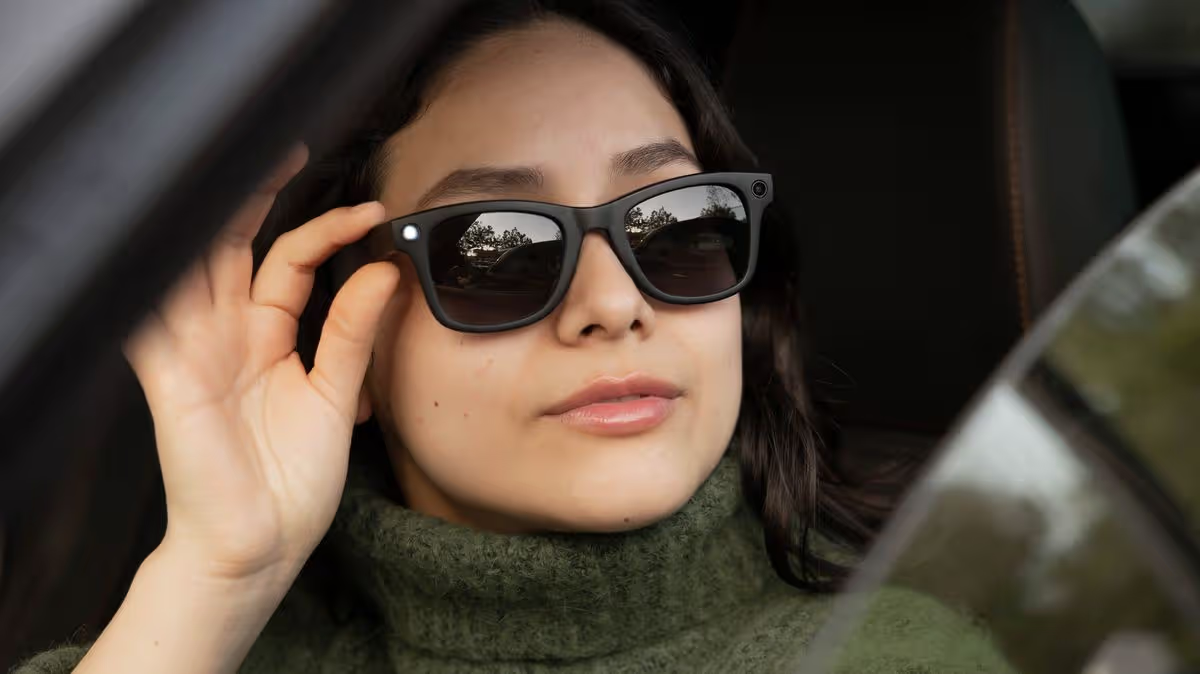
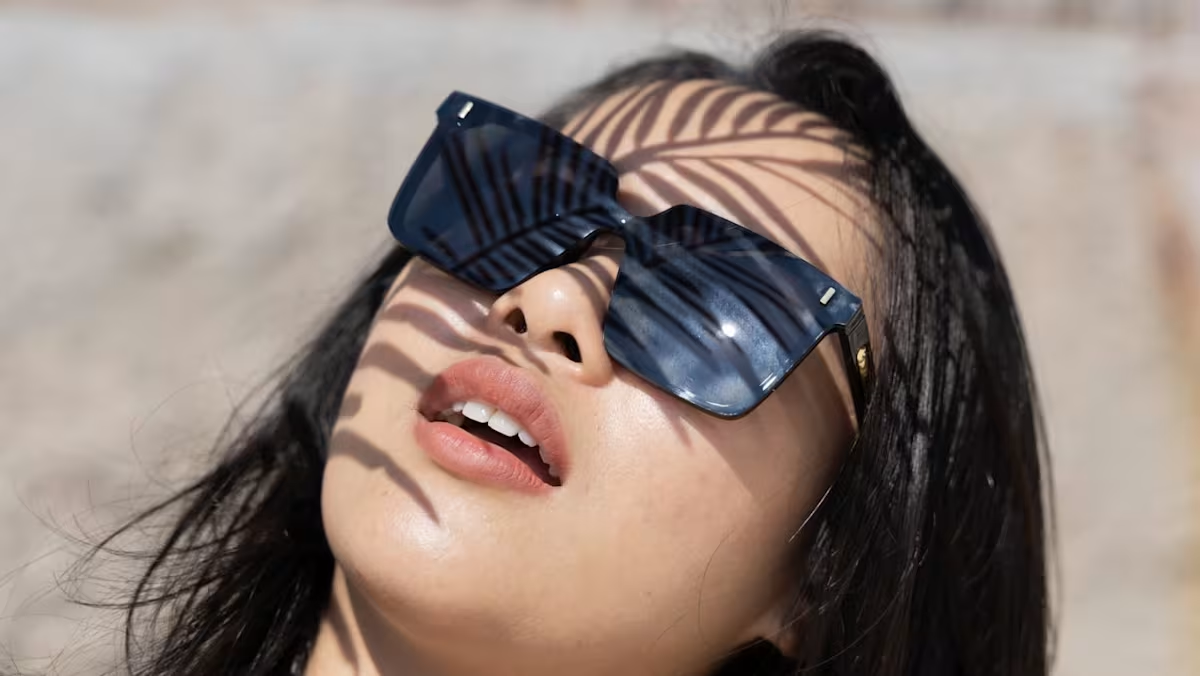
UV levels are significantly higher during the summer months, explains consultant ophthalmologist Alex Day. “Sunglasses reduce light exposure to the eyes and eyelids and also filter out UVA and UVB radiation, reducing the risk of cataracts, pterygium (growths of tissue over the clear cornea of the eye), eyelid cancers, and retinal problems such as age-related macular degeneration. Sunglasses also reduce airflow over the surface of the eyes, which can help with eye comfort if you have dry eyes.”
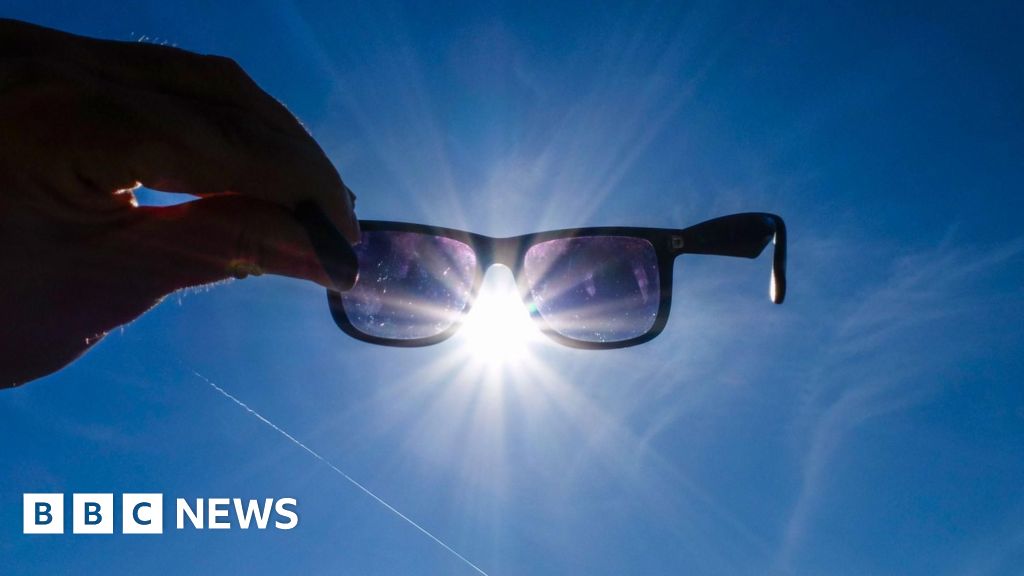
Ideally, you should aim to wear sunglasses even on a cloudy day in summer, according to Day. “This is because up to 80 per cent of UV rays can easily penetrate through cloud cover. Even when the sun is not visible, the invisible ultraviolet radiation is still present and can damage your eyes over time. This is especially important for patients with age-related macular degeneration (AMD) who should always wear sunglasses whenever possible outside.”