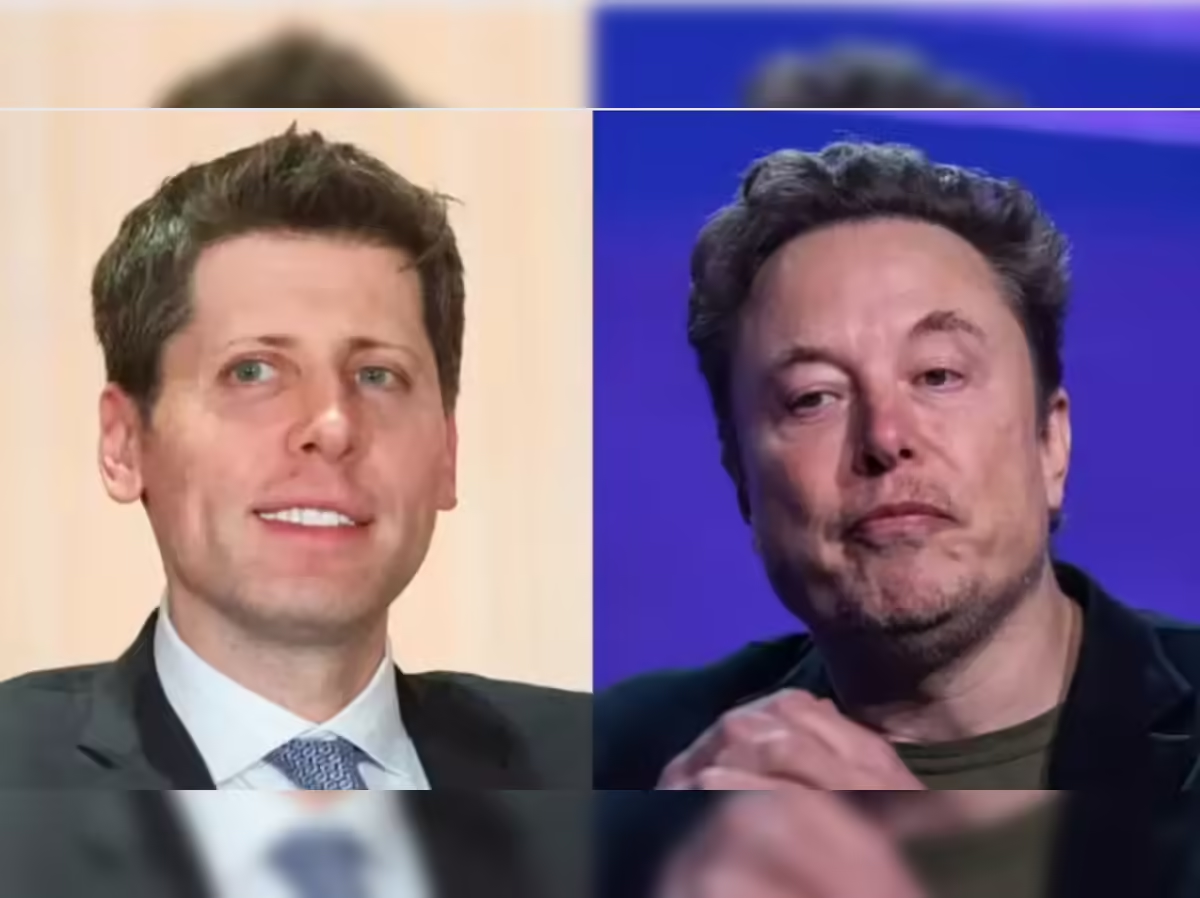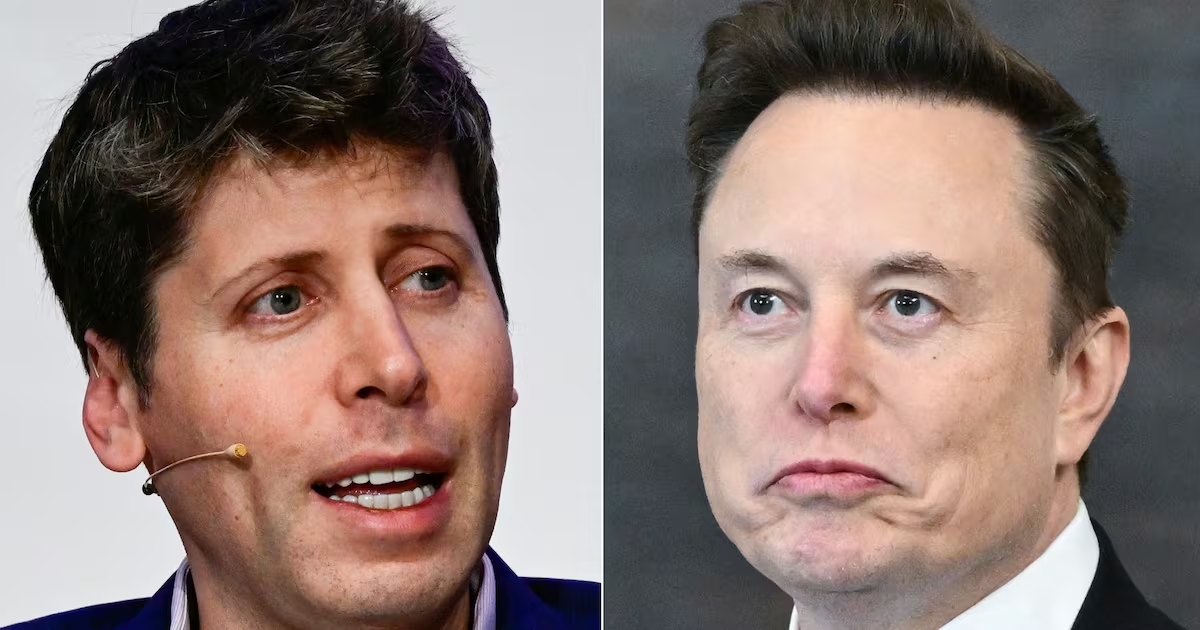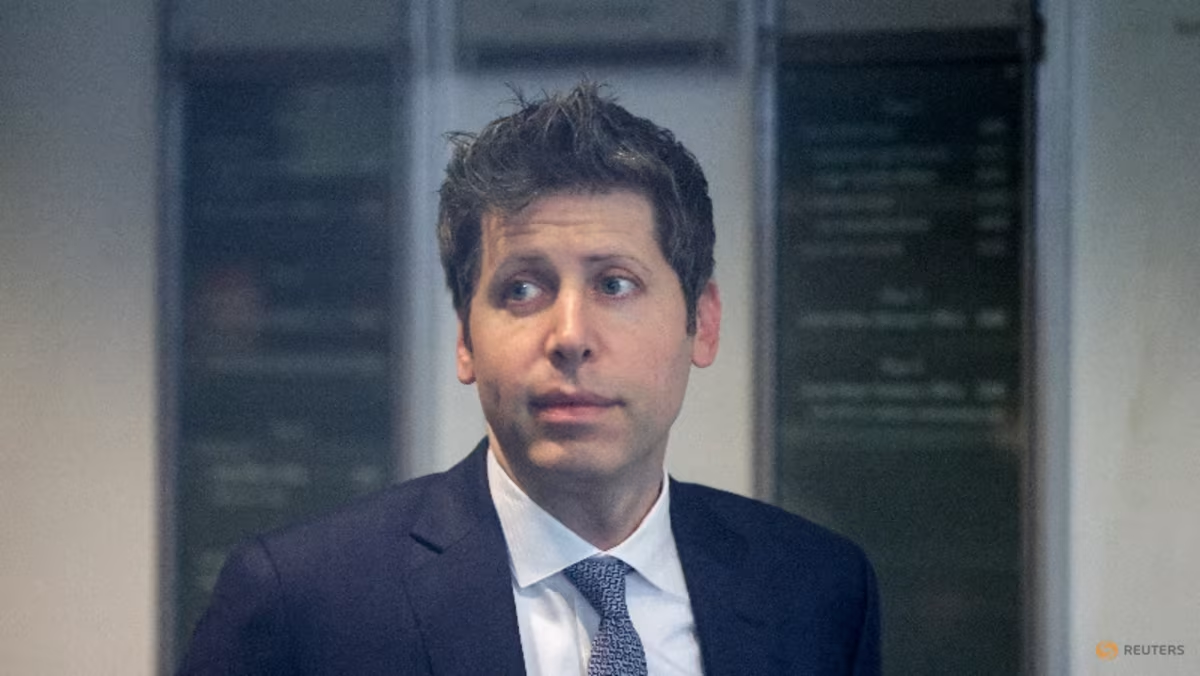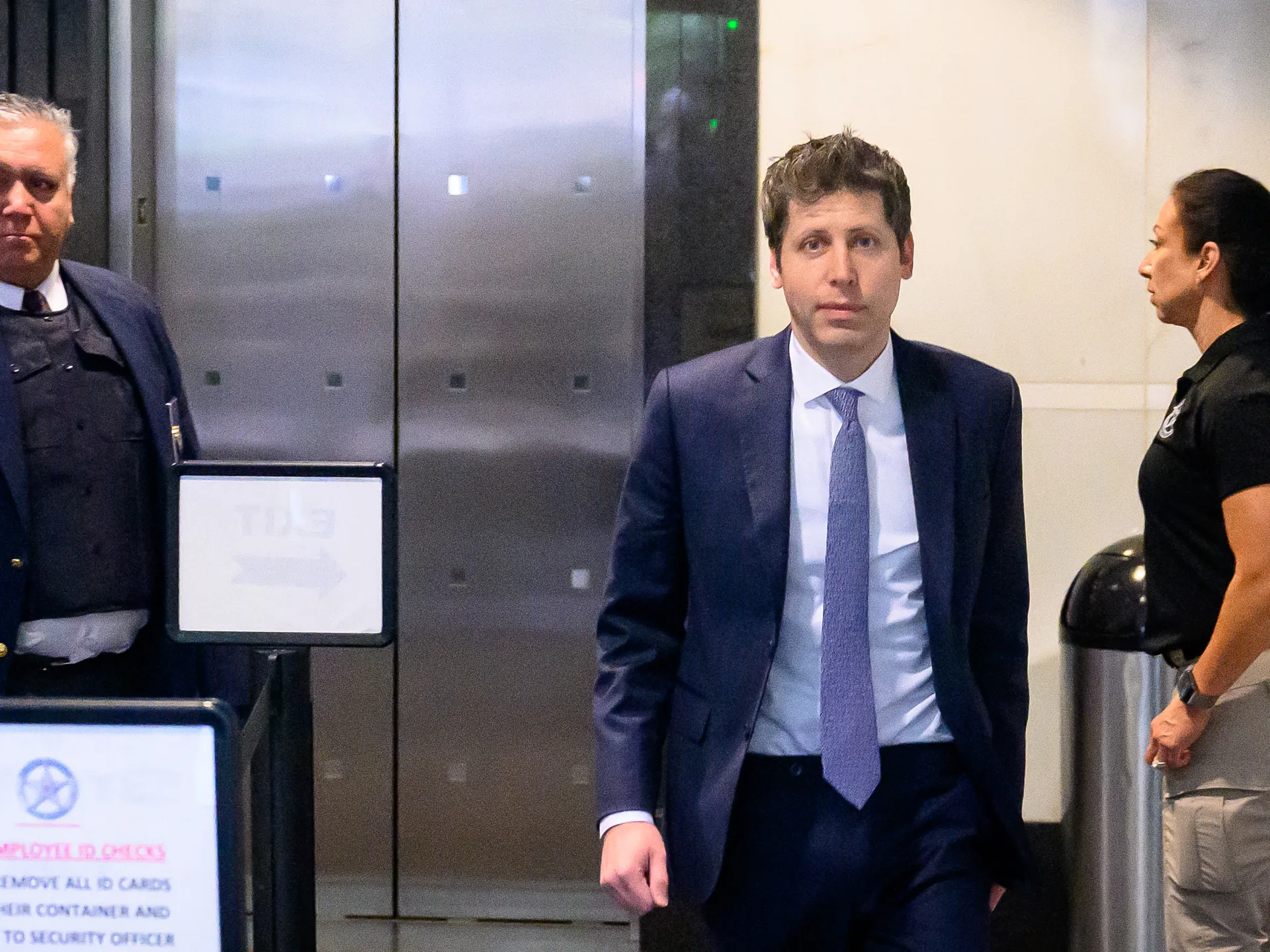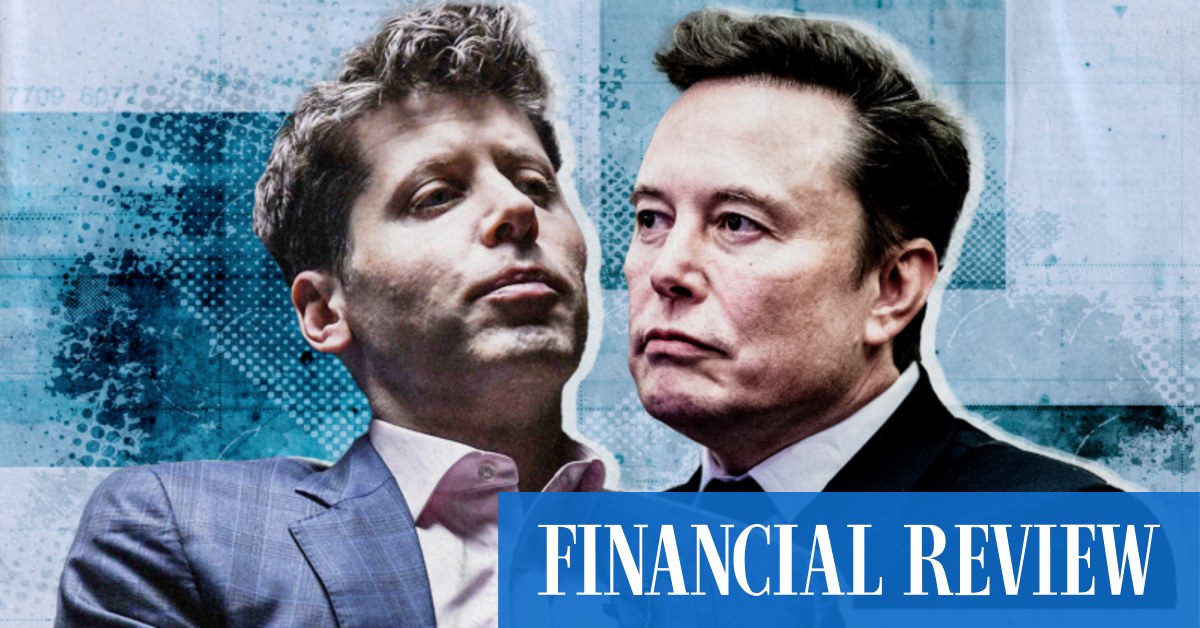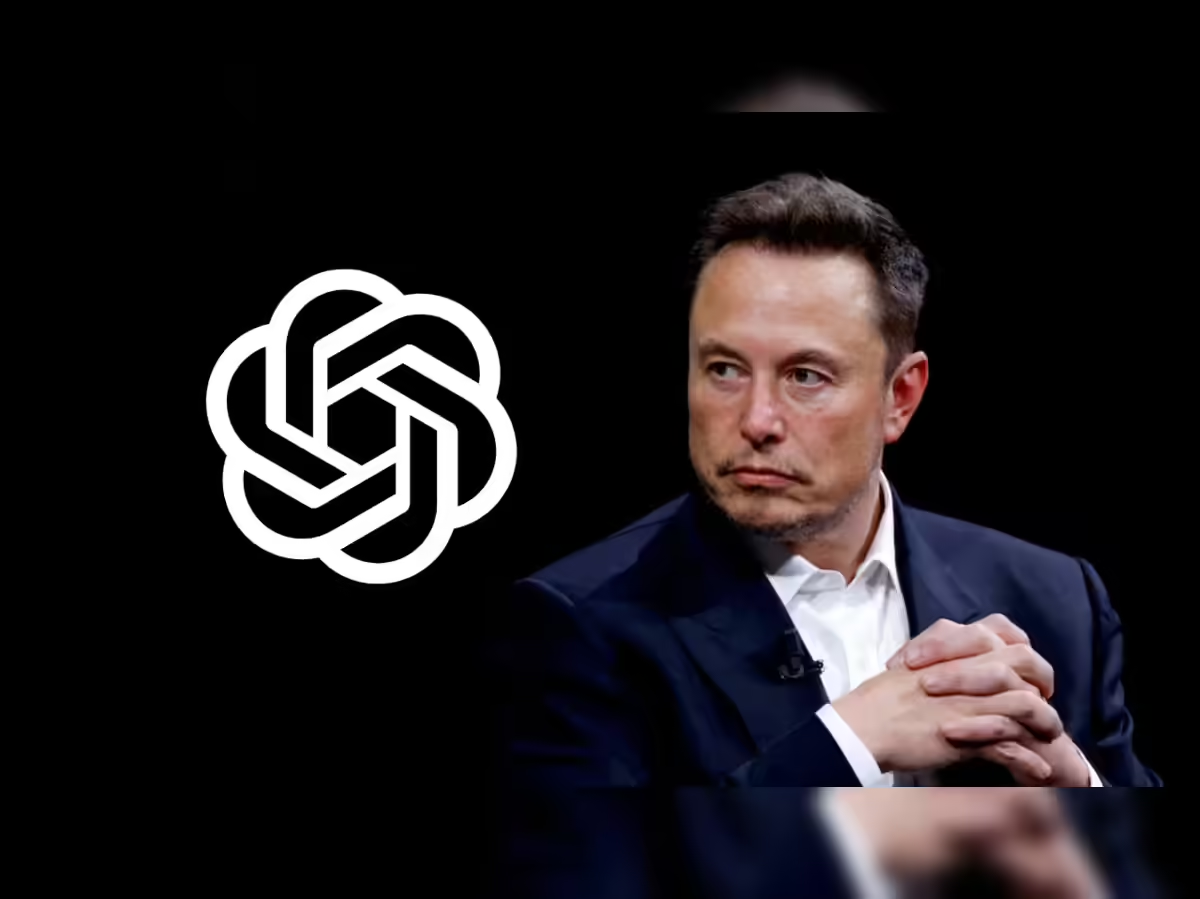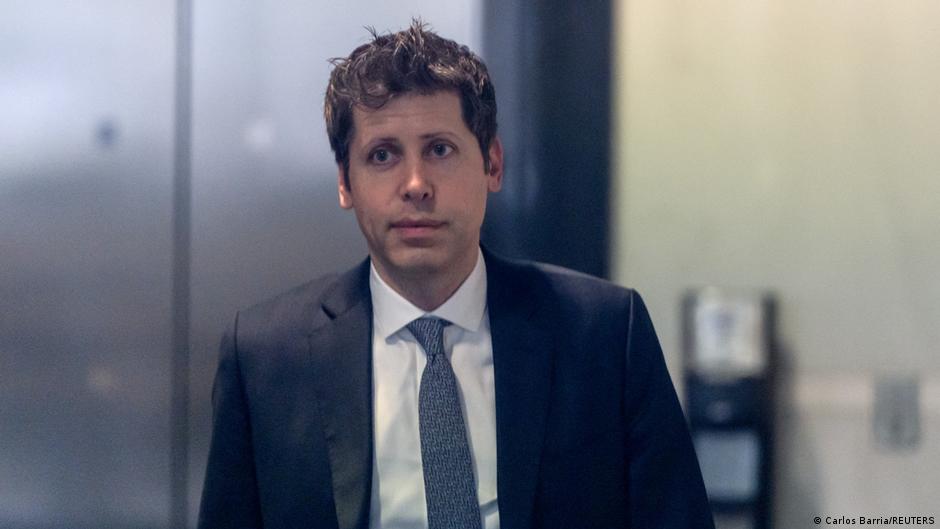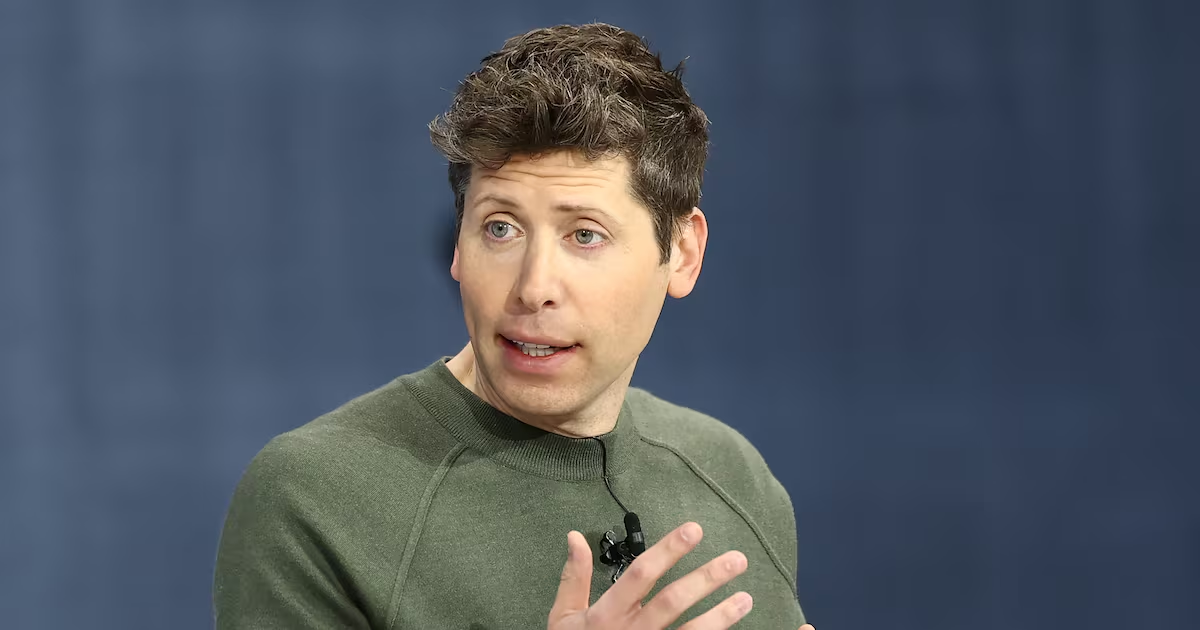
Sam Altman has won his legal battle with Elon Musk, but the trial has added to reputational concerns ahead of OpenAI’s potential trillion-dollar IPO (initial public offering). Musk argued that OpenAI, which he helped found and fund, had betrayed its original non-profit mission by evolving into a profit-driven company tied to Microsoft. A jury dismissed the case after ruling he had waited too long to sue. So OpenAI is now essentially free to go public, and reports suggest a September IPO is coming. However, Altman’s reputation took a battering following a recent and decidedly unflattering New Yorker portrayal. The court case only reinforced this picture, with former colleagues questioning his honesty and leadership, and describing chaos, shifting strategy and mistrust inside the company. Does it matter? No, says Wedbush’s Dan Ives, a high-profile technology analyst, who dismisses the “scrapes and bruises” on Altman’s reputation as secondary noise. He argues the legal risk has gone, the IPO path is clear and investor focus will remain on AI growth rather than governance issues. [ The Irish Times view on Elon Musk vs OpenAI: unsettling insights into the futureOpens in new window ]Perhaps, although Altman’s public brand was never “visionary engineer” in the mould of Musk, but that of the calm steward, the thoughtful technocrat, the responsible and well-connected adult. That perception matters because OpenAI needs investors to keep the faith, with internal forecasts reportedly suggesting an astonishing cash burn of up to $665 billion ($573 billion) before turning profitable in 2030.With Musk’s SpaceX set for a $1.75 trillion June blockbuster IPO and $900 billion AI rival Anthropic also preparing to go public later this year, competition for investor capital is heating up. Musk may have lost in court, but he could still have succeeded in muddying perceptions around Altman at precisely the wrong moment.
Sam Altman under scrutiny as OpenAI heads for IPO
ChatGPT group founder’s reputation has taken a battering in a courtroom battle that was ultimately decided on a technicality
302 words~1 min read