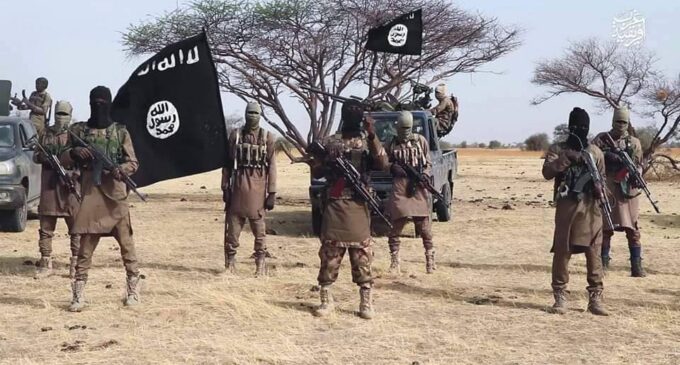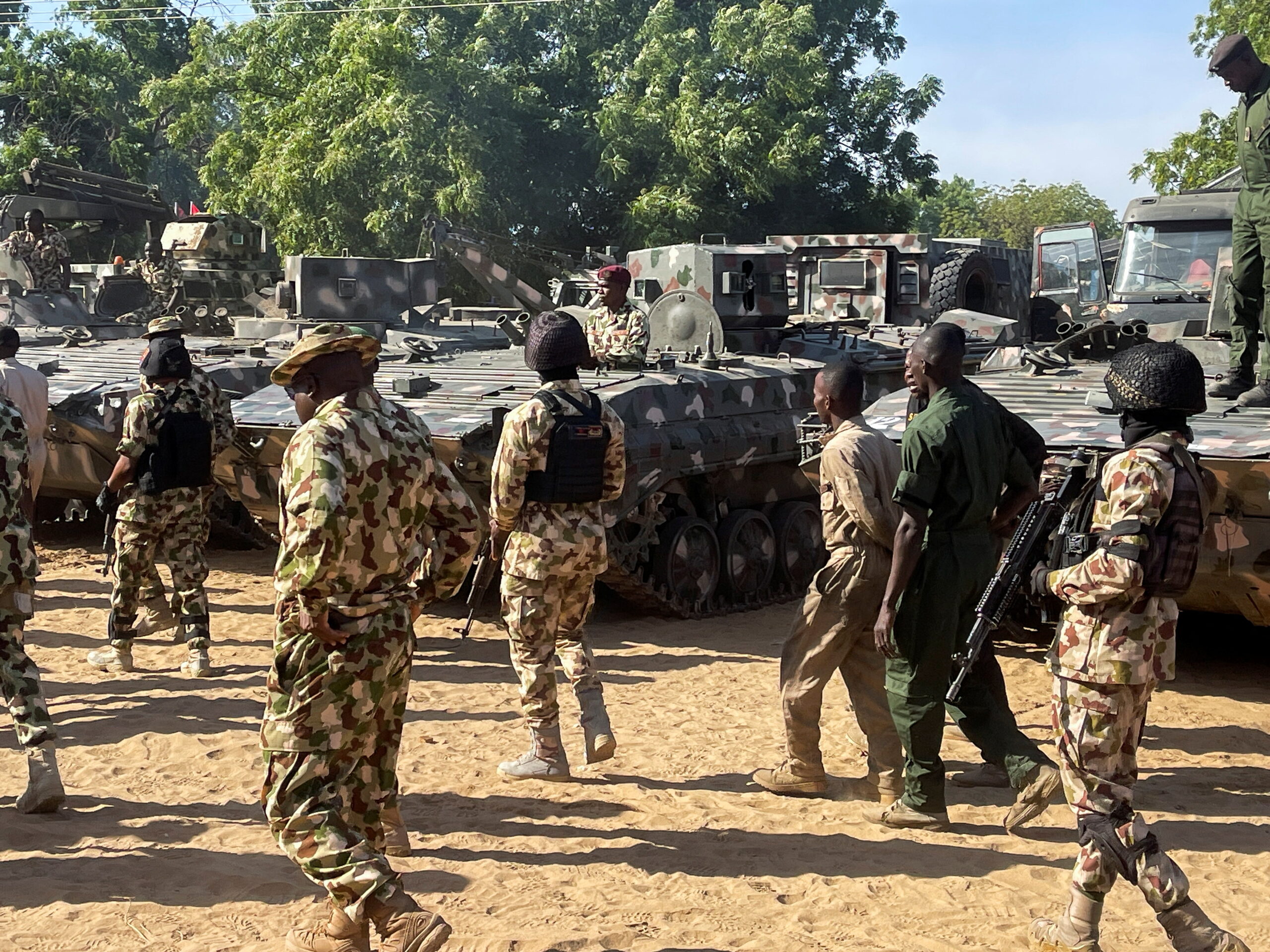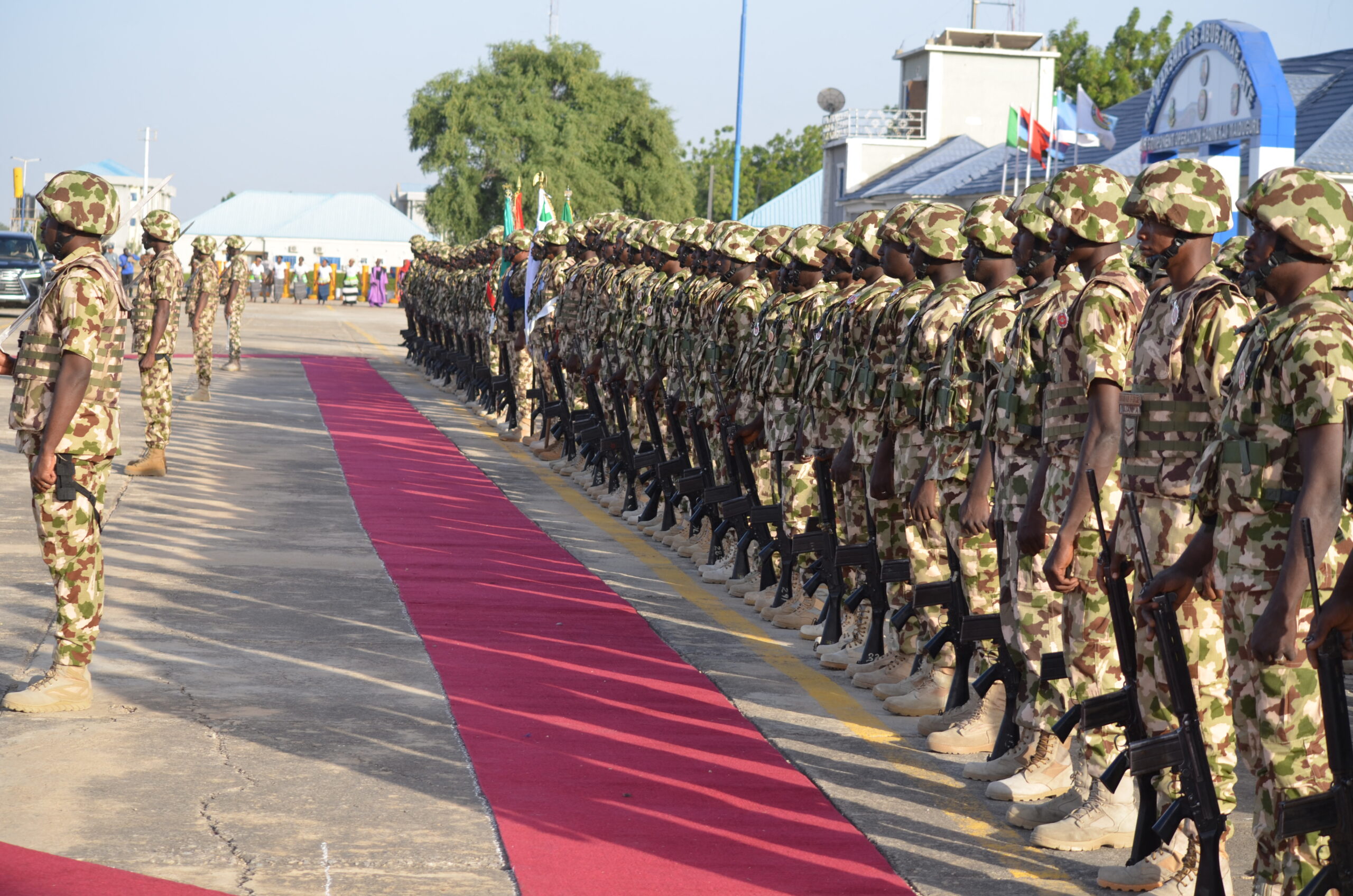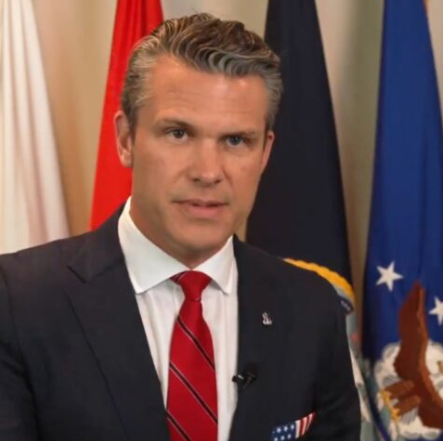
adsThe reported killing of Abu-Bilal Al-Minuki, a senior commander of the Islamic State West Africa Province (ISWAP), has become an unintended demonstration of a deeper epistemic condition in the contemporary information order. What appears on the surface as a counter-terrorism update has, beneath its procedural framing, evolved into a multi-layered struggle over truth, authority, and narrative ownership. Three competing accounts now circulate around a single event: an earlier claim that Al-Minuki had already been killed in 2024; a United States narrative that attributes the operation to presidential command authority; and a Nigerian government position that insists on a verified, intelligence-driven joint operation with US forces. Yet, the significance of this episode lies not in resolving which version is correct. Its importance lies in what it reveals about the structure of truth itself in the information age. It demonstrates, with unsettling clarity, the conceptual thesis that now anchors this inquiry: facts no longer function as stable empirical entities. They circulate instead as contested ideological artifacts, continuously mediated by power, politics, institutional interests, and propaganda systems. In other words, facts no longer travel alone. They move with escorts. These escorts – state sovereignty, geopolitical ambition, media framing, digital amplification, and institutional credibility – shape not only how facts are interpreted but whether they are believed at all. The Al-Minuki case is therefore not simply a security story. It is a discourse event in which competing regimes of truth struggle for dominance.
Triangular narratives of Al-Minuki and escorts of truth - Businessday NG
The reported killing of Abu-Bilal Al-Minuki, a senior commander of the Islamic State West Africa Province (ISWAP), has become an unintend...
1,954 words~9 min read