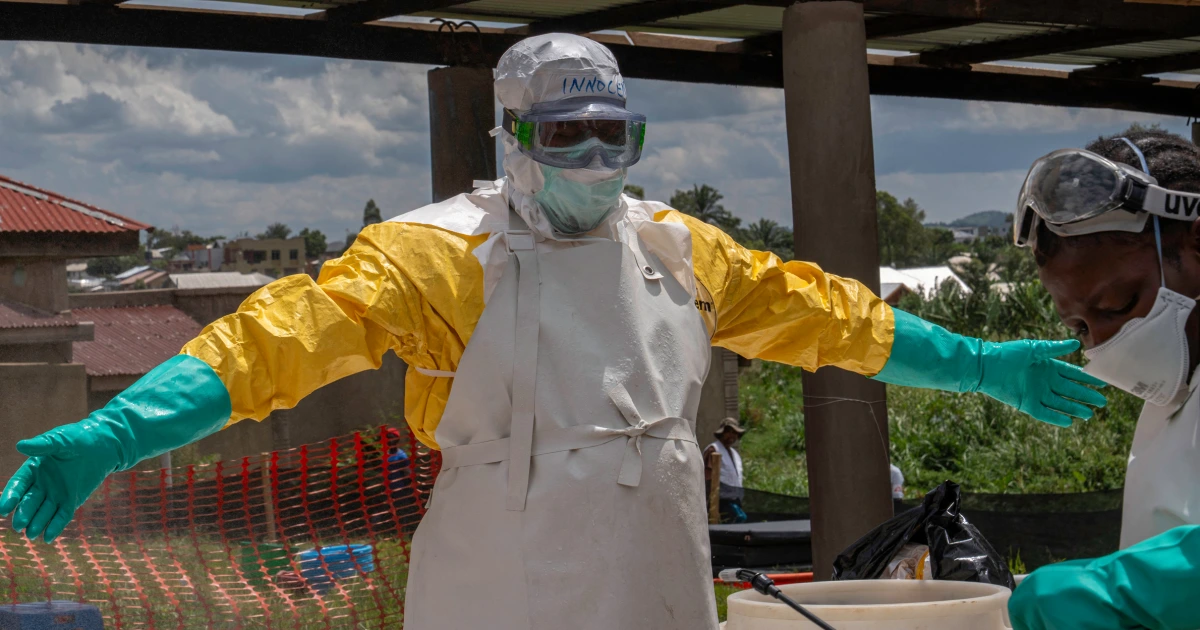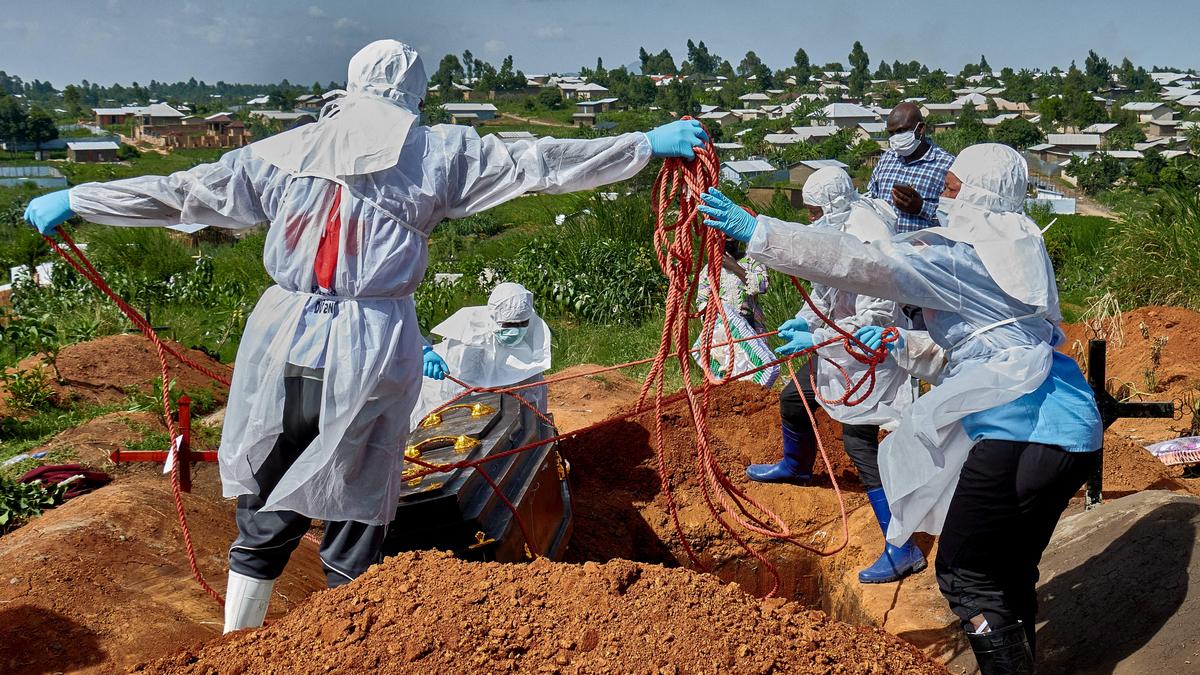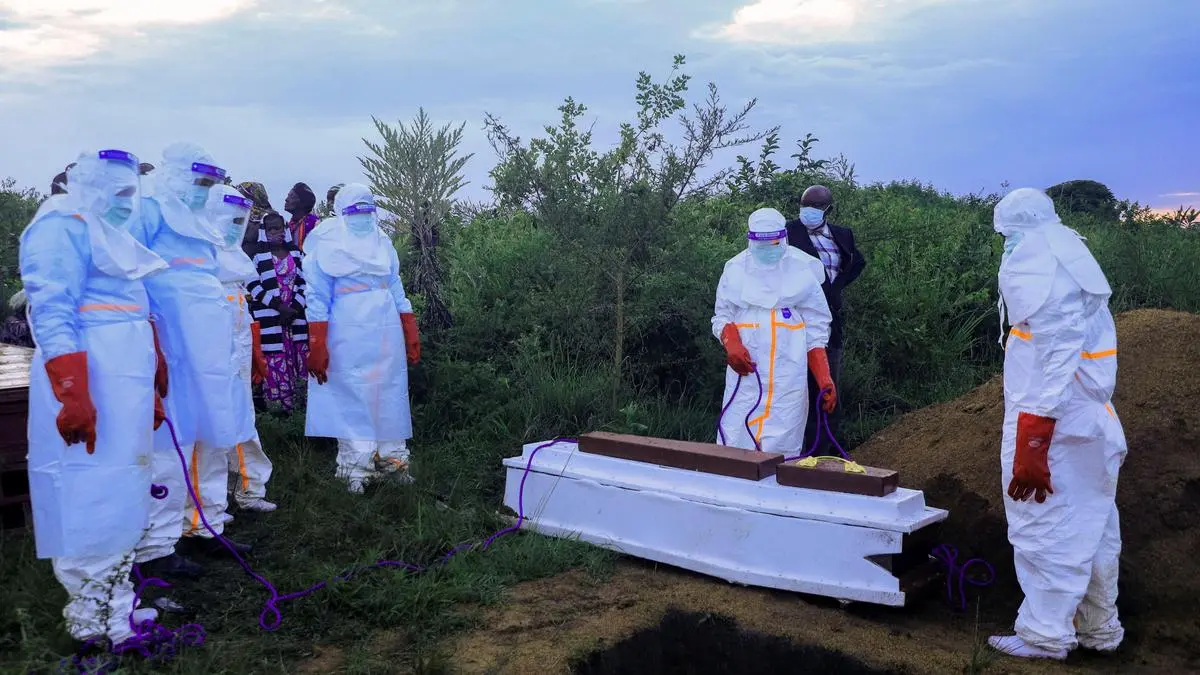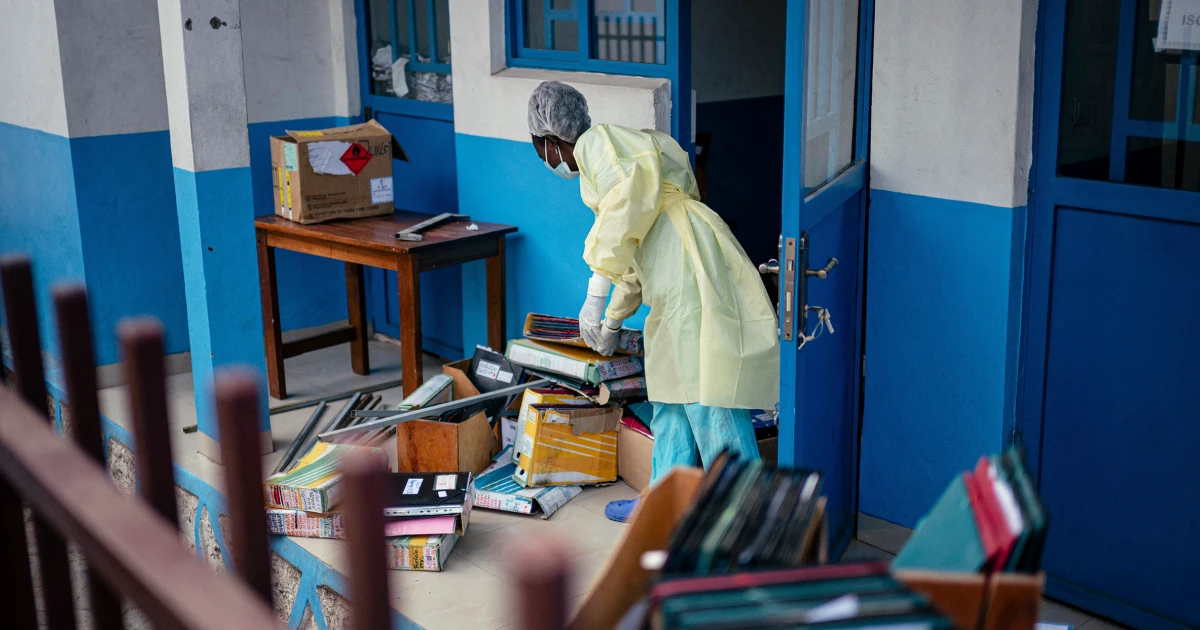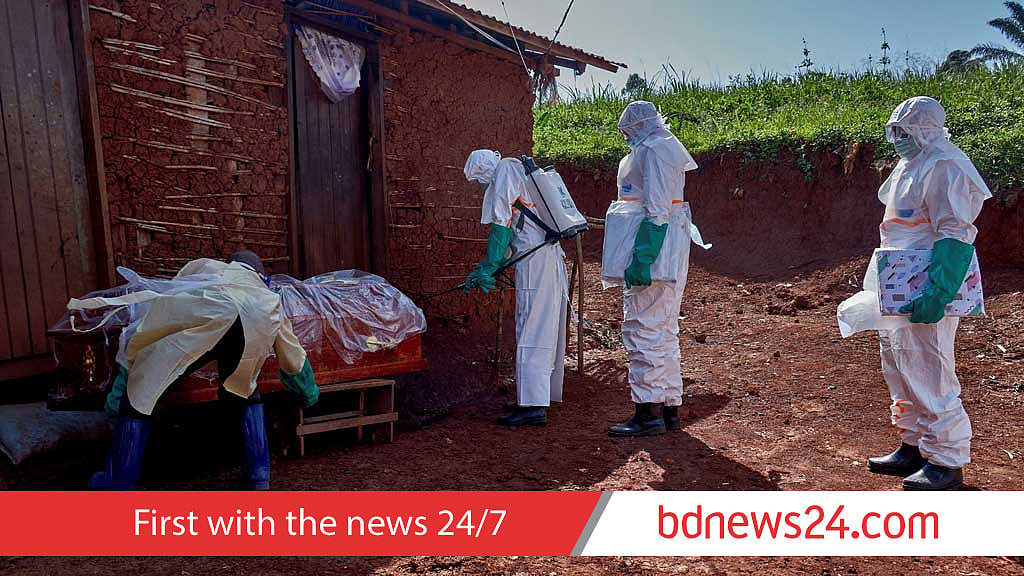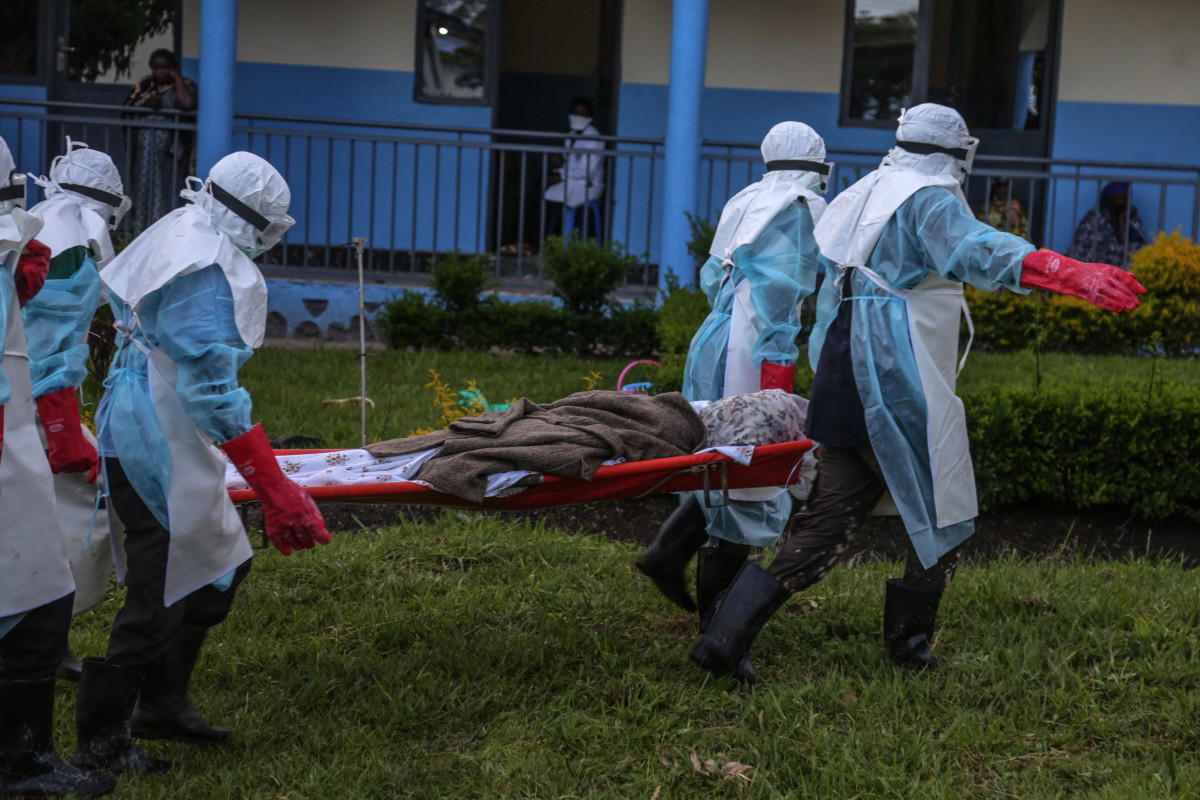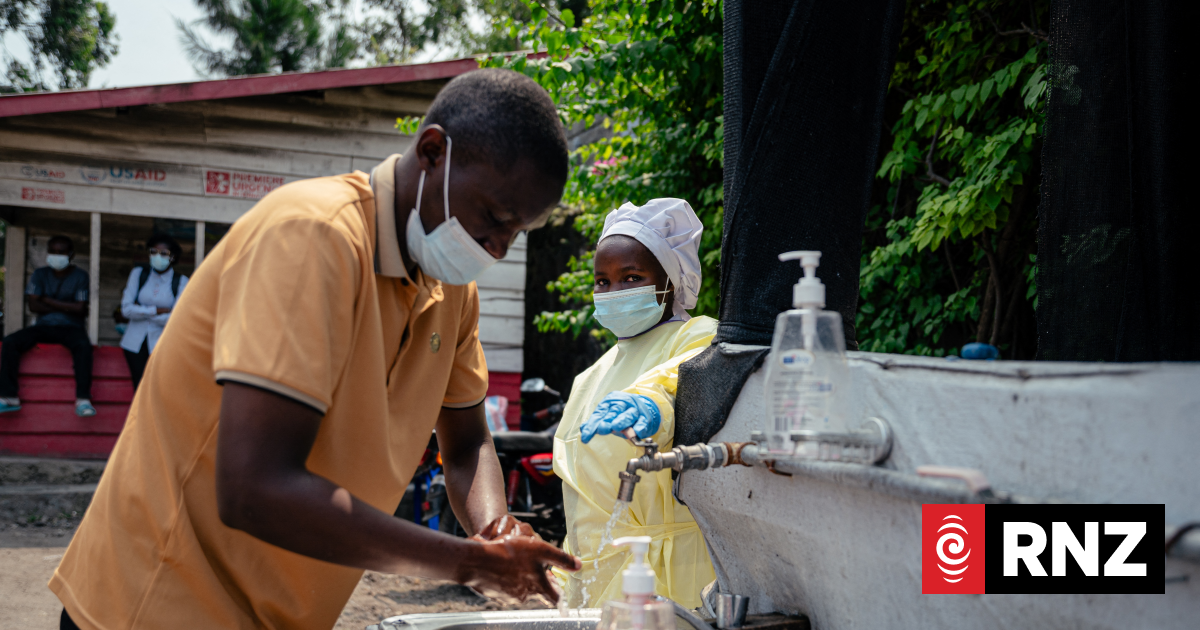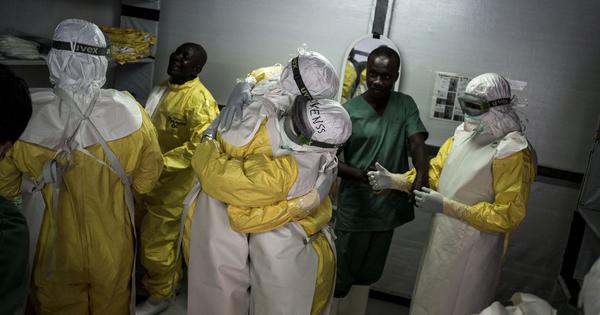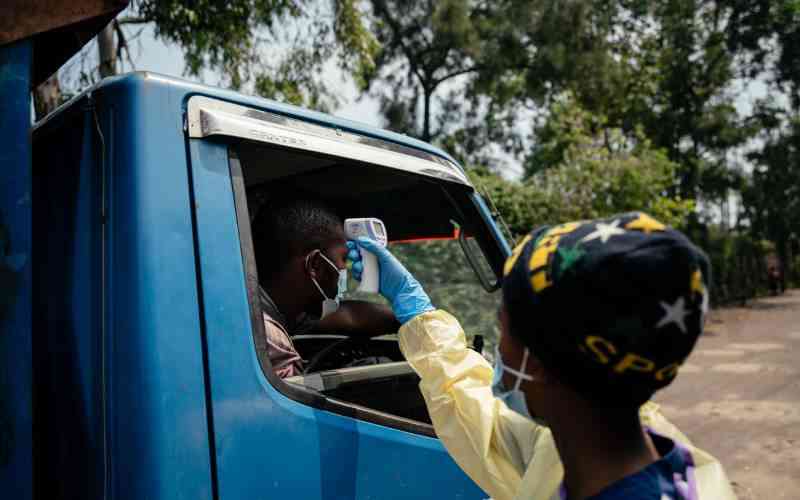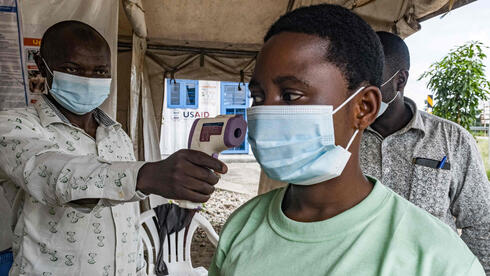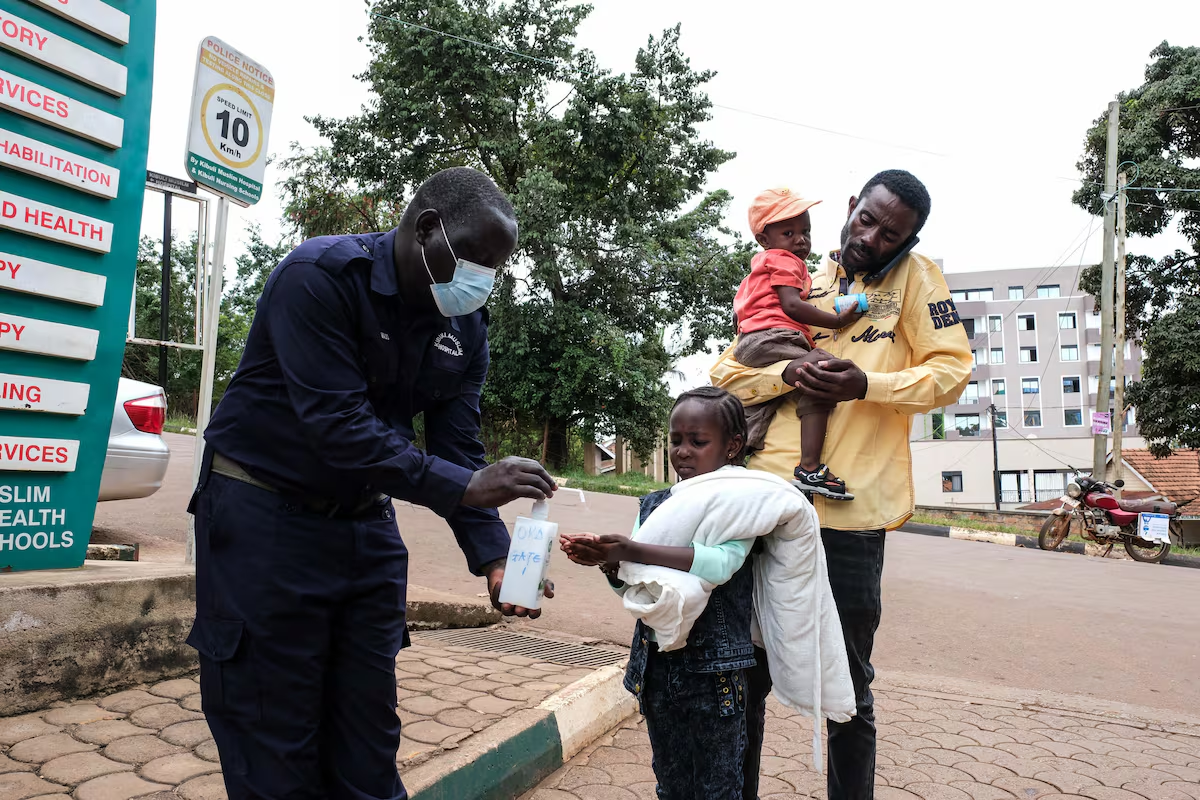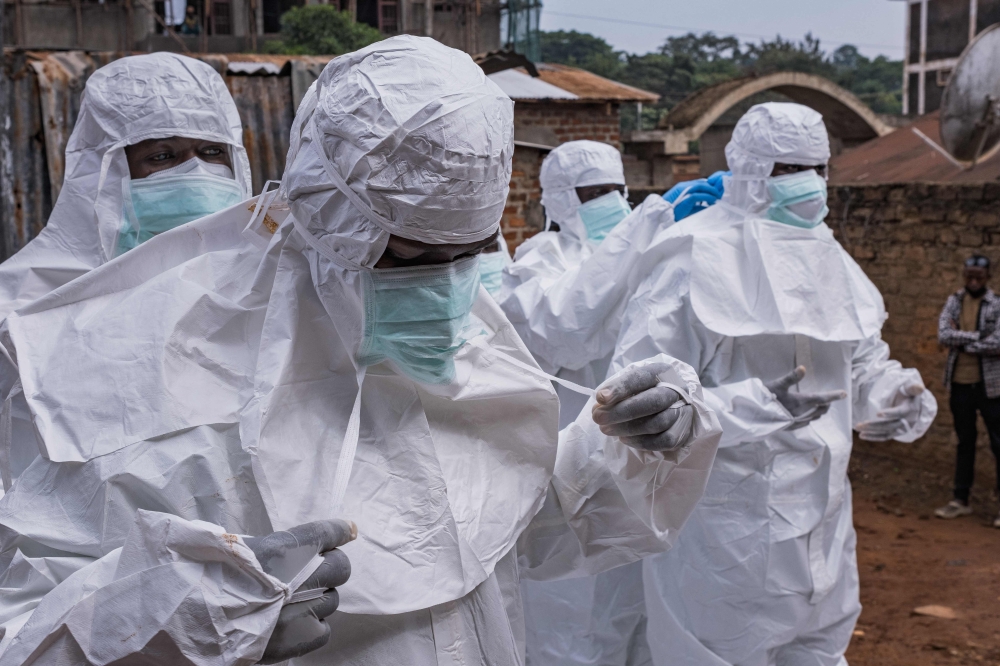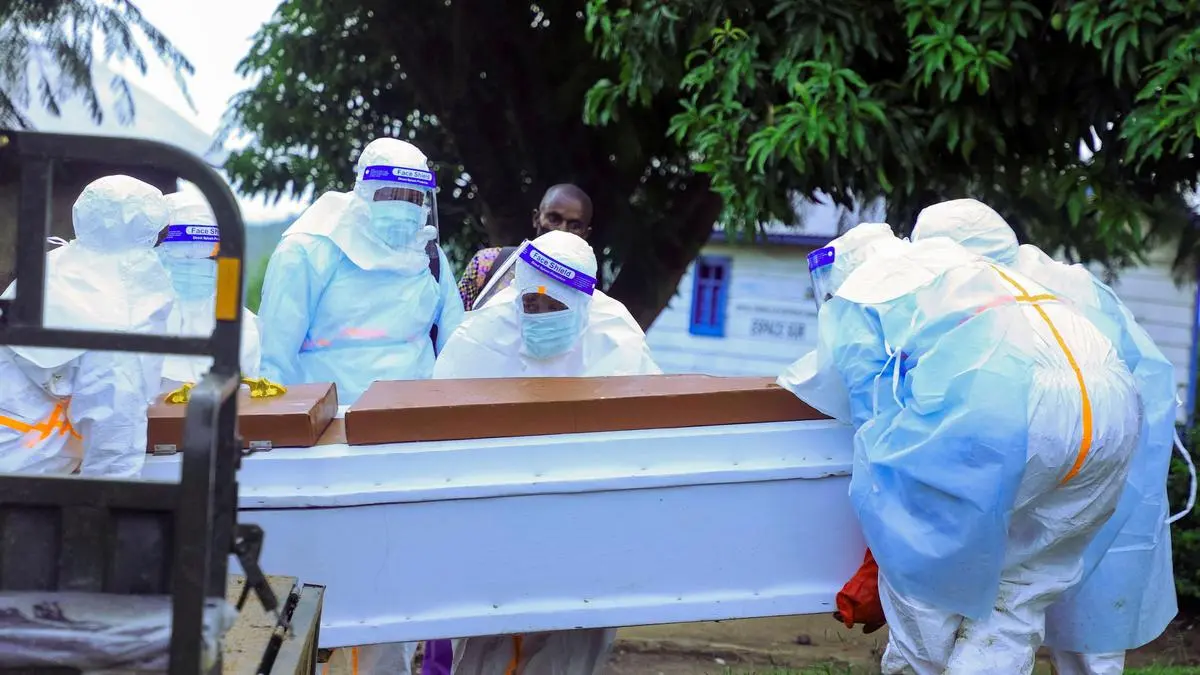
Congolese medical workers wearing personal protective equipment (PPE) load a coffin of a patient that died of Ebola on a mobile trailer at the Rwampara General Hospital as authorities intensify efforts to contain a new Ebola outbreak involving the Bundibugyo strain outbreak in Rwampara outside Bunia, Ituri province, Democratic Republic of Congo, May 21, 2026. REUTERS/Stringer
| Photo Credit:
The Centre has advised Indian citizens to avoid non-essential travel to the Democratic Republic of Congo (DRC), Uganda and South Sudan, after the Africa Centres for Disease Control and Prevention (Africa CDC) also declared a Public Health Emergency of Continental Security.About a week ago, the World Health Organization (WHO) had labelled Ebola a pubic health emergency of international concern – its highest level of alarm, but stopped short of calling it a pandemic.The Centre’s latest advisory comes close on the heels of its last one, calling for the screening of passengers from these regions, at the portsof entry. Travellers showing symptoms being asked to present themselves to health authorities.“India has not reported any case of Ebola Disease caused by the Bundibugyo virus strain,” the Union Health Ministry said. But, following the evolving situation in the DRC and other affected countries.In line with WHO’s recommendations, “Government of India advises all Indian citizens to avoid non-essential travel to the Democratic Republic of the Congo, Uganda and South Sudan until further notice,” the Union Health Ministry said, on Sunday.“Indian citizens currently residing in or travelling to these countries are advised to strictly follow public health guidance issued by local authorities and maintain heightened precautions,” it added.Public health emergencyFollowing reports of outbreak of Ebola in (DRC) and Uganda, the WHO under the International Health Regulations (IHR), 2005, had on May 17th, 2026, determined the situation to be a PHEIC.Subsequently, the Africa CDC also officially declared the ongoing outbreak of Bundibugyo strain Ebola virus disease affecting the two regions as a Public Health Emergency of Continental Security (PHECS), the Indian Health Ministry said. On May 22, 2026, the WHO IHR Emergency Committee issued temporary recommendations to strengthen disease surveillance at points of entry to “detect, assess, report and manage travellers with unexplained febrile illness arriving from areas with documented Bundibugyo virus detection” while also “discouraging travel to areas with documented Bundibugyo virus detection”, it explained.Countries bordering the DRC and Uganda, including South Sudan, were assessed as being at high risk of disease transmission, it added.Ebola is a viral haemorrhagic fever caused by the Bundibugyo virus strain of the Ebola virus, and it has a high mortality rate.No vaccines or specific treatments have been approved to prevent or treat the disease caused by this strain. Symptoms include fever, headache and unexpected bleeding, among others; and it transmits through human contact with a body or bodily fluids of people suspected of having Ebola.People showing symptoms in 21 days of travel from the region have also been asked to contact local health authorities.More Like ThisPublished on May 24, 2026