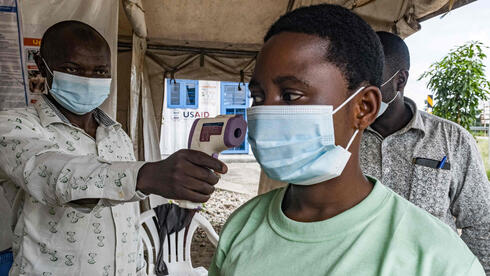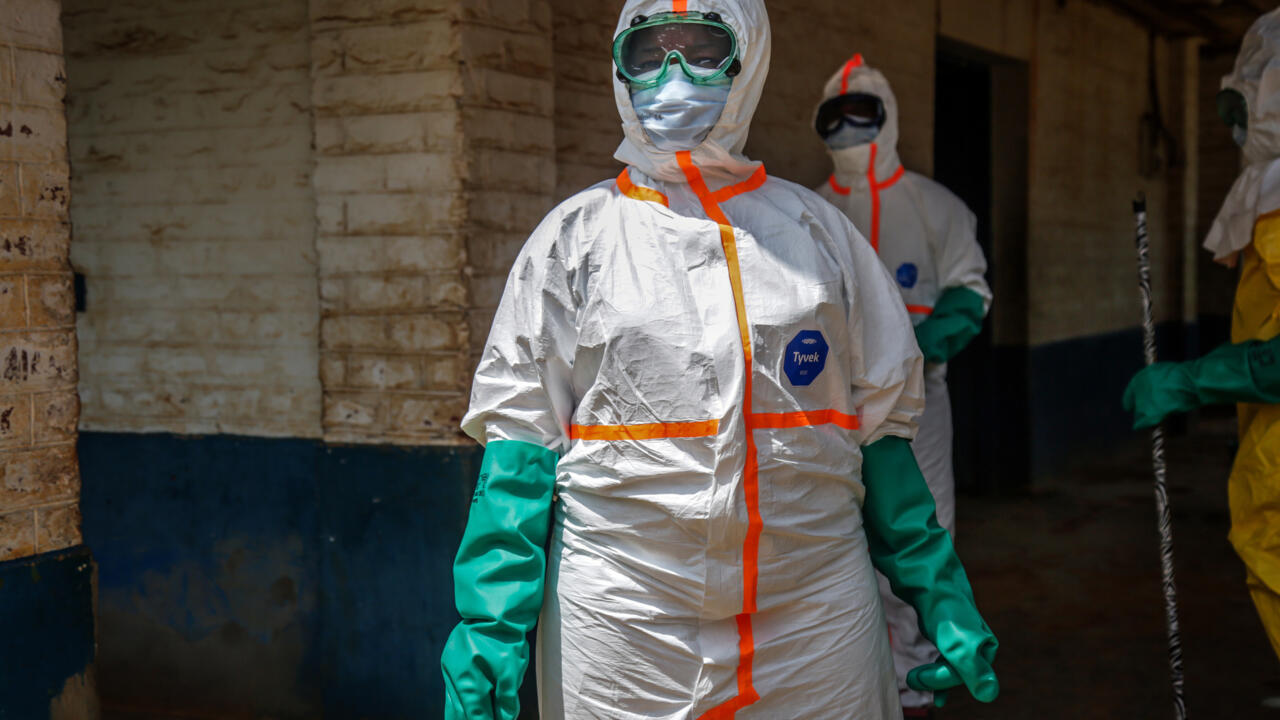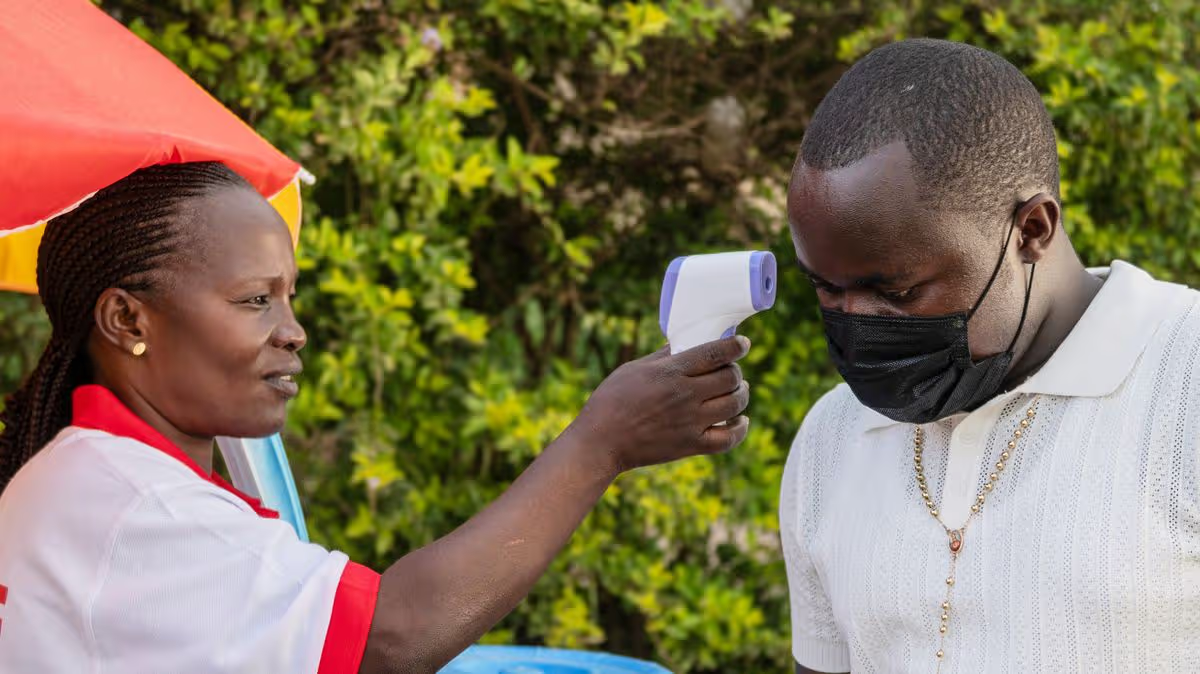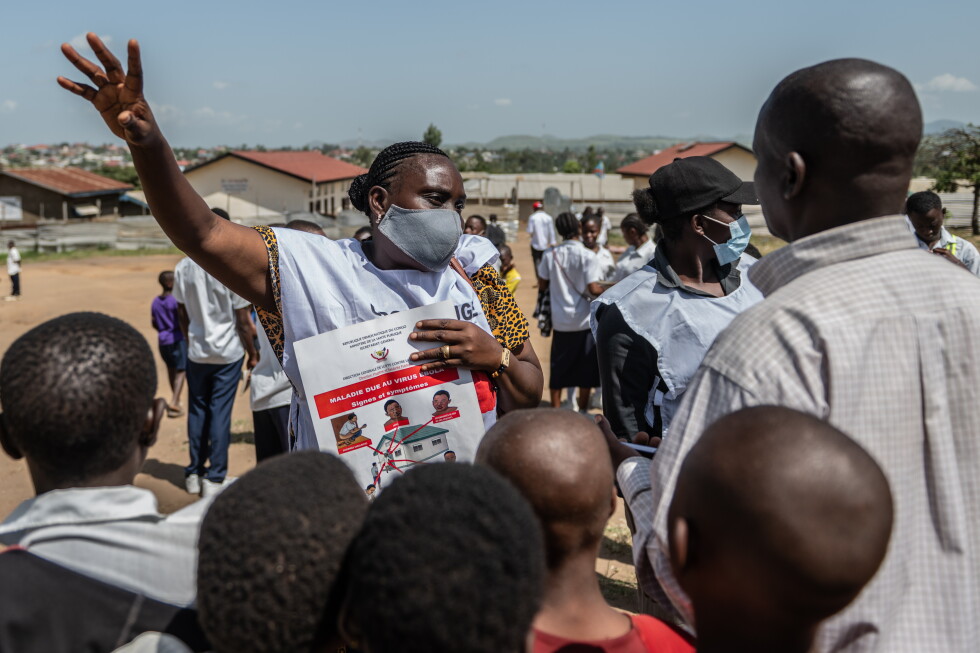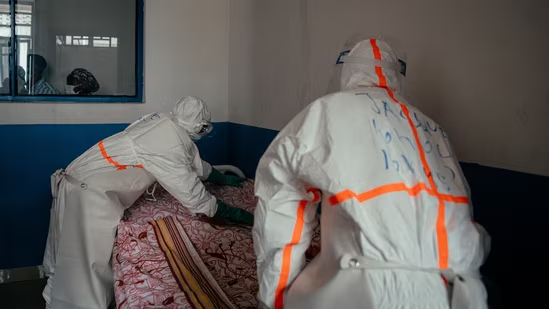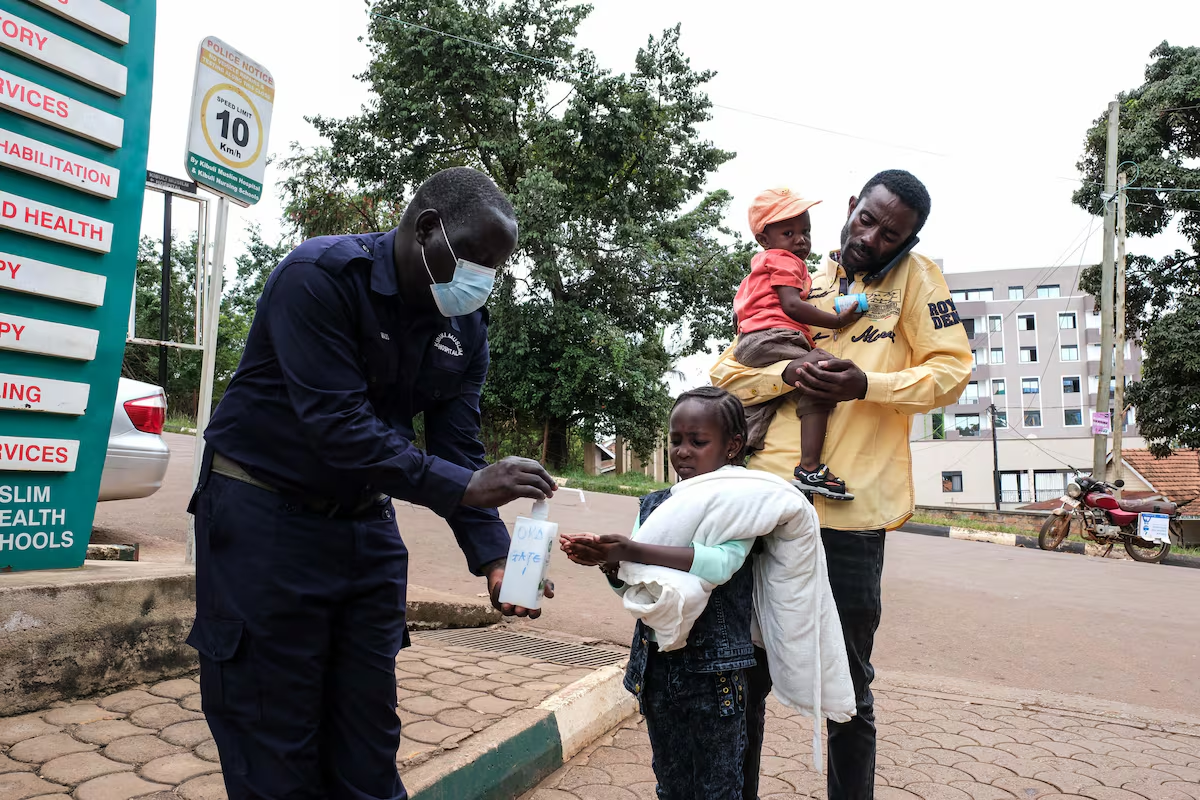
Hélène Akilimali says she’s taking every precaution against contracting Ebola, including always wearing a face mask in public. But her work as a cocoa seller in eastern Democratic Republic of Congo (DRC) - the epicenter of the latest outbreak - brings her into daily contact with other people, some of whom doubt the disease is even real, and she has no control over how they behave.
“Ebola is a real disease. People need to stop deluding themselves,” said Akilimali, cautioning that misinformation, myths about the virus and lax attitudes are killing people.
“I always wear my face mask. But as for the customers, when they come, they may or may not be wearing face masks,” Akilimali told a journalist on the ground working on behalf of CNN. “You’re not going to chase them away.”
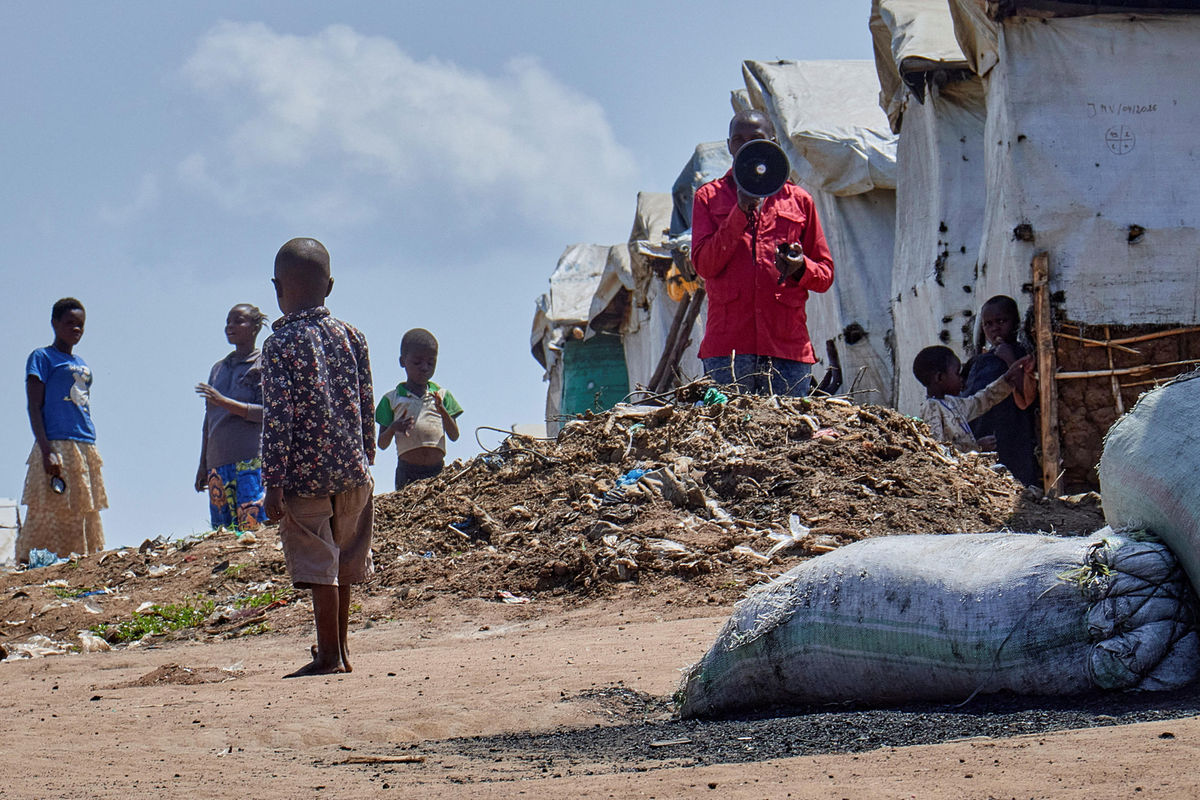
Locals in Ituri and North Kivu, the two provinces most heavily impacted by the outbreak, say they are not only contending with the delayed response to the epidemic, but also with health misinformation and a cavalier attitude towards face masks in their communities.
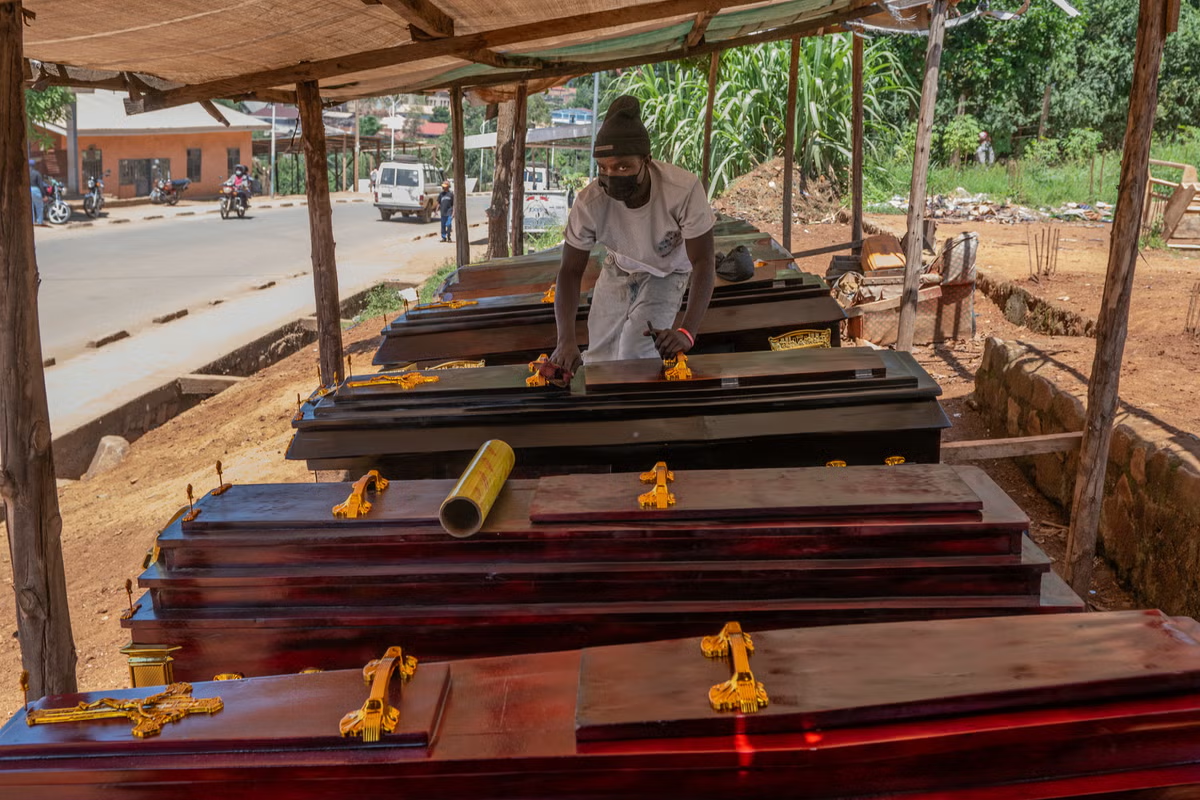
“As we see people dying, we used to think it was a joke, but now we can see that it’s real,” said Élie Ilunga, a resident of the city of Bunia, the capital of Ituri Province. “The disease is definitely here.”