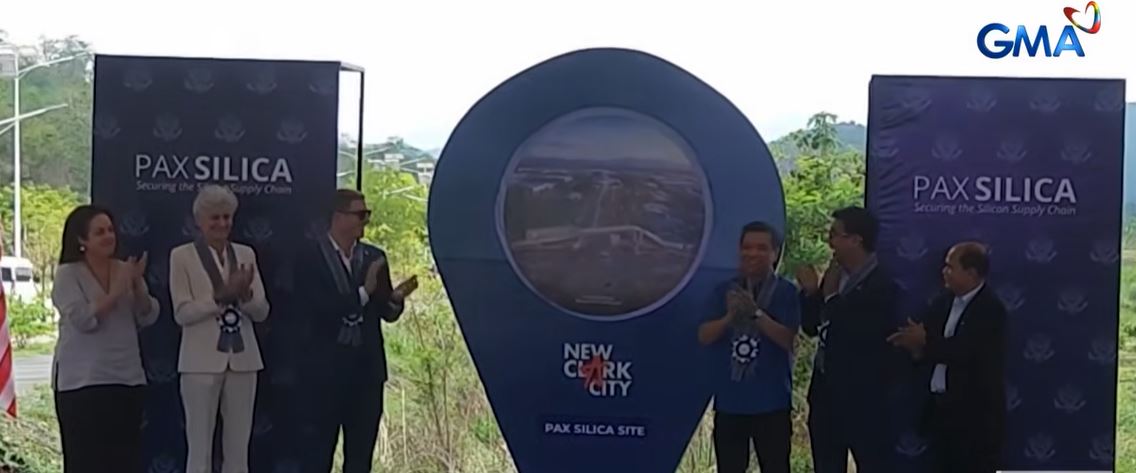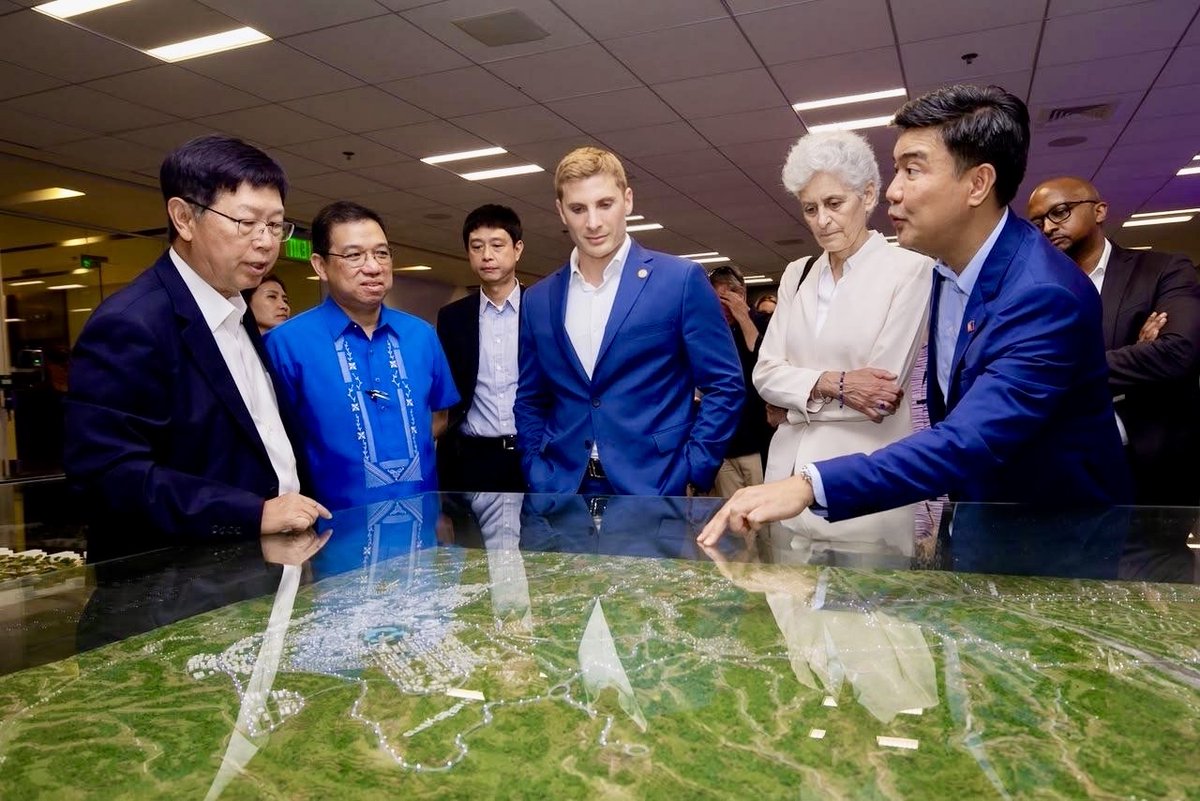
A US plan to build an “AI-native” industrial hub in the Philippines has highlighted the political sensitivities around Washington’s push to secure critical technology supply chains, after Manila rejected proposals for the zone to be governed by US laws or covered by diplomatic protections.Philippine officials said the planned economic security zone under Washington’s Pax Silica initiative would remain covered by local laws, clarifying that there would be “no special arrangement” for the US-backed project.Analysts say the dispute points to a broader challenge: whether the Philippines can offer investors enough certainty while overcoming the infrastructure, bureaucratic and geopolitical hurdles that have long hindered foreign investment.During a visit to the proposed site on May 15, Joshua Bingcang, president and chief executive of the Bases Conversion and Development Authority, told local media that US officials had requested that the zone be placed under US jurisdiction, “but we did not agree to that”.A toll booth at the Clark Freeport Zone in the Philippines. Photo: HandoutThe 1,620-hectare (4,000-acre) industrial hub in New Clark City, 100km (60 miles) north of Manila, is part of the wider Luzon Economic Corridor. The connectivity project by the US, Japan and the Philippines across four cities on the island is projected to generate US$100 billion for the local economy.Bingcang further confirmed that “no special arrangement” would be accorded to the US, in response to a Wall Street Journal report on April 17 that claimed the hub would be covered under diplomatic protections.
US tech supply chain hub tackling China hits Philippine sovereignty wall
Manila pushes back against reports that a US-backed AI industrial hub will come under US laws and diplomatic protections.
242 words~1 min read