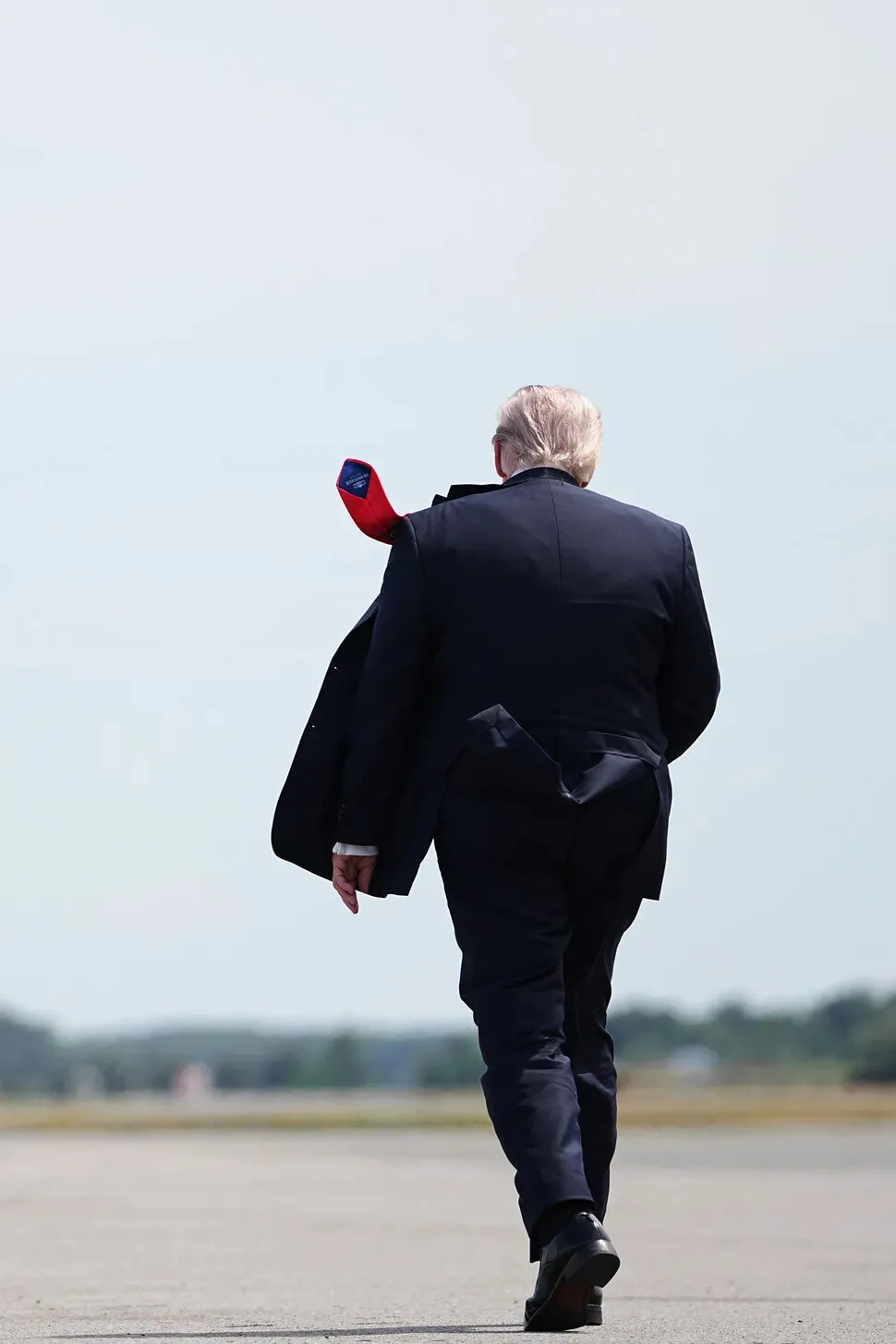
US President Donald Trump walks toward Marine One after deplaning from Air Force One at Ocala International Airport in Florida on May 1, 2026. (AP/Yonhap)
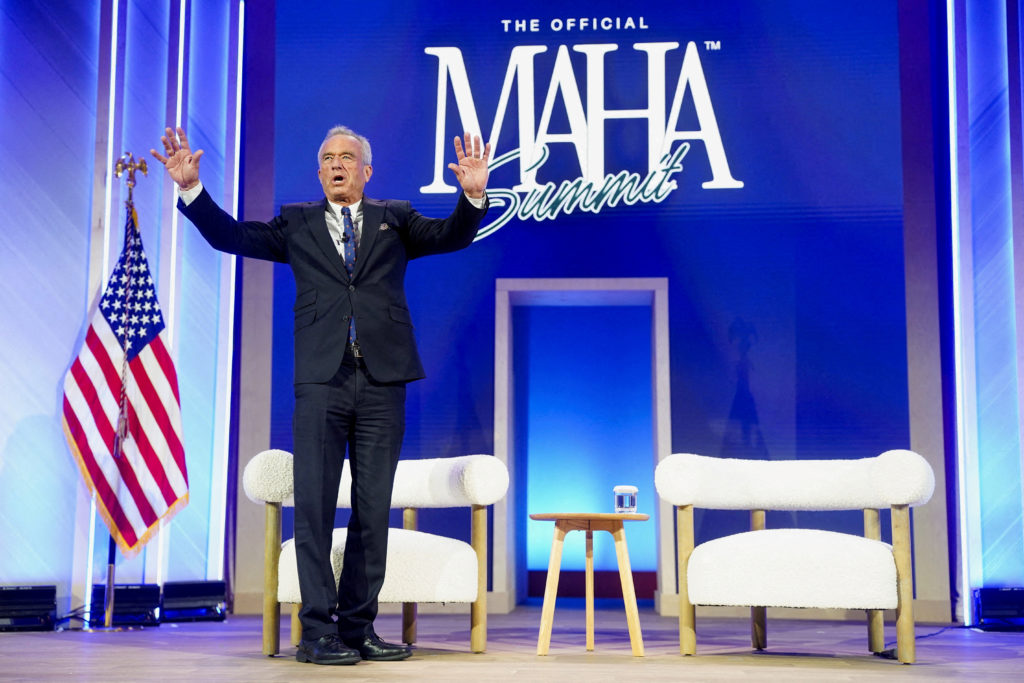
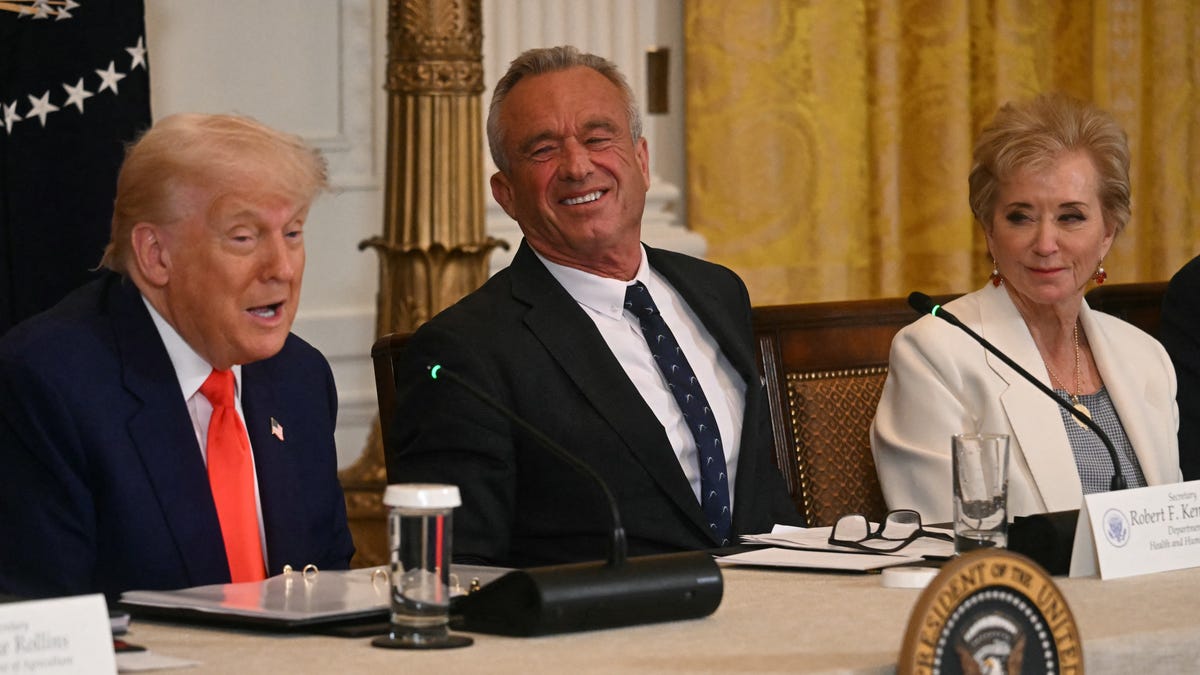
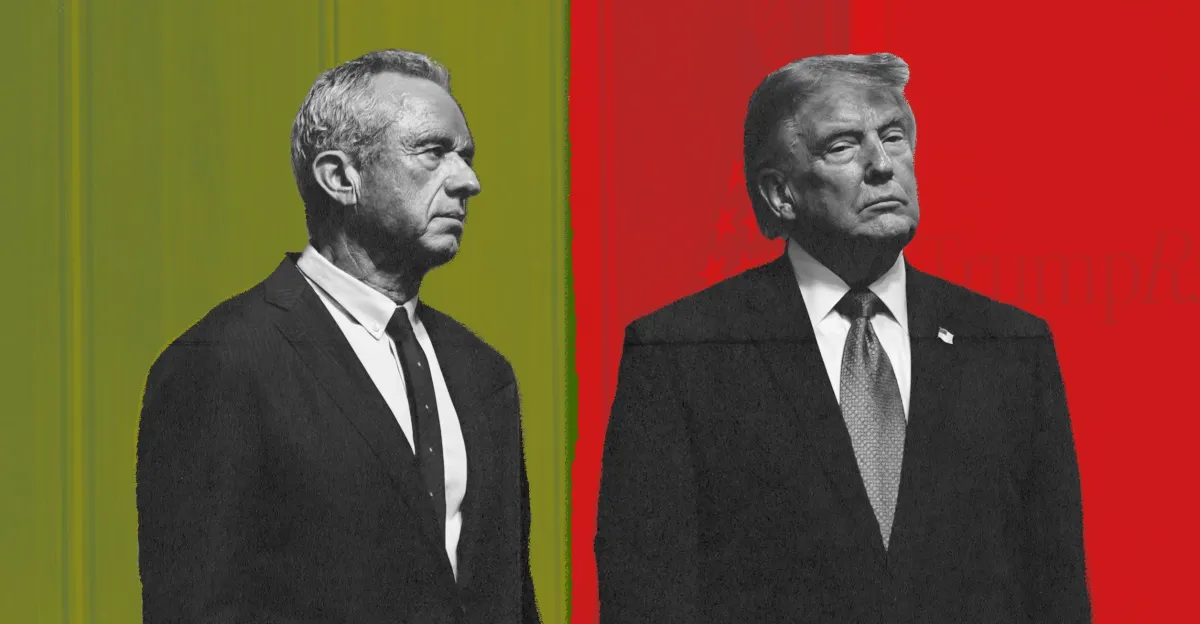
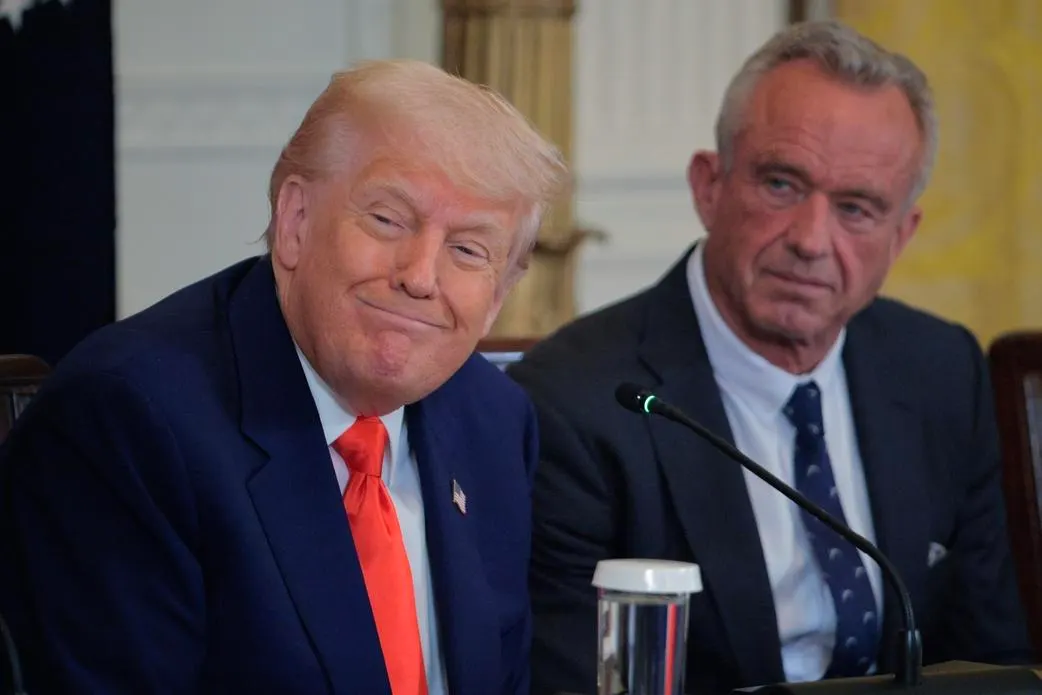
On April 17, the Trump-supporting Make America Healthy Again, or MAHA, movement exploded in anger online after US Secretary of Health and Human Services Robert F. Kennedy Jr. posted a message supporting Erica Schwartz, whom Trump had nominated to lead the Centers for Disease Control and Prevention (CDC). Schwartz is a physician who previously supported mandatory military vaccination, making her appointment a betrayal in the eyes of the vaccine-skeptical MAHA movement.“The Trump admin is obviously killing MAHA,” one commenter wrote. “Y’all are going to need us MAHA people in the midterms. But lately there are a lot of decisions being made that seem to indicate you don’t care about our votes,” another wrote. Late last month, Trump nominated Casey Means, a symbolic figure of the MAHA movement and a close associate of Kennedy’s, as director of the CDC’s Office of Public Health. After her Senate confirmation was delayed, however, the president instead nominated Nicole Saphier, a radiologist who works as a medical commentator for Fox News. Saphier previously criticized Kennedy’s health policies as “chaos,” and reports say Kennedy had nearly no prior consultation on her nomination.The uneasy alliance between the MAHA and MAGA movements is starting to crack. Trump’s 2024 campaign promise to give Kennedy “full authority” over public health is increasingly being overshadowed by political calculations ahead of the November midterms.From the outset, the alliance between Trump and the Kennedy camp in the last election was unusual. Kennedy, an environmental lawyer from a prominent Democratic family, turned to the Trump camp after failing to break into the Democratic mainstream.The wellness movement to which he belonged — largely left-leaning and opposed to vaccines and multinational pharmaceutical companies — eventually aligned itself with the right-wing MAGA coalition.What links the pro-Trump MAGA movement and MAHA, which was alienated from the Democratic Party, is a shared sense of populism and anti-establishment sentiment.The US media outlet Vox said that between 2000 and 2020, the anti-vaccine movement was not linked to a specific party and that if anything, its most vocal figures were concentrated on the left, noting that MAHA was more an “anti-establishment” health movement than a political faction. But MAGA, which traditionally favors shrinking the federal government, and MAHA, which stresses stricter oversight such as regulating ultra-processed foods, limiting pesticide use, curbing pharmaceutical companies, reducing vaccinations and banning artificial dyes, were bound to clash eventually.The MAHA-MAGA conflict hit a boiling point during the recent controversy over herbicide regulation.The former demanded stronger government regulation after identifying the herbicide ingredient glyphosate as the cause of chronic diseases, but Trump sided with the substance’s manufacturer Bayer, citing protection of industry and domestic productivity. In response, MAHA members on April 27 held a protest in front of the Supreme Court in Washington to denounce the Trump administration.CNN said the Trump administration’s successive moves to undermine MAHA stem from cost-benefit calculations going into the midterms. Instead of scaling back vaccinations, a policy that moderates do not favor and that has sparked major social backlash, the administration is shifting its agenda toward topics more likely to appeal to a wider audience such as lowering healthcare costs or regulating ultra-processed foods.MAHAs are pushing back, feeling discarded after serving their purpose. “This coalition is growing rapidly, an incredibly energetic community of parents, farmers, and health advocates, and we are organizing in a way Washington isn’t used to seeing,” said Vani Hari, an activist blogger with the Food Babe blog at an anti-pesticide rally. “Ignoring this ahead of the midterms isn’t just a mistake; it’s a politically shortsighted decision.”The Democratic Party is closely watching MAHA’s defection from Trump’s orbit. Instead of directly attacking Kennedy, Democrats are selectively highlighting issues likely to resonate with MAHA supporters, such as herbicides and lowering healthcare costs.The Hill, an American political news outlet, said MAHA’s agenda has explosive potential in closely contested districts, predicting that if just 5 to 10 percentage points of defecting MAHA votes shift in districts with high concentrations of suburban women, independents, and young voters, two to three House seats could be flipped.By Jung Yu-gyung, staff reporterPlease direct questions or comments to [english@hani.co.kr]