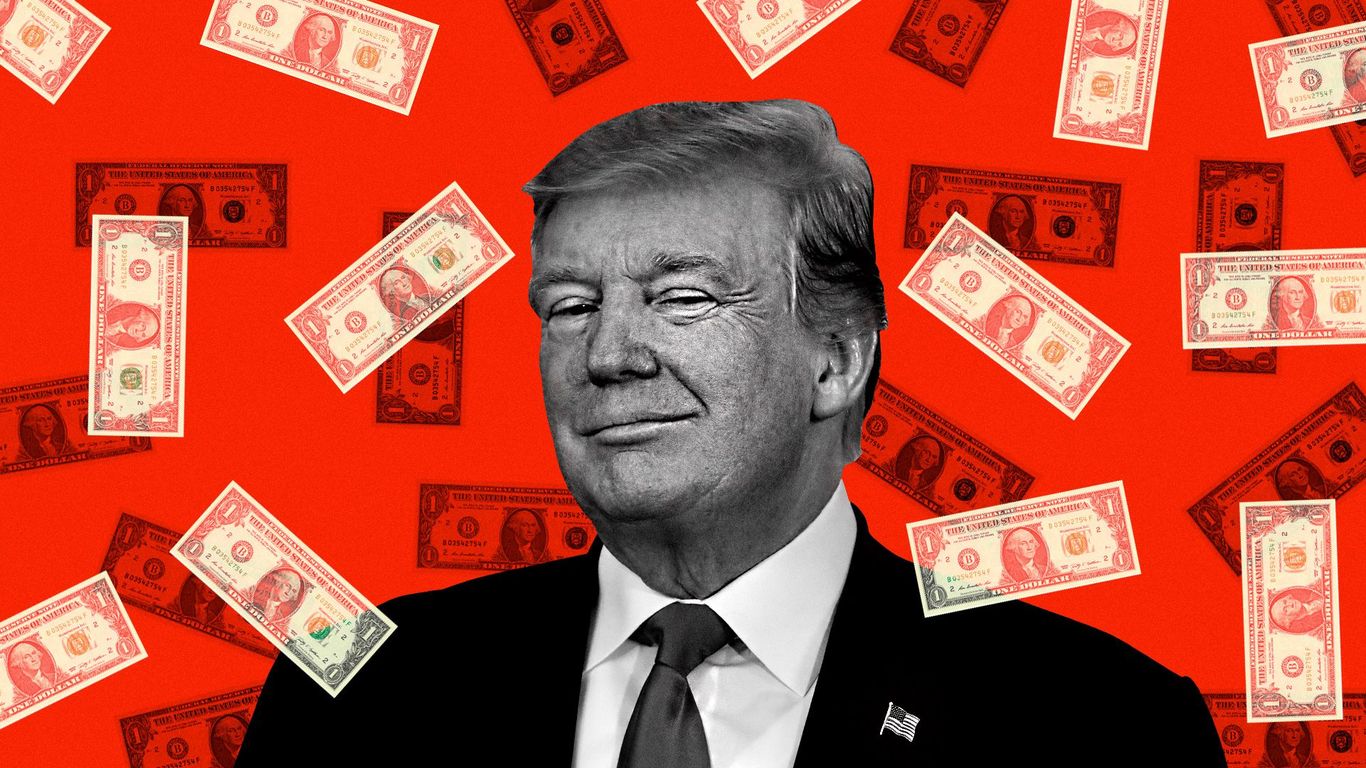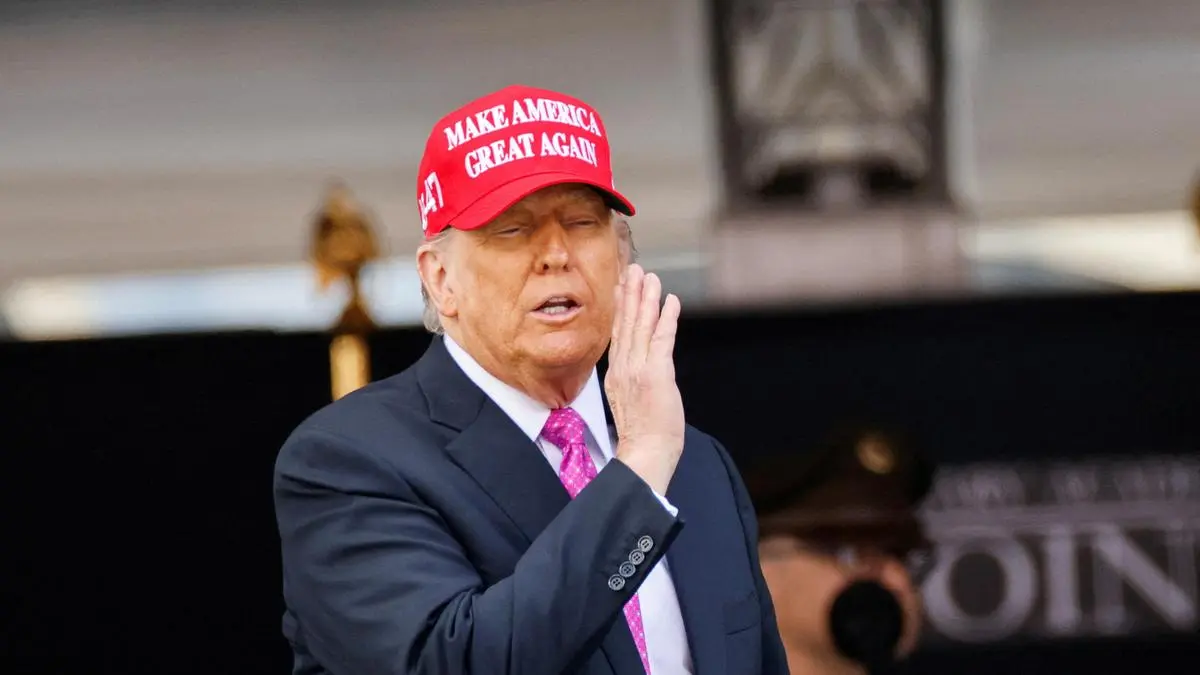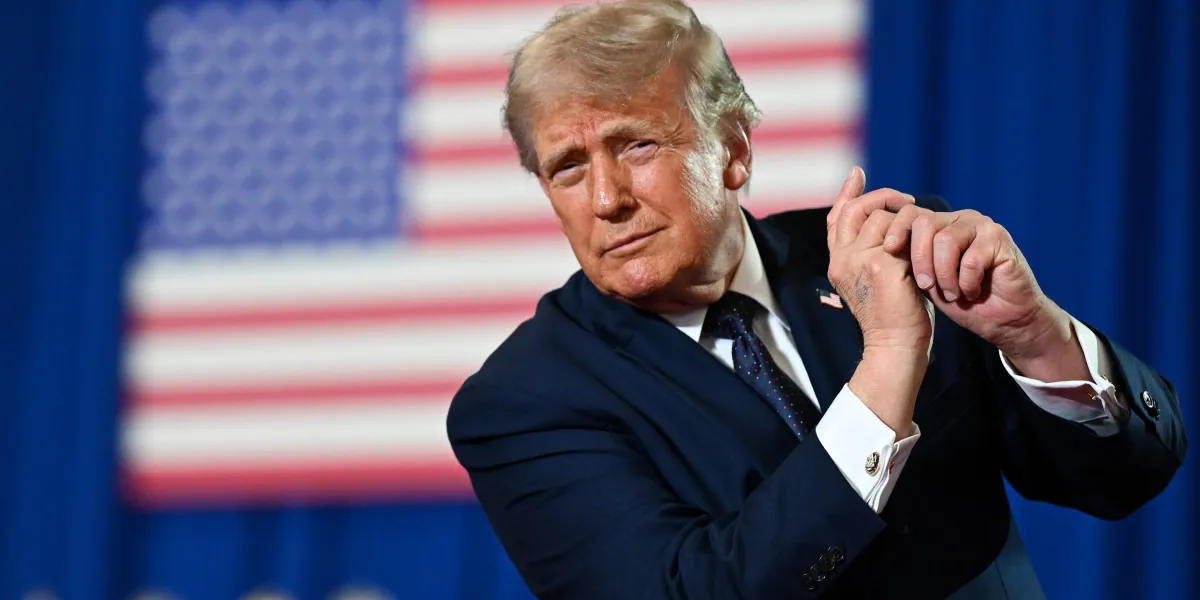
President Donald Trump’s latest financial disclosure has drawn scrutiny for its astonishing scale: 3,711 trades, almost entirely in shares of companies across America, including many whose fortunes can turn on federal policy.
Collectively, they constitute an unprecedented burst of stock-market activity by a sitting president that has fueled fascination among the day-trading masses and prompted detractors to warn of insider-dealing.
But a review of the transactions, combined with interviews with investment experts, reveals trading so multifaceted it doesn’t easily lend itself to definitive interpretation. The patterns bear the hallmarks of overlapping portfolio-management strategies, often index-based and much of it likely automated, and all of it difficult to disentangle.
To a large extent, that conforms with the Trump Organization’s public explanation of the matter. It says the president’s holdings are independently managed by third-party financial institutions that control all investment decisions, including asset allocation, trading, rebalancing, and portfolio management. Trades are executed through “automated, model-based portfolios and direct indexing strategies” with no input from Trump, his family or company. On Tuesday, Vice President JD Vance said the notion the president was trading from the Oval Office was “absurd.”