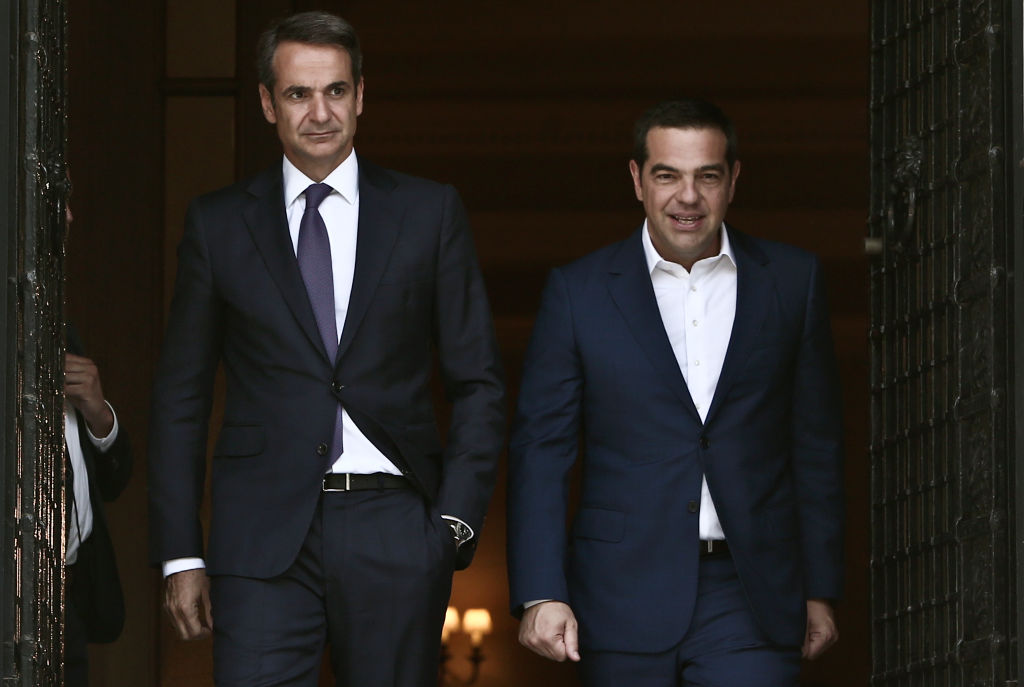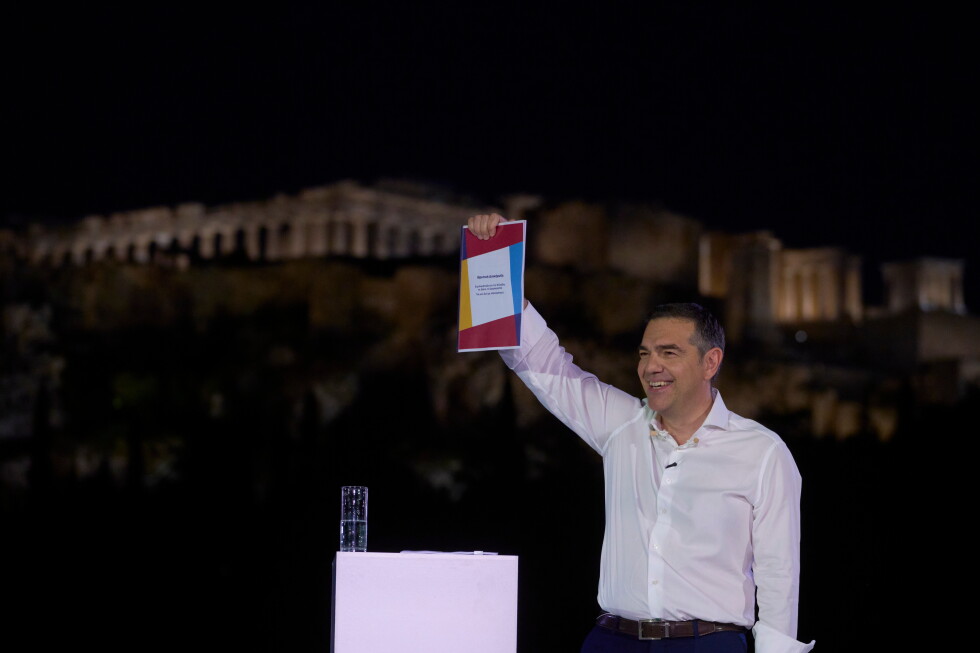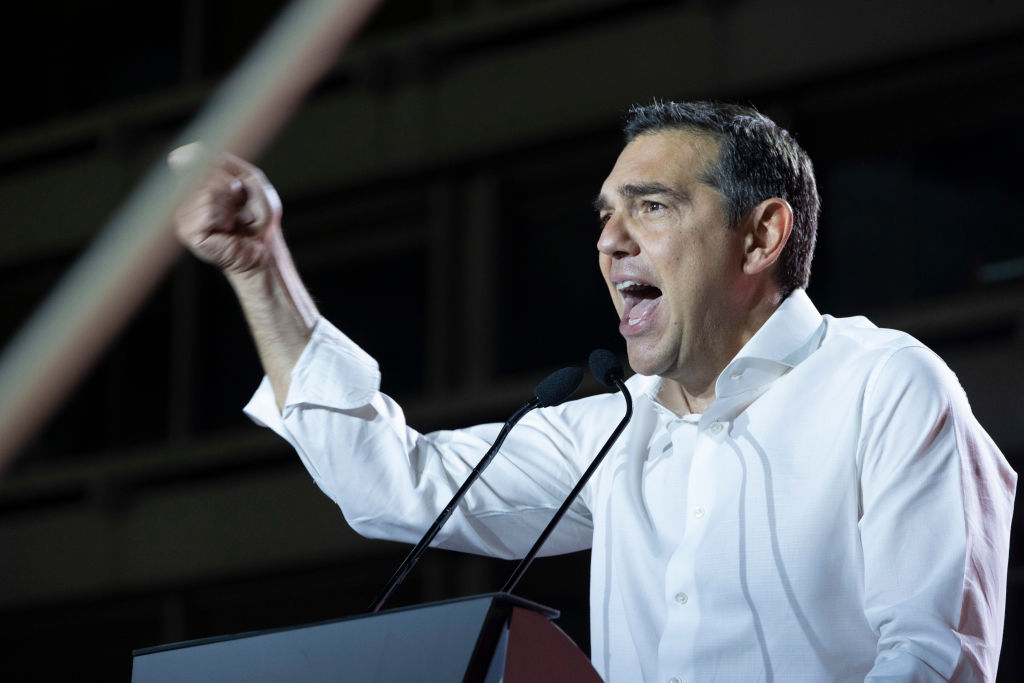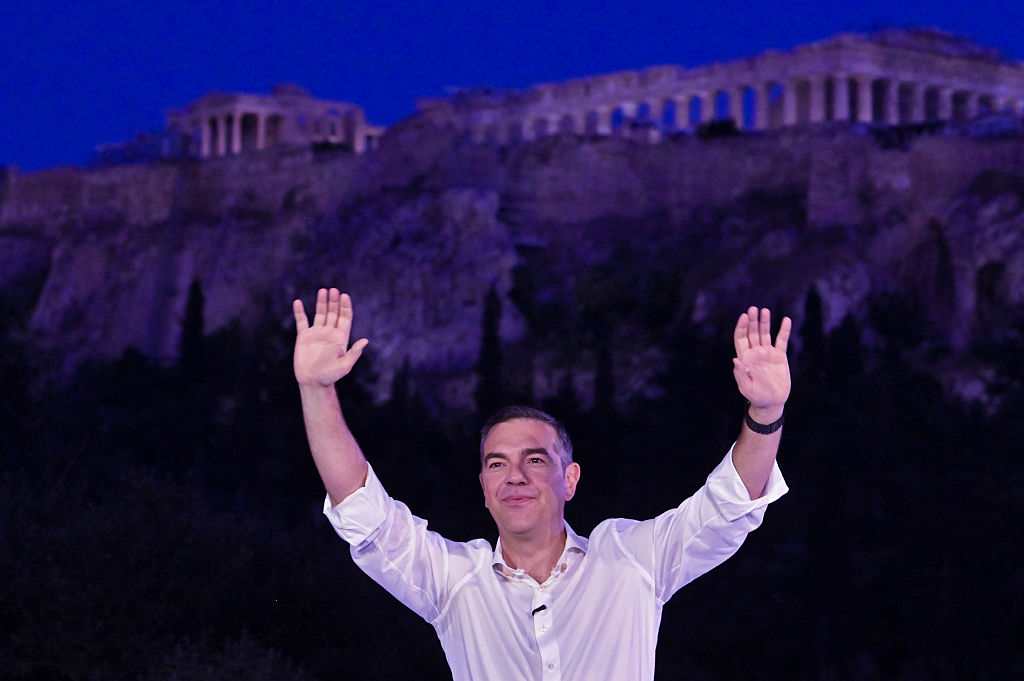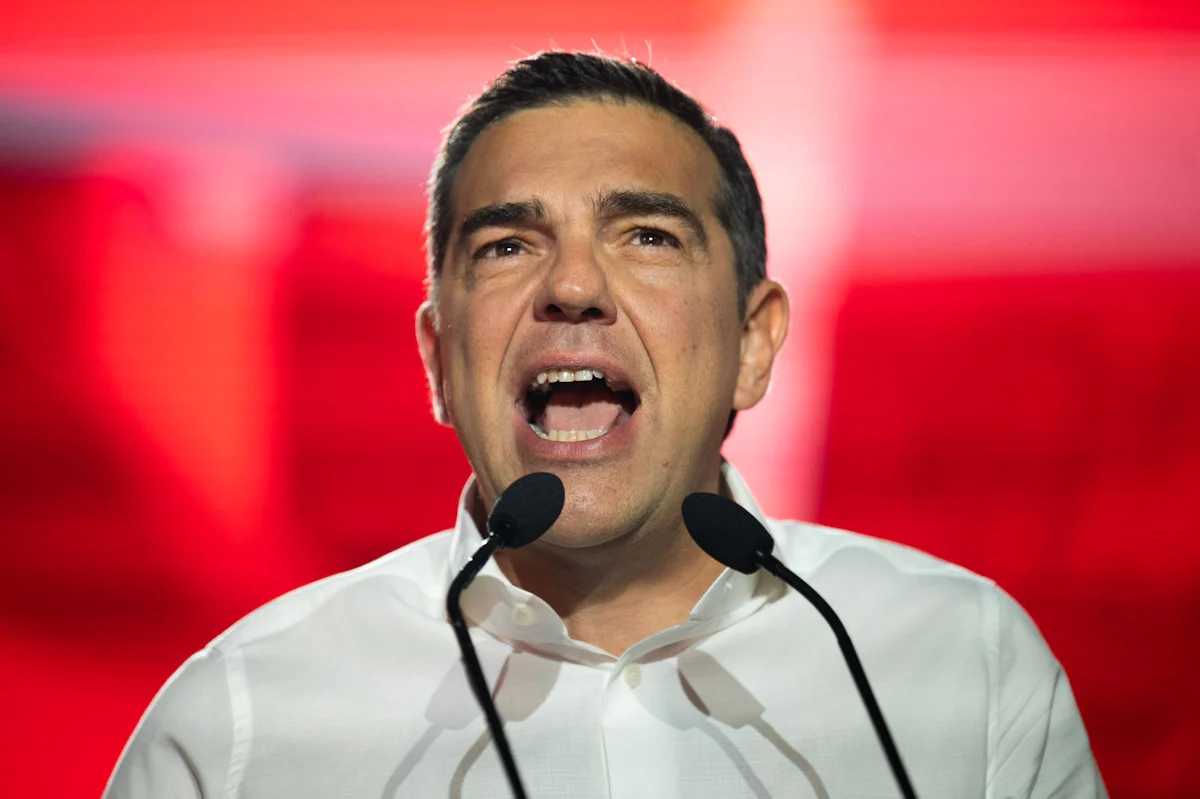
Alexis Tsipras knows well that he has to appeal beyond his former left-wing base in order to achieve his primary goal to end up as the runner-up in the next general election and become the rallying pole for a substantial slice of voters disaffected, disillusioned with, or plainly angry at the conservative government.
Of course, Tsipras achieved this before, in 2010-2015, during the worst of Greece’s financial crisis, taking a party, SYRIZA, that had won under 5% of the vote in 2009 to over 36% in 2015. He had literally denuded the socialist PASOK that had governed, alone or mostly in a coalition, in those years and even attracted some center-right voters.
Tsipras’ greatest obstacle to repeating this feat is his own record in government, especially his first six months when he attempted to make good on its promises to force the European Union to abandon its harsh austerity demands, only to beat a hasty retreat. His crushing defeat in 2023 – never had the main opposition lost more than 13 percentage points after four years out of power – was a clear message that the voters remembered his government only too well.
Still, the now veteran politician senses, or at least believes in, an opportunity. His main immediate goal is to vault over PASOK into second place and emerge as the standard-bearer of the center-left. To this end, he is expected to center his Tuesday presentation of the new party on the notion of a “patriotic left” combining red and blue, the colors of the left and the national colors.