With its accession to the Economic and Monetary Union – today’s eurozone – in 2001, Greece found itself faced with a historic opportunity for cheap borrowing, institutional stability and access to even more European capital. It was an opportunity for productive transformation.
Twenty-five years later, the assessment on the most crucial indicator for the well-being of an economy and its workers, that of productivity, is disappointing. Instead of Greece and its businesses systematically investing in competitiveness, innovation and industrial reconstruction, in sectors of high added value, and benefit from the opportunity, they somehow managed to turn a large part of those EU funds into consumption and higher numbers of imports, while simultaneously expanding the state. The result was an economy that appeared to be prosperous, but without producing corresponding wealth.
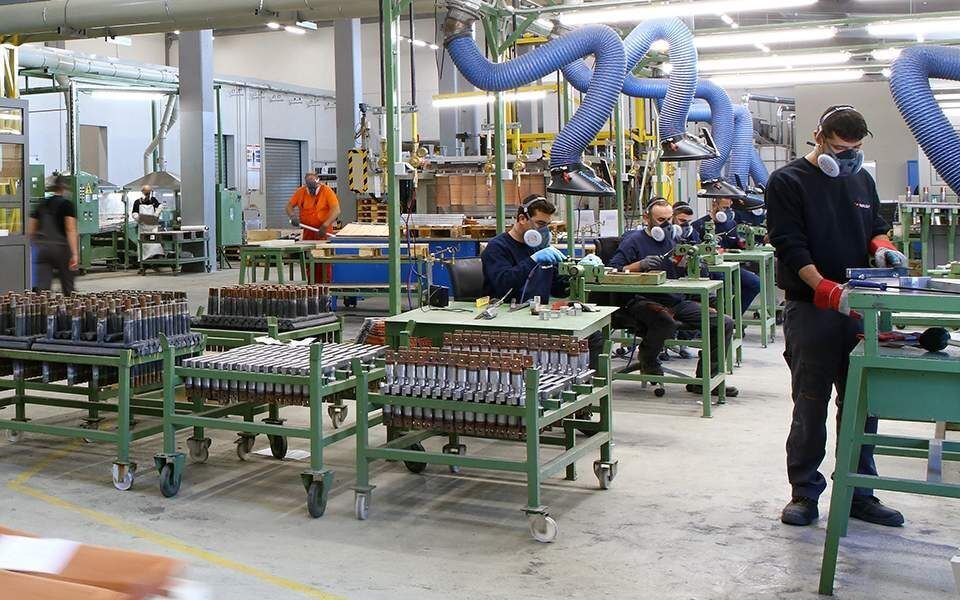
Labor productivity, without any responsibility on the part of the workers, is not only low but, as the study of the Foundation for Economic and Industrial Research (IOBE) carried out on behalf of the union of Greek industrialists showed, it has remained at the levels of 2000. Greece adopted the hard currency of the eurozone without acquiring the productive base this adoption required, as the country’s businesses and politicians chose the path of inaction and easy profits in sectors with low added value.