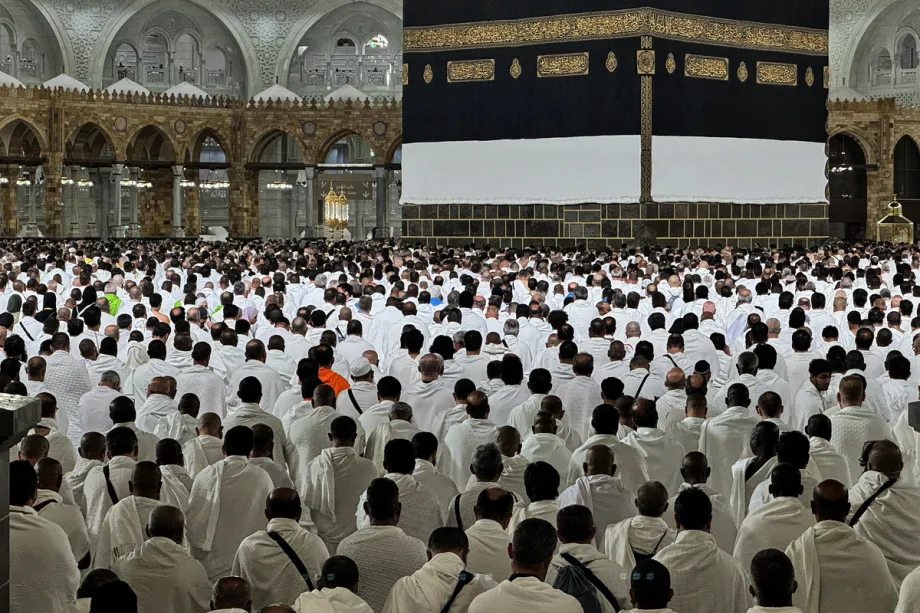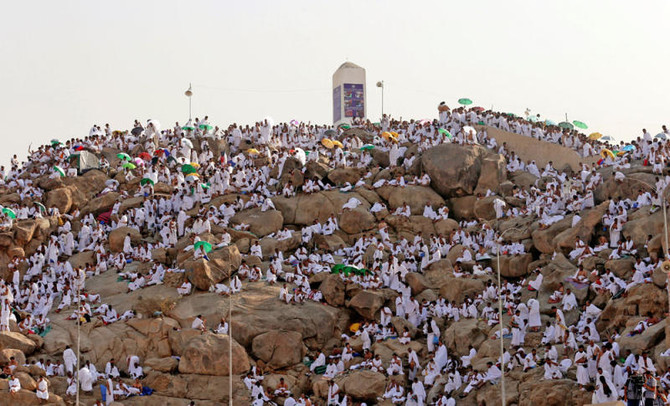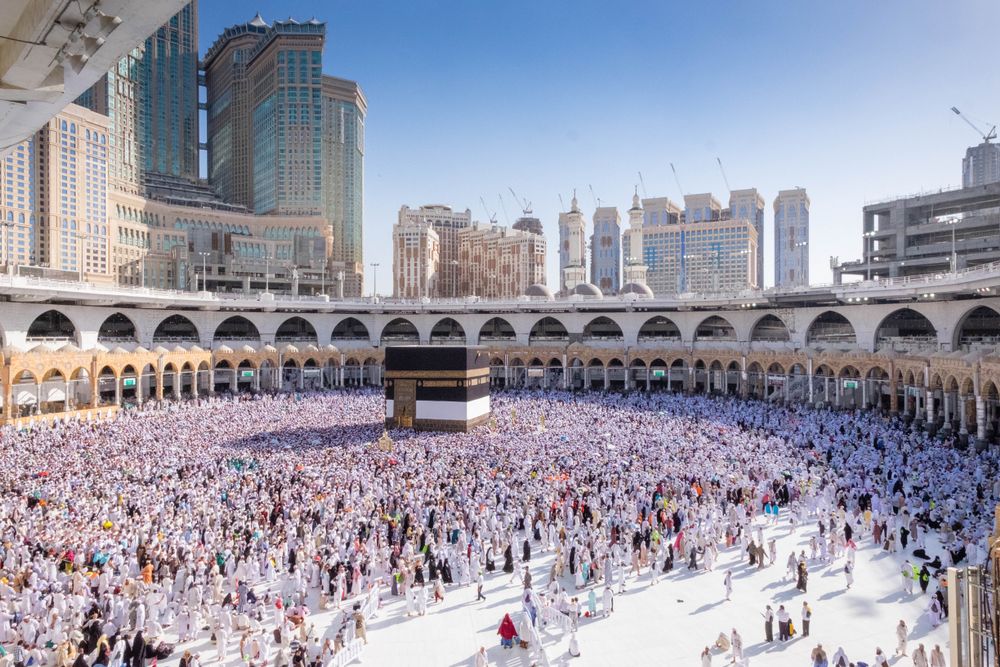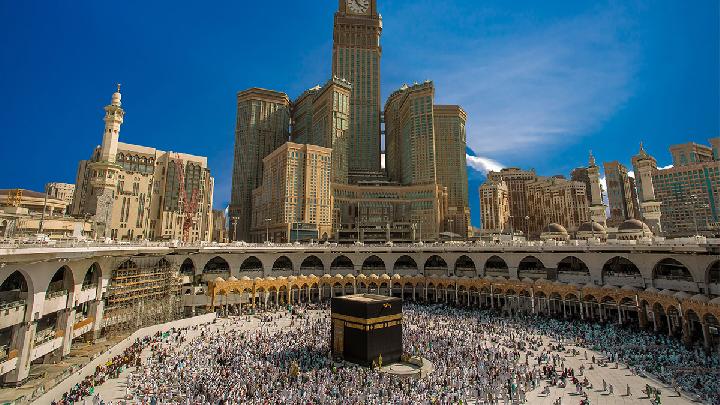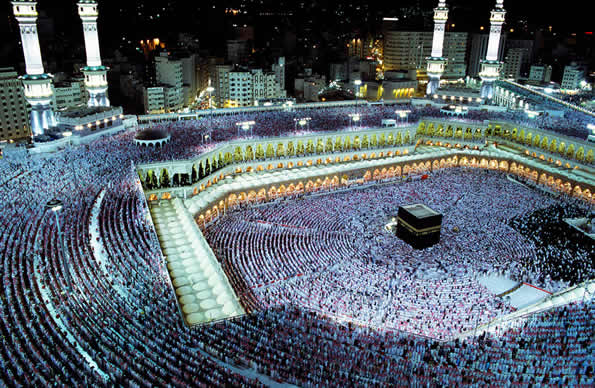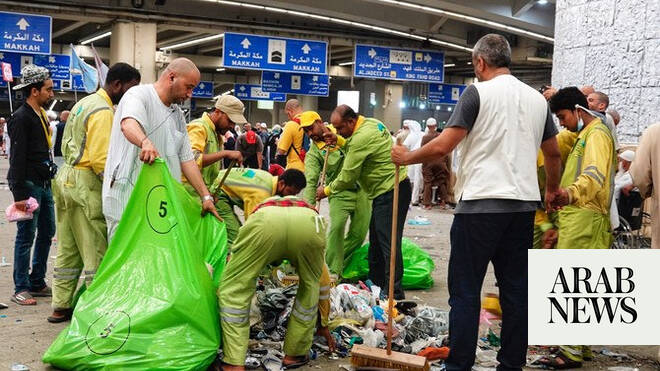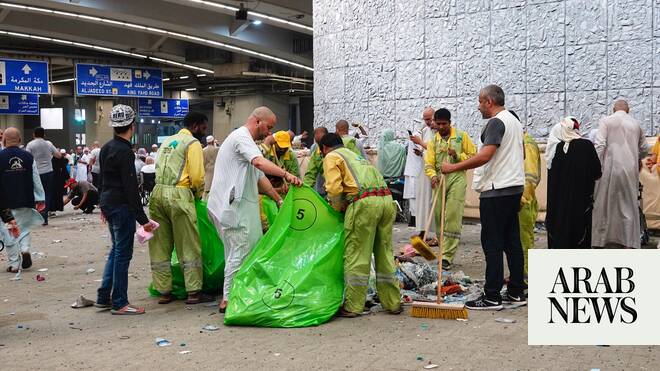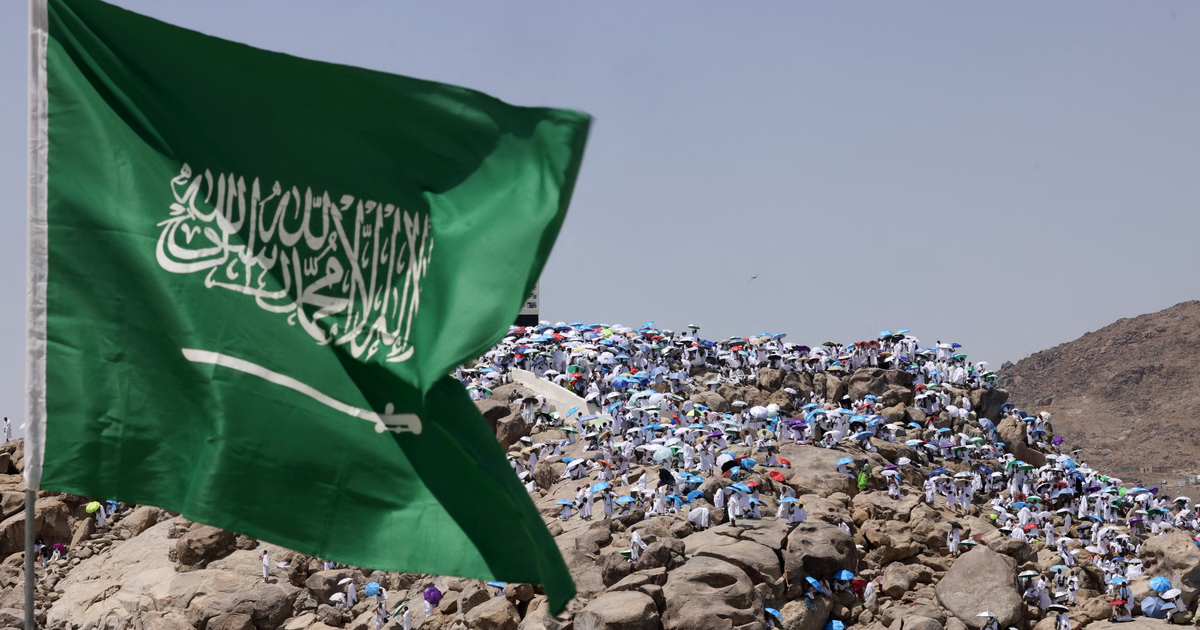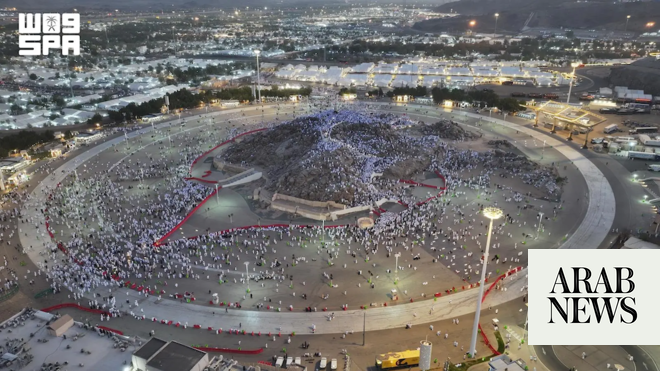
RIYADH: As Hajj season brings millions of people into the holy sites, its environmental impact is most visible in the volume of waste generated over a short period.
According to official data from the National Center for Waste Management (MWAN), during last year’s Hajj season household waste totaled 93,566.4 tonnes, while commercial waste reached 6,526.6 tonnes.
Construction and demolition waste accounted for a further 189,729.1 tonnes. Overall, the total waste recorded over the season was 348,382.1 tonnes, underscoring the need for Saudi Arabia to intensify efforts to make Hajj more environmentally friendly through waste-reduction and recycling initiatives.
The scale of those totals has sharpened attention on what can realistically be reduced, reused, or diverted during peak pilgrimage days, particularly for waste streams that surge inside the camps and service areas.
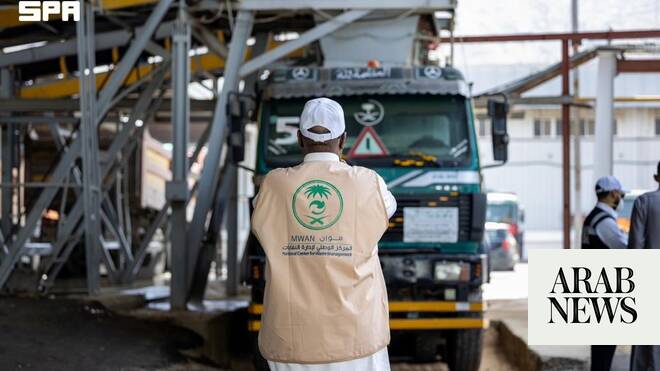
With renewables not currently planned as part of Hajj sustainability efforts this year, MWAN’s focus has centered on waste-diversion initiatives and on-the-ground programs that can be implemented at scale during the season.