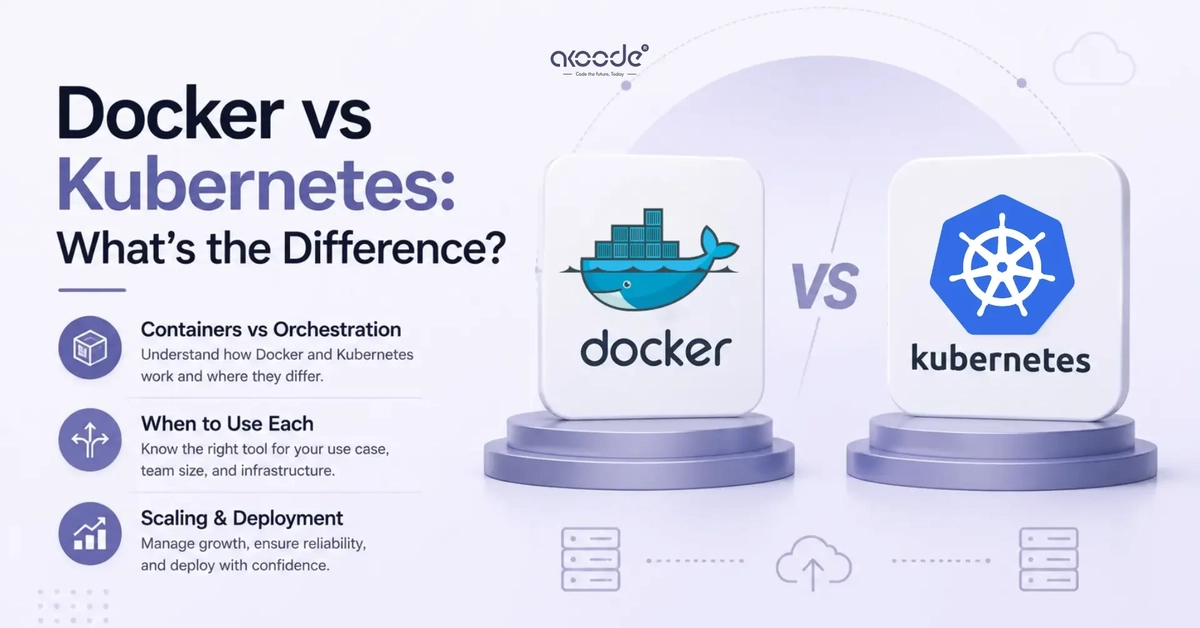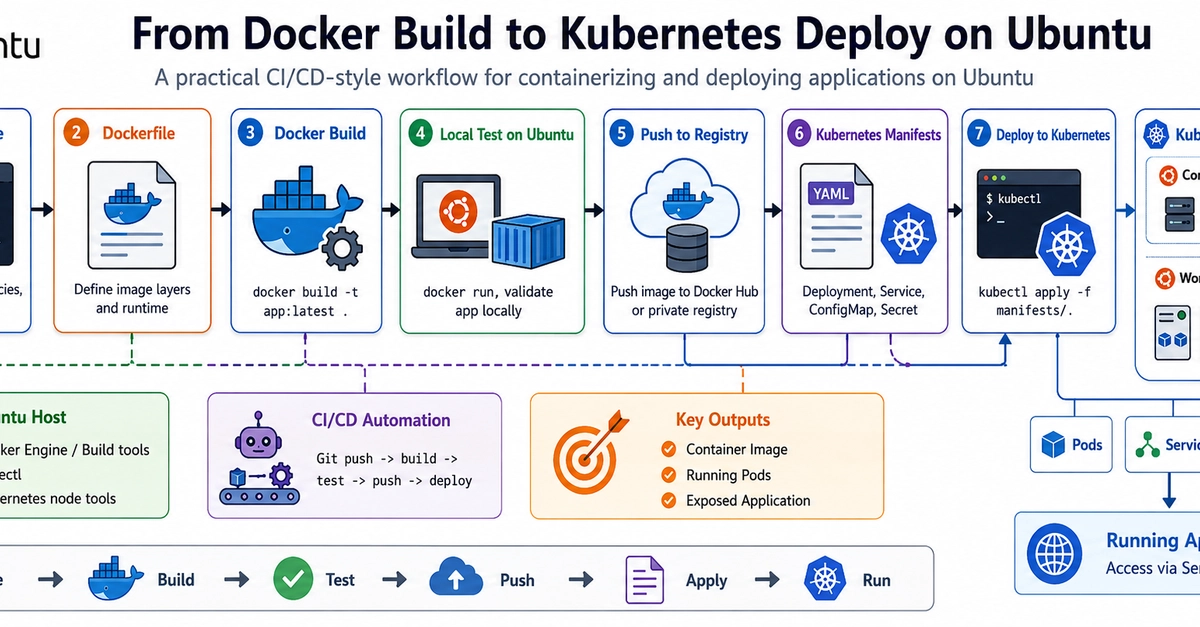
Every time container orchestration comes up, the conversation almost immediately turns into Kubernetes.
And I understand why.
Kubernetes is powerful. It has a huge ecosystem, strong abstractions, custom resources, operators, service meshes, admission controllers, and almost unlimited extensibility. For large organizations running complex multi-tenant platforms, Kubernetes often makes sense.
But after years of working with Linux infrastructure, backend systems, private and public cloud environments, CI/CD pipelines, monitoring stacks, and production deployments, I learned something that is easy to forget:
The best infrastructure is not always the most powerful one. It is the one your team can operate safely under pressure.