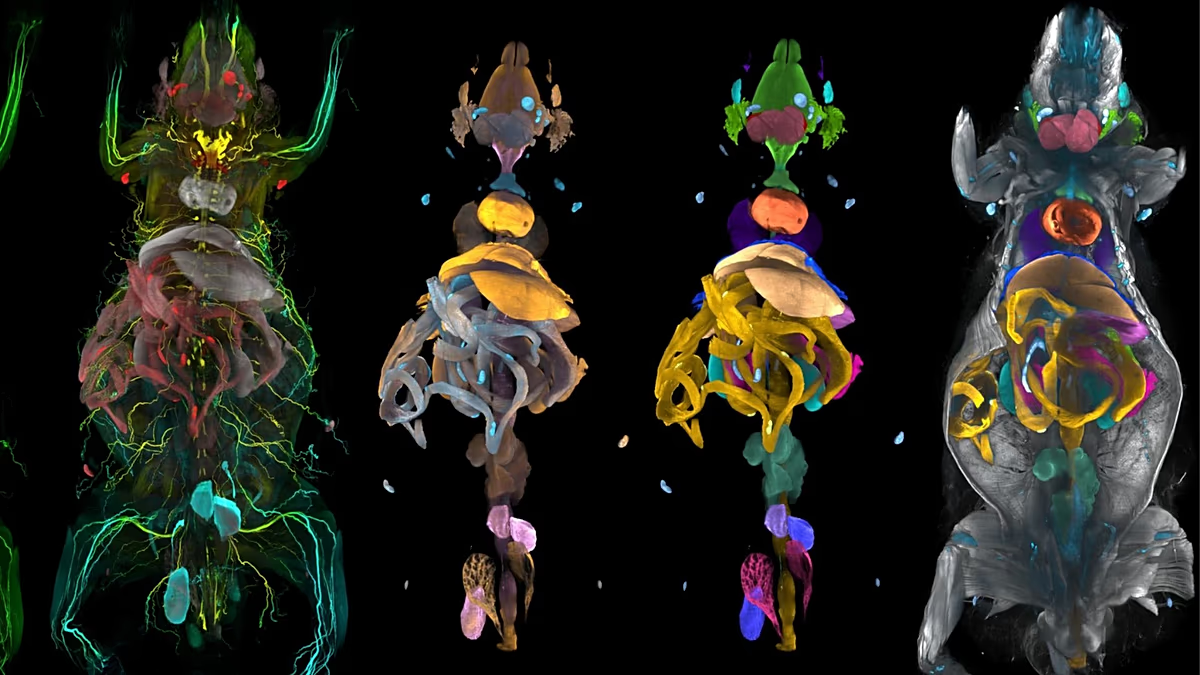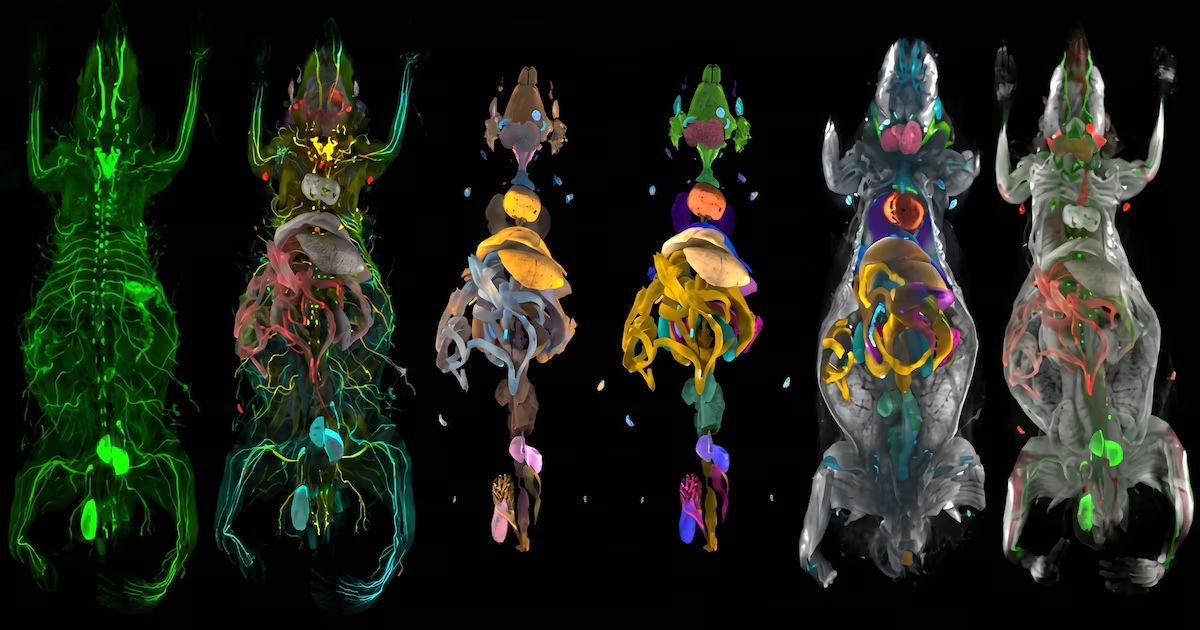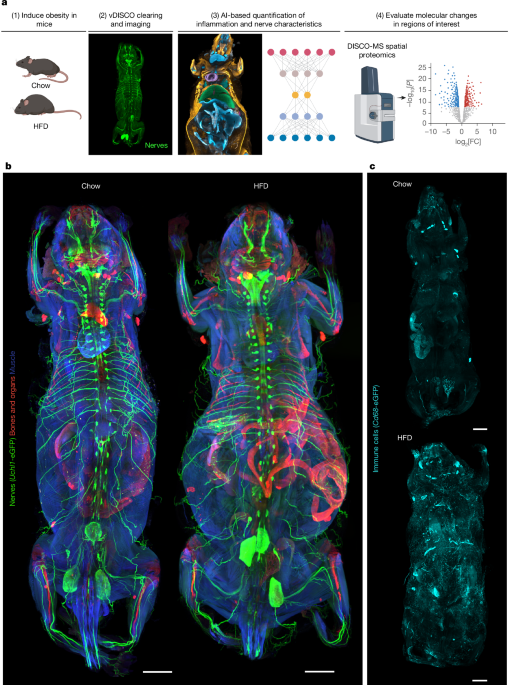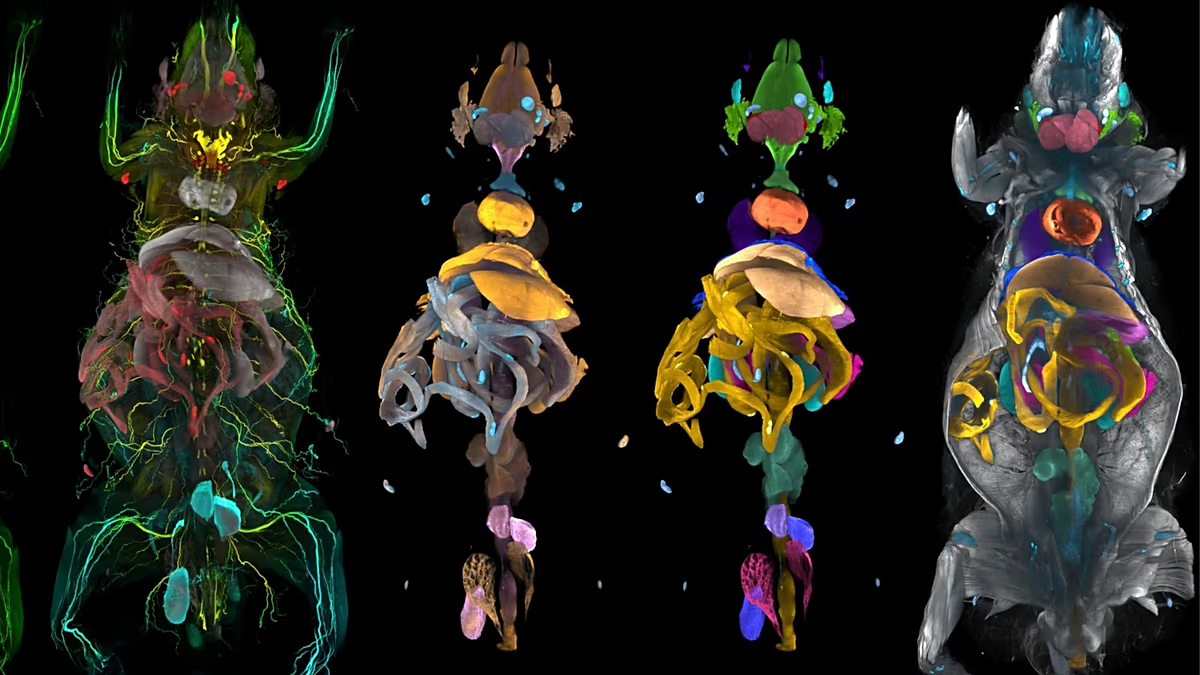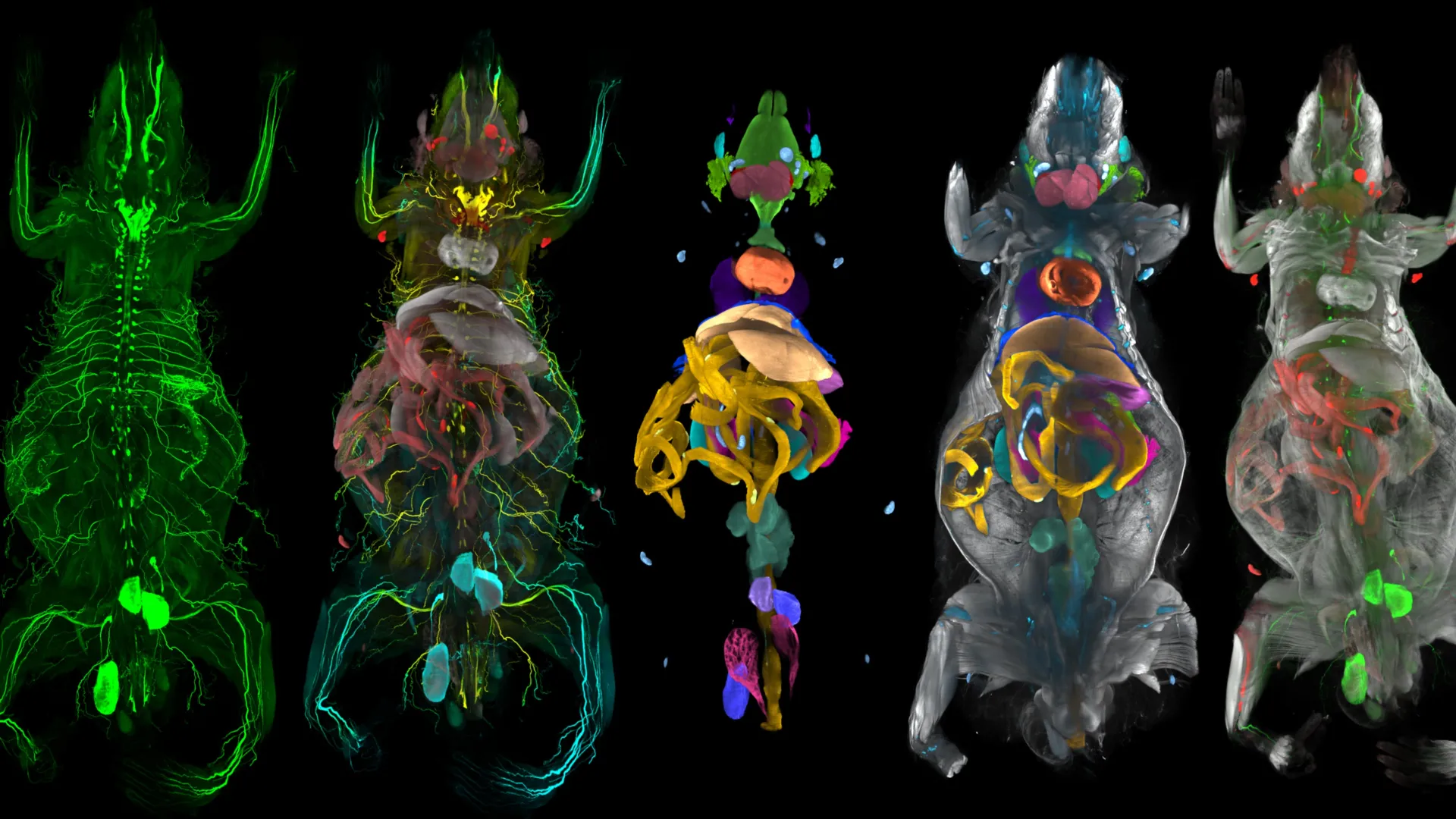
Researchers at Helmholtz Munich, Ludwig Maximilians University Munich (LMU), and several partner institutions have created an artificial intelligence (AI) system capable of mapping disease-related changes throughout an entire mouse body at cellular-level detail. Using the new platform, known as MouseMapper, the team discovered widespread inflammation and previously unknown nerve damage linked to obesity.
The study also identified similar molecular patterns in human tissue, suggesting that important aspects of obesity-related nerve damage may occur in both mice and people. The findings were published in the journal Nature.
Obesity is known to affect much more than body weight and metabolism. It can alter immune activity, disrupt nerve structures, and reshape tissues throughout the body, increasing the risk of conditions such as type 2 diabetes, cardiovascular disease, stroke, neuropathy, and cancer. Despite these widespread effects, scientists have lacked tools capable of studying disease-related changes across an entire intact body in high detail.
To address that challenge, a research team led by Prof. Ali Ertürk, Director of the Institute for Biological Intelligence (iBIO) at Helmholtz Munich and Professor at LMU, developed MouseMapper. The AI framework uses foundation-model-based deep learning algorithms to analyze massive whole-body imaging datasets.