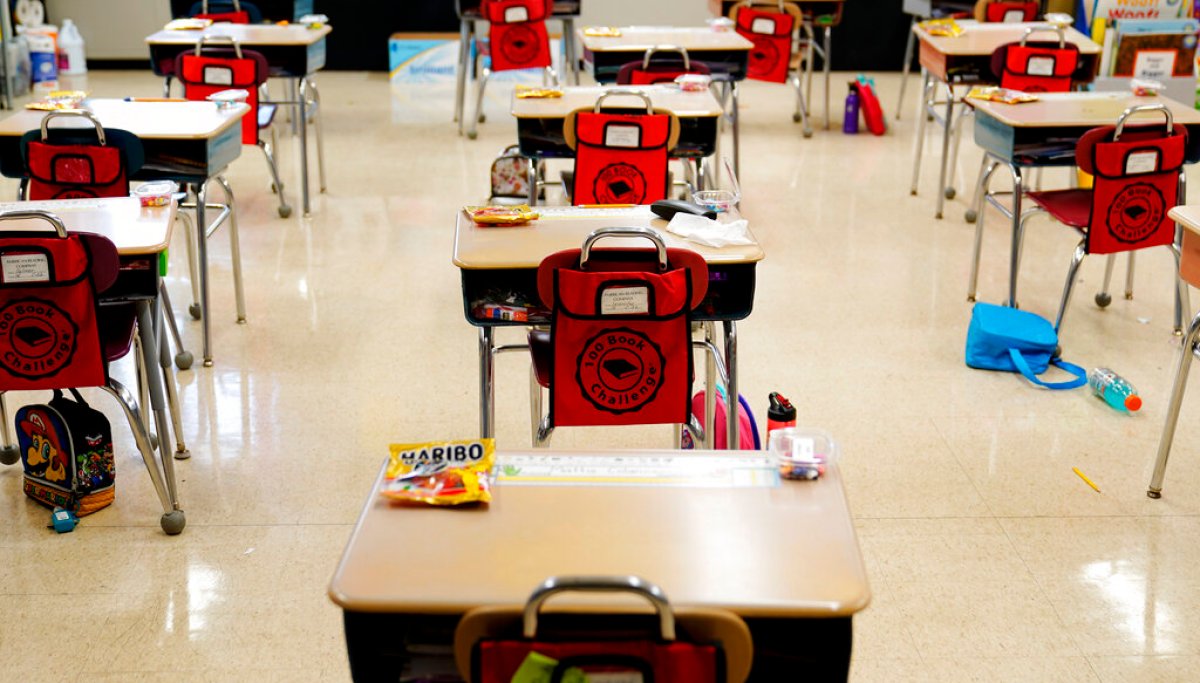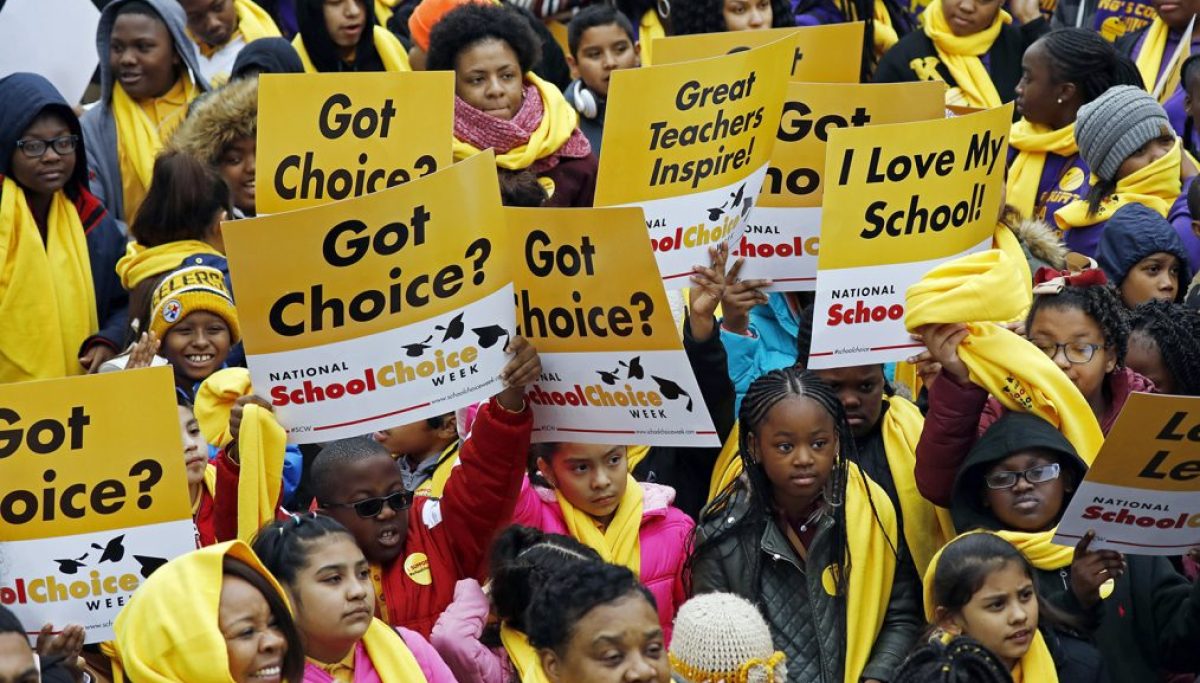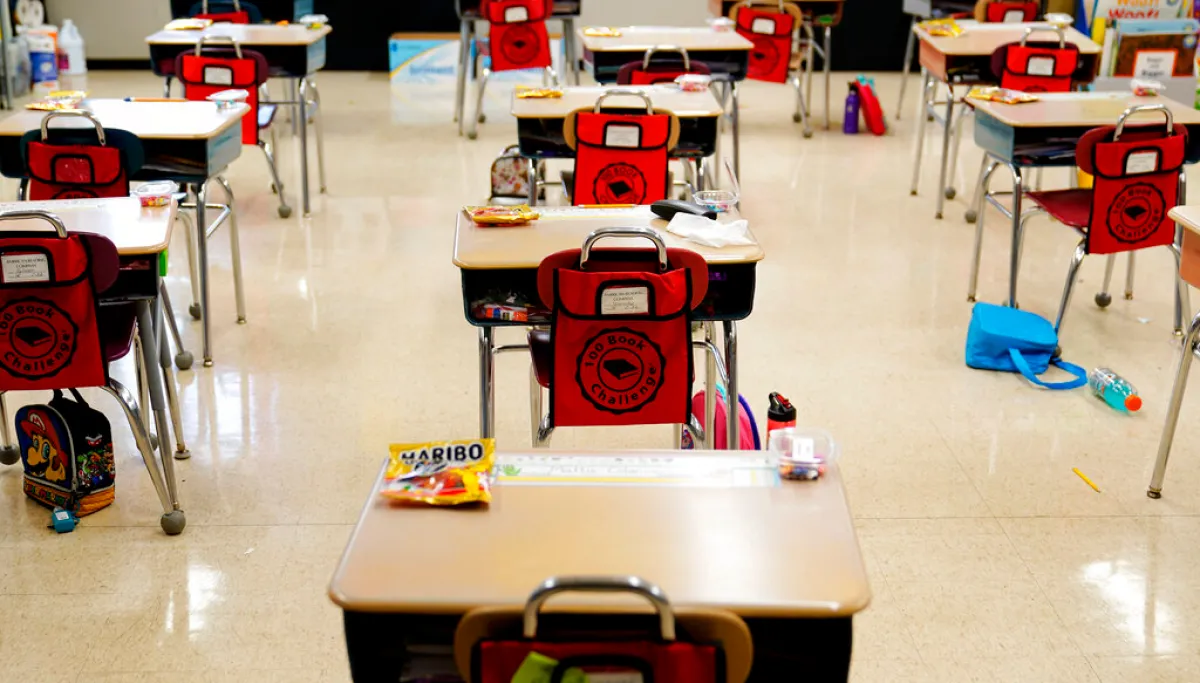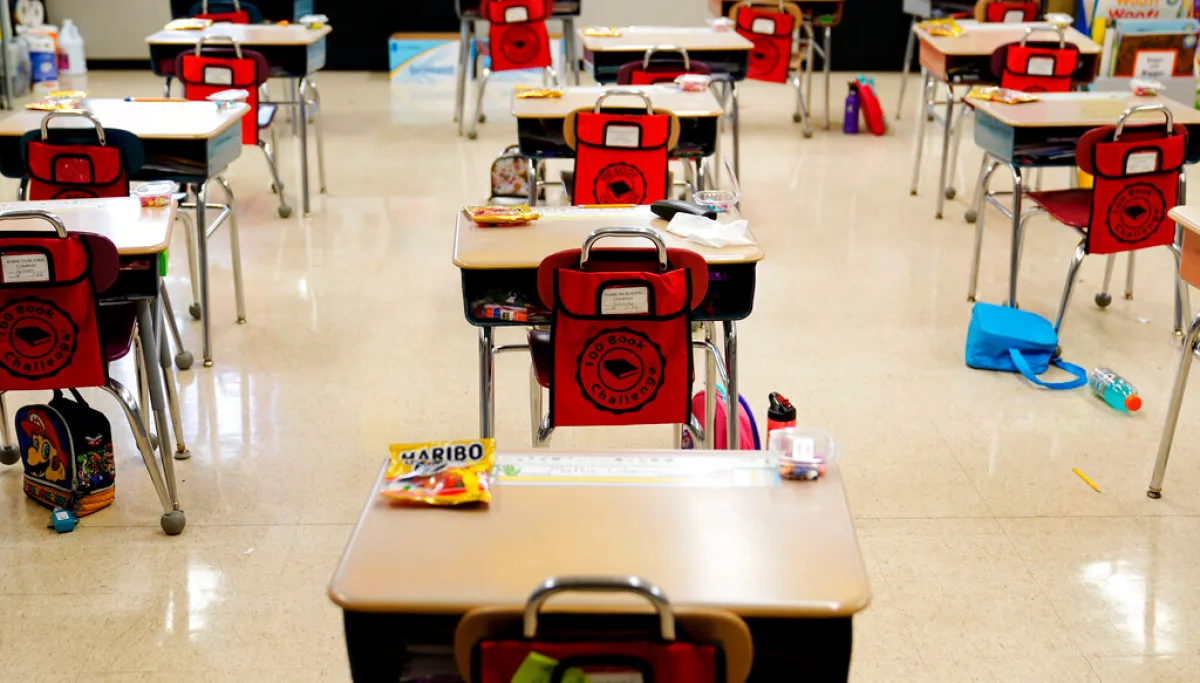
Thirty years of policy reform have delivered significant improvements in K-12 education for students and their families. But much more needs to be done. Charter schools, educational savings accounts, and scholarship tax credits have helped. Recent legislation authorizing a federal scholarship tax credit presents an opportunity for even greater parental choice in education, at least for families in states whose governors opt in. Despite these achievements, too many students and their parents find themselves stuck in public schools run by local school boards that are not meeting their needs or aspirations. Curricula neglect the fundamentals of reading, writing, and arithmetic. Primary school libraries and course materials promote books that are inappropriate for young children or that undermine the sincerely held religious beliefs and practices of their parents. Many public schools are still missing the mark.
TWENTY-FIVE STATES SUE TRUMP ADMINISTRATION OVER STUDENT LOAN CAP FOR GRADUATE PROGRAMS
We need to go to the source of the problem: lack of responsible oversight. Some governors and state legislators have recently enacted electoral reforms to ensure greater participation in school board elections by the parents whose children the boards are meant to serve. For example, legislators in 10 states from California to Florida have proposed or passed laws to align the timing of school board elections with other state-level elections and to permit early voting. These reforms enable more parents to participate in selecting school board members, ensuring that elected school board members serve the needs of parents and children.