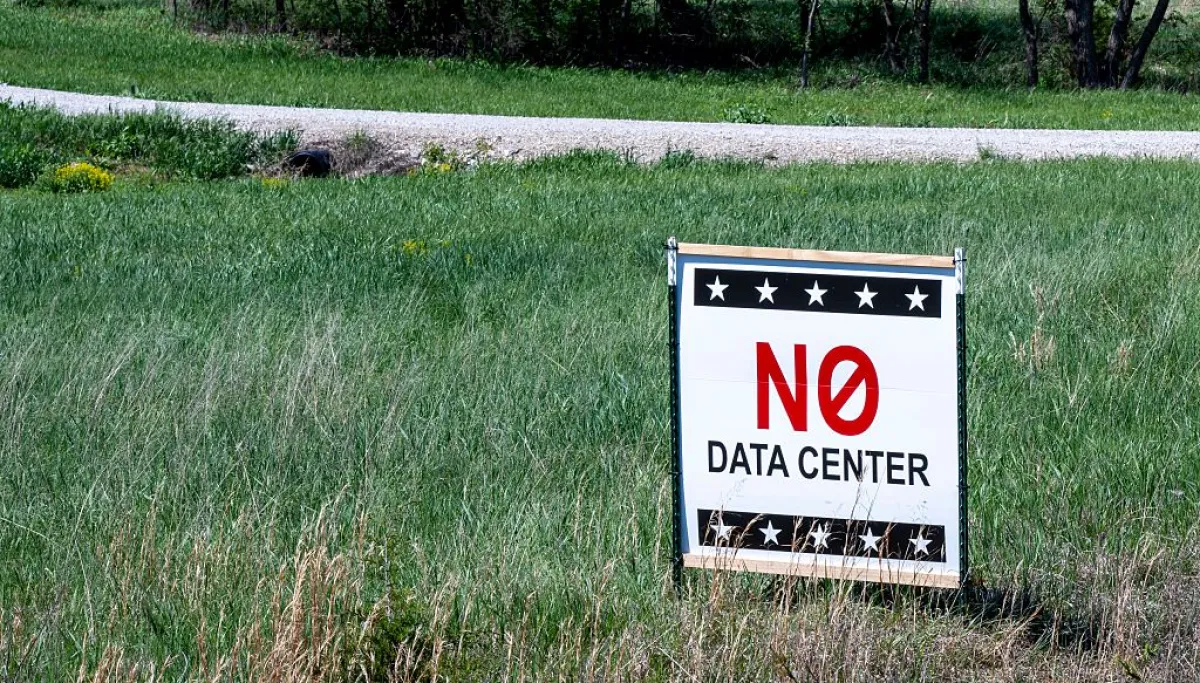
The Governor of Maine vetoed what would have become the nation’s first statewide ban on the construction of large data centers. At least 11 other states have introduced similar bills this session. In Washington, D.C., Sen. Bernie Sanders (I-VT) and Rep. Alexandria Ocasio-Cortez (D-NY) have introduced a bill to freeze all new data center construction nationwide.The sponsors say they want to protect communities from rising electricity costs, environmental harm, and unchecked corporate power. The impulse is understandable, but a blanket moratorium would harm the communities it was supposed to protect.These proposals rest on a premise that doesn’t hold up: that data centers are unregulated. In fact, they are heavily regulated. Federal law subjects them to the Clean Air Act, the National Environmental Policy Act, and the Endangered Species Act. States add their own layers: California enforces energy efficiency benchmarks, Illinois mandates community impact assessments, and Oregon’s POWER Act requires large energy users to pay their share of grid upgrades. More than 300 data center bills have been filed in over 30 state legislatures in 2026, with at least 18 states creating special rate classes for large energy users. Since 2024, local opposition has blocked or delayed more than $160 billion worth of projects.
Data center bans don't protect communities. They paralyze them
Sufficient regulation exists to keep data centers in check, making attempts to hinder their construction simply walls against their benefits.
735 words~3 min read