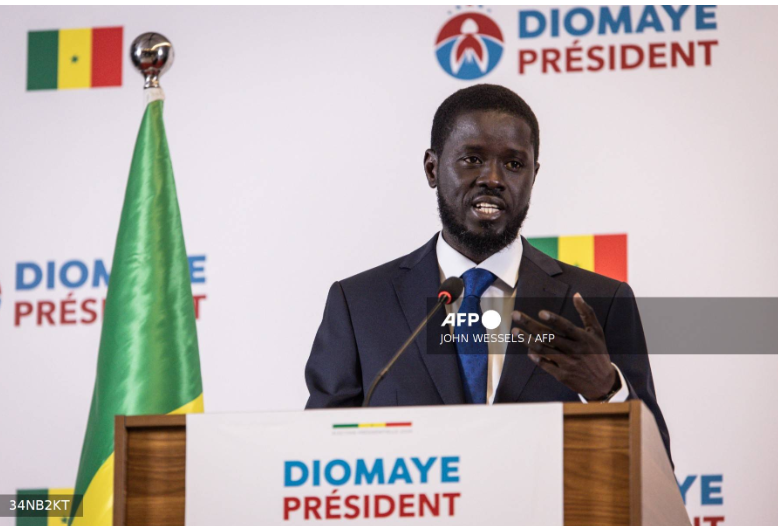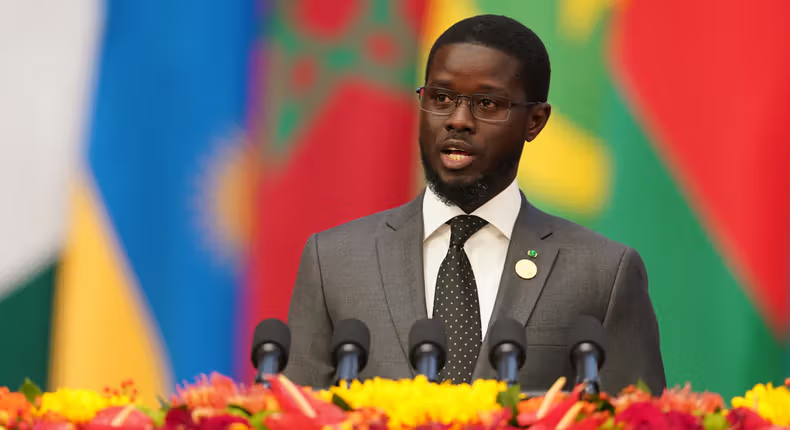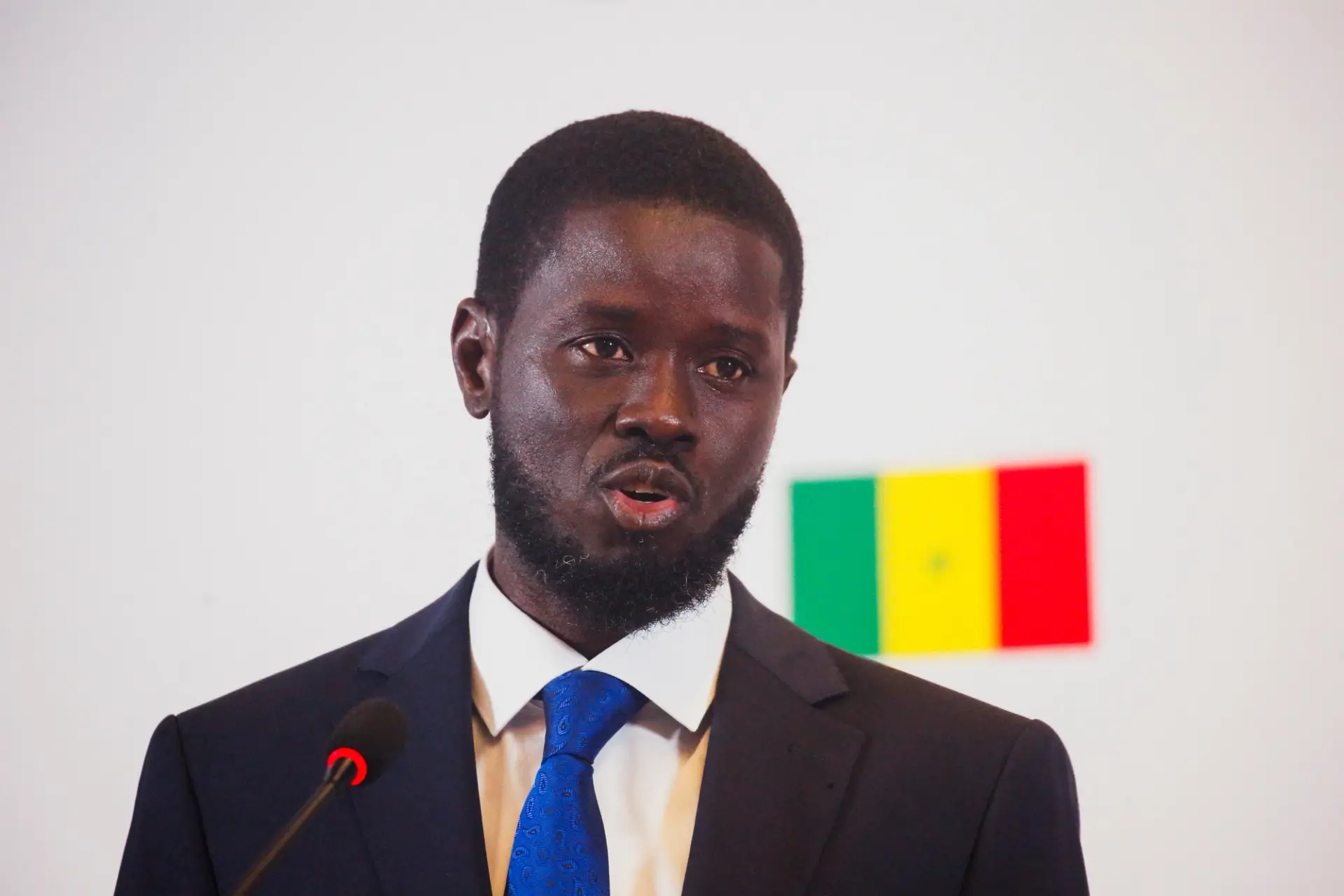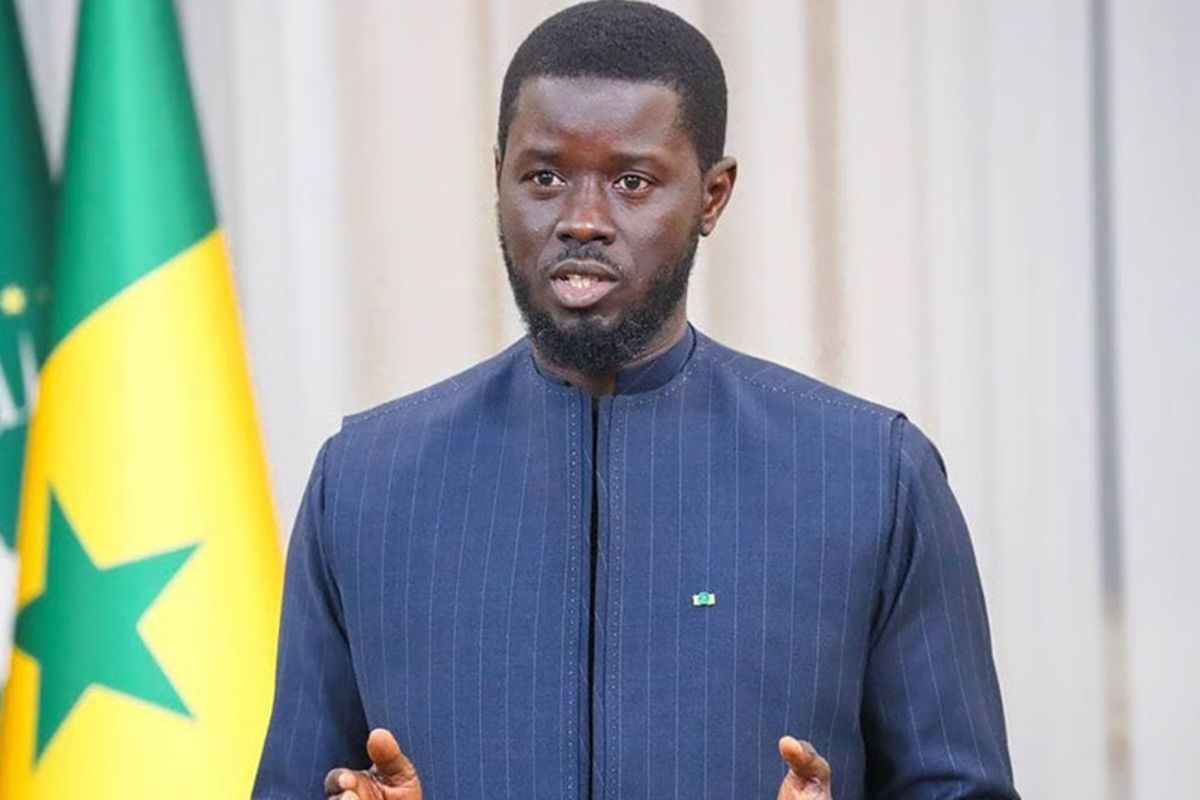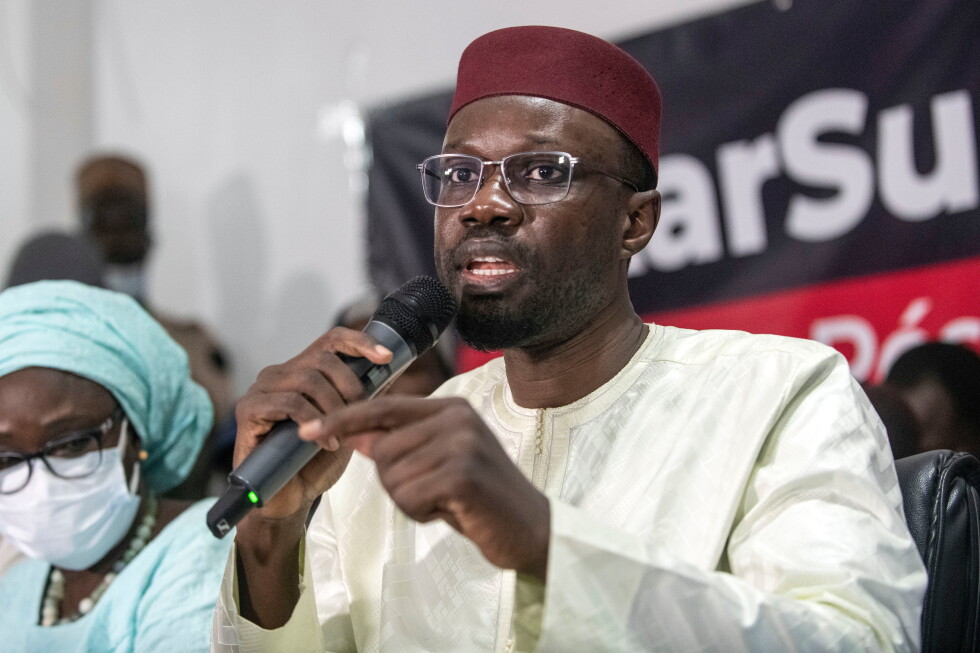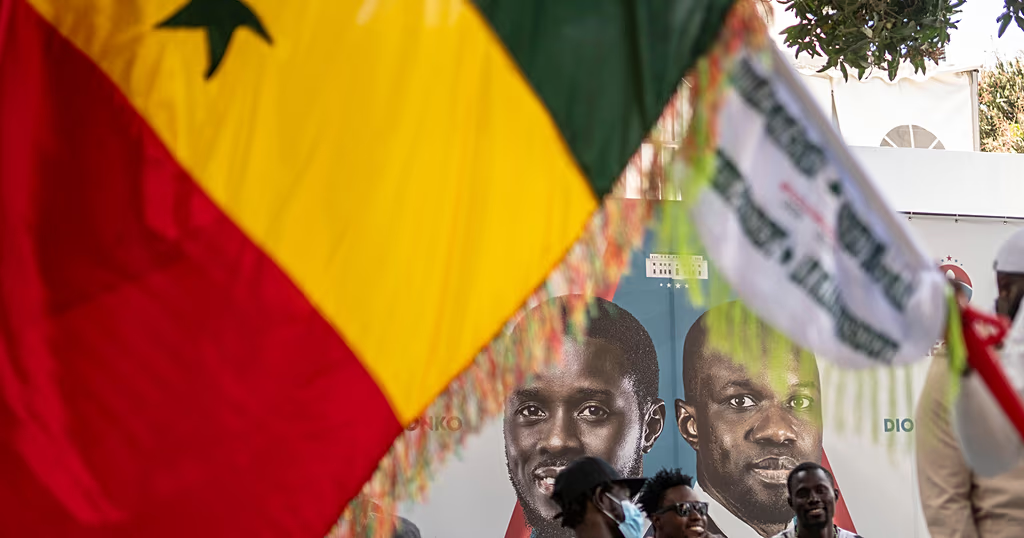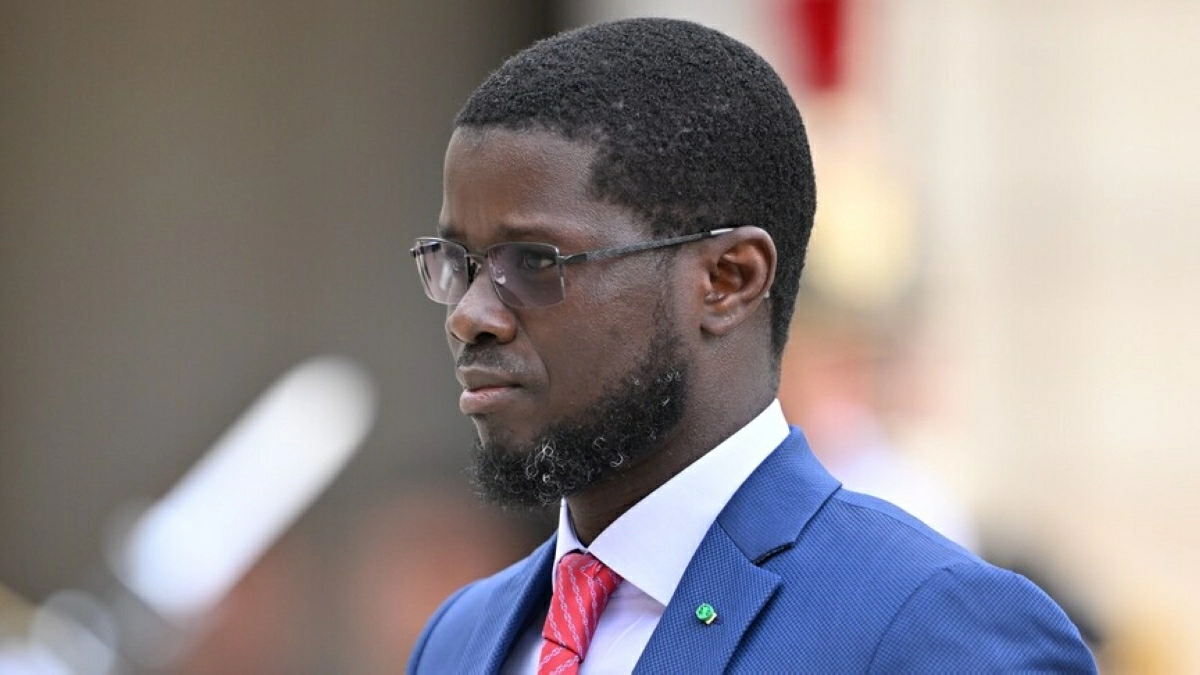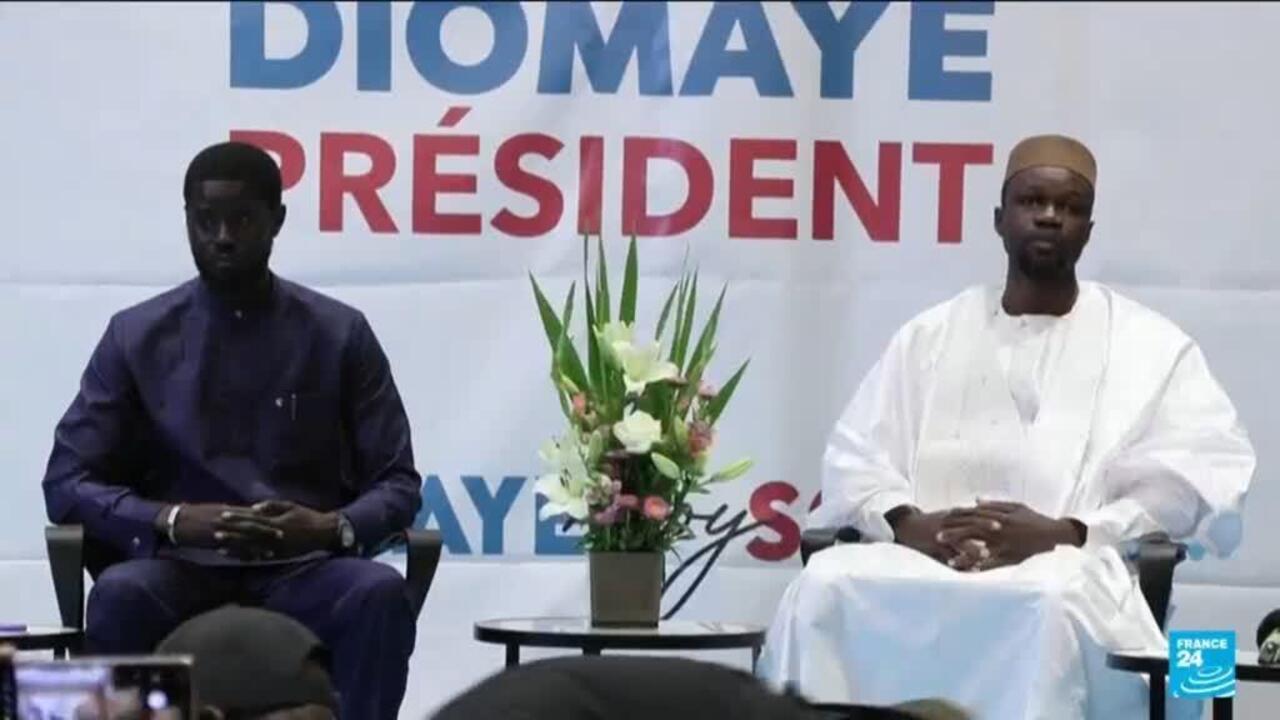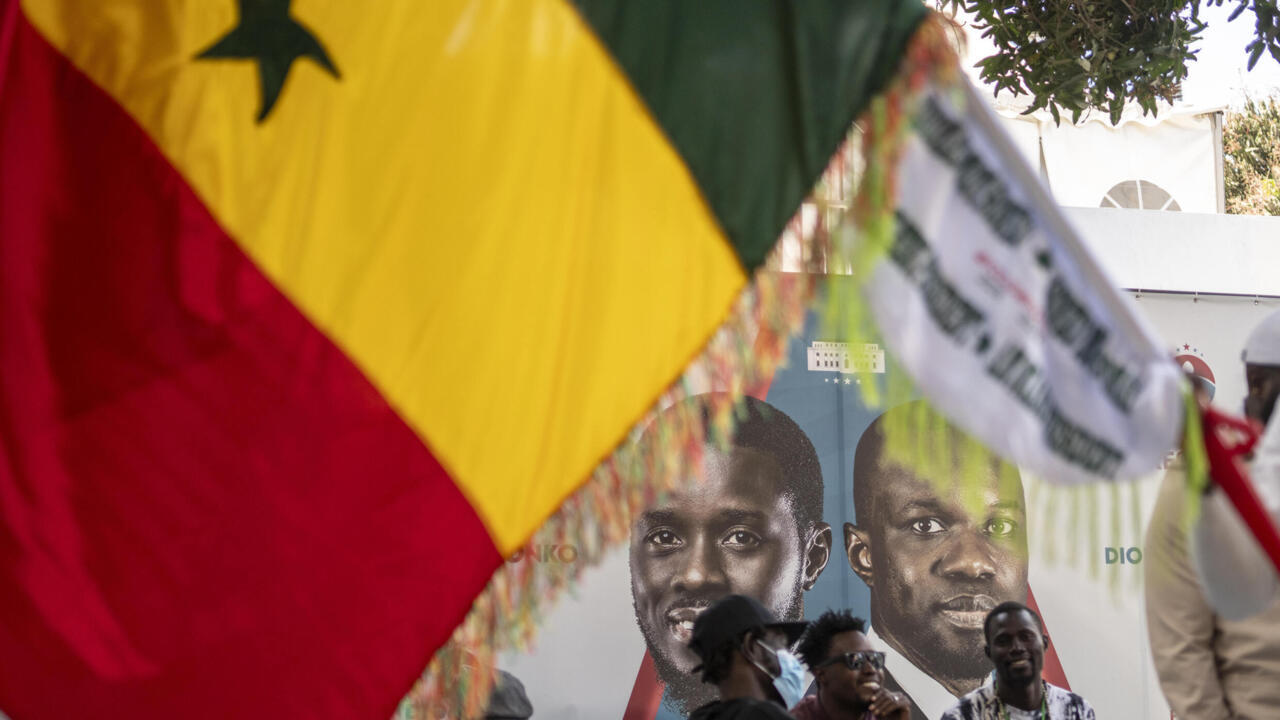
Senegal's President Bassirou Diomaye Faye has fired Prime Minister Ousmane Sonko and dissolved the government after months of tension. The alliance between the president and his former mentor looked increasingly untenable after Sonko publicly criticised some of Faye's key policies.
Issued on: 23/05/2026 - 10:47
1 min Reading time
All ministers have been dismissed but will remain in charge of the day-to-day running of the country, according to a statement broadcast on state media late on Friday. In a post on social media after the announcement, Sonko said: "Tonight I will sleep with a light heart." Recent months have seen rivalry mount between the two men, who teamed up to defeat the former ruling party's candidate in presidential elections in March 2024. Sonko, then a leading opposition figure, was barred from running due to a conviction for defamation. Faye stood for Sonko's Pastef party instead and subsequently appointed his mentor prime minister. But since then, the allies had publicly disagreed on key policies, including the negotiation of a new lending programme from the International Monetary Fund. IMF chief outlines plan to resume grants to Senegal Power struggle Two months ago, Sonko said he would be willing to take Pastef out of the government and return to opposition if Faye departed from the party's agenda, prompting the president to warn that he could fire the prime minister if he no longer had confidence in him. Addressing parliament hours before his dismissal, Sonko told MPs: "I am not a prime minister who blindly obeys and agrees to everything." His firing raises the possibility of a power struggle between the president and Sonko, whose party dominates in parliament, warned Maurice Soudieck Dione, a professor of political science at Senegal's Gaston-Berger University. "With elections on the horizon – local elections in 2027 and the presidential election in 2029 – the danger is therefore that we may witness a conflict between the presidential majority and the parliamentary majority, which could have detrimental consequences for the smooth running of public affairs," Dione told RFI. (with newswires)