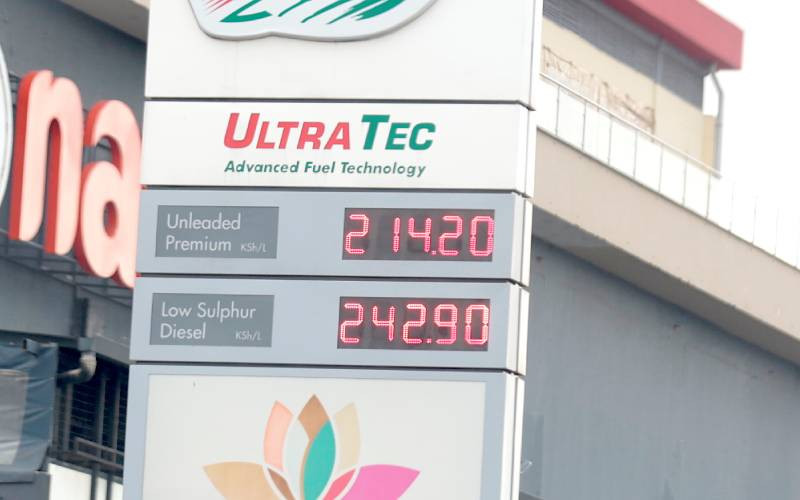
High fuel prices remain one of the most economically disruptive issues confronting many African countries today.
Owing to how essential gasoline is for transportation, electricity generation, industry, agriculture, and logistics, even minor increases can swiftly spread across an economy, raising the cost of almost everything from food and shelter to public transportation and industrial production.
The challenge is especially serious in countries that rely heavily on imported refined petroleum products while also dealing with weak currencies and poor energy infrastructure.
This renders the continent extremely exposed to global oil price fluctuations, geopolitical instability, and shipping disruptions.
When international crude prices rise, African consumers and businesses frequently experience direct consequences such as higher transportation charges, inflation, and growing operating costs.