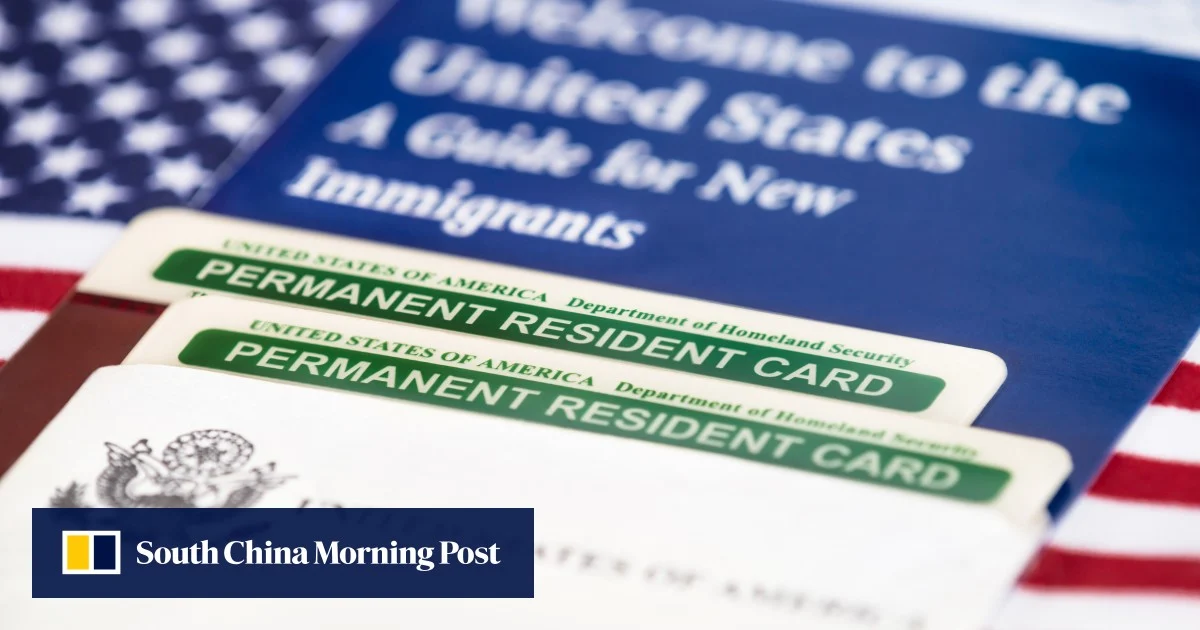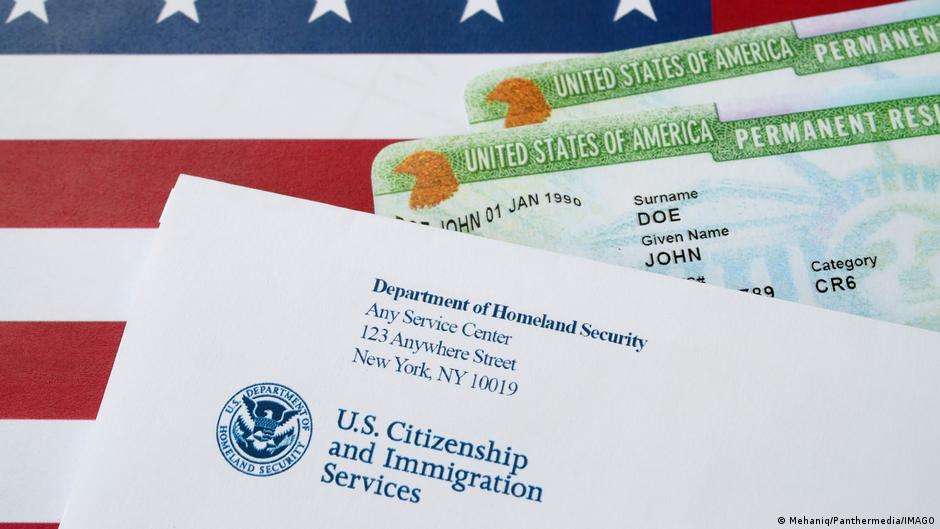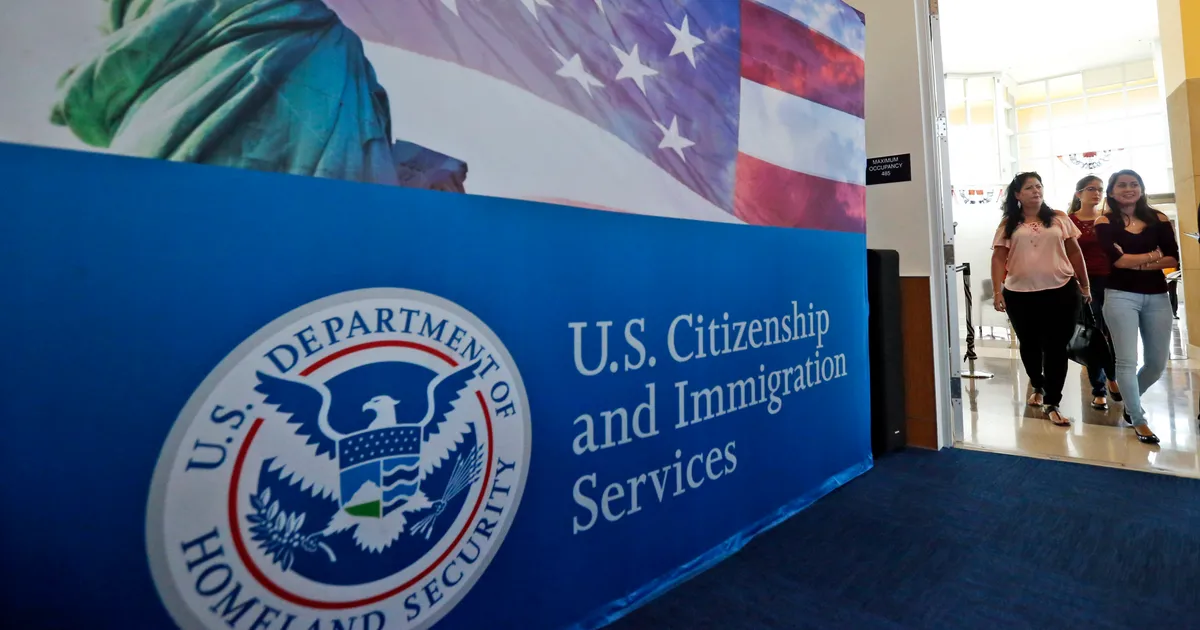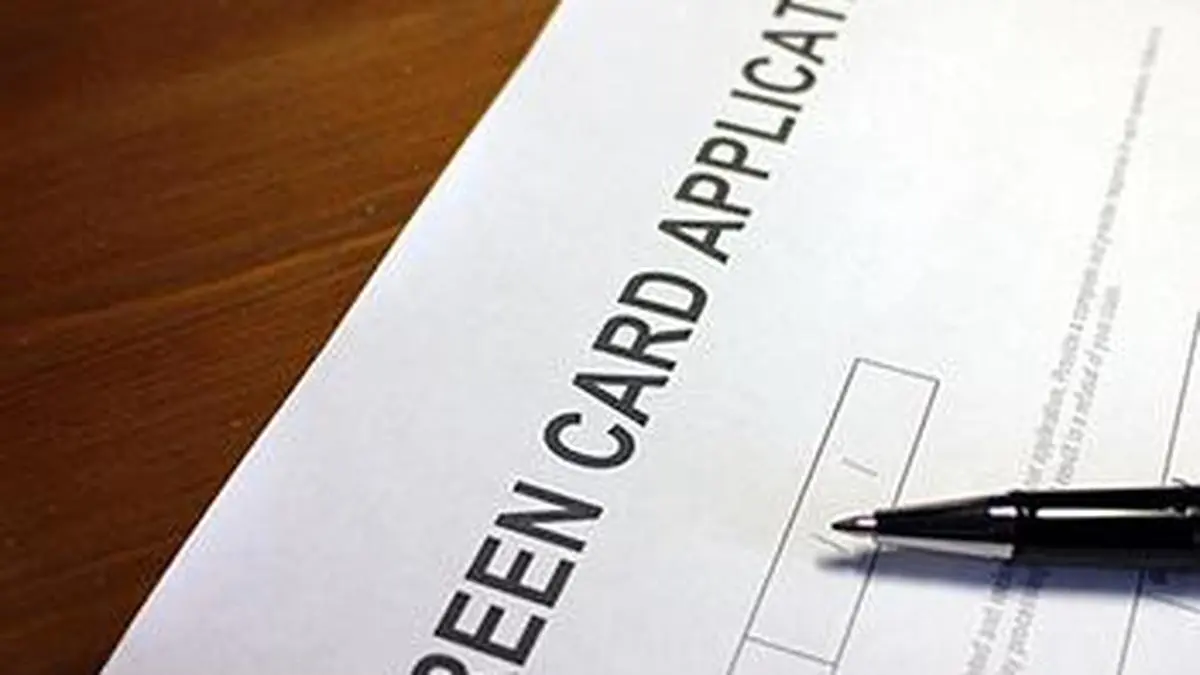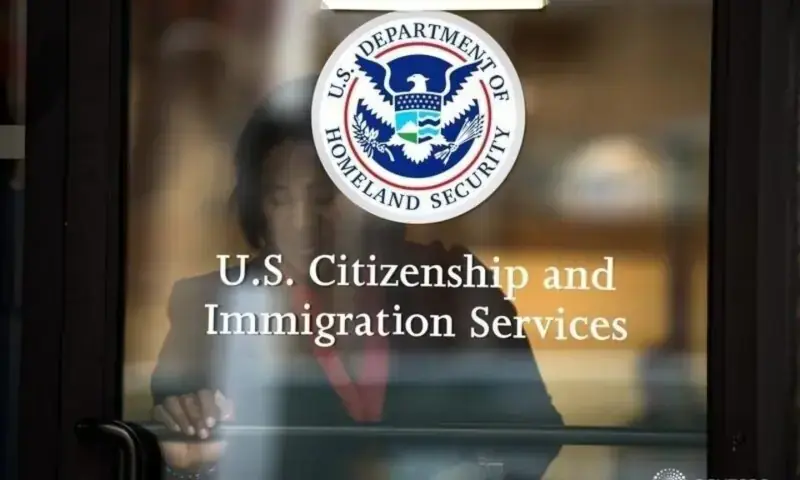
Most US immigrants will now have to leave the country to reapply for green card status under the latest tightening of citizenship measures.The US Citizenship and Immigration Services announced a new policy on Friday, stating foreigners seeking adjustment of status must do so through consular processing via the Department of State, outside of the US.All applicants will be assessed on a case-by-case basis, to determine if their circumstances make them eligible to benefit from extraordinary relief.USCIS Spokesman Zach Kahler said the policy allowed the US immigration system to function as the law intended, instead of incentivising loopholes.“We’re returning to the original intent of the law to ensure aliens navigate our nation’s immigration system properly,” he said.“When aliens apply from their home country, it reduces the need to find and remove those who decide to slip into the shadows and remain in the US illegally after being denied residency.“Non-immigrants, like students, temporary workers, or people on tourist visas, come to the US for a short time and for a specific purpose.”Mr Khaler said the system was designed for those on short-term visas to leave when their visit is over, and trips to the US should not function as the first step in the green card process. The number of Emiratis visiting the US to study has almost halved in recent years, due to concerns over gun crime and high tuition fees.According to the latest Institute of International Education's Open Doors report, around 1,500 Emiratis were studying at US higher education institutions, a decline from around 2,900 students recorded in 2015.The HIAS refugee support group criticised the move, claiming legitimate asylum seekers who have fled violence in dangerous countries may be at risk. Ukrainian refugees cross into the US. AFPInfoAn earlier decision by the Trump administration increased the midyear limit on the number of refugee admissions allowing an additional 10,000 white South Africans into the US.Meanwhile, tens of thousands of refugees remain stranded after an indefinite suspension of the country’s refugee programme in January 2025.It has left some 200,000 people stuck in border camps and immigration detention centres awaiting cases to be heard, mainly from Afghanistan, Syria, Venezuela and the Democratic Republic of Congo.The US lowered its annual refugee intake limit to 7,500 for 2026, causing extreme backlogs and bottlenecks.
Trump orders foreigners seeking green card residency renewals to return home to apply | The National
New rules force most applicants to leave the US to process renewal applications
378 words~2 min read