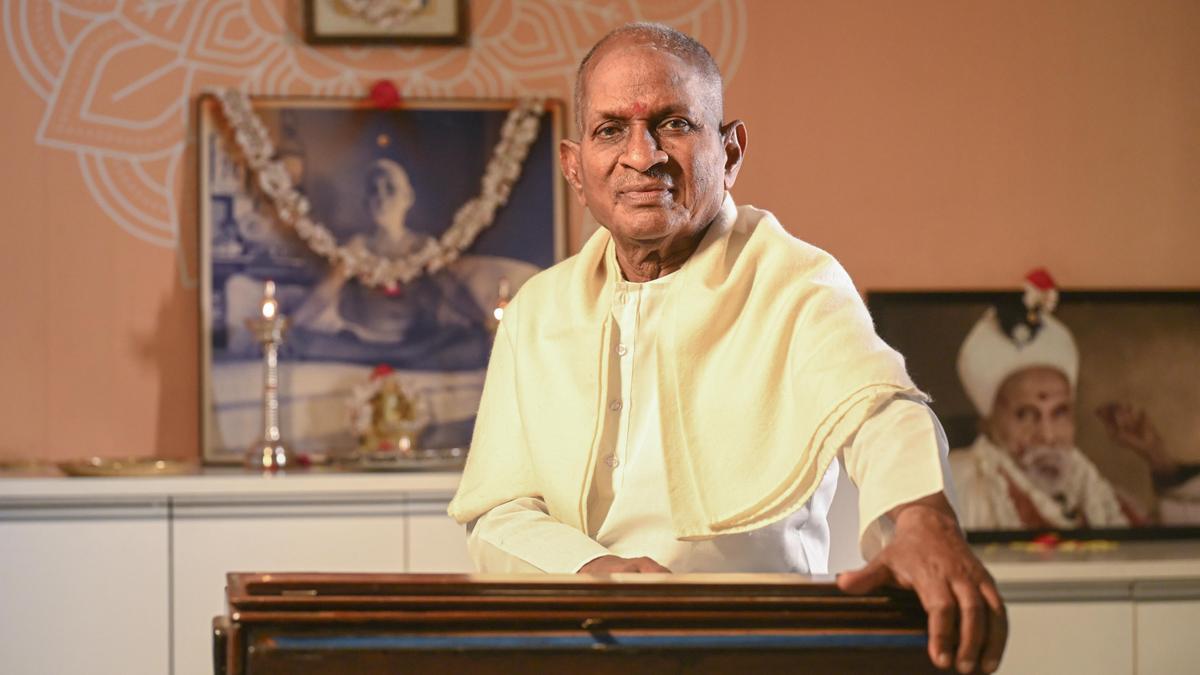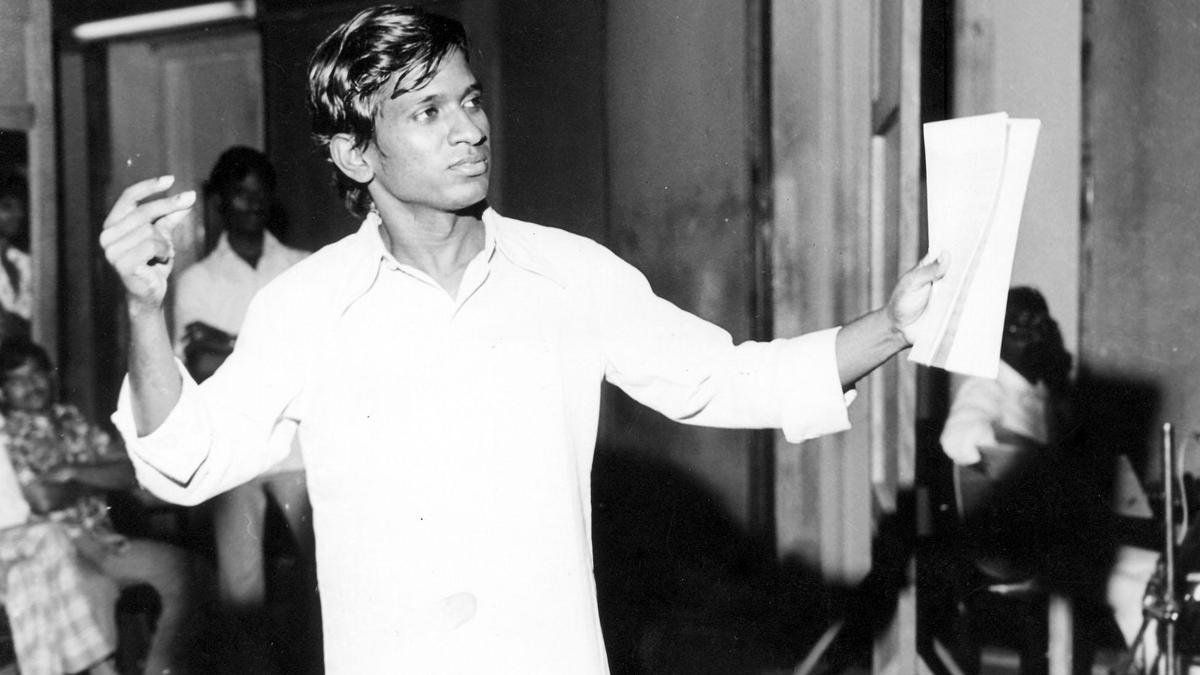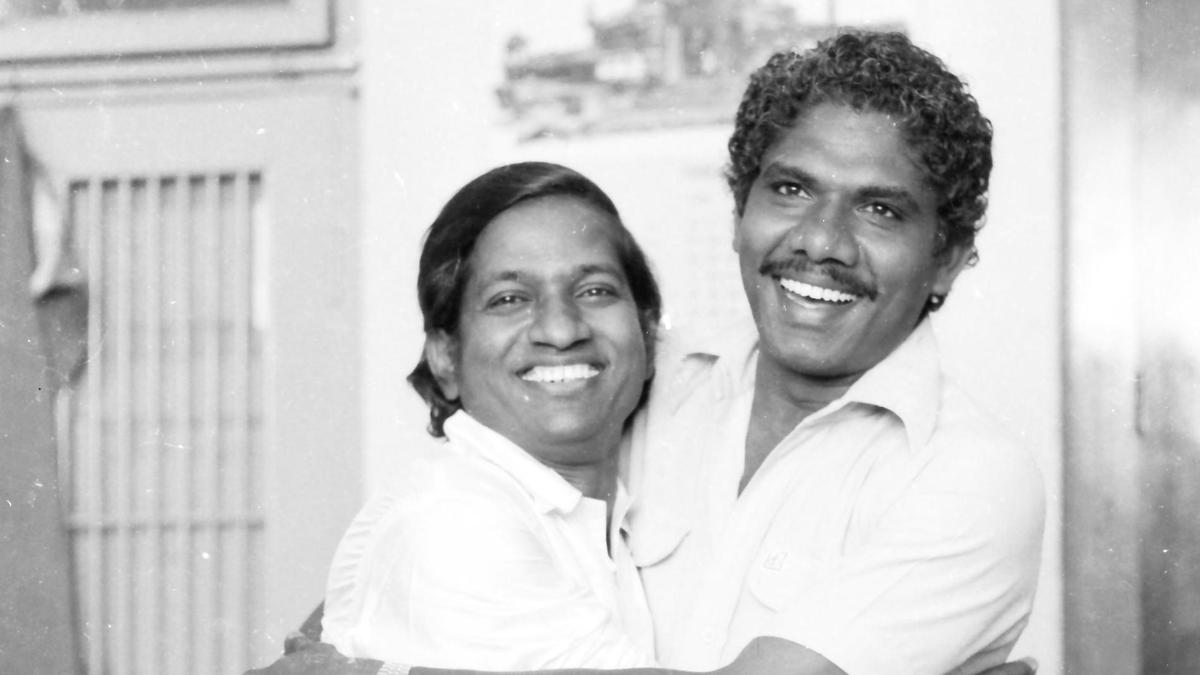
On May 14, 1976, a quiet musical tremor began in Tamil cinema. Few could have imagined that the young composer from rural Tamil Nadu, making his debut with Annakili, would go on to alter the soundscape of Indian film music for generations. Fifty years later, Ilaiyaraaja remains not merely a composer but a phenomenon — a musician who dissolved the boundaries between folk idioms, Carnatic grammar, and Western classical architecture, returning them to listeners as something profoundly intimate and human.His journey is often described as extraordinary, but perhaps the more remarkable aspect is its rootedness. Every phase of his music carried the scent of the soil he came from. India changes every few hundred kilometres — language, dialect, rhythm, food, memory. Ilaiyaraaja absorbed these shifting landscapes with astonishing sensitivity. In his hands, a village lullaby could sit beside a Baroque counterpoint; a temple nagaswaram could converse effortlessly with a jazz bassline. Yet none of it felt imposed. His music belonged equally to the scholar and the farm worker, the conservatory and the tea-shop radio.
The defining aspect of the maestro’s music is its rootedness
| Photo Credit:
Special Arrangement