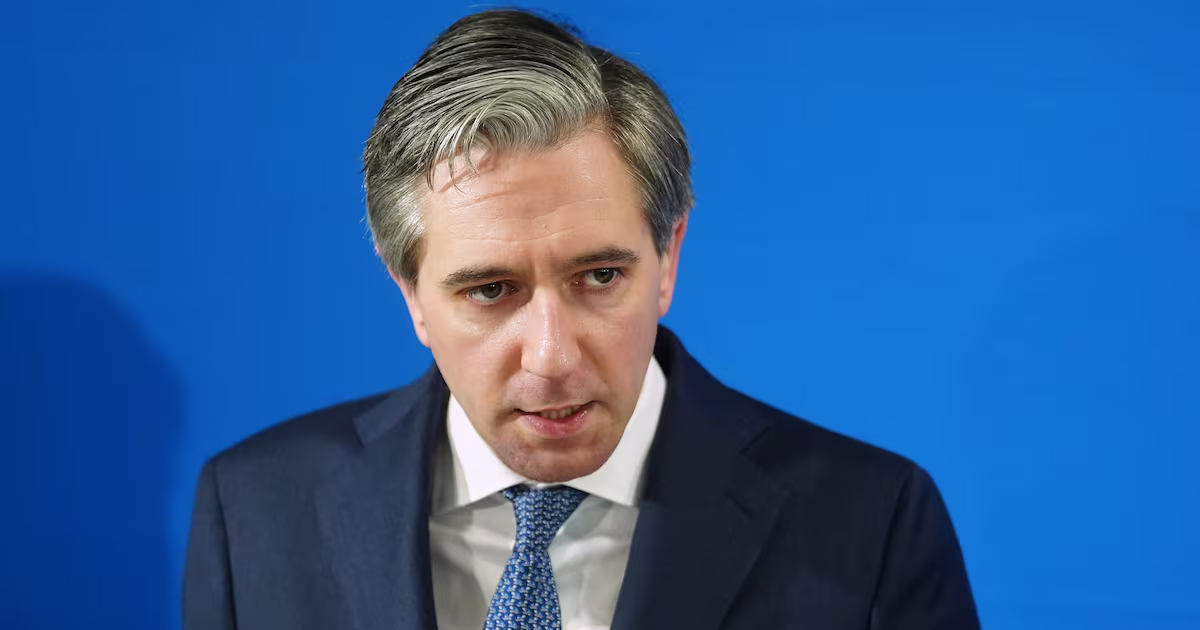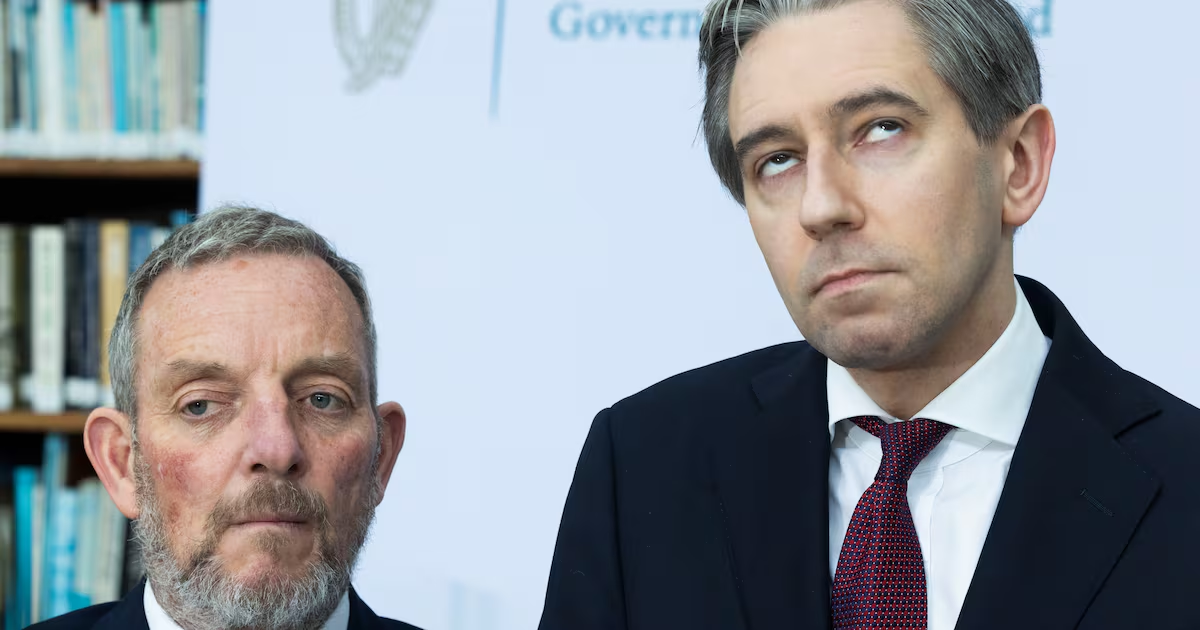
“Damn the torpedoes. Full steam ahead.” That was Minister for Finance Simon Harris’s message this week when asked about his plans to introduce a low-tax savings investment scheme in Budget 2027. If recent warnings from economists about the composition of the savings investment account (SIA) initiative have made even a dent in any Government politician’s enthusiasm for the scheme, there was zero indication of that from the Tánaiste. He insisted to reporters at a Banking and Payments Federation of Ireland conference on Tuesday that the measure would be unveiled on budget day, and the accounts would be available in 2027.Naturally, financial and wealth management types are licking their chops. At Bank of Ireland’s annual general meeting, the lender’s chief executive, Myles O’Grady, and chairman, Akshaya Bhargava, extolled the scheme’s virtues. [ Time running out if Simon Harris wants savings scheme to start in 2027, says industry groupOpens in new window ]They also hinted that plans were afoot to ensure the bank’s subsidiary, Davy Stockbrokers, could capitalise on the expected €7 billion of Irish wealth the industry expects to flow into the SIAs in its first year. Happily, the Coalition’s policy dovetails nicely with O’Grady’s and his board’s plan to expand Bank of Ireland’s wealth management significantly over the next three to five years.Details of the SIAs are still being finalised. Yet, economists Enda Hargaden and Barra Roantree told the Oireachtas finance committee recently that the contours of the scheme, as sketched out by Harris, indicate it could be poorly designed to achieve the minister’s stated goal for SIAs – to get the plain people of Ireland to part with more of their savings and put them into the stock market. That the scheme will be a boon to Irish finance capital is absolutely clear at this point, however. But Harris and his colleagues have done a poor job countering arguments that the policy is little more than a sop to the industry and – crucially, given the profile of the Fine Gael voter base – to the kinds of people who can already afford to set money aside or invest it.
Harris’s savings scheme looks more and more like a sop to Irish finance
Tánaiste insisted this week that the accounts will be available in 2027
351 words~2 min read