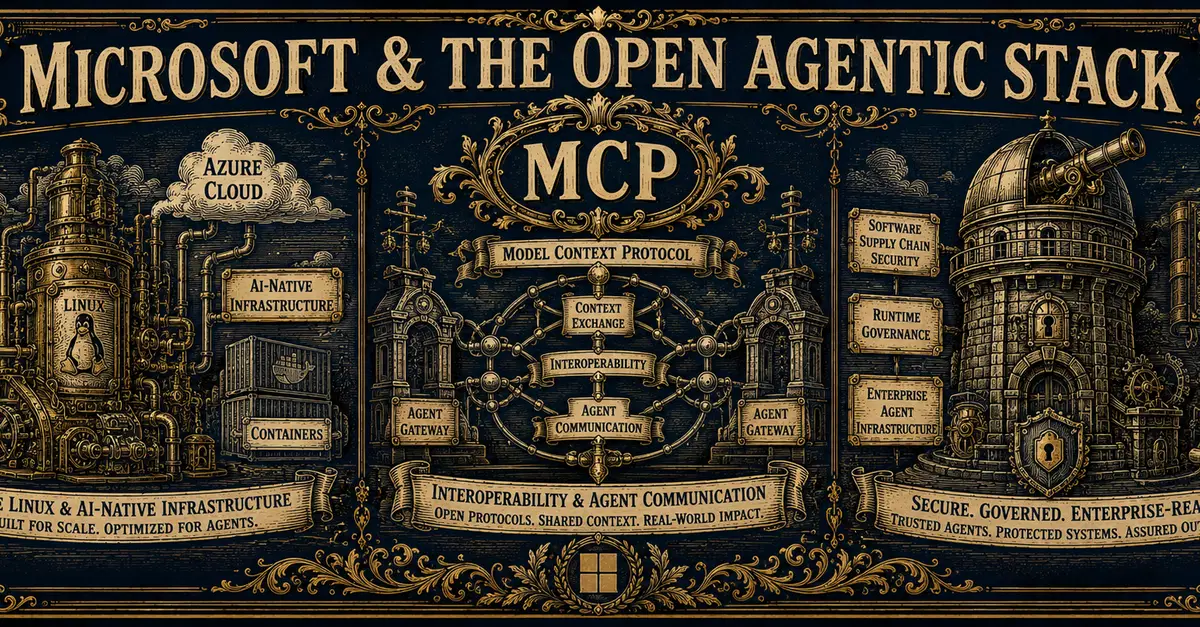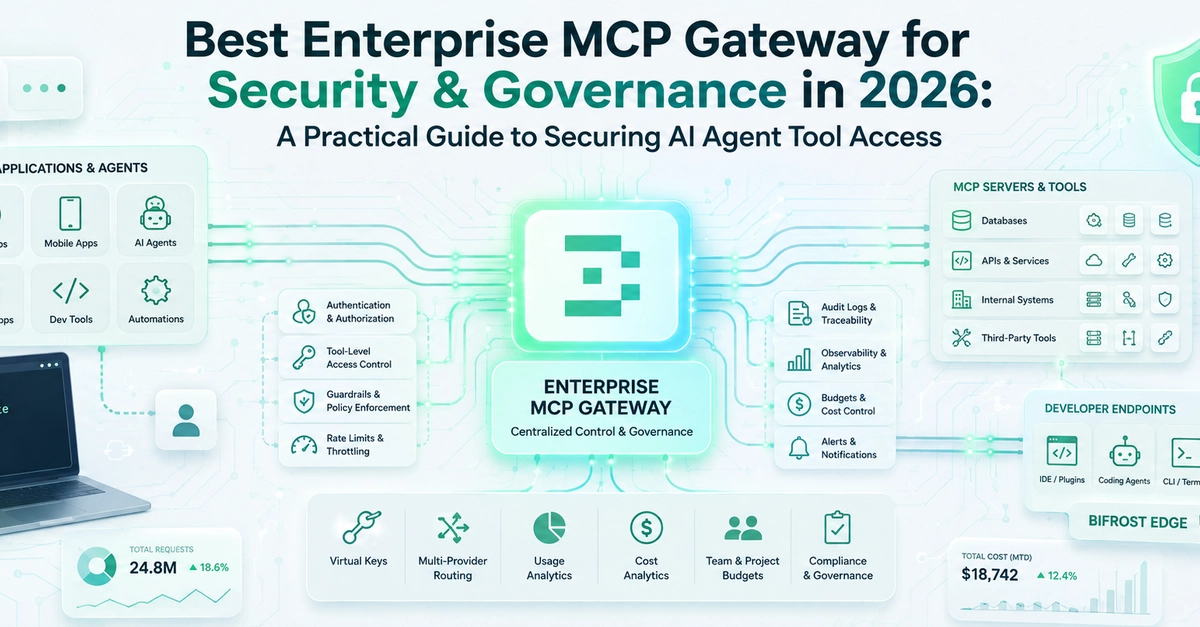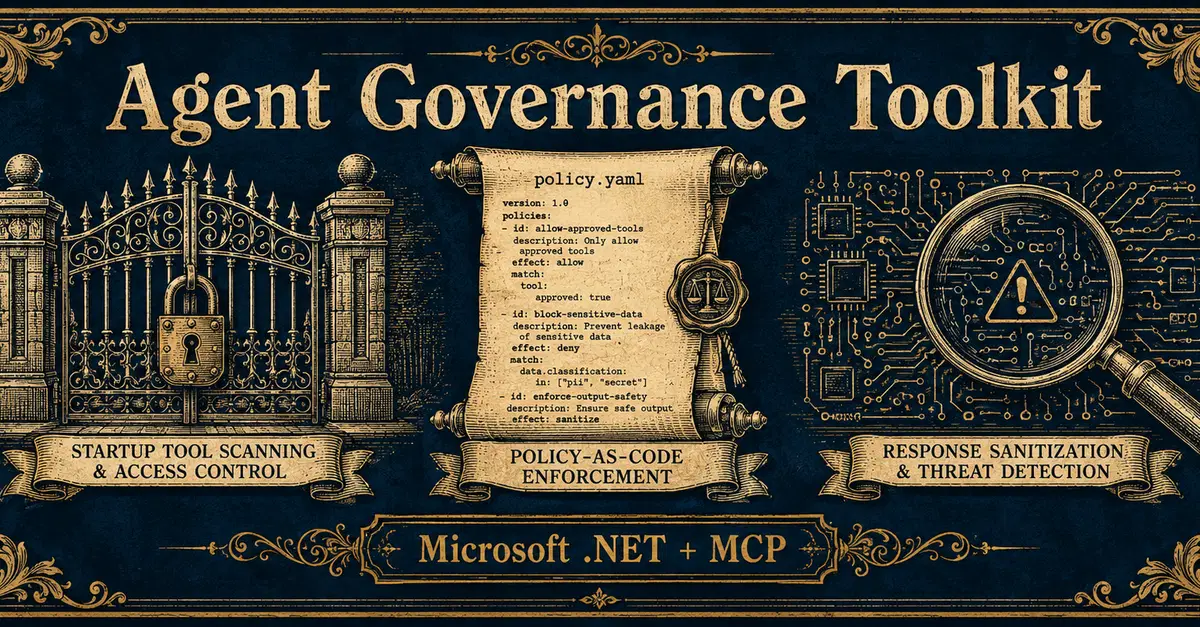
MCP adoption is accelerating fast enough that "connect your tools to an agent" is now a one-afternoon task. Governing what those tools are actually allowed to do - that part is still largely left to the developer. Microsoft just made that problem significantly smaller.
The Problem It's Solving
The Model Context Protocol has made it much easier to connect tools and resources to AI applications. But once those tools are exposed to agents, you also need a reliable way to govern what gets registered, what gets executed, and what comes back from tool calls.
This is the unglamorous underside of the MCP ecosystem. Every guide shows you how to register tools and wire up a server. Almost none of them show you how to make sure a registered tool isn't embedding a prompt-injection payload in its own description. Or that tool output doesn't quietly carry credential strings back into your model's context. Or that a typosquatted tool name doesn't fool your agent into calling the wrong thing entirely.
The MCP specification says that clients should prompt for user confirmation on sensitive operations, show tool inputs to the user before calling the server, and validate tool results before passing them to the LLM. Most MCP SDKs don't implement these behaviors by default - they delegate that responsibility to the host application.