For premium support please call:
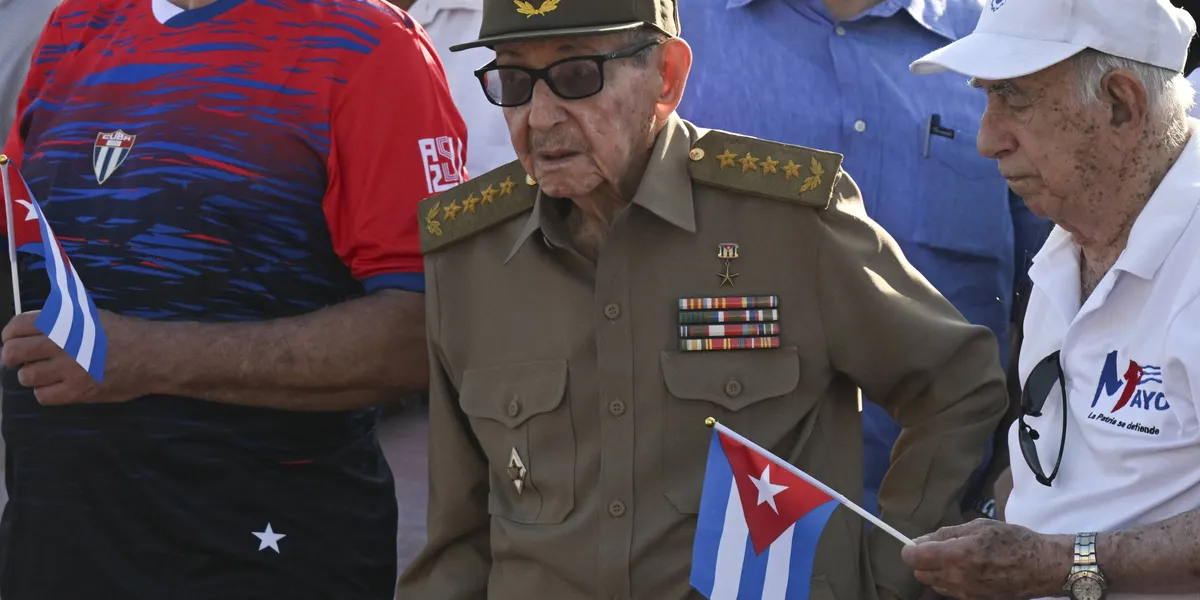
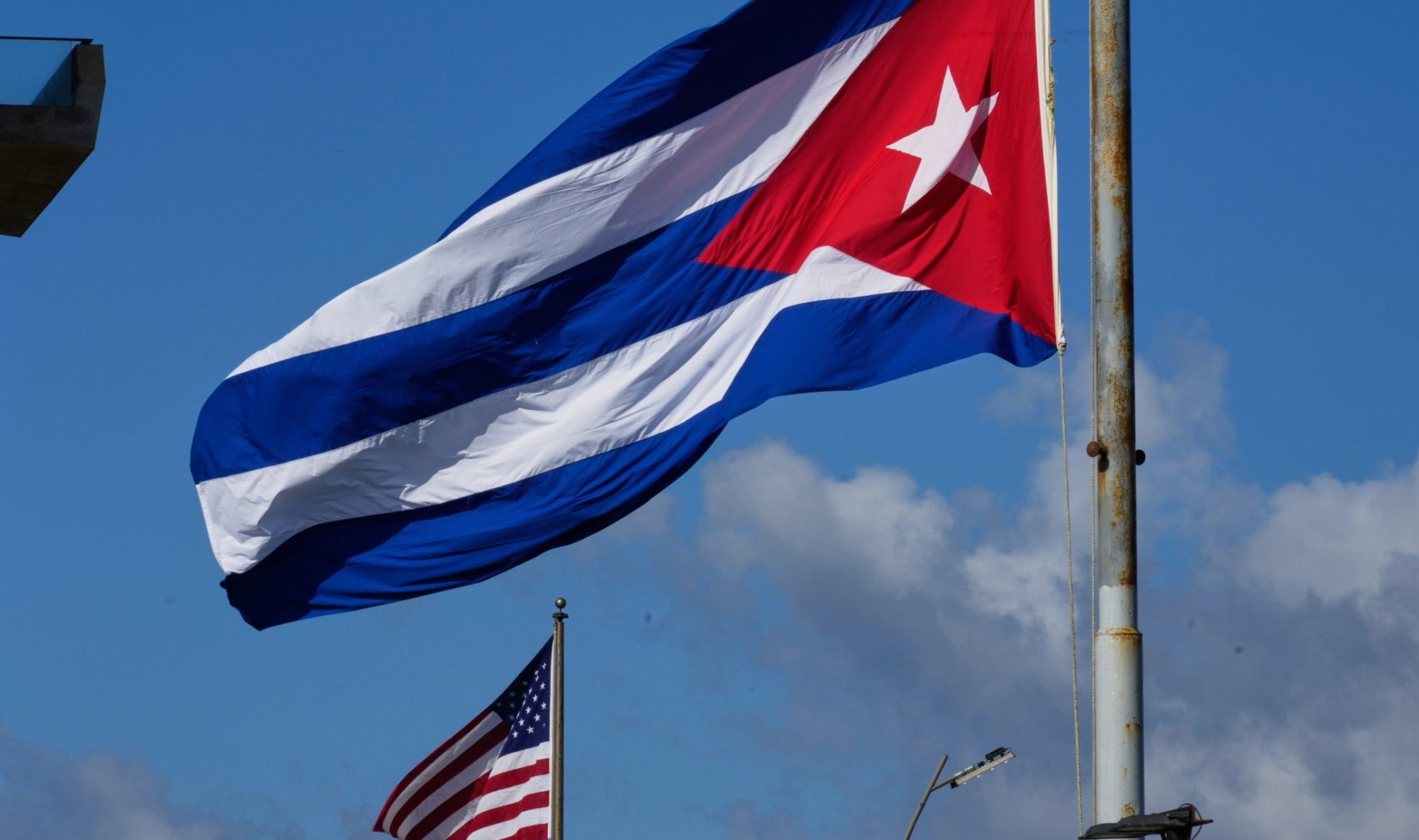
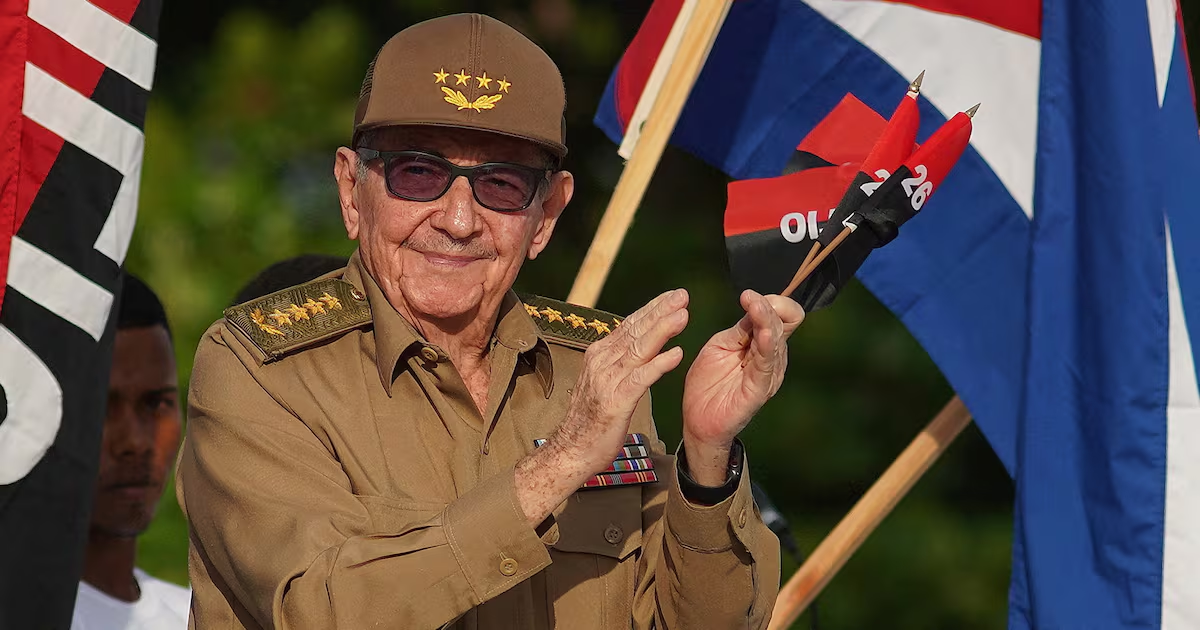
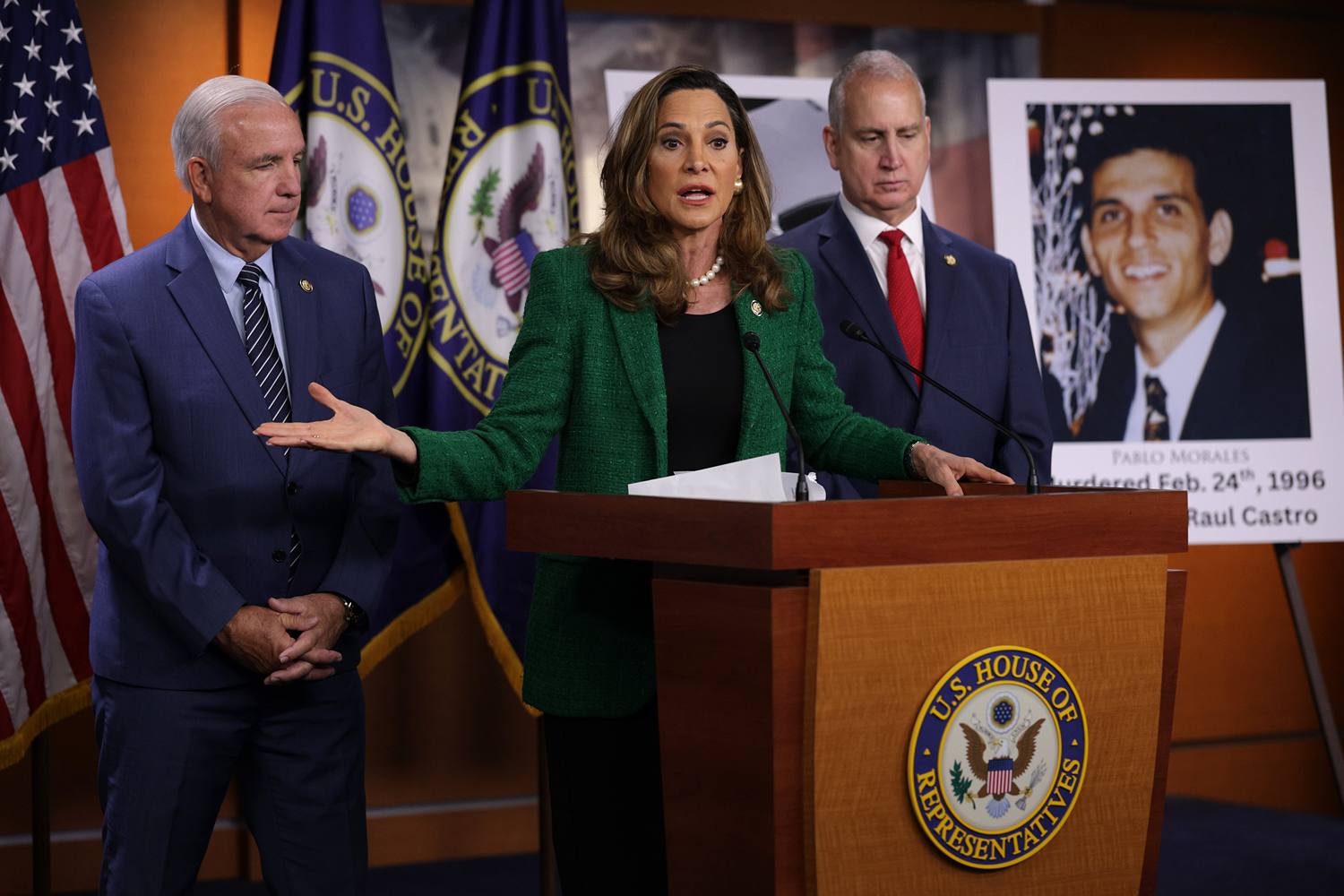
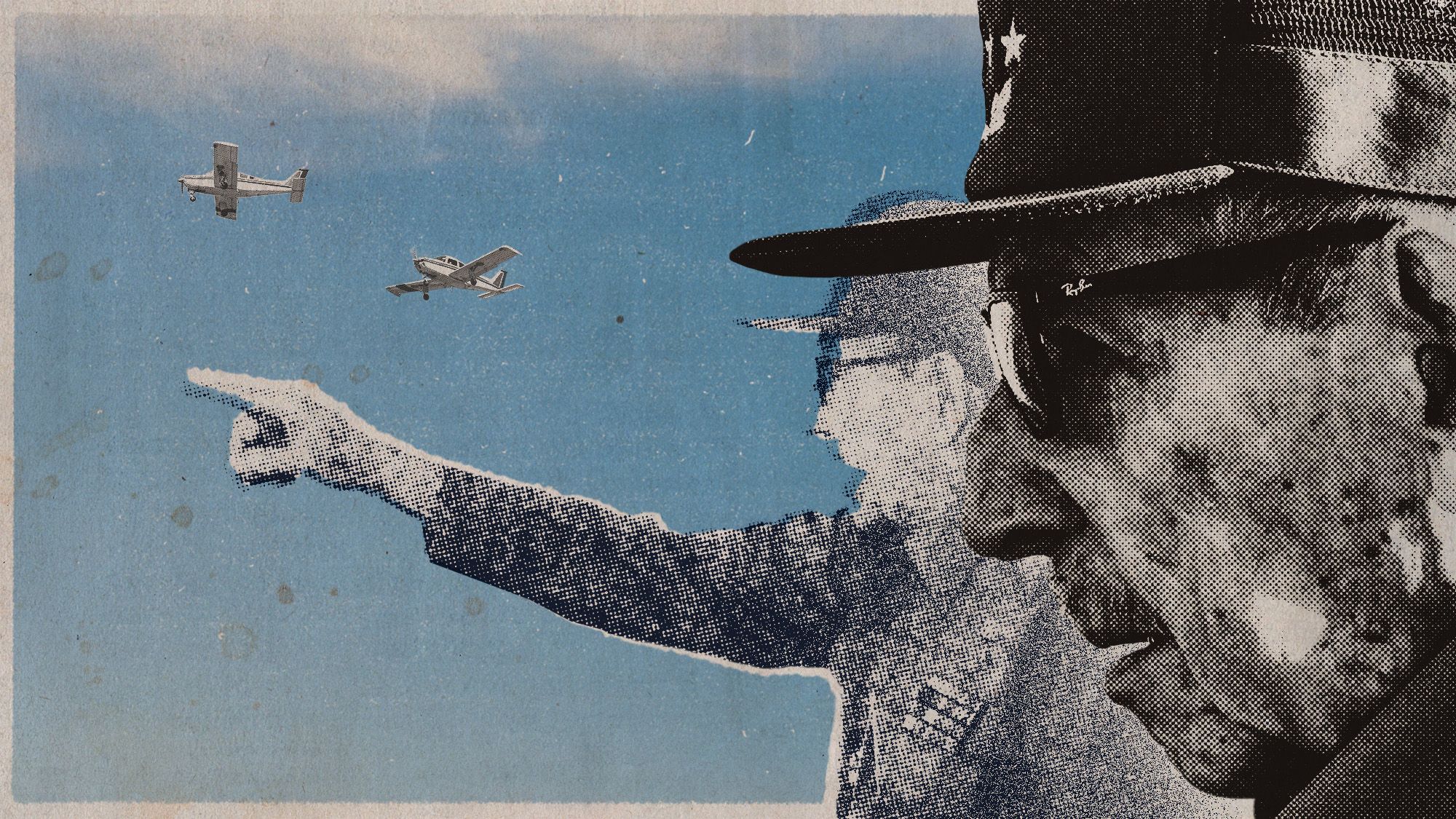
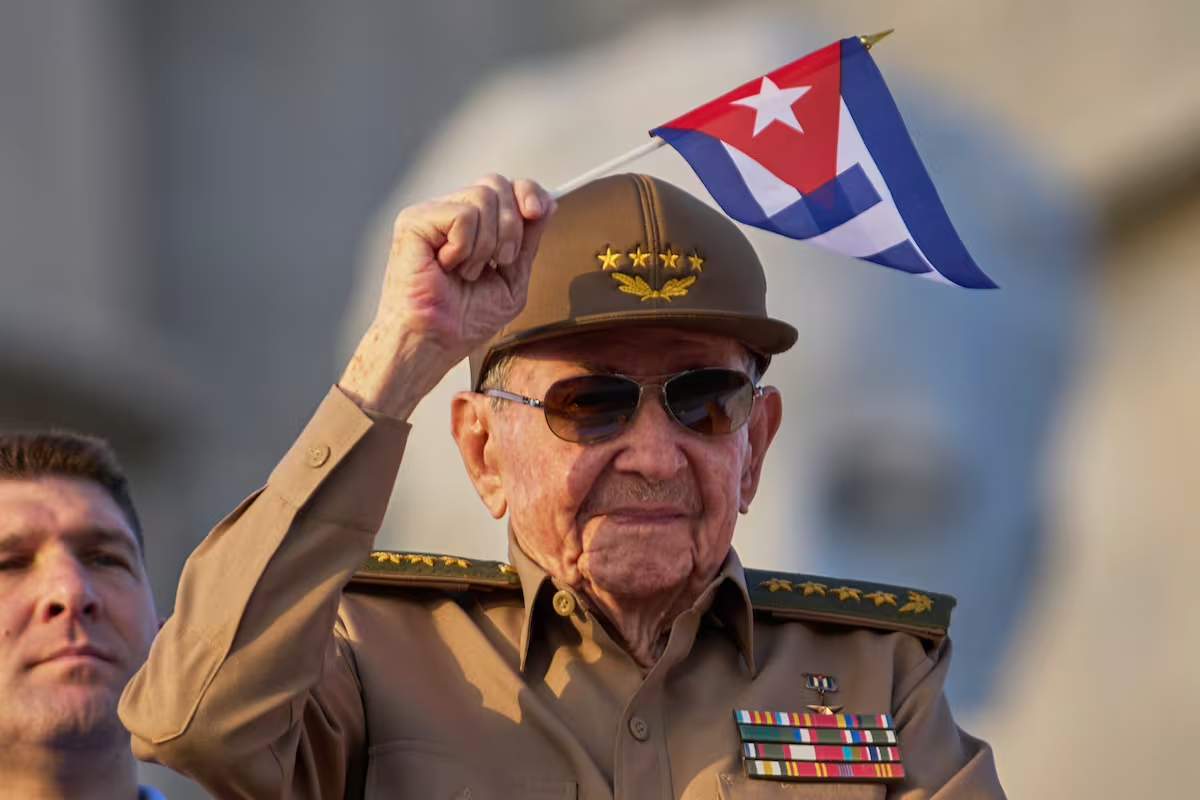
In recent days, the U.S. Navy stationed an aircraft carrier off the coast of Cuba, the White House expanded sanctions on Havana’s leaders and federal prosecutors charged former Cuban President Raúl Castro with murder.
Secretary of State Marco Rubio, speaking to reporters, said what to many is becoming obvious: that the likelihood of a “negotiated and peaceful agreement” with Cuba’s communist government is “not high.”
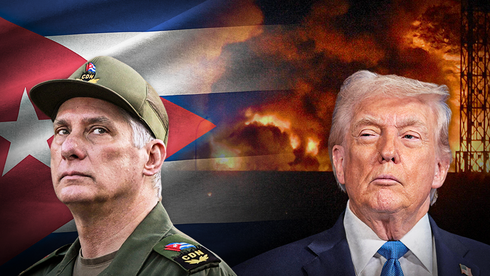
Months into a punishing oil blockade that has triggered widespread blackouts on the island, the Trump administration has ratcheted up its pressure campaign against Havana even further, raising questions about whether Cuba will be the next U.S. target after Venezuela and Iran. The U.S. overthrew Venezuelan President Nicolás Maduro in January and a month later killed Iran’s supreme leader, Ayatollah Ali Khamenei.
Read more:As U.S. threatens, Cubans look ahead, with hope and trepidation