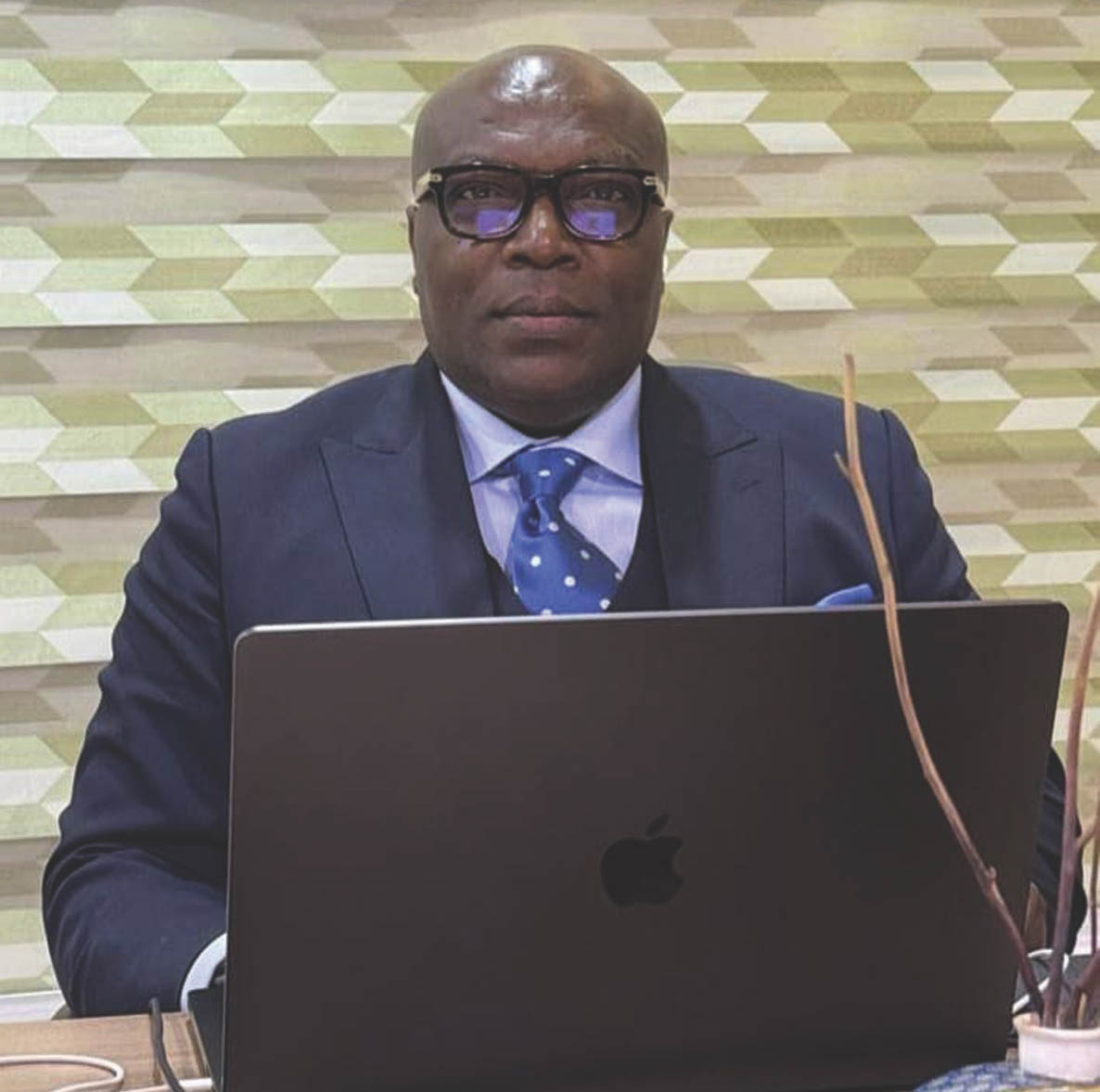
Dr. Jay Osi Samuels, a Harvard-trained public health expert, is the Deputy Chief Executive Officer (Programmes) of APIN Public Health Initiatives, which was set up in 2001 to battle the scourge of HIV/AIDS in Nigeria. As the organisation is set to mark its 25th anniversary, Samuels tells the story of how the organisation moved from being an intervention body to a major player in public health management in Nigeria. Oluchi Chibuzor brings the excerpts:
Can you tell us how APIN Public Health Initiatives came to be 25 years ago?
APIN started as a project of the Harvard School of Public Health in 2001, which was also how APIN derived its name, AIDS Prevention Initiatives in Nigeria, with $25 million funding from the Bill and Melinda Gates Foundation. The project focused on conducting molecular epidemiology of the virus and implementing community prevention efforts in Nigeria, with a specific focus on three states: Lagos, Plateau, and Oyo. The reason for that was that, from 2000 to 2001, Nigeria was just emerging from a military dictatorship, and before that, Nigeria was more or less a pariah in the international development community. Because of our population, there was a concern of Nigeria’s HIV prevalence hitting and surpassing the five percent threshold, with its resultant devastating effects, which have already been documented in countries like South Africa and Kenya. It was with this in mind that Prof. Phyllis Kanki, who was the lead investigator for the Harvard School of Public Health and who, through her work in Senegal, described the HIV 2 virus, wrote a proposal to the Bill and Melinda Gates Foundation on the need to stem the tide of HIV/AIDS in Nigeria and prevent the implosion. In Oyo and Plateau States, the work was more scientific and laboratory-based and was about studying the molecular epidemiology of HIV/AIDS in Nigeria, characterizing and understanding the different strains of the virus. In Lagos, the efforts were more about prevention, and we were working with the New Era Foundation, which was set up by the then First Lady of Lagos State, Senator Oluremi Tinubu, who is now the First Lady of Nigeria. Her Foundation was an umbrella body working with about 30 other community-based organisations. So through funding from APIN, she was able to work with these other organisations. In 2004, the US government announced its initiative, which was the US President’s Emergency Program for AIDS Relief, PEPFAR. It was a different program as the then US President, George Bush, was concerned with the HIV/AIDS prevalence in Africa and its impact on the continent. So, he set up PEPFAR as an intervention to address it, and, of course, because of Nigeria’s strategic position in Africa, he specifically asked that Nigeria be the country of focus in Africa. They also had a criterion that any investigator must have at least three years of experience in their country of interest. Prof. Kanki was specifically invited to bid for the program. She won the grant to work in Nigeria, Tanzania, and Botswana. And this marked the beginning of the APIN treatment program in Nigeria, per se. That was how APIN evolved from a preventive project to a more service delivery intervention body in terms of HIV/AIDS in Nigeria.