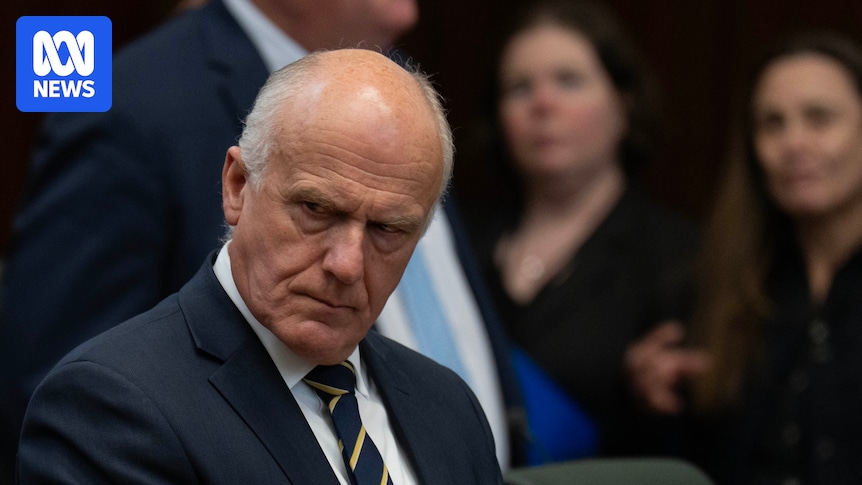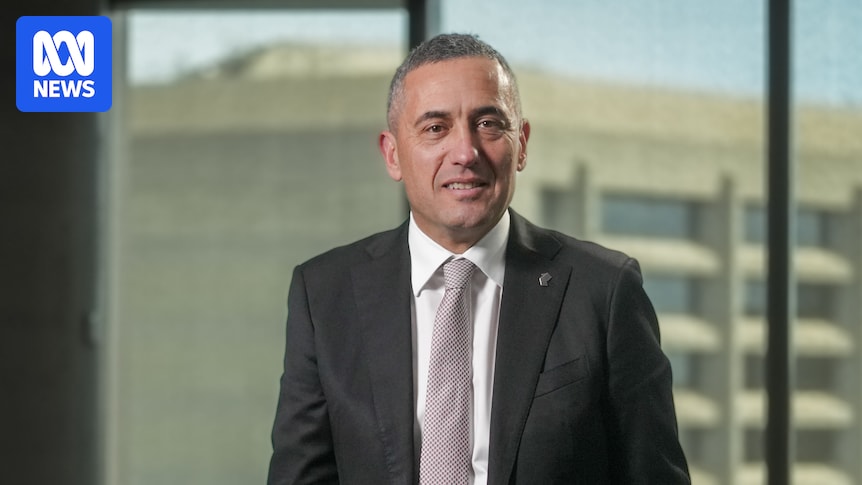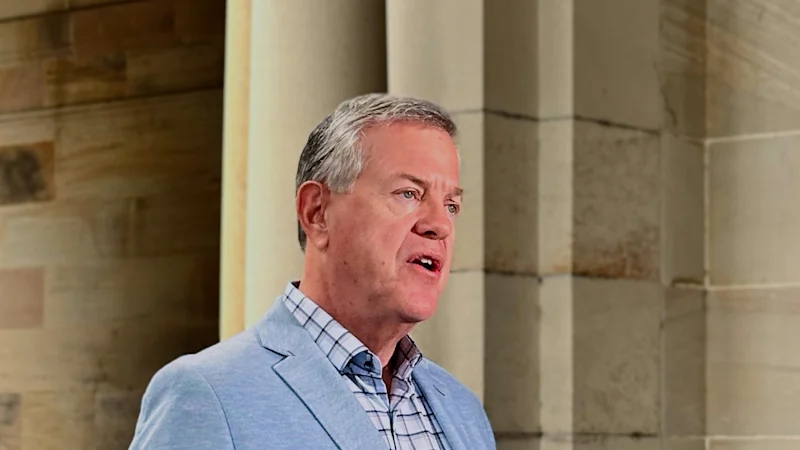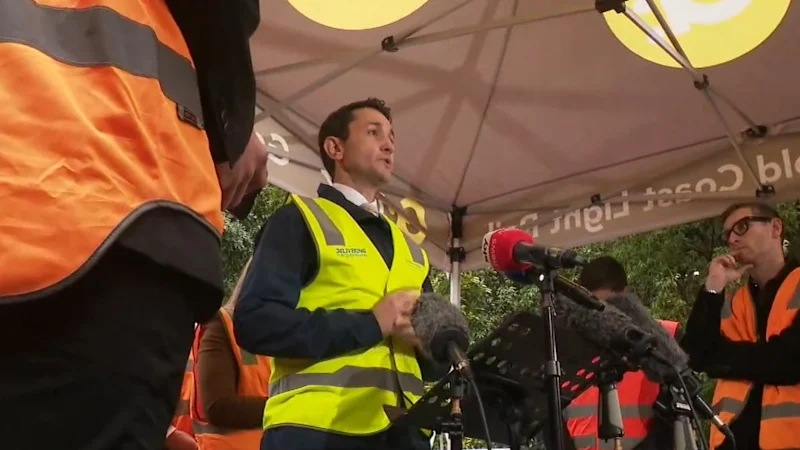
Health groups have slammed $700 million worth of cuts to the Tasmanian Health Department, calling them "completely unrealistic".Thursday's state budget, handed down by Treasurer Eric Abetz, included $1.47 billion in "operational efficiencies" across the public service over four years, to help square the state's finances by the end of the decade.Eric Abetz is trying to get the state's finances back on track in the face of massive amounts of debt. (ABC News: Jake Grant )As the largest department, Health carries the largest share, needing to find $702.61 million over four years, including $131.45 million in the upcoming year.The Australian Medical Association's Dr Michael Lumsden-Steel said the expenditure targets set in this budget did not "reflect the reality of what we're spending"."We know we need to find efficiencies, but it's impossible to find efficiencies when we don't have the resources to care for patients in 2026," he said."Every doctor I know that's involved in the healthcare system that's got a budget they look at — they laugh at it and they think this is a joke."Dr Michael Lumsden Steel says any savings found should be pumped back into patient services. (ABC News: Ebony ten Broeke)According to the budget, expenditure by the Health Department is set to rise — from $3.66 billion in 2026-27, to $3.87 billion by 2029-30.The 7.8 per cent increase in health expenditure over the budget's forward estimates is lower than Treasury's inflation prediction of 11 per cent over the same period.The AMA estimates inflation in the health sector is higher, putting it at between four and eight per cent annually.It also says demand for health services is growing by six per cent annually.Emily Shepherd says the cuts would increase the workload for her members. (ABC News: Luke Bowden)Emily Shepherd, secretary of the Australian Nursing and Midwifery Federation Tasmania, said the savings targets showed " a complete disconnect between the existing challenges occurring within the health system, and the current budget".She flagged it would only increased the current workload for nurse and midwives in the system.Labor calls on Health Minister to correct record Health Minister Bridget Archer has said the 2026-27 budget shows continued growth in health funding," claiming "there are no cuts to health".Bridget Archer says there are no new cuts to health funding under the new state budget. (ABC News: Ebony ten Broeke)However, Treasurer Abetz has confirmed the Health Department will be part of the $1.47 billion "operational efficiencies" program, meaning the department will need to scrap more than $700 million in programs or staff to achieve the goal.Pointing to that figure, Labor said the cuts were in the budget in "black and white"."Bridget Archer must immediately correct the record after falsely trying to claim there are no cuts to health in the budget," said the party's health spokesperson Sarah Lovell.The budget's a joke, says AMAThe state budget says the Health Department will be "prioritising frontline services", but there is no guarantee it will not impact them.It broadly outlines strategies for meeting the $702.61 million in savings, saying they will be achieved through improved cost recovery (fees and charges), enhanced vacancy management with a focus on reducing locum and agency costs, as well as a revised executive structure.A nurse reads a monitor in a hospital room on 25/6/25. (ABC News: Keane Bourke)The budget also says the department will "build on initiatives already underway" including reduced leadership roles, consolidating office space, communications, staff travel and more.Dr Lumsden-Steel said any savings found should be reinvested back into patient services, not used to better the budget position."It's not okay that patients wait three years for their surgery.""It's not okay that patients wait 10 weeks for a pathology sample that finds out they've got cancer and then we have to change their treatment,"Over the three-year period from 2026-27 to 2028-29, $265 million more in new state health spending is included in this budget, compared to last November's Interim Budget.The federal government has also agreed to chip in an extra $527 million to health over that period of the new National Health Reform Agreement.Dr Lumsden-Steel is wondering where some of that money has gone."What it seems to be is the states are now pocketing some of that money and they're diverting that elsewhere to make the budget look better" he said."There really is a lot of smoke and mirrors that seem to be coming out with this year's state budget."A state government spokesperson said in the Interim Budget, the "Tasmanian government was forced to step in and fund additional demand amid uncertainty over the federal government's commitment under the National Health Reform Agreement".Departmental increases unlikely to cover wage risesANMF secretary Emily Shepherd said the cuts would "decimate the health system", and expressed concern about "non front-line" positions being cut."It just means that nurses and midwives workloads increase because they're picking up duties after hours for instance — cleaning beds or they're doing administrative work that would've otherwise been undertaken by support staff."Spending on locum nurses has risen 600 per cent in the last five years, to hit $105 million in 2024-25, roughly five per cent of the department's budget.Ms Shepherd said failing to address workloads would undermine the department's goal of reducing its reliance on locum and agency nurses."Tasmania is an outlier in that regard now in relation to not having ratios across the Tasmanian health service, so it really does mean that there's not a lot attracting nurses and midwives to Tasmania and encouraging people to stay."The Health Department has two separate wage negotiations approaching — the three-year agreement for nurses and midwives ends on June 30 this year, while doctors signed a one-year deal last year.Most other wage agreements recently signed by the Tasmanian government have included annual pay rises of around three per cent.The budget books say agencies will need to "absorb" any wage increases above 2.5 per cent through "internal savings, service re-prioritisation or workforce adjustments."
Health Minister denies health cuts, despite asking department to find $700m in cuts
Health groups fear the impact of hundreds of millions of dollars in cuts expected to be found in the Health Department as part of Treasurer Eric Abetz's state budget operational efficiencies program.
978 words~4 min read