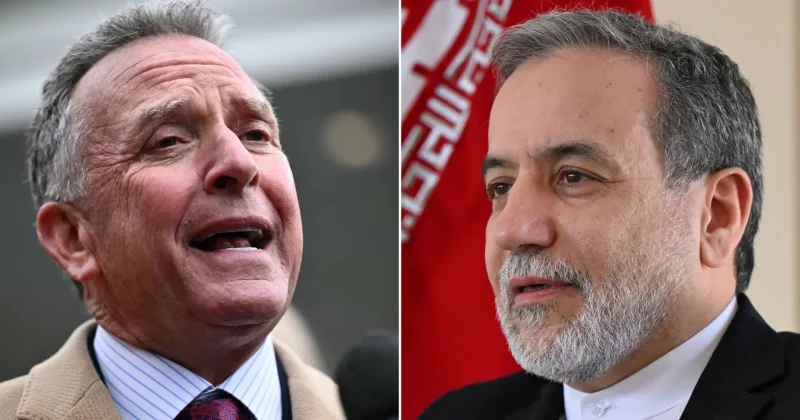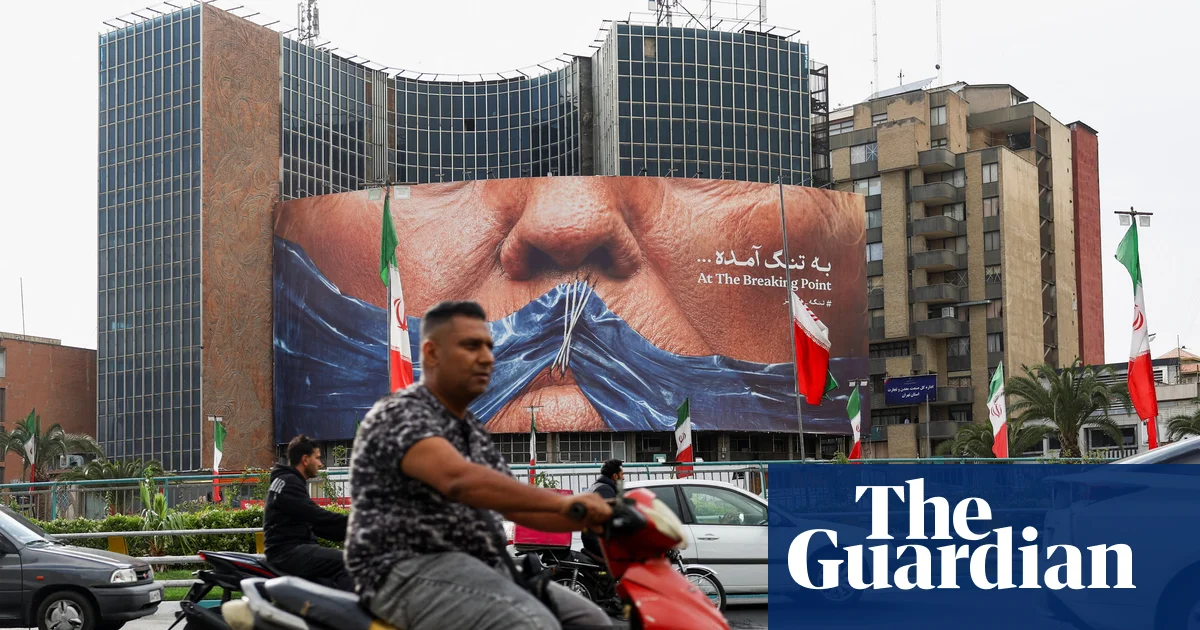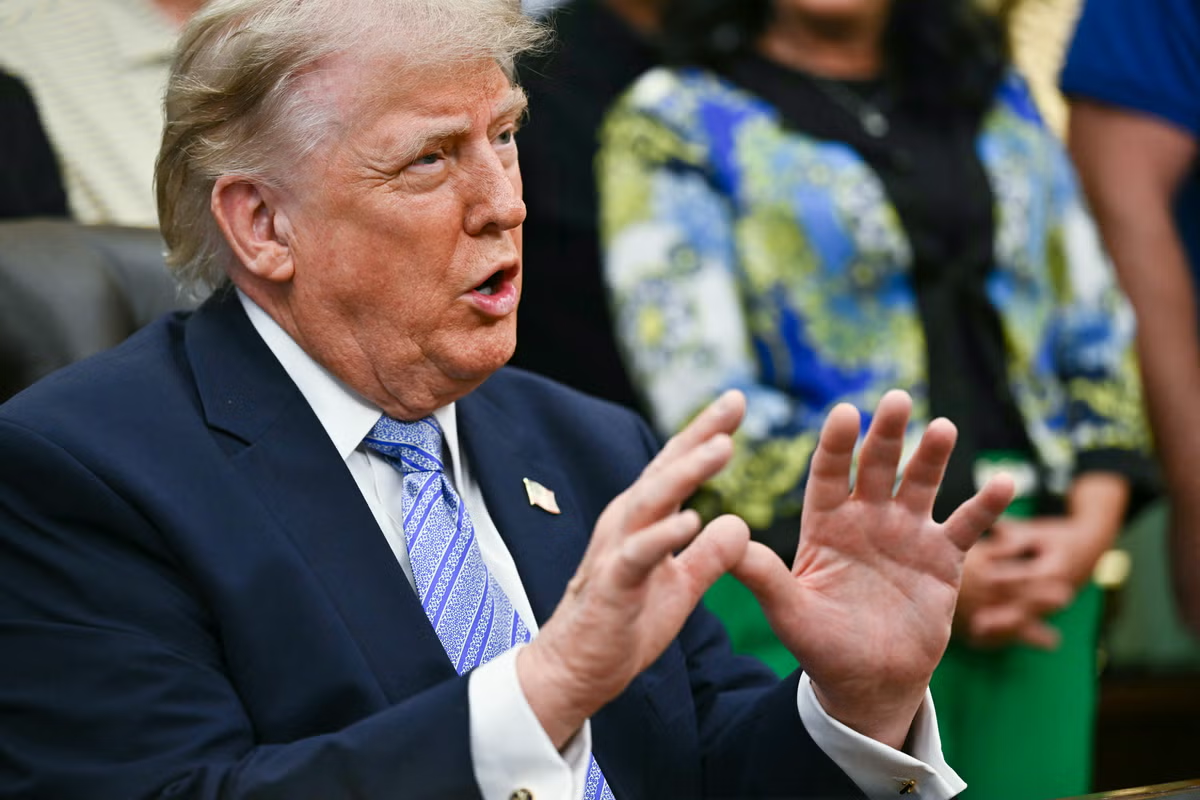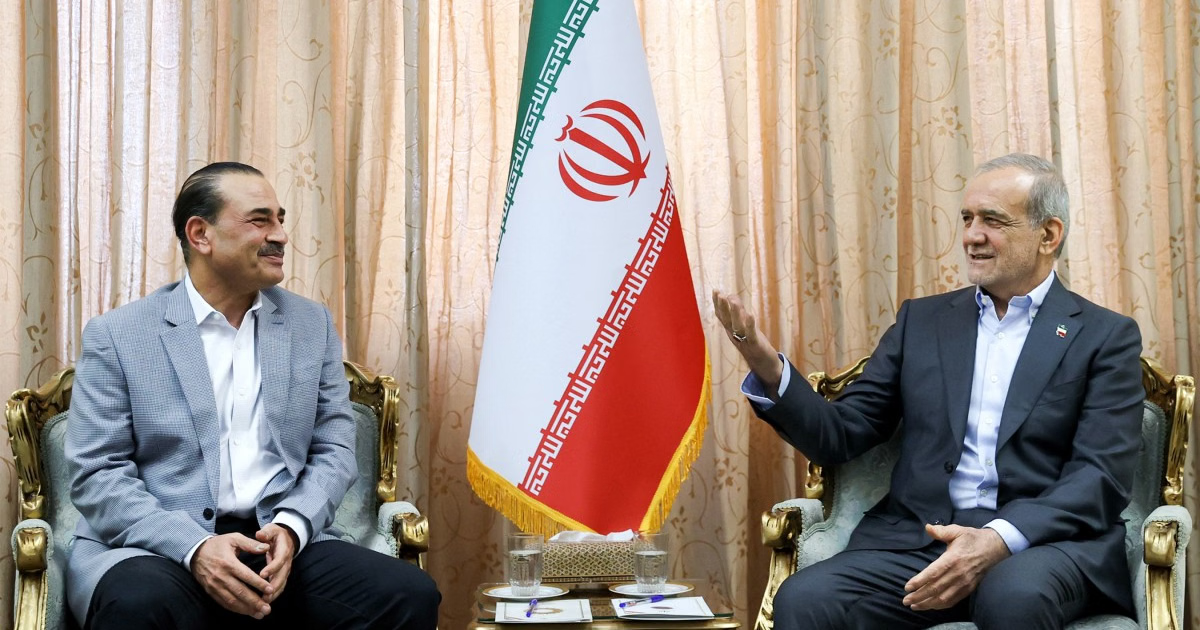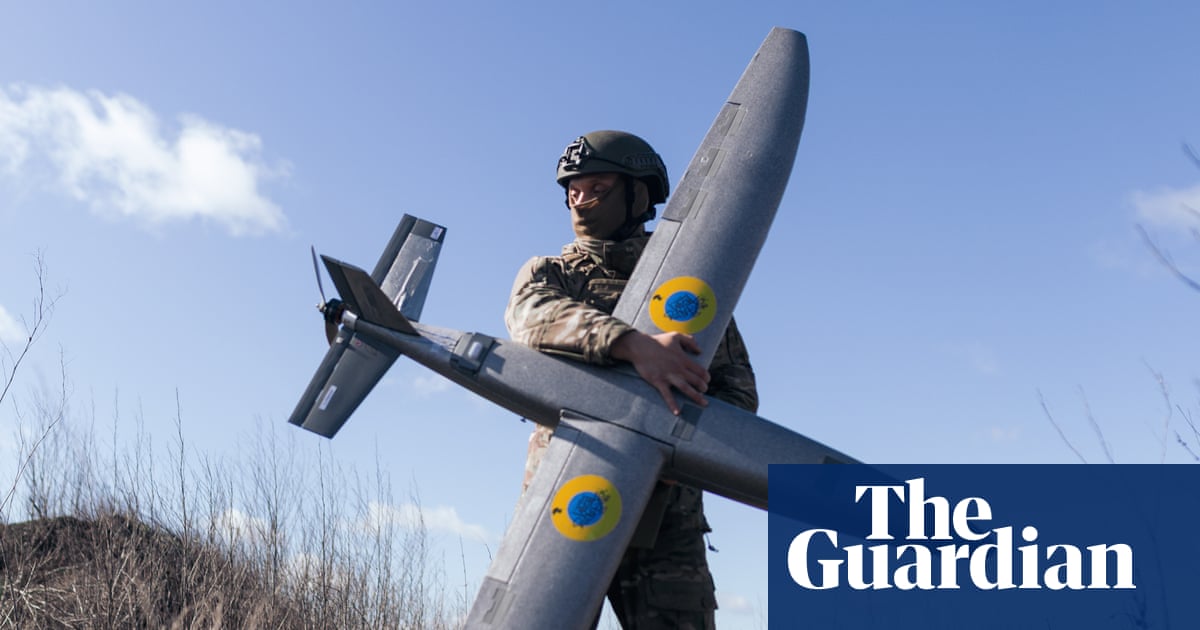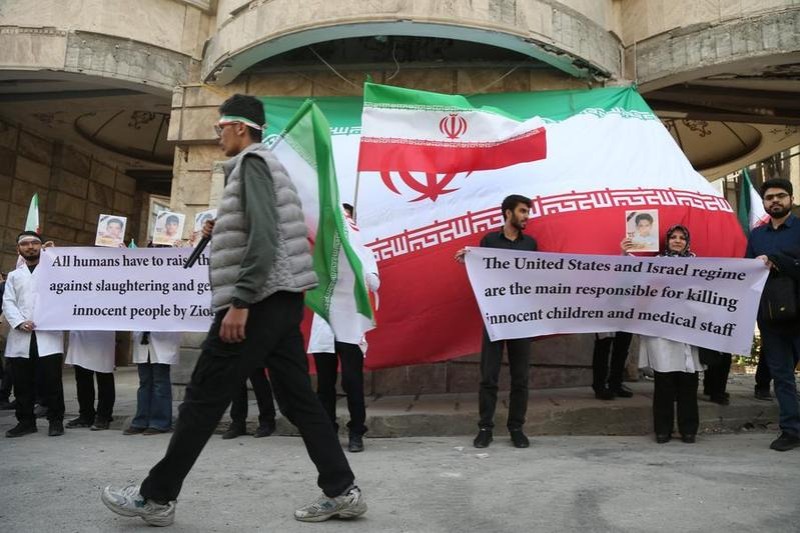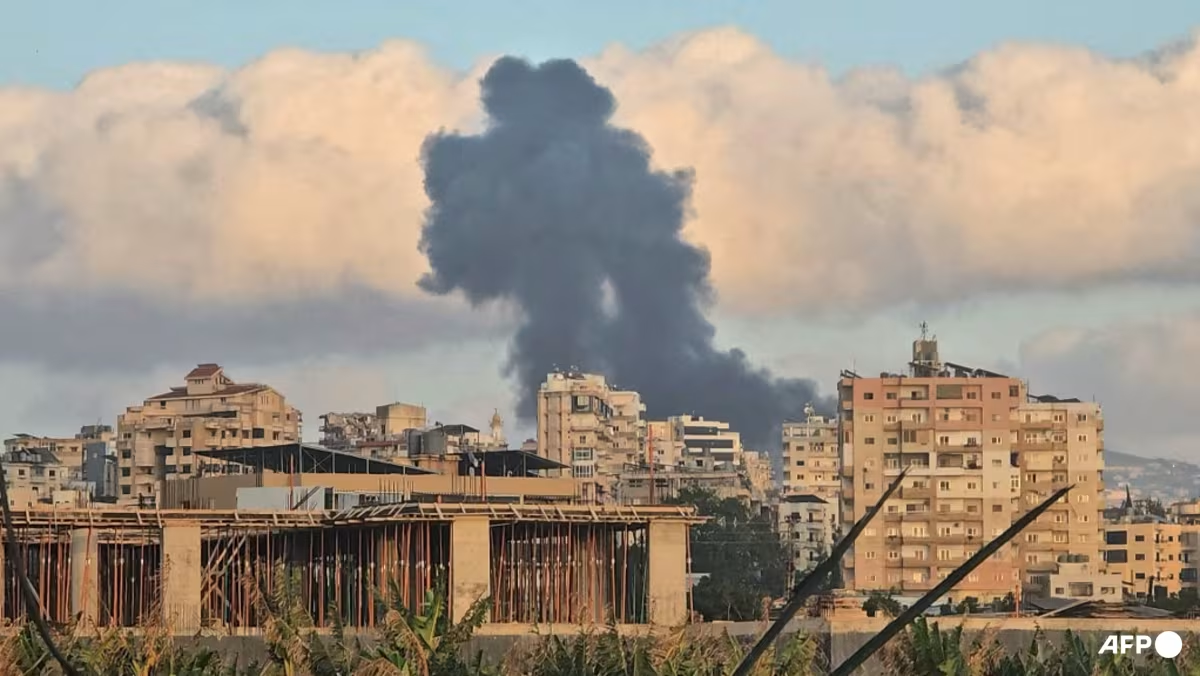
EDINBURGH, Scotland: Mediators in both the Iran and Ukraine wars have struggled to achieve meaningful ceasefires. Although the United States and Iran reached an initial two-week truce on Apr 7, brokered by Pakistan, the agreement has been fragile from the beginning.By May 11, US President Donald Trump had declared that the ceasefire was “on massive life support” and has threatened to resume military action on numerous occasions.Meanwhile, the latest temporary ceasefire between Russia and Ukraine from May 9 to May 11 seemed over before it had begun - a now familiar pattern in the four years since Russia’s full-scale invasion. Ukraine accused Russia of violating the US-mediated pause throughout the three-day period, which ended with drone attacks on Ukrainian civilian and energy infrastructure.So why do temporary truces in Iran, Ukraine and elsewhere so often fail to last? Ceasefires are diverse in terms of what they aim to achieve, how long they are intended to last and how they try to constrain the use of force. For instance, not all ceasefires are supposed to last forever.
THE ISSUE OF A TEMPORARY CEASEFIREAgreeing to halt conflict for a period of time can keep channels of communication open and build trust and momentum for more substantive conversations. This was the aim of the Apr 7 ceasefire in Iran. That agreement enabled the US and Iranian delegations to come together for talks in Pakistan over a peace proposal covering Iran’s nuclear capabilities.That those talks failed to reach a more substantive agreement was not unexpected. The two parties only held one 21-hour negotiation session, and the inexperience of the US negotiating team has been widely reported. There is also a severely low level of trust between the US and Iranian administrations. But the existence of a ceasefire, although limited, has enabled further exchanges of peace proposals between the two parties.However, temporary ceasefires are likely to remain so unless parties can eventually agree to something that requires greater commitment. Research drawing on the University of Edinburgh’s PA-X Peace Agreements Database of written ceasefire agreements shows that ceasefires containing longer-term commitments aimed at reducing the capacity for violence are associated with violence being suspended for longer.These commitments could include demobilisation - the disbanding or standing down of an armed group from combat-ready status. They may also include the establishment of demilitarised zones, or the acceptance of external guarantees, international monitoring and dispute resolution mechanisms. These mostly require the involvement of mandated third parties.