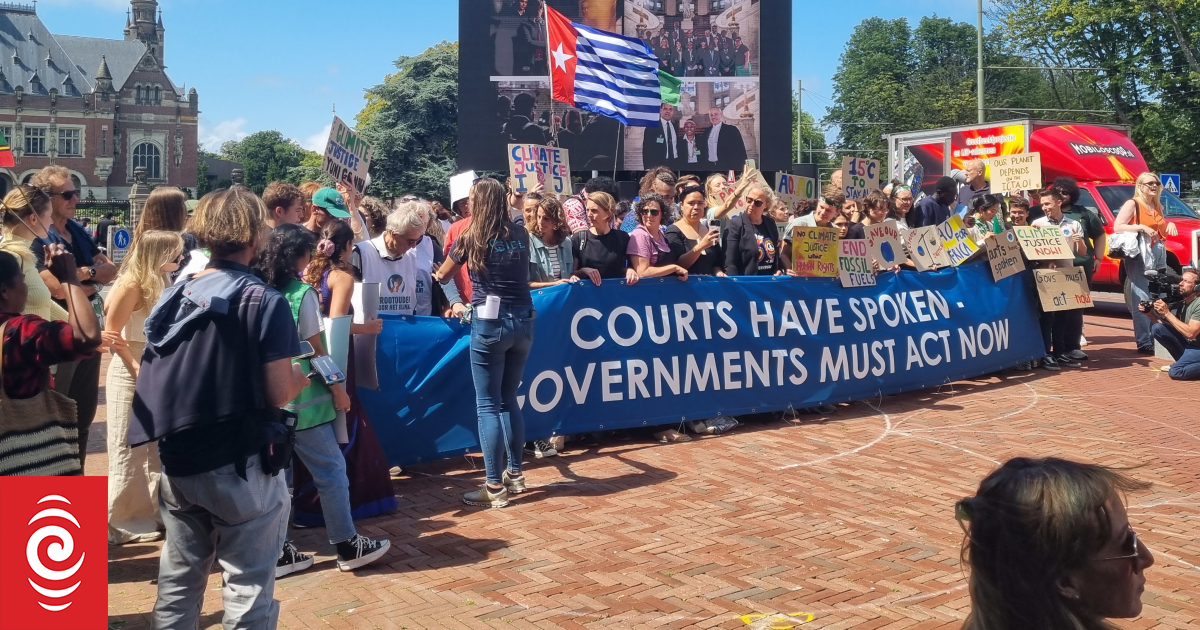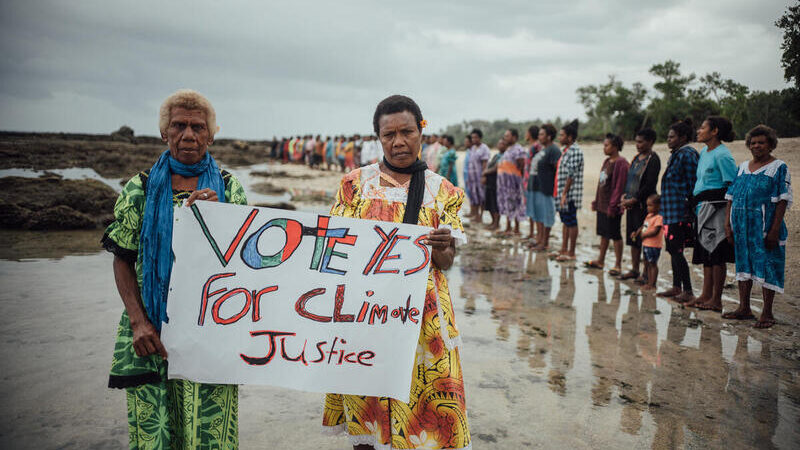
A climate justice seed planted by young Pacific Island students in 2019, as mass participation in climate demonstrations peaked in the millions, is starting to reshape international law around the realities of a rapidly warming planet.
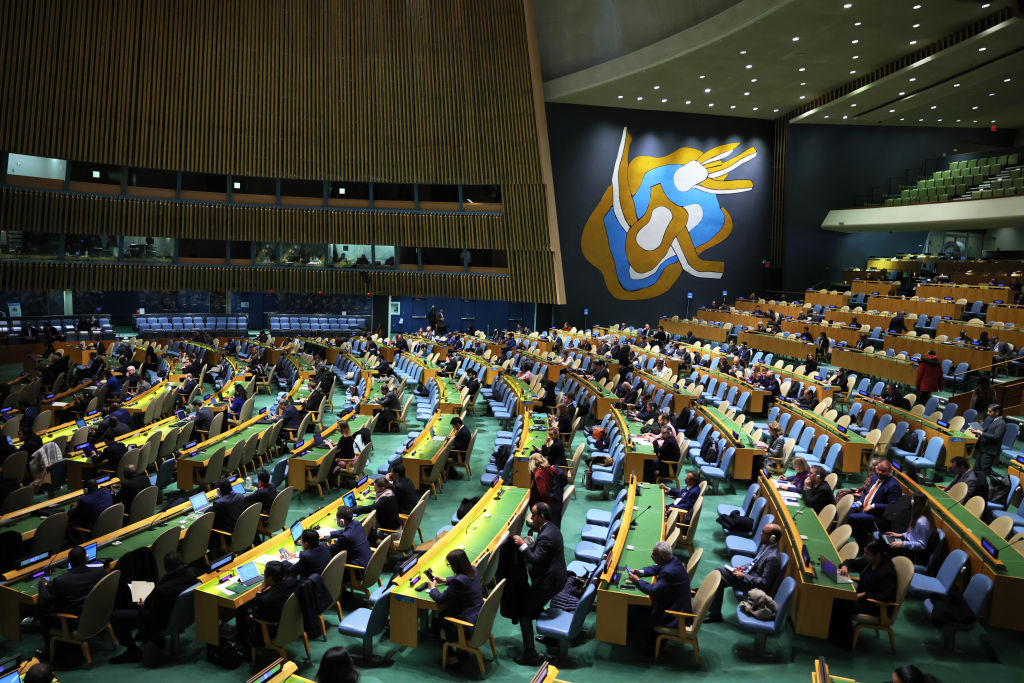
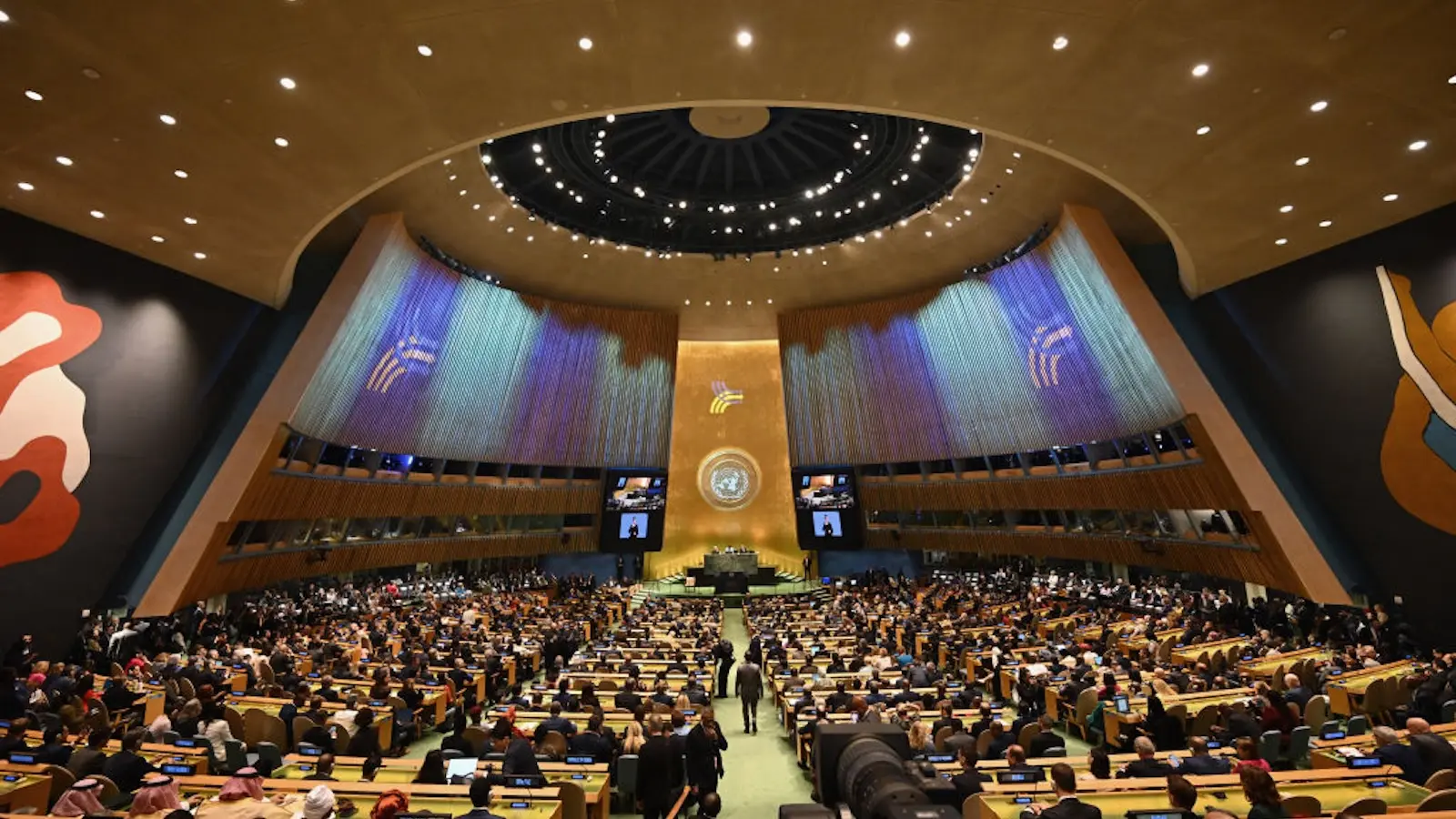
At the United Nations General Assembly this week, 141 countries passed a resolution welcoming an advisory opinion on climate change from the world’s top court, voting to “translate the Court’s findings into enhanced multilateral cooperation and accelerated climate action at all levels, consistent with international law.”
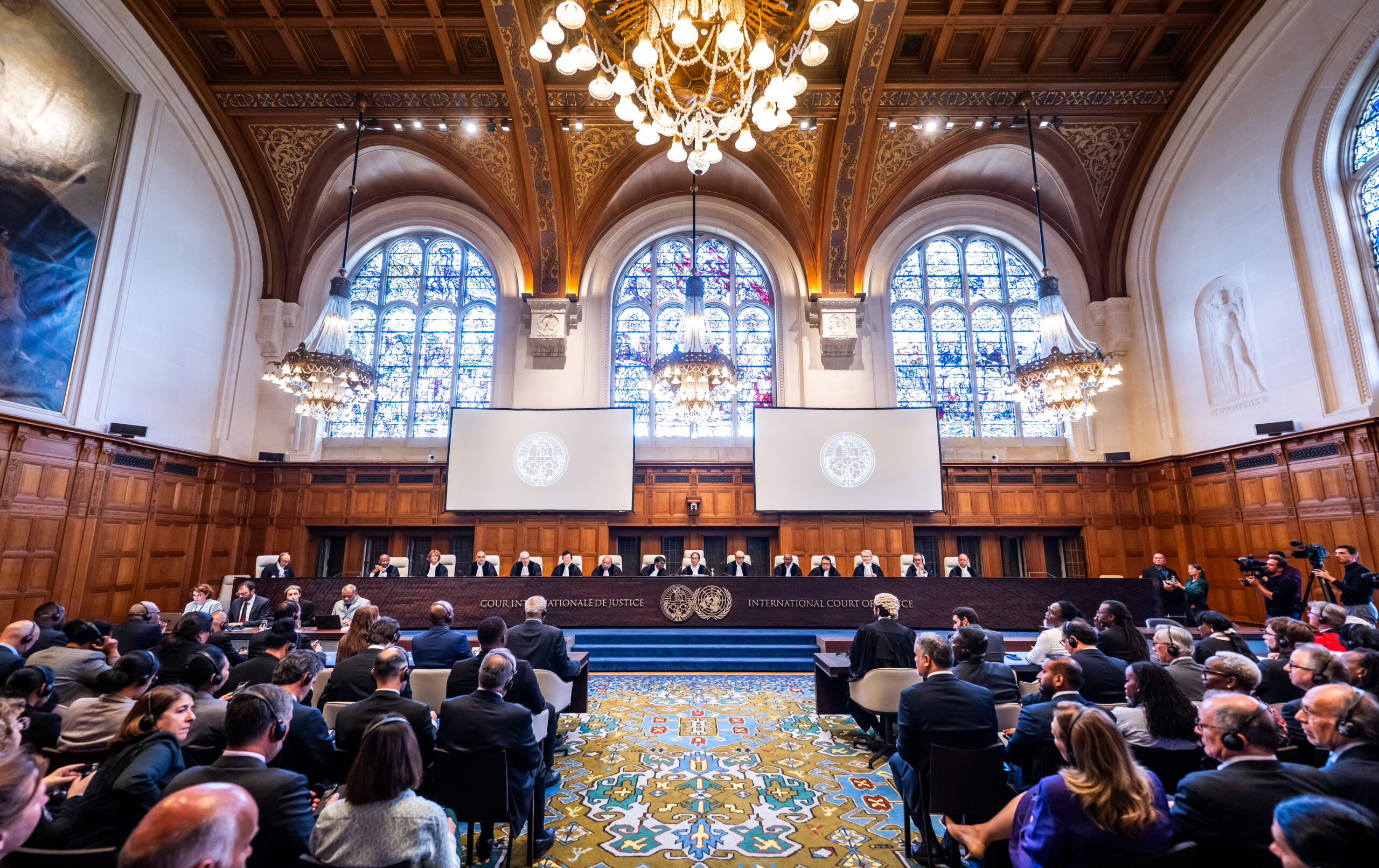
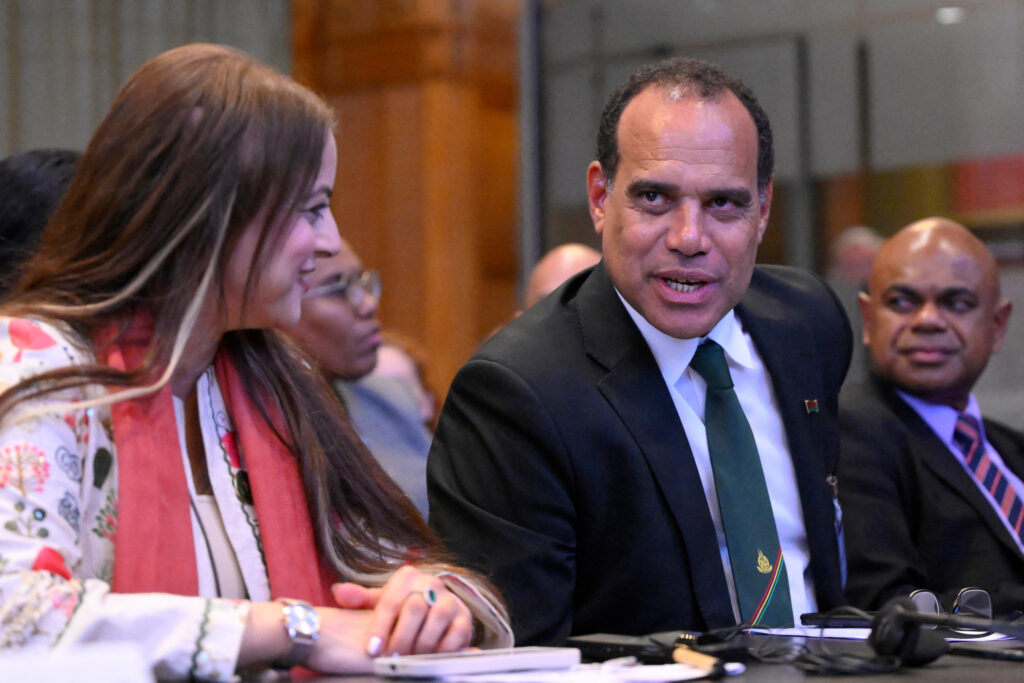
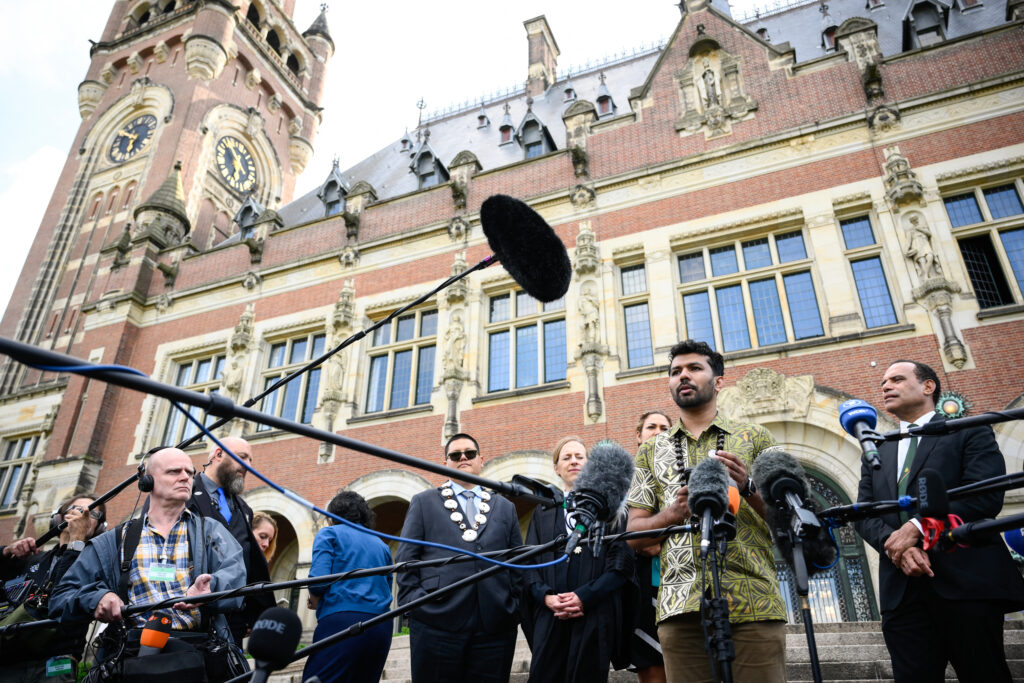
The nonbinding advisory opinion was issued last year by the International Court of Justice after the General Assembly requested it in 2022 with a unanimous vote, marking a rare recent moment of global solidarity on climate policy questions. The vote by the General Assembly on Wednesday to embrace the findings was a huge step forward for the climate justice campaign launched in the Pacific, said Vishal Prasad, director of Pacific Islands Students Fighting Climate Change.
Prashad joined the student-led effort just a few months after it started, feeling energized by the waves of grassroots climate activism, including repeated Fridays For Future marches with turnouts so large that governments could no longer ignore them. But he wanted to go beyond demonstrating, Prasad said in an interview with Inside Climate News. He wanted to get the ICJ to weigh in on the matter.