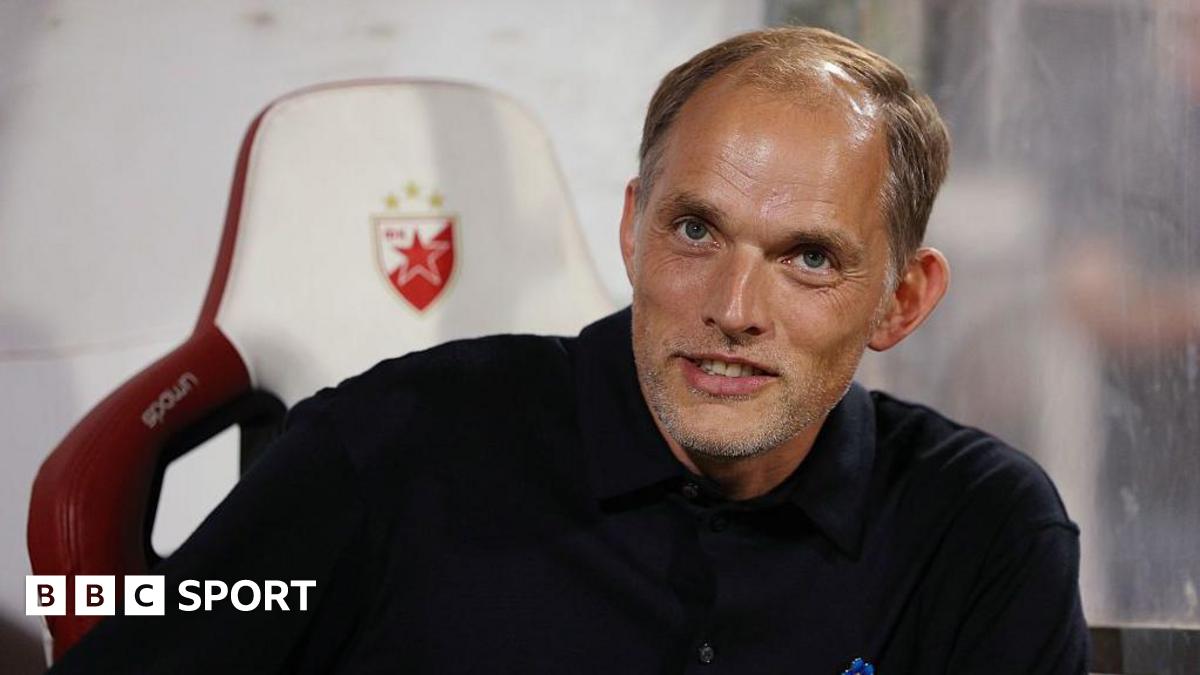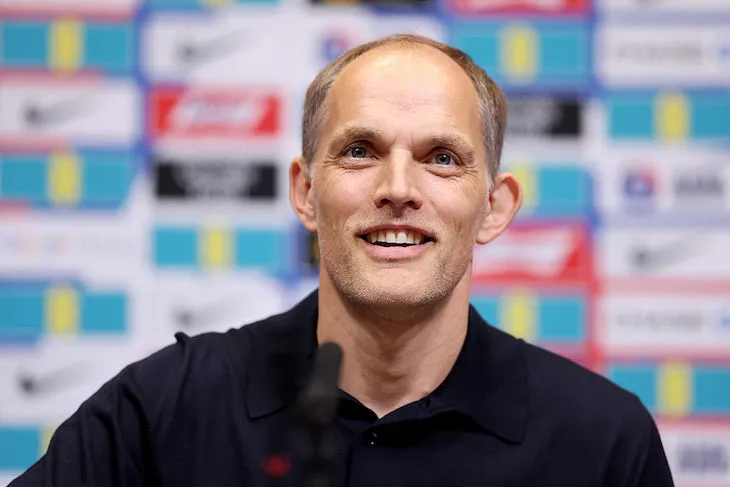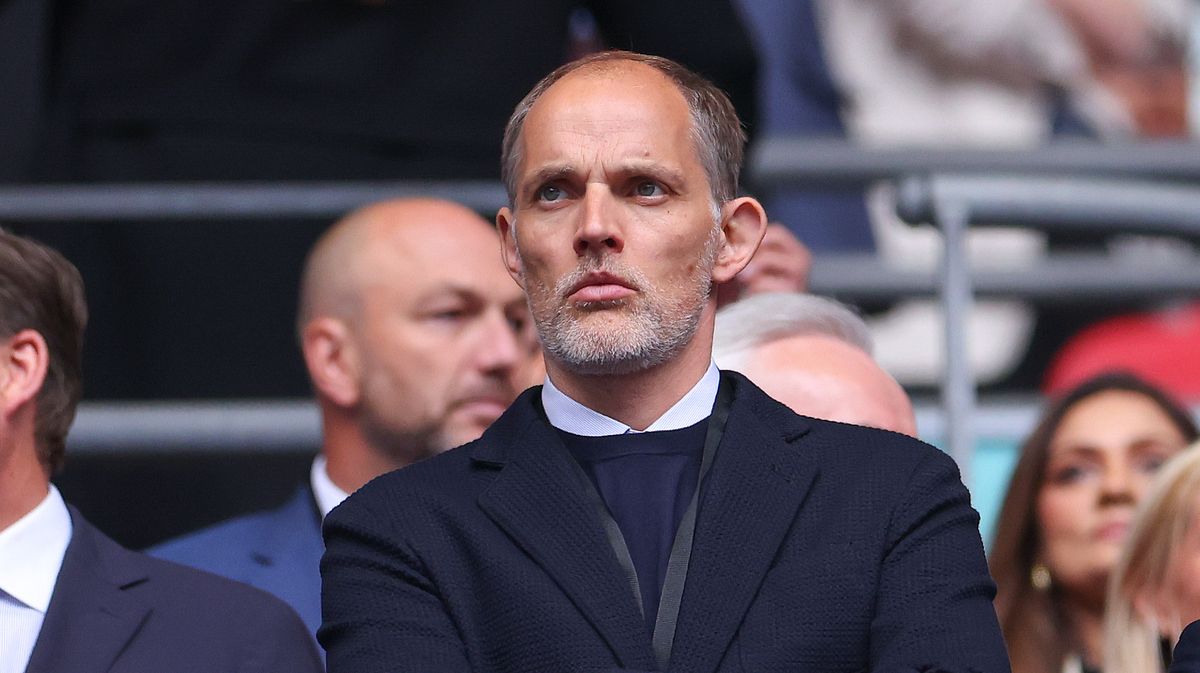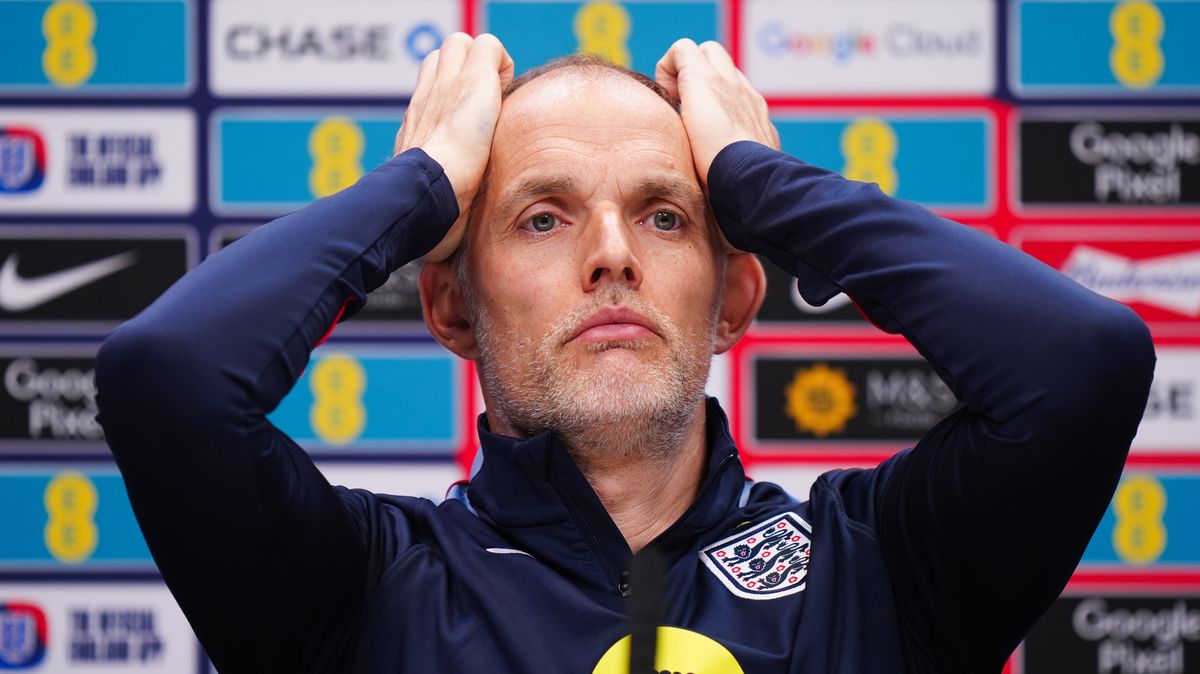
For England coach Thomas Tuchel, the real work has just begun. Forget the phoney war of a qualifying group in which England played eight matches against the mediocrities of Albania, Andorra, Latvia and Serbia and won the lot without conceding a goal. Disregard the end-of-season friendlies when the squad was shaped by club commitments and injuries. It was in picking his World Cup squad that Tuchel started to show how he intends to win the trophy that has evaded England for 60 years.
Tuchel has more freedom as England coach than any of his recent predecessors, and the squad shows that he intends to use it. As a foreigner who came to the job with a stacked trophy cabinet, his reputation will not be made nor lost by how England fare in the US. Nor was he trying to prove anything to the FA. He was offered a short, 18-month contract with a single purpose. He has been freed of the accompanying baggage of trying to build a squad for future tournament cycles. He also has the luxury of a much deeper talent pool to pick from. Even with a larger squad size of 26, every place is competitive.
These advantages have enabled Tuchel to take a genuinely bold approach. He has been clear that he will pick players based on their performances for their clubs rather than their reputation in the game. This is a major departure how things usually work. Tuchel trialled it during the qualifiers, by picking Aston Villa’s Morgan Rogers at 10 ahead of Real Madrid’s Jude Bellingham, and was happy with what he saw.