See more Daily Mail on Google - save us as a Preferred SourceBy RYAN HOOPER, CRIME CORRESPONDENT Published: 15:29 BST, 22 May 2026 | Updated: 16:38 BST, 22 May 2026
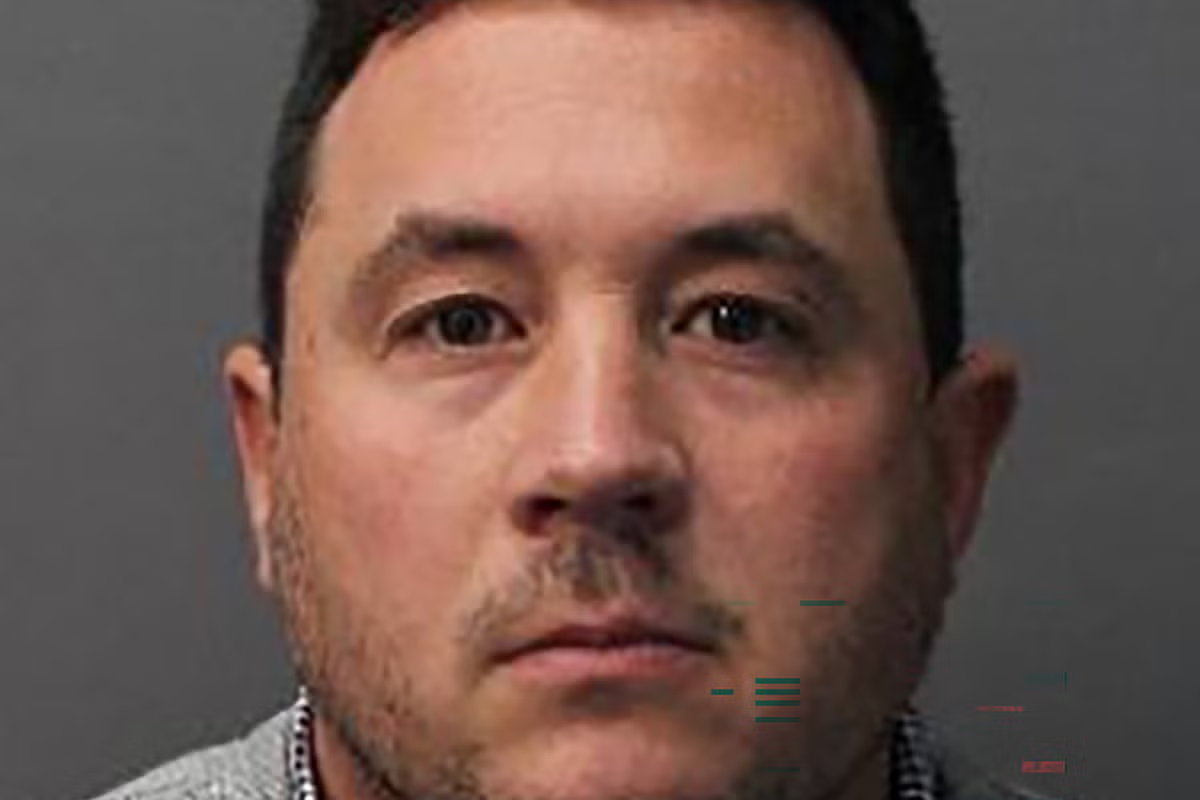
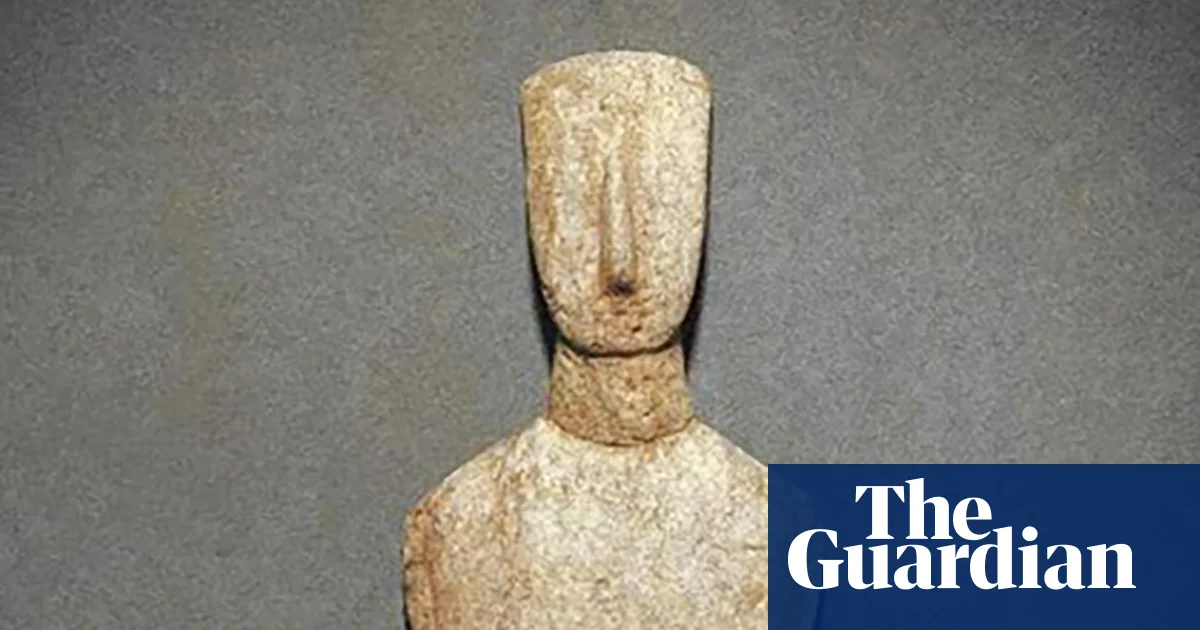
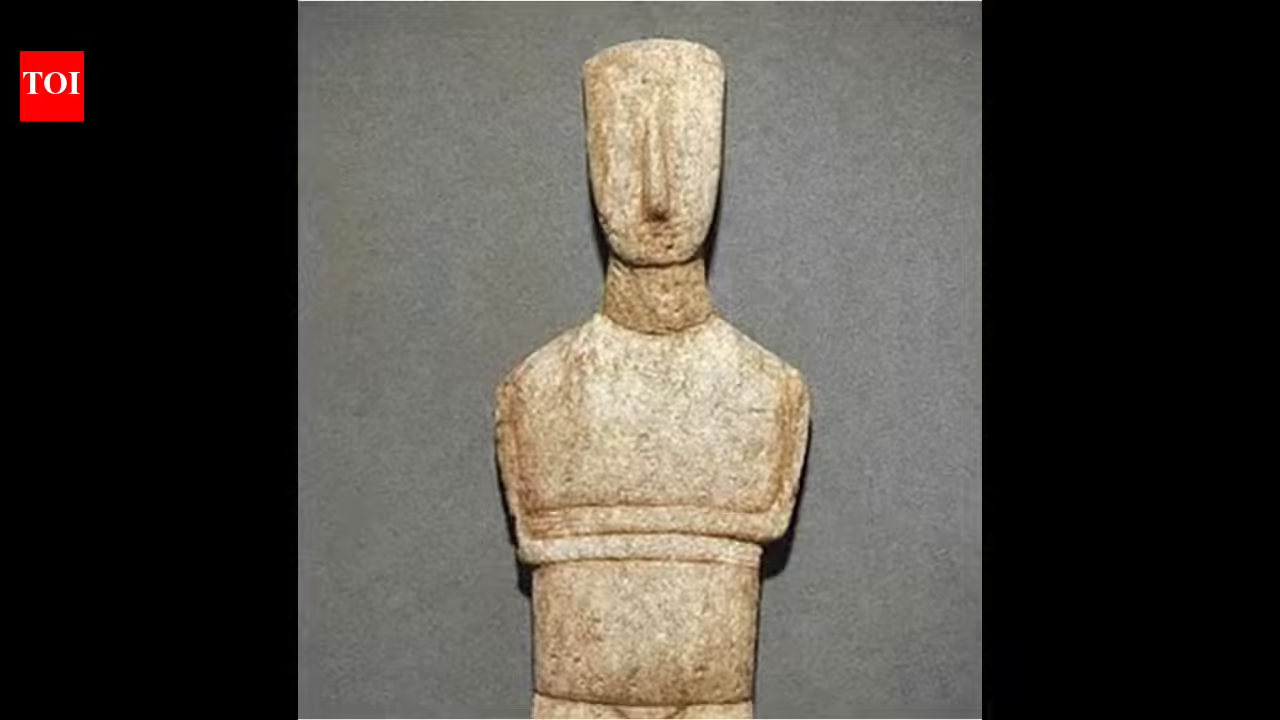
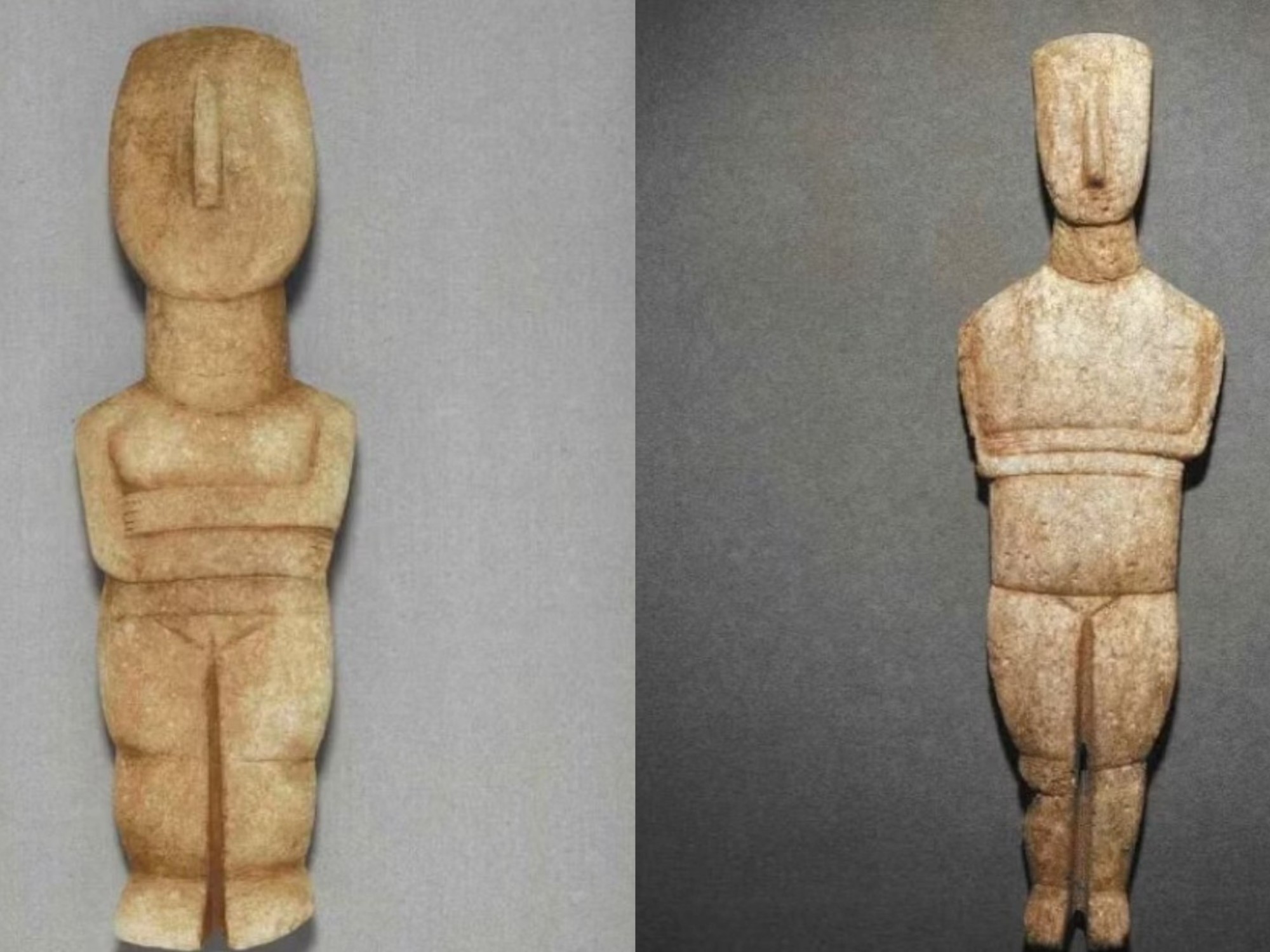
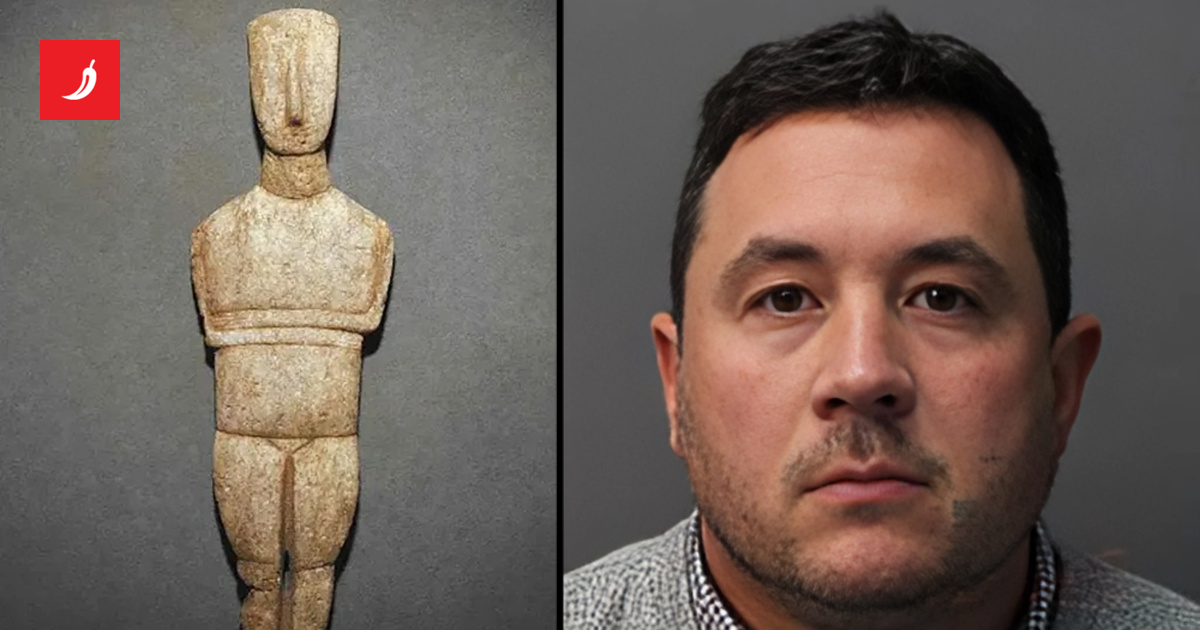
A bungling fraudster who tried to con one of the world's most famous auction houses into selling fake Bronze Age statues has been spared jail.Andrew Crowley forged paperwork in an attempt to prove the sculptures were more than 3,000 years old, when in fact they were modern replicas.But experts at Sotheby's in London became suspicious, and raised their concerns with the Metropolitan Police.The FBI were also called in, who helped investigators conclude the statues were likely to be nothing more than modern replicas - and certainly not worth the hundreds of thousands of pounds claimed.They said the typeface used to create the 1976 'paperwork' supporting Crowley's claim - printed on paper embossed with an antiques dealer's logo and accompanied by a nine-pence stamp - was not in use until the early 2000s.Prosecutors reckoned the three Cycladic figures and one Anatolian stargazer statuette to be worth around £680,000.The 46-year-old, of Longwell Green in Gloucestershire, was handed a two-year suspended sentence at Southwark Crown Court after he admitted dishonestly making a false representation to Sotheby's auction house intending to make gain between November 4 2022 and July 27 2023.Judge Nicholas Rimmer told Crowley: 'It was a crude attempt because Sotheby's rumbled, to use the vernacular, or spotted, these documents as bogus fairly early on.' Andrew Crowley tried to dupe internationally renowned auction house Sotheby's The 46-year-old from Gloucestershire asked them to sell a number of 'Bronze Age' statues, which turned out to be fakeDetectives from the Met's Art and Antiques Unit launched an investigation after Crowley contacted auction house Sotheby's in October 2022, asking them to sell the items on his behalf.The stone figures – roughly 30cm tall and each weighing around 1kg – were purportedly from the Cyclades islands, in modern day Greece.They were said to date from the Bronze Age, at least 3,000 years ago.But Sotheby's experts became concerned when they spotted multiple spelling mistakes on the documents, including in the supplier's title.The judge accepted that Crowley inherited the statues from his grandfather and did not at any point believe that they were counterfeits.The dealer's embossed logo, which looked genuine to the untrained eye, was created using a pen or artist's tool rather than a stamp, police said.Crowley was arrested outside the front door of Sotheby's in New Bond Street, Mayfair, on 27 July 2023, having been invited to a meeting with experts at the auction house.The statues – which police believe to be modern replicas – were seized. Crowley attempted to add authenticity to the works by providing sale documents purportedly from the 1970s - but turned out to be forgeries Detective Constable Ray Swan, who led the Met's investigation, said: 'This is an excellent example of cross-border cooperation that has effectively prevented harm to the London art market. It was a sophisticated fraud that required substantial planning.'This case also highlights the crucial role played by industry experts in helping to protect the integrity of the London art market. 'Sotheby's staff acted responsibly and swiftly in raising their concerns, and their cooperation was instrumental in preventing a significant fraud.'A spokesman for Sotheby's said: 'In the course of our normal due diligence processes, concerns were identified and shared promptly with the Metropolitan Police.'We are grateful to have been able to work closely with the Met's Art and Antiques Unit and are glad to have supported such a meticulous and superbly executed investigation that has helped prevent fraudulent material entering the market.Crowley was ordered to complete 200 hours of unpaid work and pay £1,630 in costs over three months.