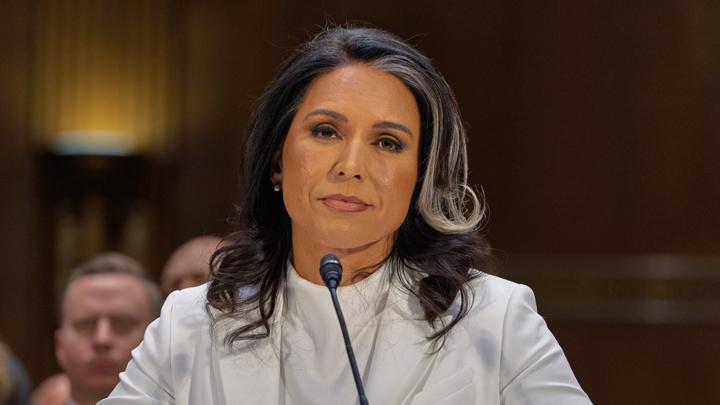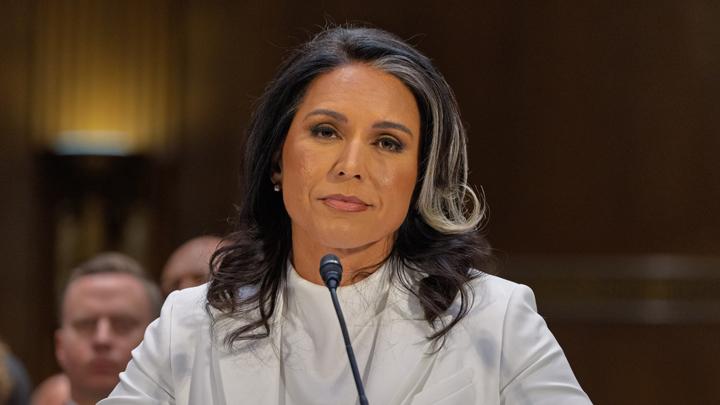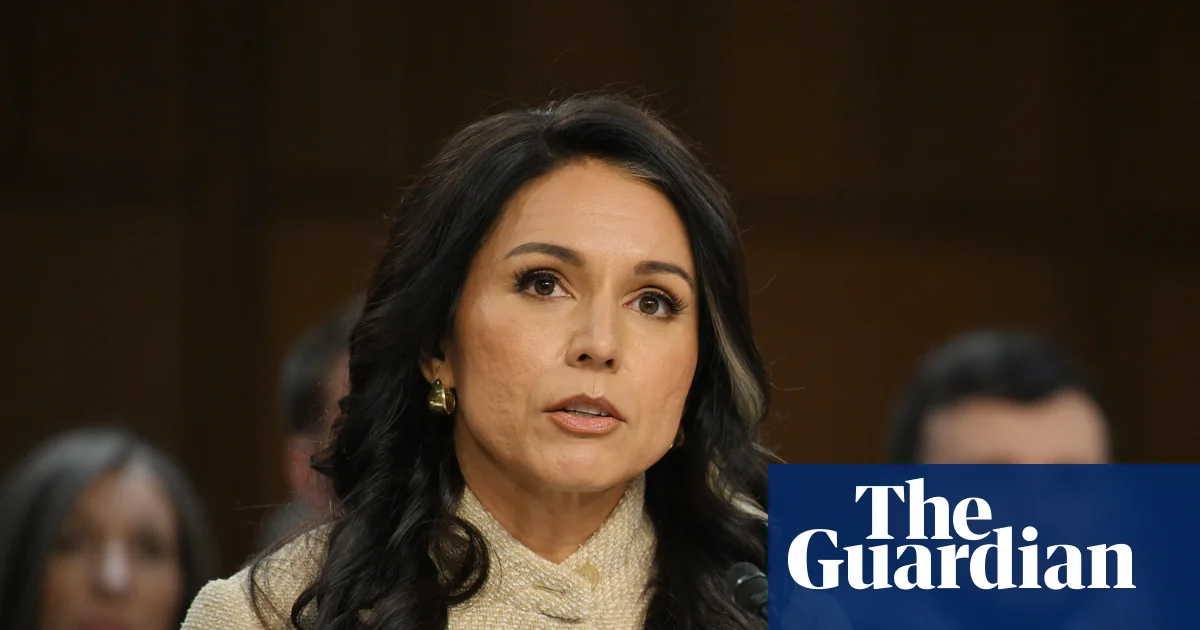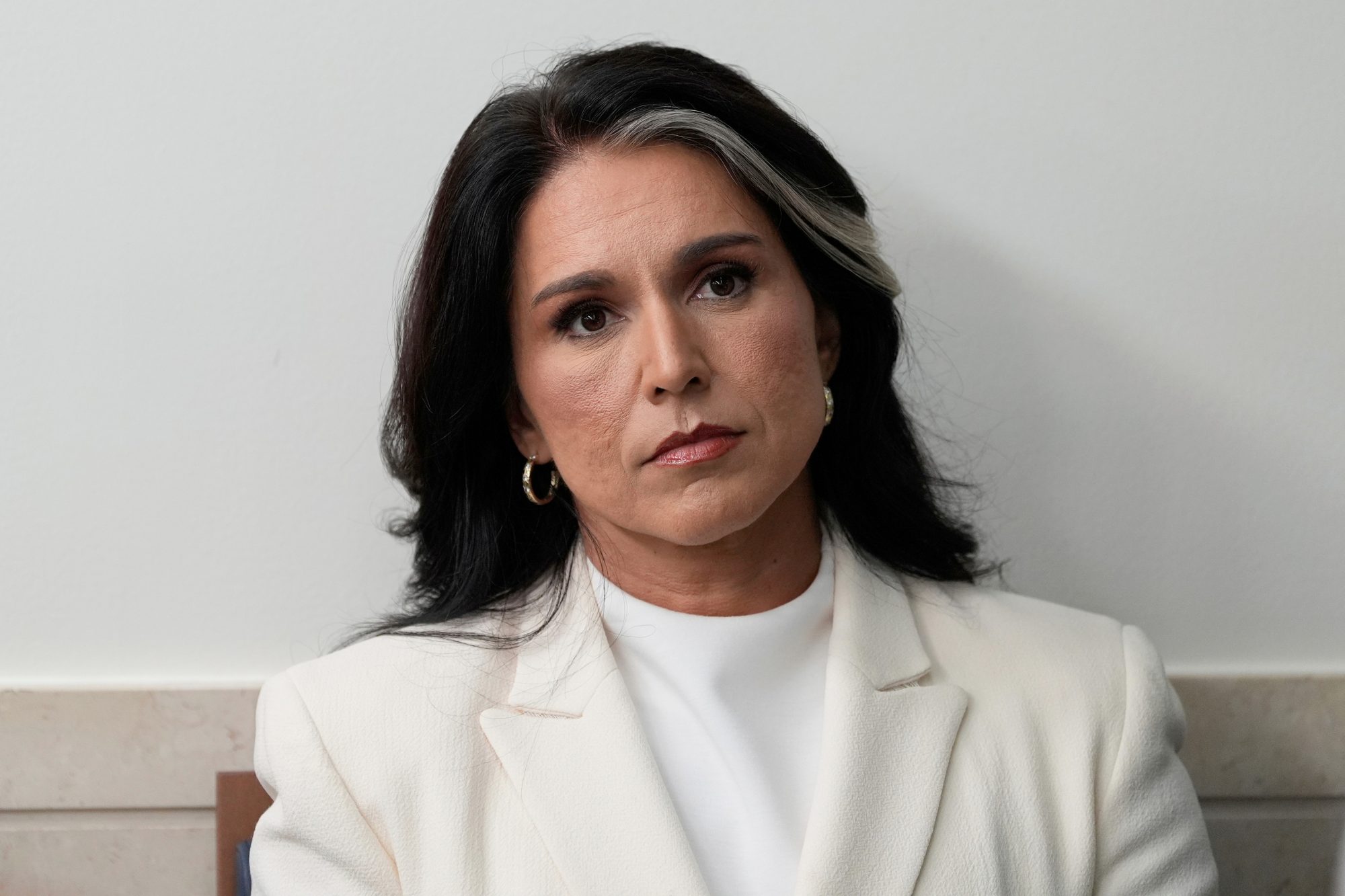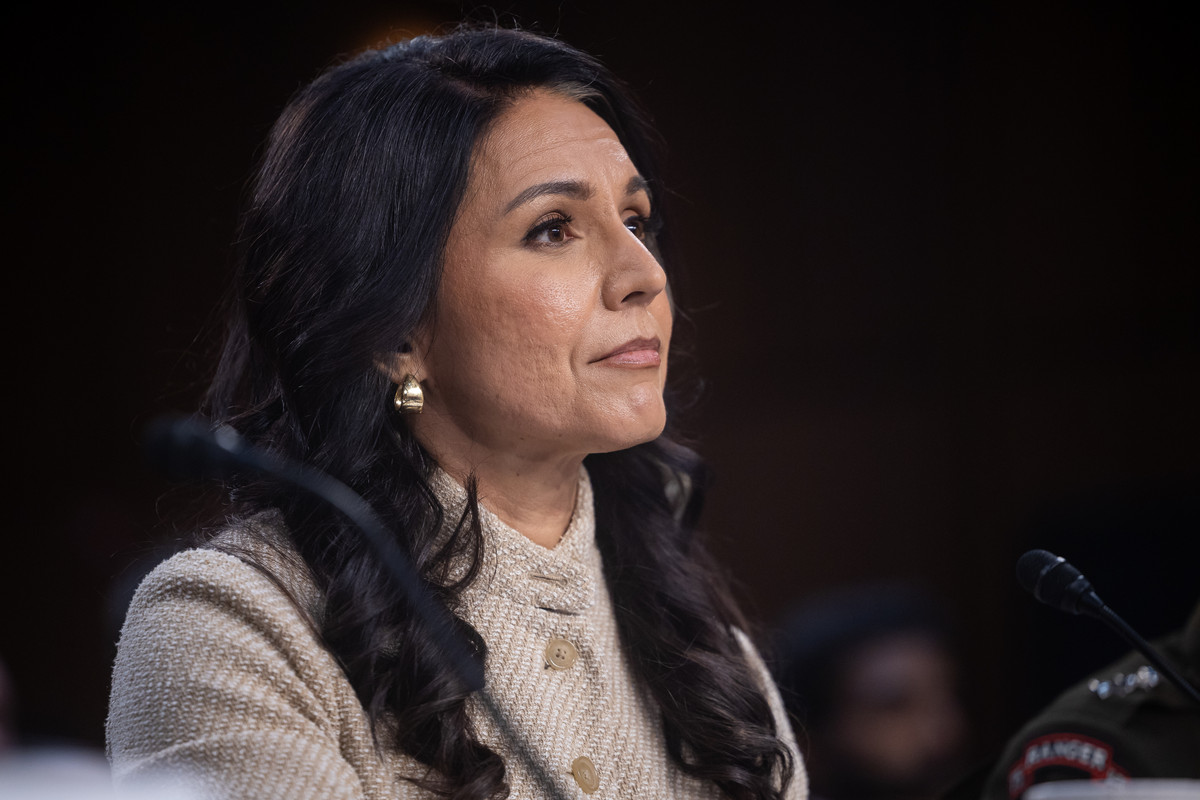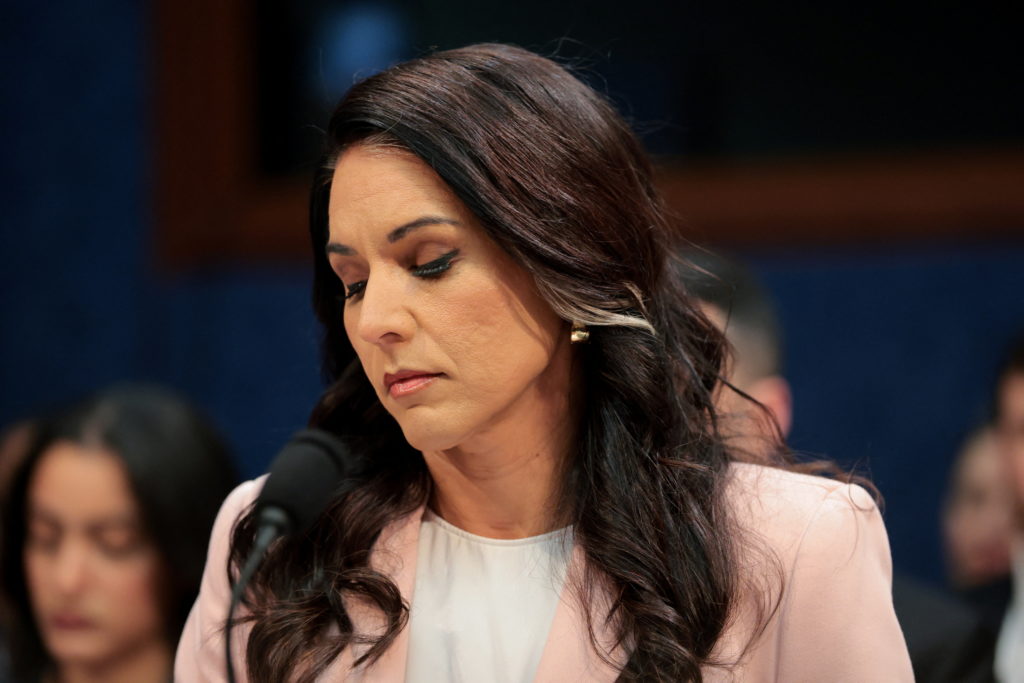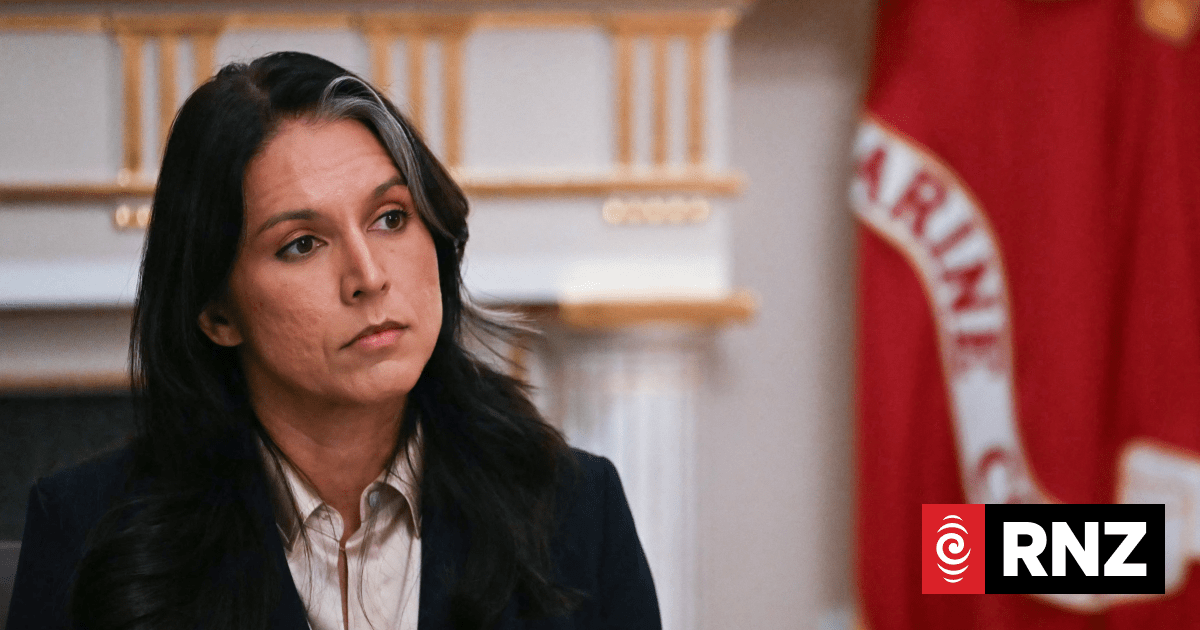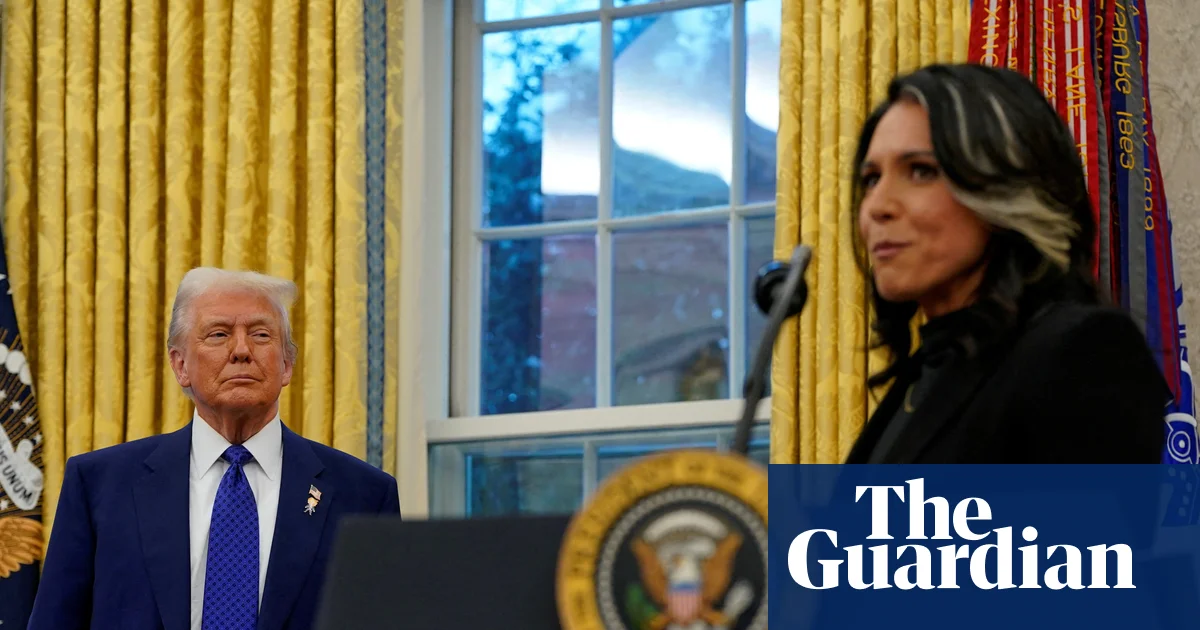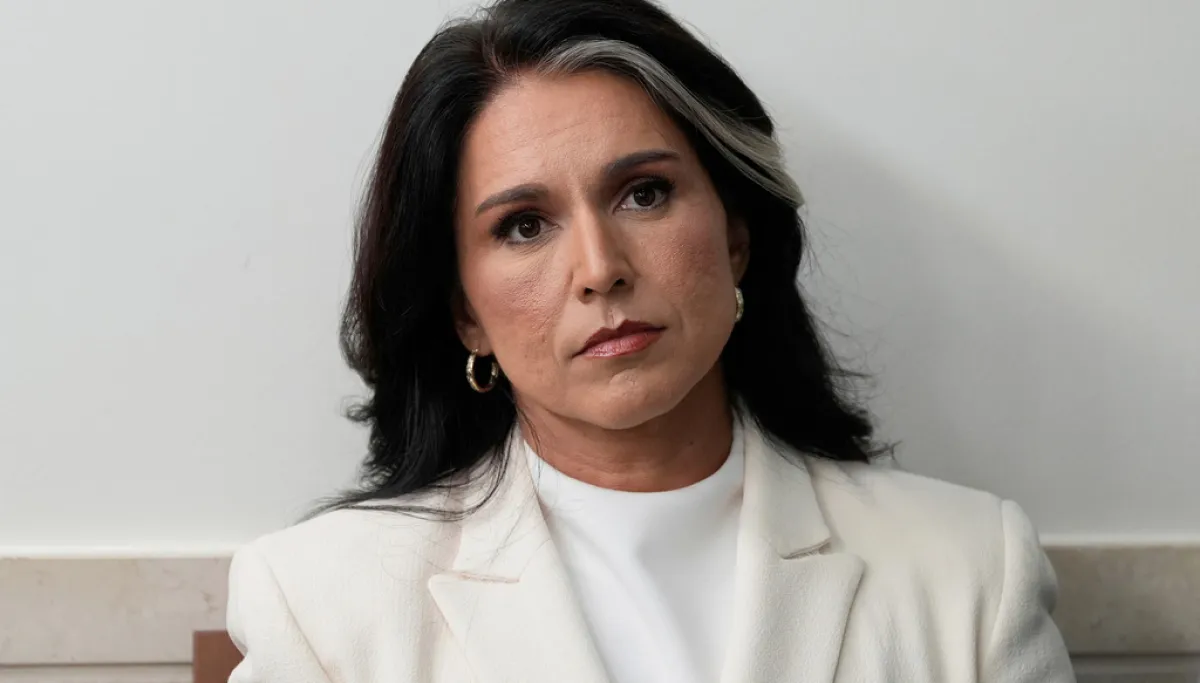
Tulsi Gabbard entered the Trump administration as one of its most unconventional national security picks and left it after months of mounting friction, internal isolation, and growing speculation that her time was running short long before her resignation as director of national intelligence for personal reasons on Friday.Gabbard announced Friday that she would step down as the head of ODNI at the end of June after her husband, Abraham Williams, received a diagnosis of a rare form of bone cancer. Despite widespread rumors earlier this year that President Donald Trump had grown frustrated with Gabbard over her handling of Iran and internal intelligence disputes, administration officials and Gabbard allies strongly rejected suggestions that she had been forced out.“At this time, I must step away from public service to be by his side and fully support him through this battle,” Gabbard wrote in her resignation letter to Trump. She added that she could not “in good conscience” ask her husband to “face this fight alone while I continue in this demanding and time-consuming position.”
The response from administration officials intensified Friday afternoon after Reuters published a headline stating the White House had “forced” Gabbard to resign. Gabbard spokeswoman Alexa Henning responded on X that the claim was false.