Show Caption
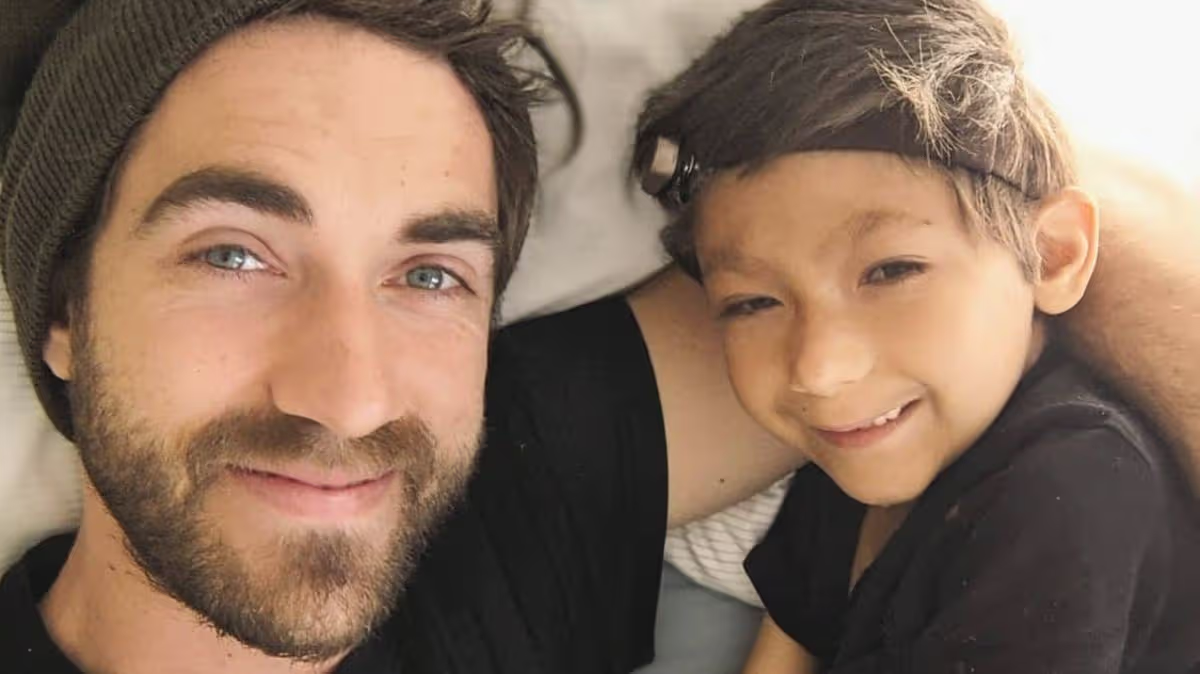
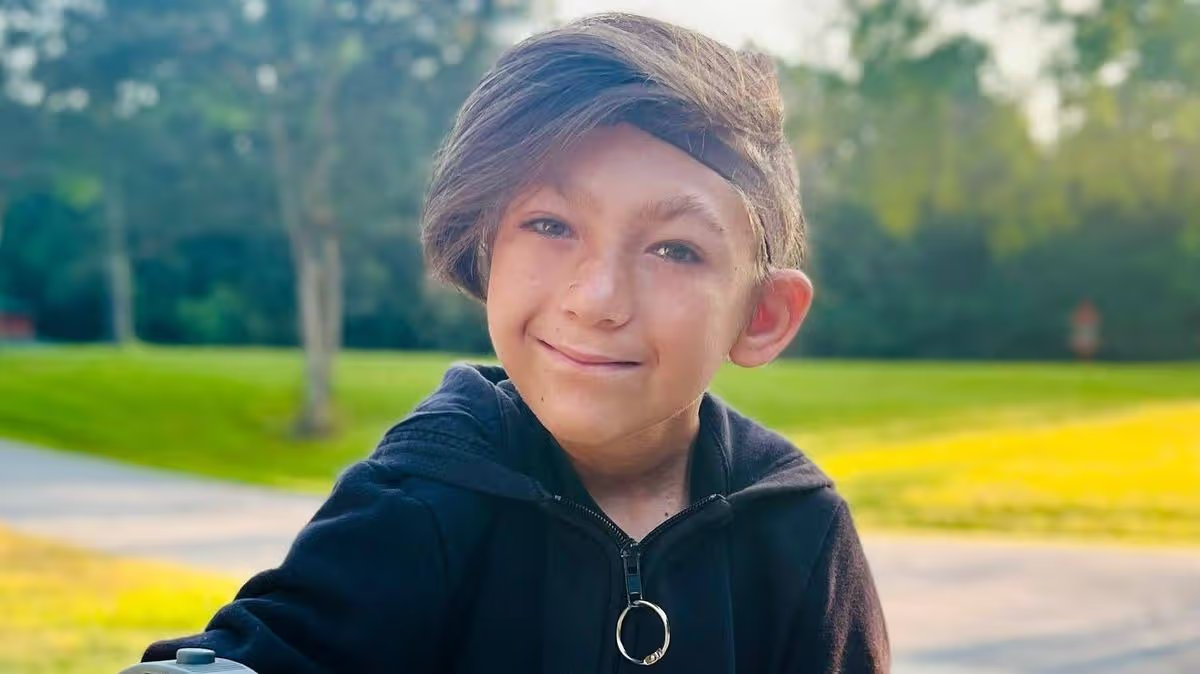
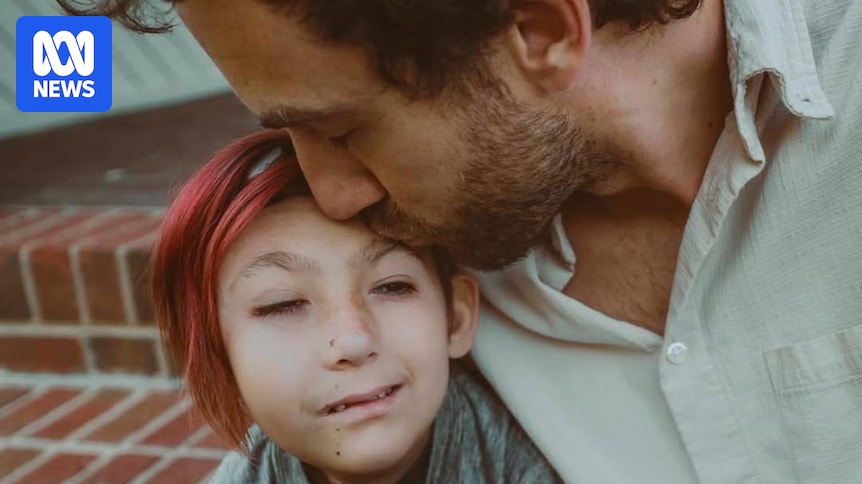
Child entertainment star Daniel Coleman, also known as Danny Go, shared his son died after a battle with stage 3 mouth cancer.The 14-year-old, Isaac, died on Thursday, May 21, Coleman shared in an Instagram post made on Friday, May 22.Mouth cancer, also called oral cancer, is the most common form of head and neck cancer, according to Cleveland Clinic, though it typically affects people age 60 and older."Left untreated, oral cancer can spread throughout your mouth and throat to other areas of your head and neck," the clinic adds. "Approximately 63% of people with oral cavity cancer are alive five years after diagnosis."The clinic explains oral cancers are staged using a specific classification system, with the T3 stage meaning the primary tumor is larger than 4 centimeters.Here's what else to know about the diagnosis.What causes mouth cancer?It's not always clear what causes mouth cancer, according to Mayo Clinic, but there are factors that can make someone more at risk, including:Tobacco and alcohol use.Excessive sun exposure to the lips.Exposure to human papillomavirus, or HPV.A weakened immune system.Cleveland Clinic adds a few other factors, including smokeless tobacco product use (including chewing tobacco, dip, snuff or water pipes like hookah) as well as having a family history of oral cancer. But 25% of people who develop oral cancer don’t smoke or have other known risk factors, the clinic adds.So, while there's no proven way to prevent mouth cancer, the clinics explains, you may reduce your risk by limiting tobacco and alcohol, avoiding damaging sun exposure and getting the HPV vaccine. Routine health and dental exams are also important to look for signs of cancer, the clinics add.Mouth cancer symptomsAccording to Mayo Clinic, symptoms of mouth cancer include:Lip or mouth sore that won't healWhite or reddish patch, growth or lump inside the mouthLoose teethMouth painEar painDifficult or painful swallowingMouth cancer treatmentThere are treatment options for oral cancer. The main three include surgery, radiation therapy and chemotherapy.The type and size of oral cancer, if it has spread as well as potential side effects and the patient's age are all considerations to make with a doctor before deciding on the best treatment plan, the clinics suggest."Like most forms of cancer, early diagnosis and treatment reduces the chance that oral cancer will spread," according to the Cleveland Clinic, adding approximately one third of people treated for oral cancer develop a new cancer.