Show Caption
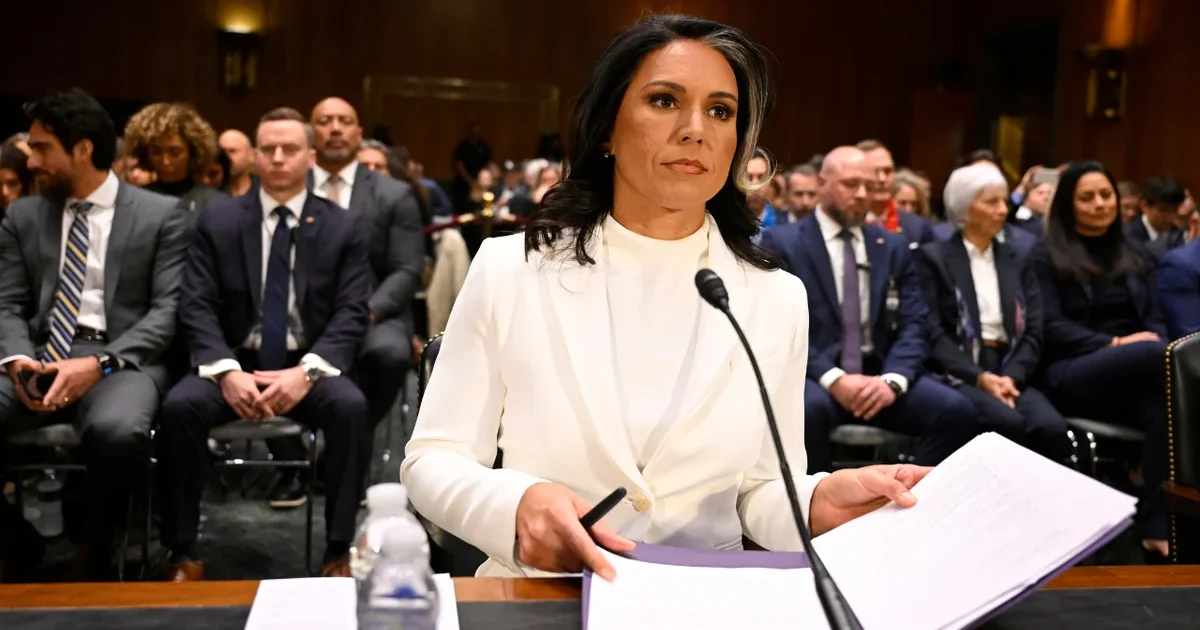
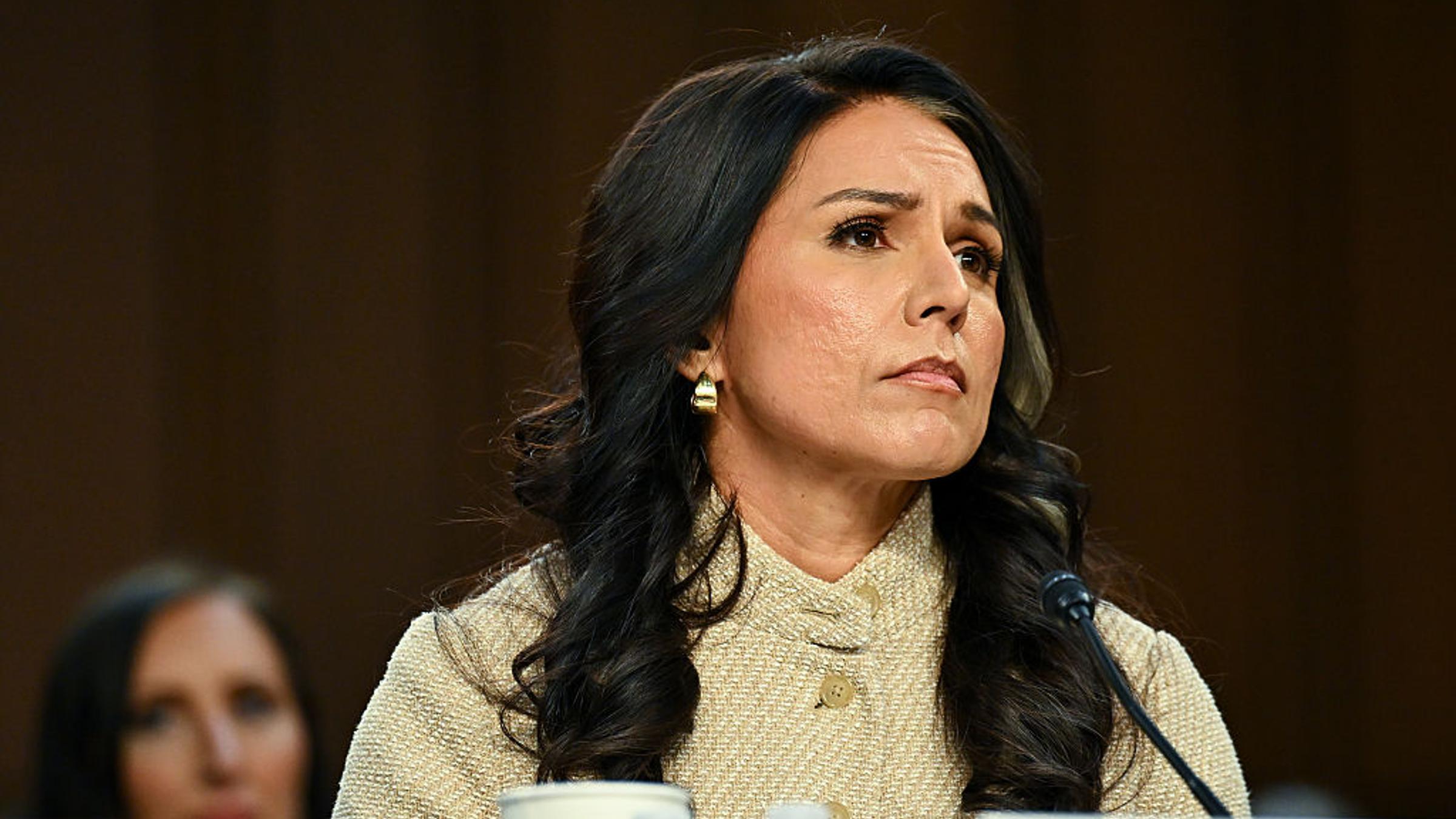
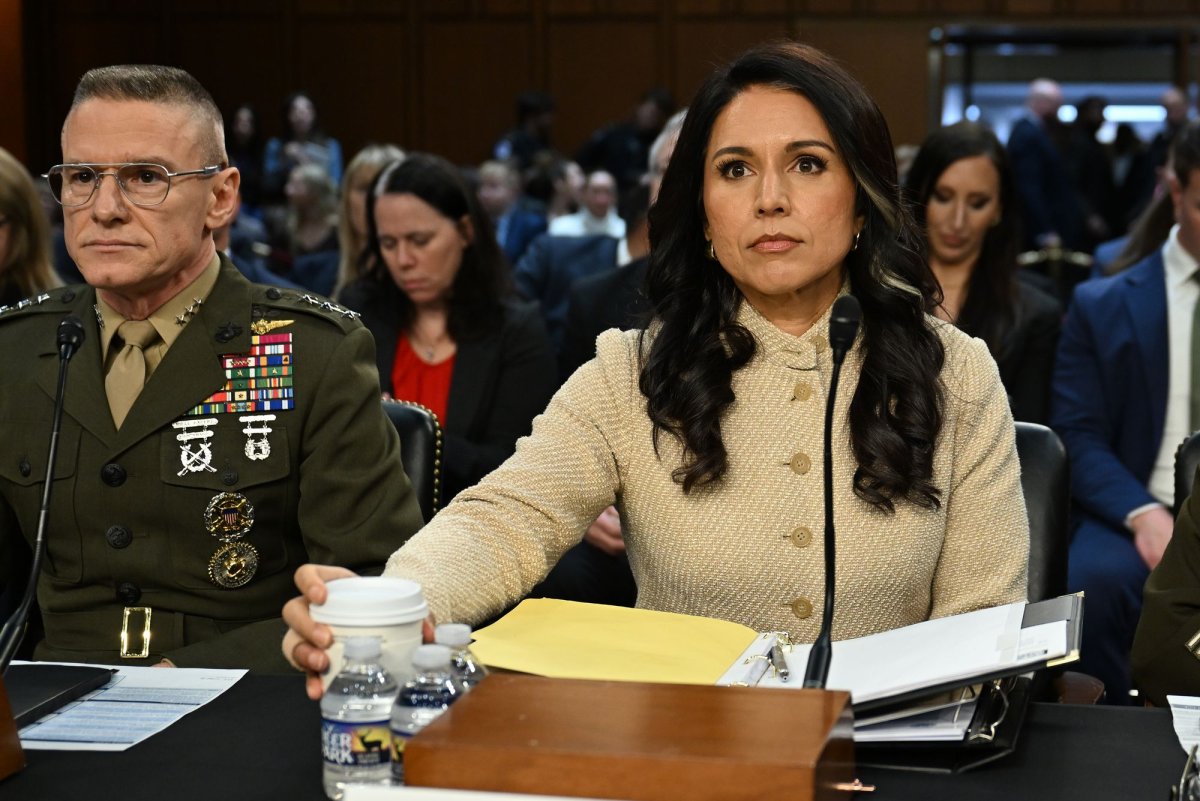
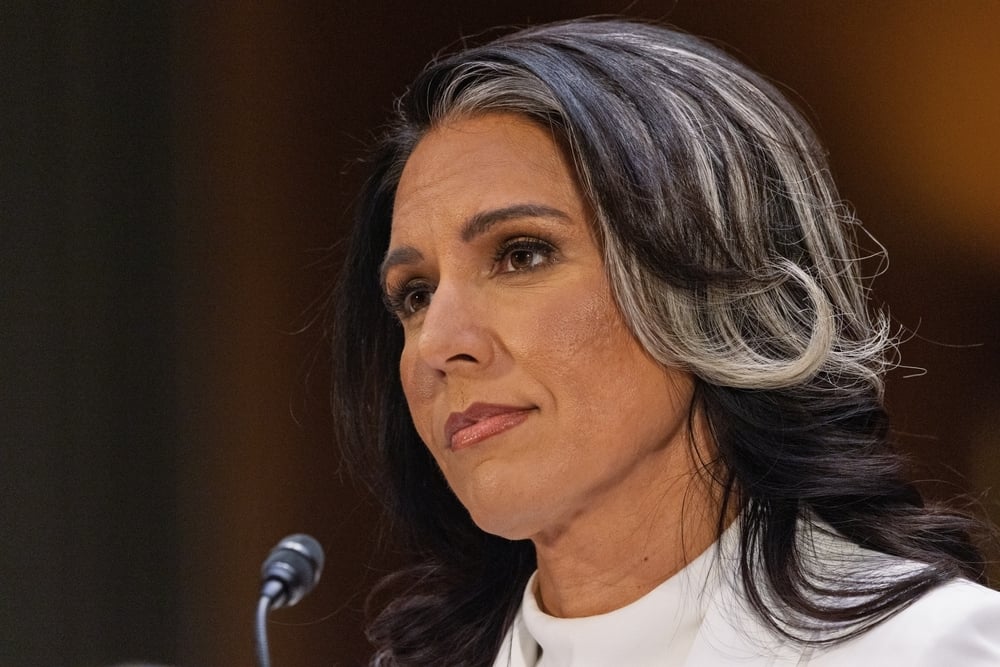
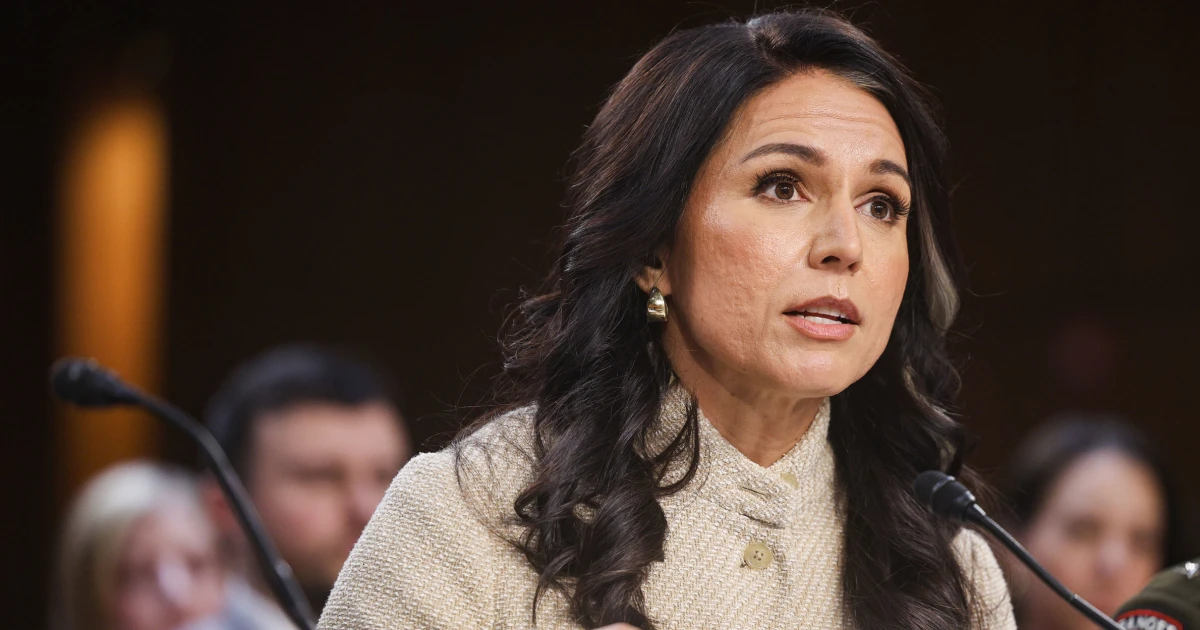
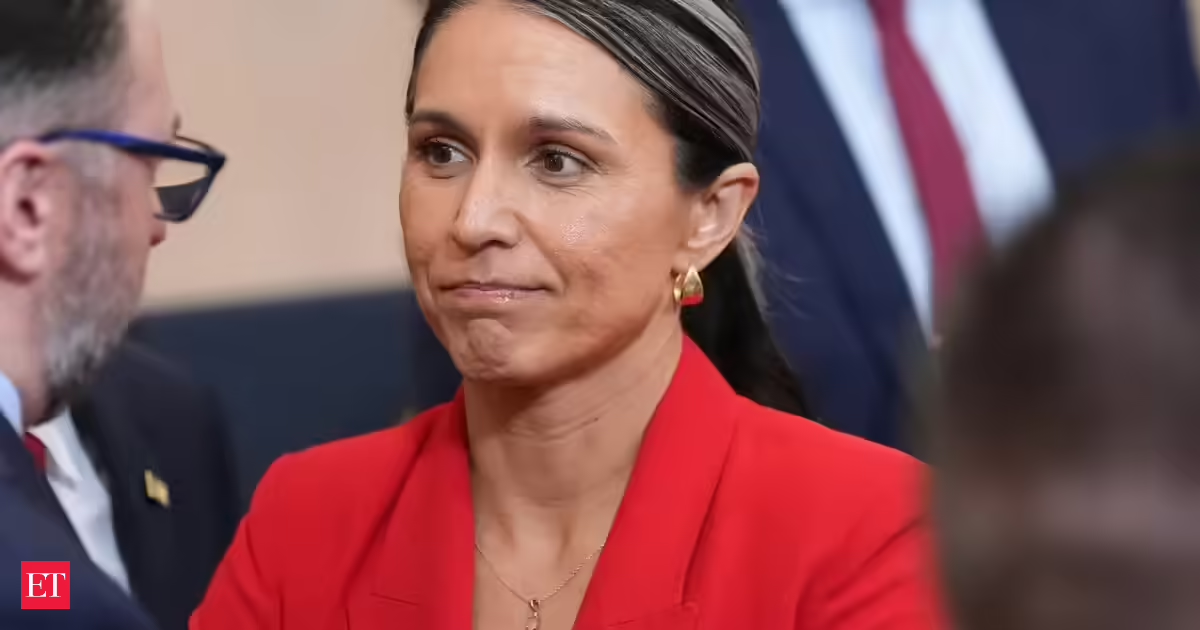
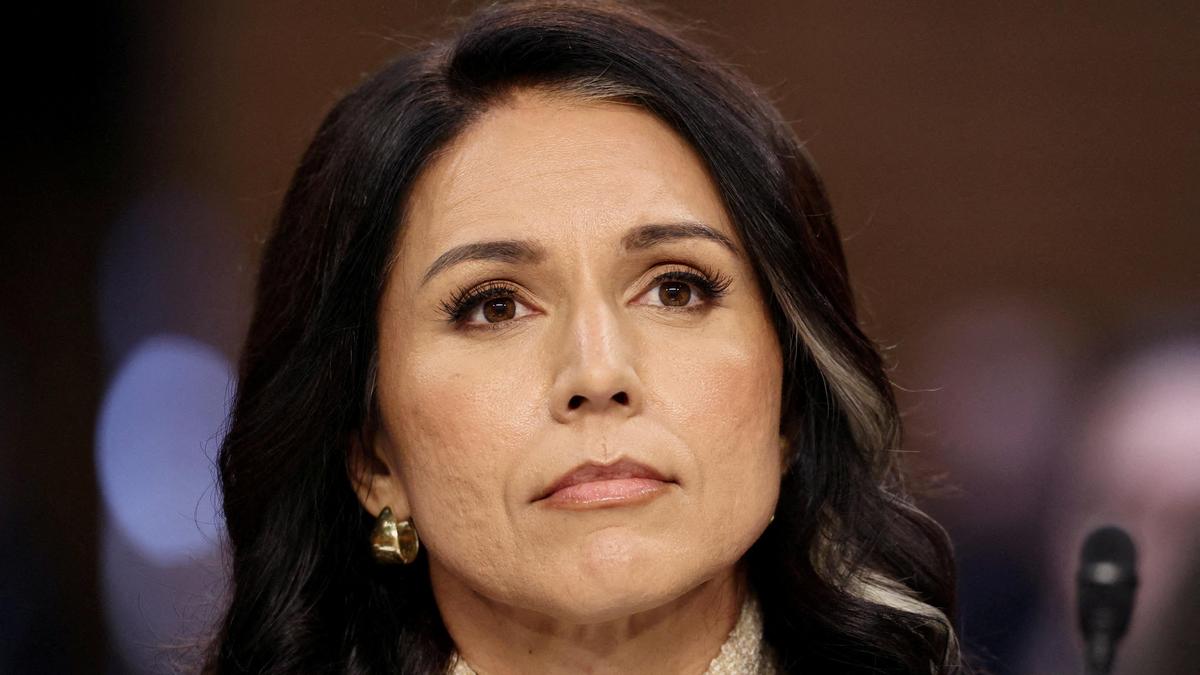
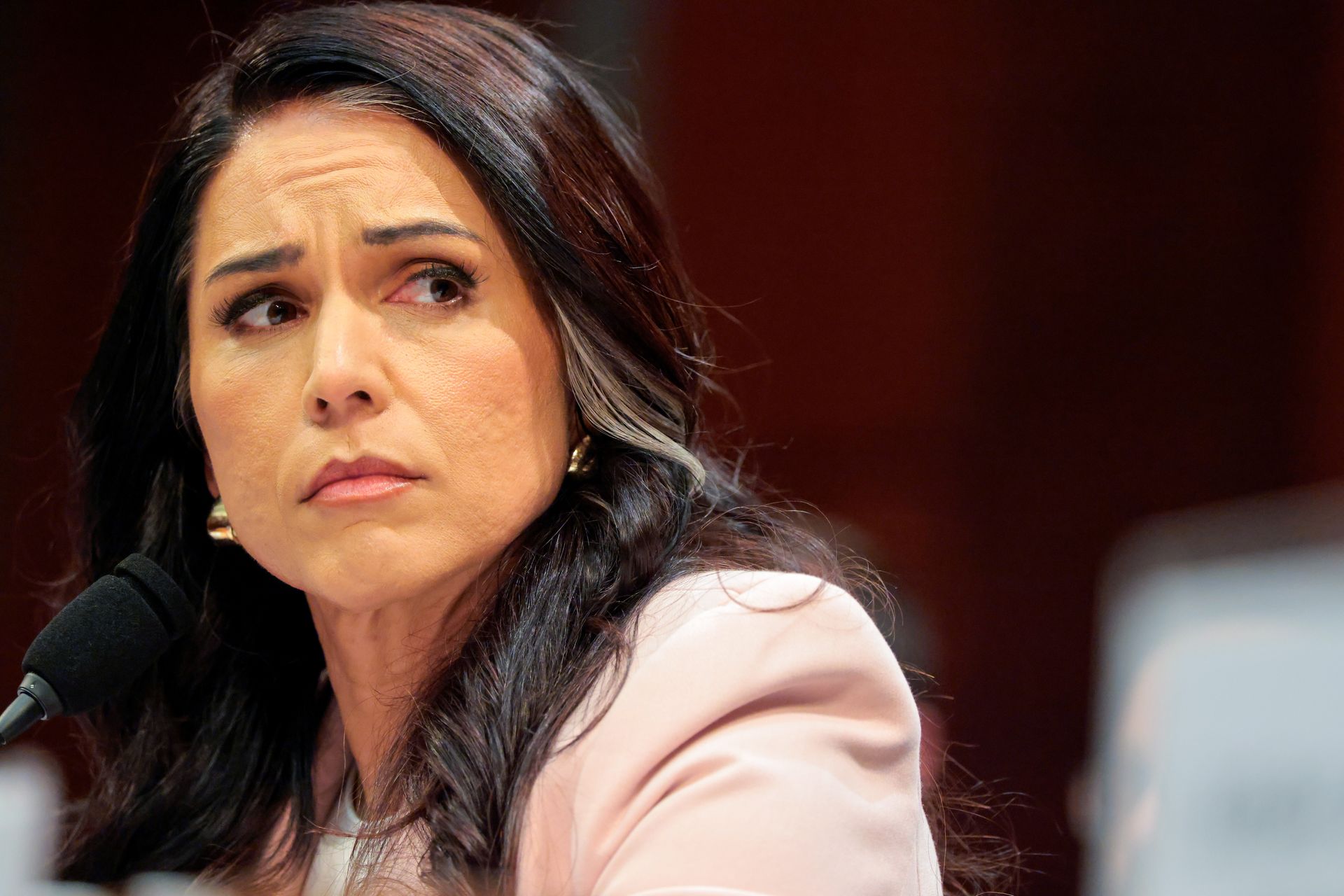
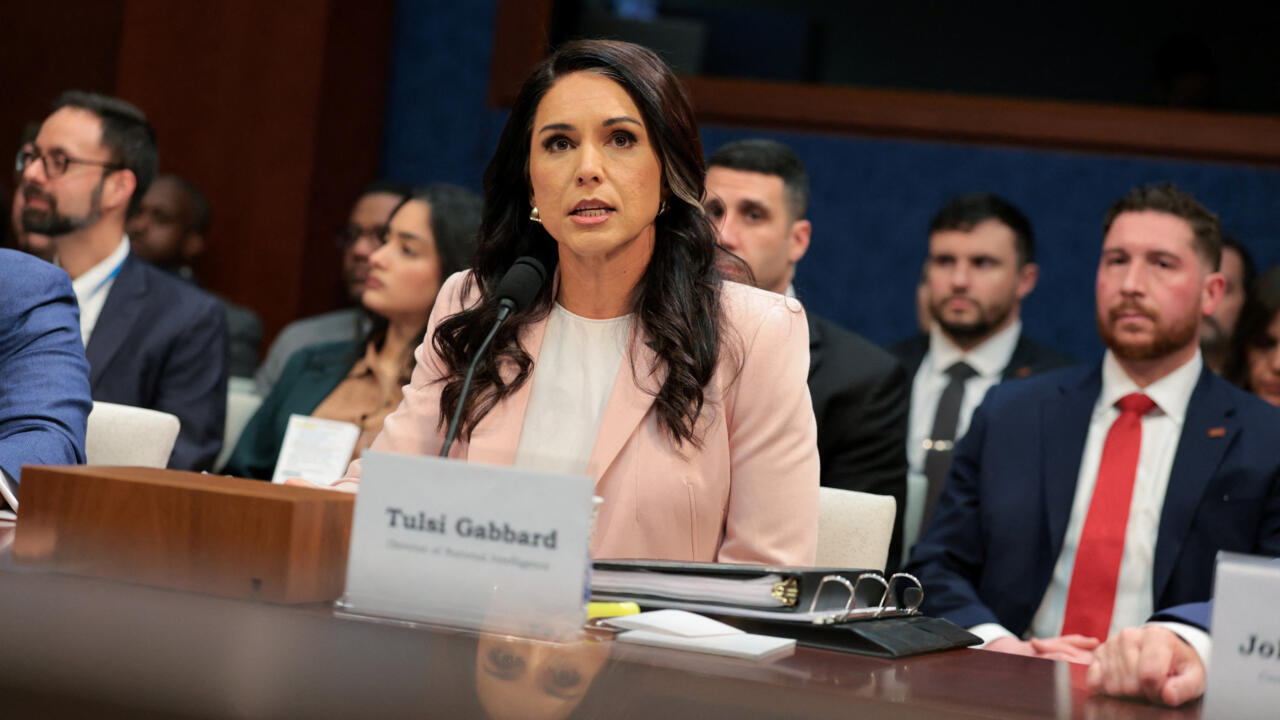
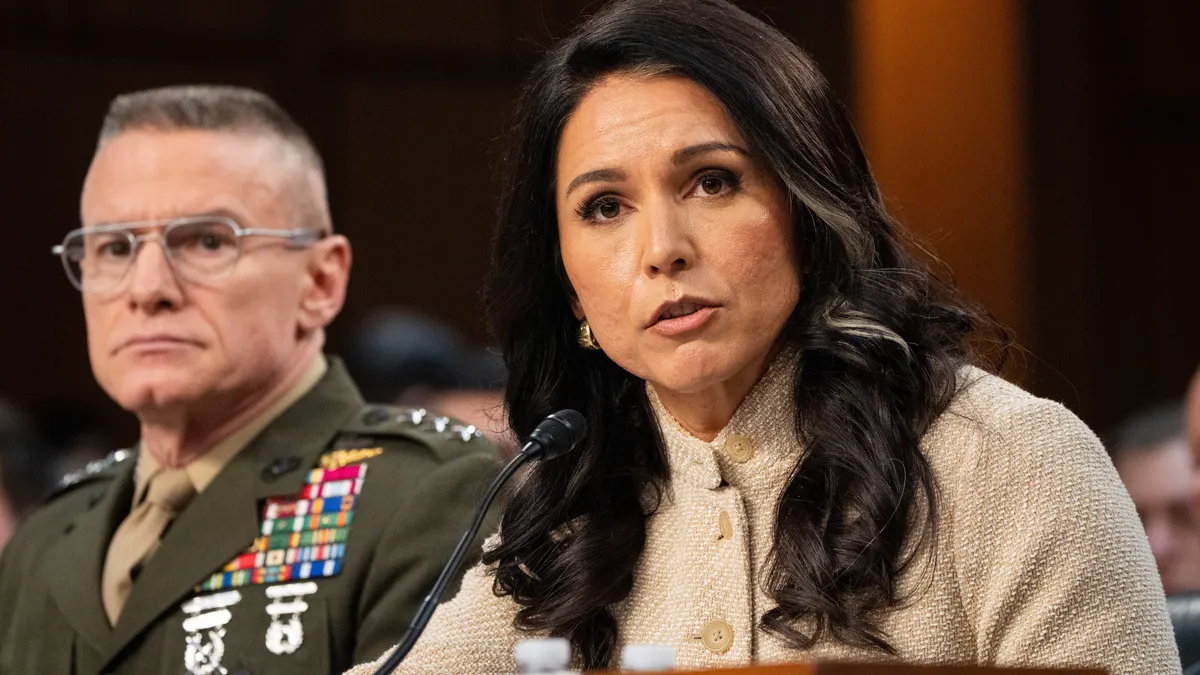
WASHINGTON − Director of National Intelligence Tulsi Gabbard announced she was resigning from her post as the nation's top intelligence official due to her husband’s rare bone cancer diagnosis."Unfortunately, I must submit my resignation, effective June 30, 2026. My husband, Abraham, has recently been diagnosed with an extremely rare form of bone cancer,"Gabbard wrote in a post on X.According to the resignation letter posted by Gabbard on social media, she told President Donald Trump she was "deeply grateful for the trust you placed in me and for the opportunity to lead the Office of the Director of National Intelligence for the last year and a half."Calling her husband her “rock” through 11 years of marriage, overseas deployments and political campaigns, Gabbard said, “I cannot in good conscience ask him to face this fight alone while I I continue in this demanding and time-consuming position.”In her post, Trump said Gabbard's last day will be June 30 and that Principal Deputy Director of National Intelligence Aaron Lukas will serve as Acting Director of National Intelligence in the interim."Her wonderful husband, Abraham, has been recently diagnosed with a rare form of bone cancer, and she, rightfully, wants to be with him, bringing him back to good health as they currently fight a tough battle together," Trump wrote. "I have no doubt he will soon be better than ever. Tulsi has done an incredible job, and we will miss her."Gabbard, a United States Army reserve officer and a political commentator, served as a U.S. representative for Hawaii from 2013 to 2021 and was the first Samoan-American member of Congress.Gabbard’s tenure has been marked by turbulence, political clashes and questions about her standing in the White House − and inside the administration’s national security hierarchy.“While we have made significant progress at the ODNI advancing unprecedented transparency and restoring integrity to the intelligence community, I recognize there is still important work to be done,” Gabbard told Trump, adding that she is committed to ensuring a smooth transition.Gabbard rose to become one of Trump’s most high-profile converts during the 2024 campaign despite critics from both parties questioning her past – and at times controversial − comments about Syria, Russia and Ukraine and her broader opposition to U.S. interventionism around the world.Gabbard's tenure at head of all 18 U.S. intelligence agencies has become especially turbulent during the Iran War, amid reports that intelligence community assessments of Tehran’s progress toward a nuclear weapon was at odds with Trump’s, undercutting his political justification for military action.At a tense March 2026 Senate Intelligence Committee hearing, she notably declined to say whether Iran posed an “imminent” nuclear threat, arguing that such judgments ultimately belonged to the president, not the intelligence community.The testimony came a day after one of Gabbard's top allies, National Counterterrorism Center Director Joe Kent, to publicly resigned over the war, becoming the highest-profile administration official to buck the president over the justifications for it.“Iran posed no imminent threat to our nation, and it is clear that we started this war due to pressure from Israel and its powerful American lobby,” Kent wrote in a letter to Trump, who nominated him for the top U.S. counterterrorism job on Feb. 3, 2025.This is a developing story.Natalie Neysa Alund is a senior reporter for USA TODAY. Reach her at nalund@usatoday.com and follow her on X @nataliealund.