Lebanese army command defends officers, General Security opens investigation into information leak to Hezbollah
BEIRUT: The new US sanctions imposed by Washington on Thursday against Lebanese political and military figures cannot be separated from the broader context of political pressure being exerted on Lebanon through its official and military institutions.
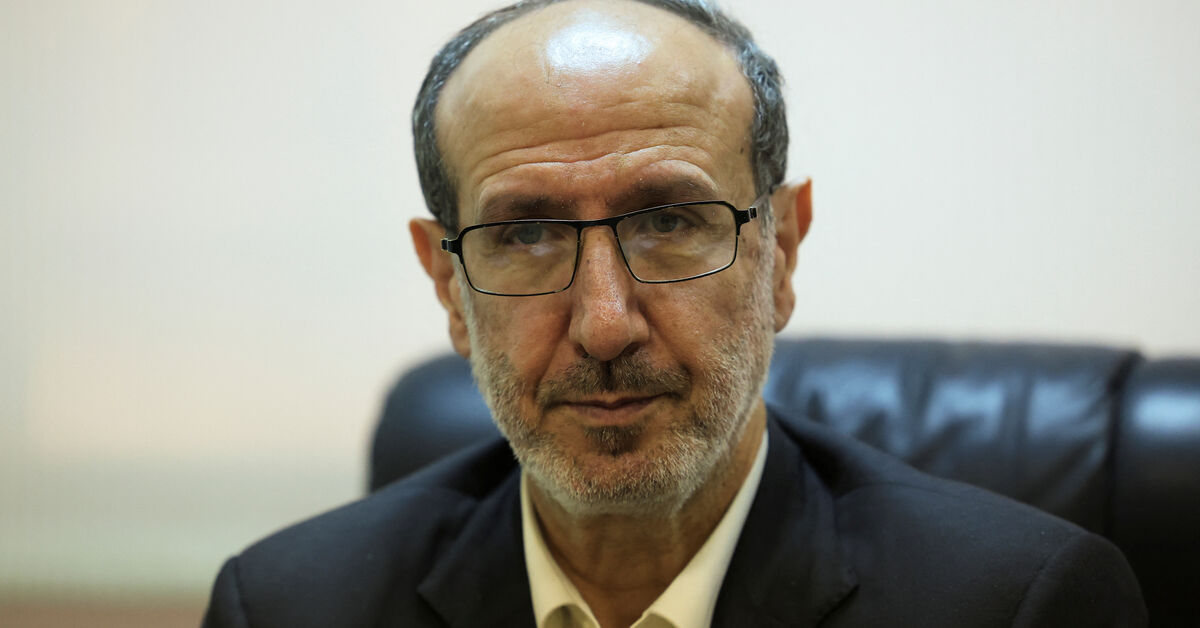
The sanctions targeted Hezbollah MPs Hassan Fadlallah, Ibrahim Al-Moussawi, Hussein Hajj Hassan and head of Hezbollah’s Executive Council Mohammad Fneish, as well as two officers from the Lebanese army and security apparatus and two security officials from the Hezbollah-allied Amal Movement. They come ahead of a May 29 meeting at the Pentagon to launch the security track of the direct Lebanese-Israeli negotiations under Washington’s sponsorship, which are strongly opposed by Hezbollah and its ally, Parliament Speaker Nabih Berri.
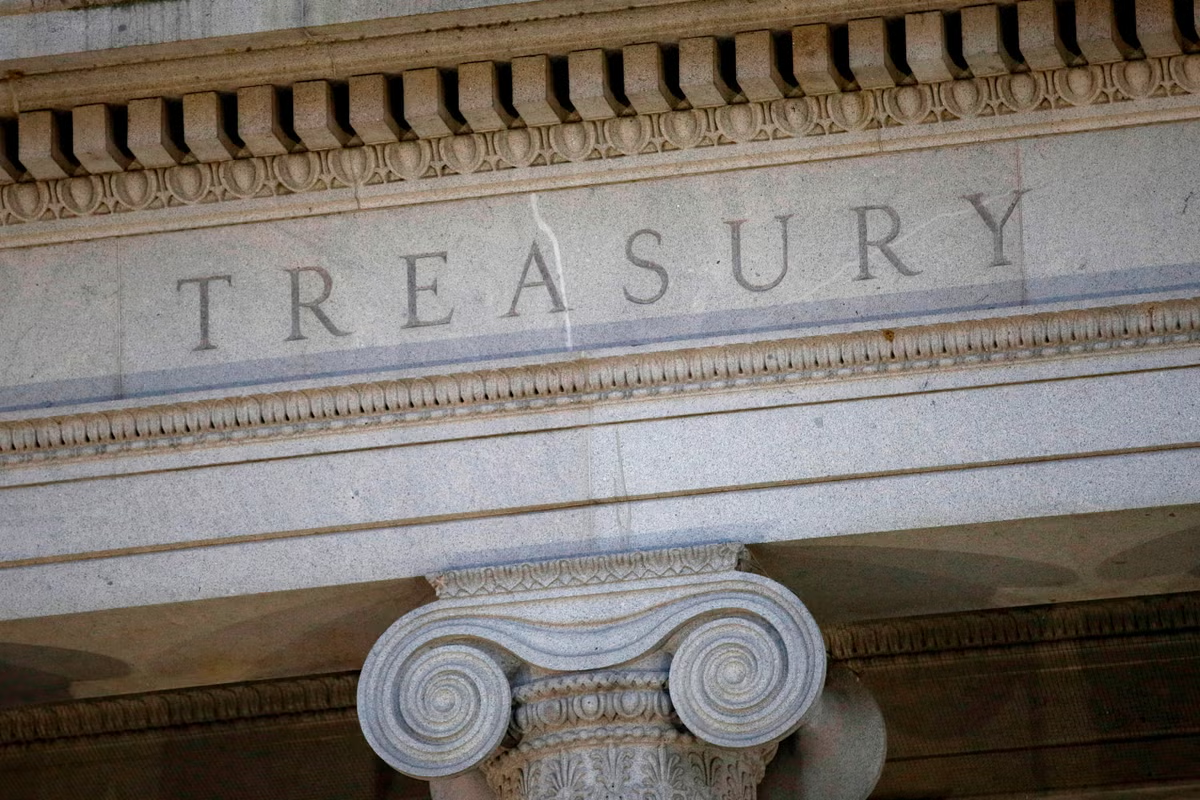
The US Department of the Treasury clarified the charges under which these individuals were added to the sanctions list, stating they were “obstructing the peace process in Lebanon and impeding the disarmament of Hezbollah.”
It added that “these Hezbollah-aligned officials include individuals embedded across Lebanon’s parliament, military, and security sectors, where they seek to preserve the Iran-backed group’s influence over key Lebanese state institutions” and said: “Hezbollah’s continued militant activity and coercive influence over the Lebanese state undermine the Lebanese government’s ability to assert its authority over state institutions and disarm the group.”