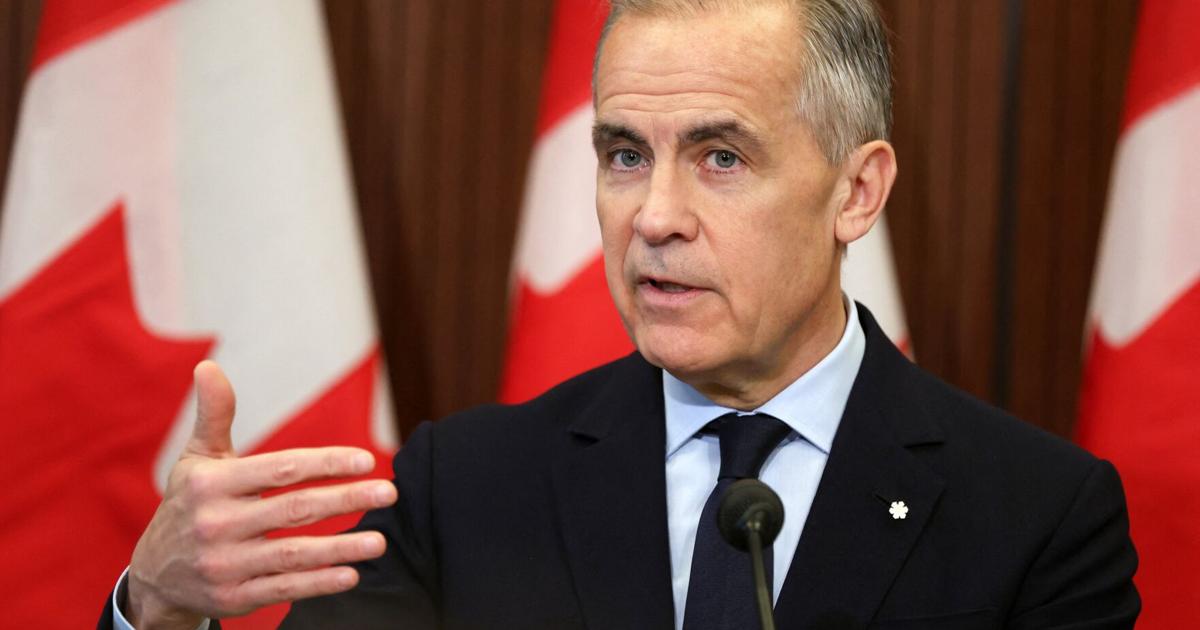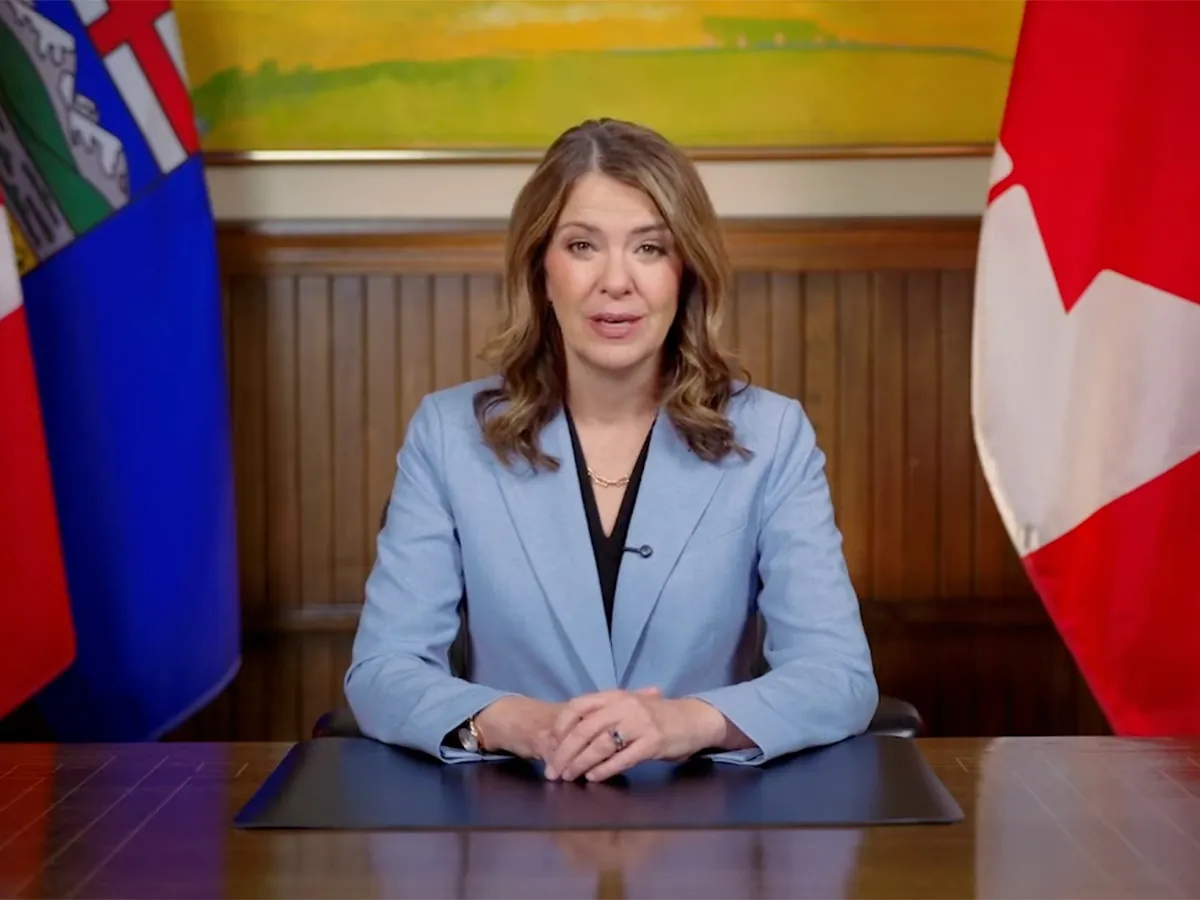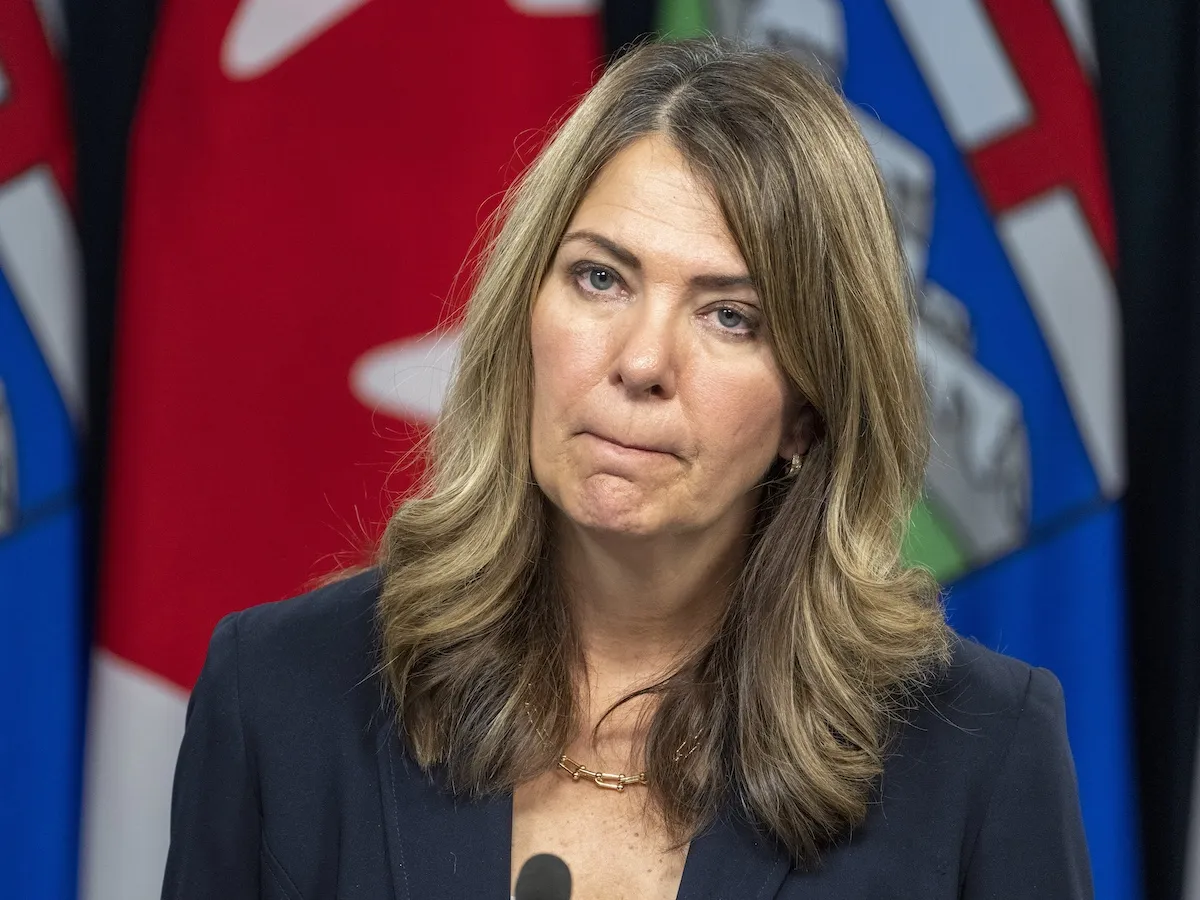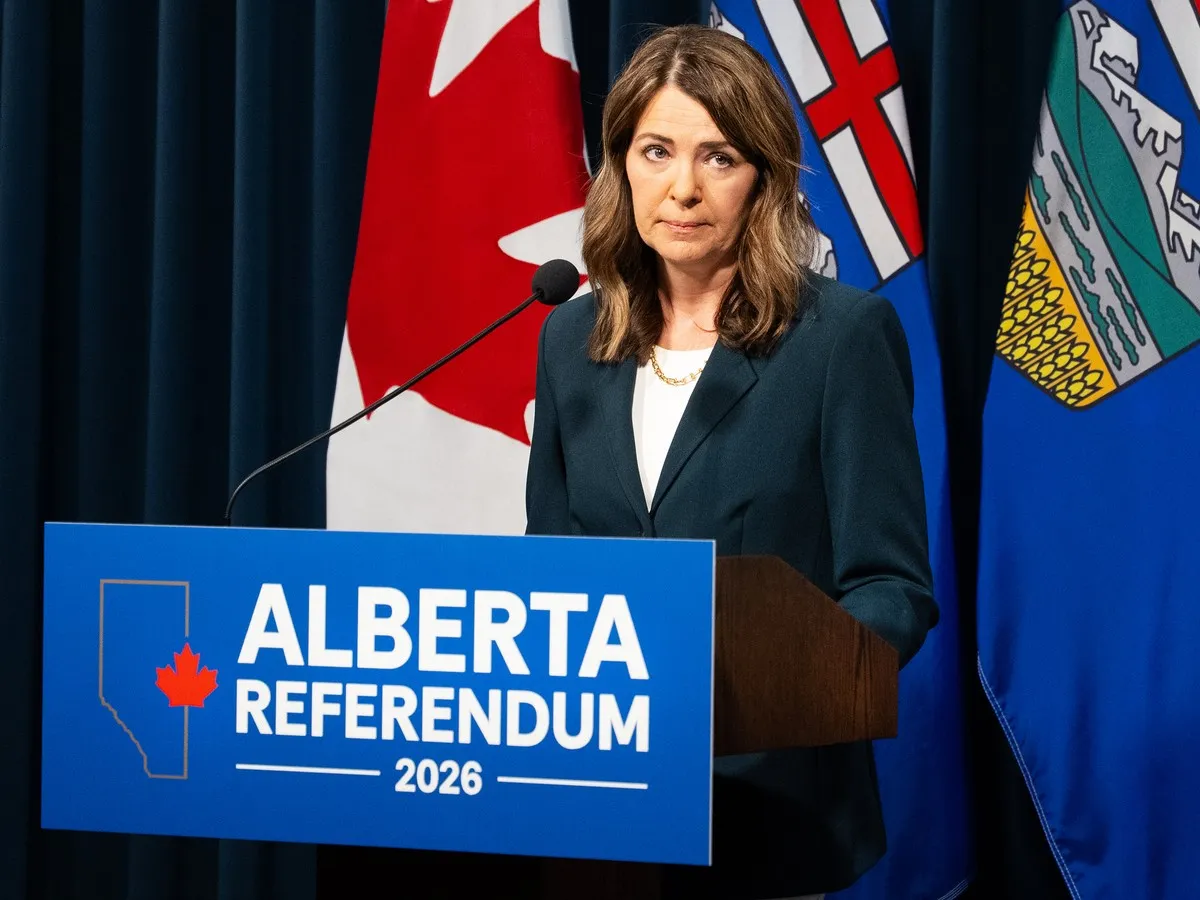
Skip to Content Subscribe Our Offers My Account Manage My Subscriptions FAQ Newsletters Canada Canadian True Crime Canadian Politics Health World Israel & Middle East Financial Post NP Comment Longreads Puzzmo Diversions Comics NP News Quiz New York Times Crossword Horoscopes Life Eating & Drinking Style Sponsored Play for Ontario Travel Travel Canada Travel USA Travel International Cruises Travel Essentials Culture Books Celebrity Movies Music Theatre Television Business Essentials Advice Lives Told Tails Told Shopping Buy Canadian Home Living Outdoor Living Tech Style & Beauty Kitchen & Dining Personal Care Entertainment & Hobbies Gift Guide Travel Guide Deals Savings National Post Store More Sports Hockey Baseball Basketball Football Soccer Golf Tennis Driving Vehicle Research Reviews News Gear Guide Obituaries Place an Obituary Place an In Memoriam Classifieds Place an Ad Celebrations Working Business Ads Archives Healthing Epaper Manage Print Subscription Profile Settings My Subscriptions Saved Articles My Offers Newsletters Customer Service FAQ Newsletters Canada World Financial Post NP Comment Longreads Puzzmo Diversions Life Shopping Epaper Manage Print Subscription HomeNewsCanadian PoliticsHere's how the Clarity Act could still apply to Alberta Premier Danielle Smith's referendumThe federal government says it is too early to know whether the Clarity Act will apply to Smith’s question this fallLast updated 19 minutes ago You can save this article by registering for free here. Or sign-in if you have an account.Alberta Premier Danielle Smith speaks at a meeting with Prime Minister Mark Carney in Calgary on Friday, May 15, 2026 before signing an agreement on oil pipeline approvals and carbon pricing. Photo by Brent Calver /PostmediaOTTAWA — Prime Minister Mark Carney has said on multiple occasions a referendum on separation in any province has to be consistent with the principles of the Clarity Act.Enjoy the latest local, national and international news.Exclusive articles by Conrad Black, Barbara Kay and others. Plus, special edition NP Platformed and First Reading newsletters and virtual events.Unlimited online access to National Post.National Post ePaper, an electronic replica of the print edition to view on any device, share and comment on.Daily puzzles including the New York Times Crossword.Support local journalism.Enjoy the latest local, national and international news.Exclusive articles by Conrad Black, Barbara Kay and others. Plus, special edition NP Platformed and First Reading newsletters and virtual events.Unlimited online access to National Post.National Post ePaper, an electronic replica of the print edition to view on any device, share and comment on.Daily puzzles including the New York Times Crossword.Support local journalism.Create an account or sign in to continue with your reading experience.Access articles from across Canada with one account.Share your thoughts and join the conversation in the comments.Enjoy additional articles per month.Get email updates from your favourite authors.Create an account or sign in to continue with your reading experience.Access articles from across Canada with one accountShare your thoughts and join the conversation in the commentsEnjoy additional articles per monthGet email updates from your favourite authorsSign In or Create an AccountorWhile the mere mention of the act makes separatists in Quebec roll their eyes, many Canadians have never heard of the federal legislation which could be used for the first time should Alberta eventually hold a binding provincial referendum to separate from Canada.The Clarity Act ensures that Parliament will have a role in making a judgment about the referendum question but also on what constitutes a clear majority for separation.It was passed years after Canada’s near-death experience during the 1995 referendum on Quebec independence which saw a razor-thin majority vote “No” to separation.So, what exactly does the act say? And how did it come about? And will it apply to Alberta’s vote this fall?Following the 1995 referendum, Prime Minister Jean Chrétien, on the advice of his late wife Aline, recruited Stéphane Dion, an influential academic in federalist circles, to his cabinet.Dion was appointed minister of intergovernmental affairs in January 1996. In that role, he went on to make the federal government’s case that unilateral secession by Quebec would be illegal if it took place without a clear set of pre-conditions.A few months later, the Governor in Council would refer three questions to the Supreme Court of Canada to ask if the constitution of Canada or the principle of self-determination under international law can give Quebec the right to secede from the rest of the country.The opinion, rendered in 1998, became the legal basis on which Dion would eventually draft his bill.“Quebec could not, despite a clear referendum result, purport to invoke a right of self-determination to dictate the terms of a proposed secession to the other parties to the federation. The democratic vote, by however strong a majority, would have no legal effect on its own,” it read.“Nor, however, can the reverse proposition be accepted: the continued existence and operation of the Canadian constitutional order could not be indifferent to a clear expression of a clear majority of Quebecers that they no longer wish to remain in Canada.”The court came to the conclusion that “it will be for the political actors to determine what constitutes ‘a clear majority on a clear question’ in the circumstances under which a future referendum vote may be taken.”Dion tabled in 1999 “An Act to give effect to the requirement for clarity as set out in the opinion of the Supreme Court of Canada in the Quebec Secession Reference” — which is better known as the Clarity Act.In essence, the legislation sets pre-conditions for the federal government before it recognizes the results of a secession referendum and before it starts negotiating.Firstly, it calls on the House of Commons to consider the referendum question and determine whether it is clear. The law establishes it is to happen within 30 days after the government of a province has officially released the question that it intends to submit to its voters relating to the secession of the province from Canada, but it can be extended.“In considering the clarity of a referendum question, the House of Commons shall consider whether the question would result in a clear expression of the will of the population of a province on whether the province should cease to be part of Canada and become an independent state,” it reads.It would not be deemed a clear expression of the will of the people if it considers other possibilities to secession, such as “economic or political arrangements with Canada.”Secondly, the House of Commons will also have to determine, following the referendum on secession, if there has been “a clear expression of a will by a clear majority of the population of that province” for them to cease to be part of Canada.The legislation calls on MPs to take into account the size of the majority of valid votes cast in favour of separation, the percentage of eligible voters voting in the referendum and other political views and statements inside the province, including from Indigenous peoples.One of the longstanding criticisms about the Clarity Act is that it leaves the interpretation of the “clear majority” to politicians and does not necessarily mean 50 per cent plus one.The legislation was quickly adopted in the House of Commons, but it faced opposition in the Senate, where it was debated for more than three months. Chrétien quickly appointed new senators to fill vacant seats and get it to pass. The bill became law in June 2000.A few months later, the Parti Québécois passed its own legislation as a response to the federal Clarity Act: “An Act respecting the exercise of the fundamental rights and prerogatives of the Québec people and the Québec State.”Alberta Premier Danielle Smith announced on Thursday that she would add a question to this fall’s referendum that could eventually lead to a future referendum on secession.The question goes as follows: “Should Alberta remain a province of Canada or should the Government of Alberta commence the legal process required under the Canadian Constitution to hold a binding provincial referendum on whether or not Alberta should separate from Canada?”Even if, at first glance, the Clarity Act does not seem to apply to this question because it is not asking if Albertans want their province to secede from Canada right away, the House of Commons could still technically want to make its voice heard in this debate, suggested Patrick Taillon, professor of constitutional law at Université Laval in Quebec City.Taillon said MPs could still pass a motion in the House of Commons on whether the question posed to Albertans on wanting to remain in Canada is clear and, after the referendum, whether there was a clear majority. But he said those votes are non-binding and symbolic, and therefore, would essentially hold no real weight.For the moment, the federal government is saying it is too early to give a definitive answer as to whether the Clarity Act will apply to Smith’s question this fall.The real test will be if Albertans decide to choose the second option.In that case, Ottawa would enact the Clarity Act for the first time in its history.National Post calevesque@postmedia.comOur website is the place for the latest breaking news, exclusive scoops, longreads and provocative commentary. Please bookmark nationalpost.com and sign up for our newsletters here. Join the Conversation This website uses cookies to personalize your content (including ads), and allows us to analyze our traffic. Read more about cookies here. By continuing to use our site, you agree to our Terms of Use and Privacy Policy.
Here's how the Clarity Act could still apply to Alberta Premier Danielle Smith's referendum
While the mere mention of the act makes separatists in Quebec roll their eyes, many Canadians have never heard of this federal legislation.
1,551 words~7 min read