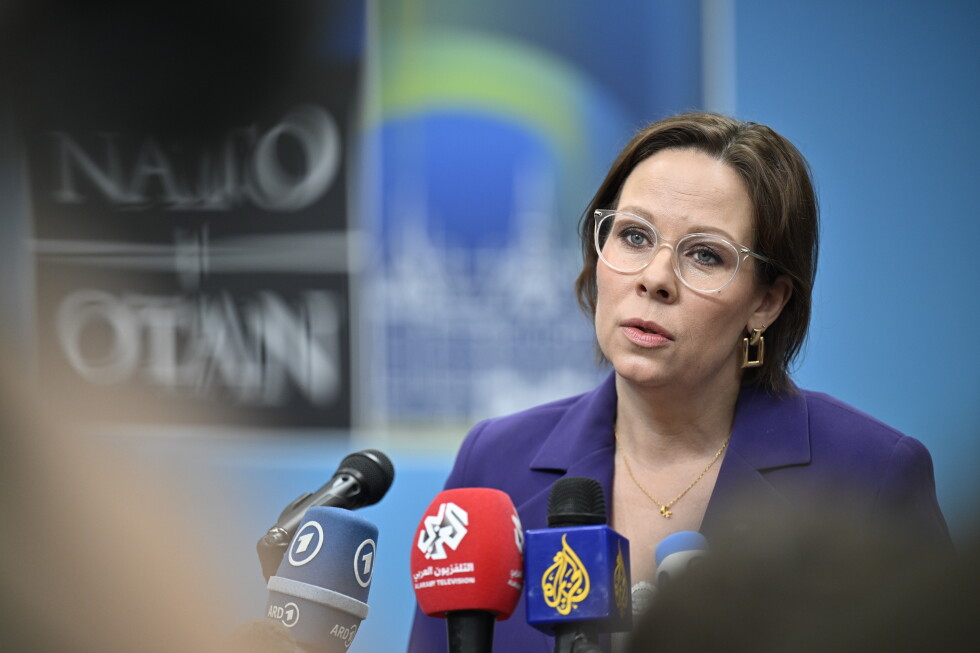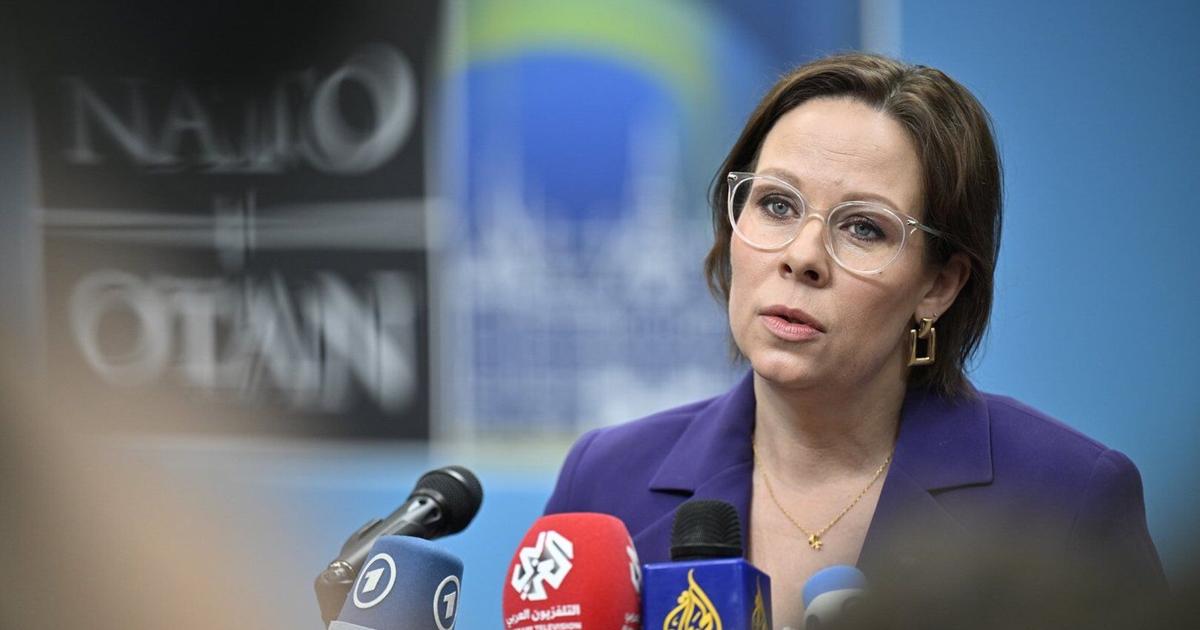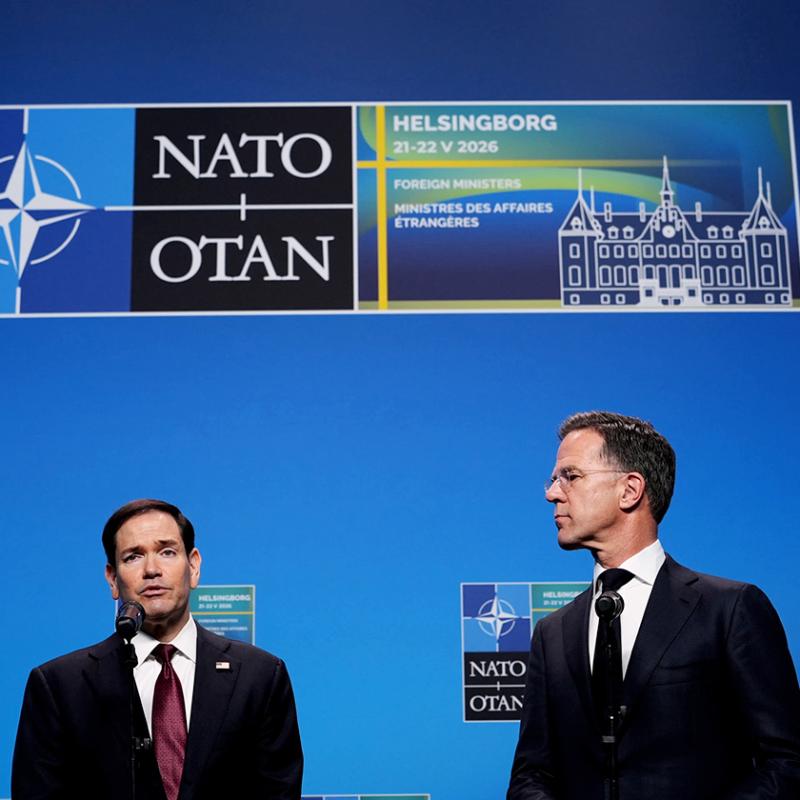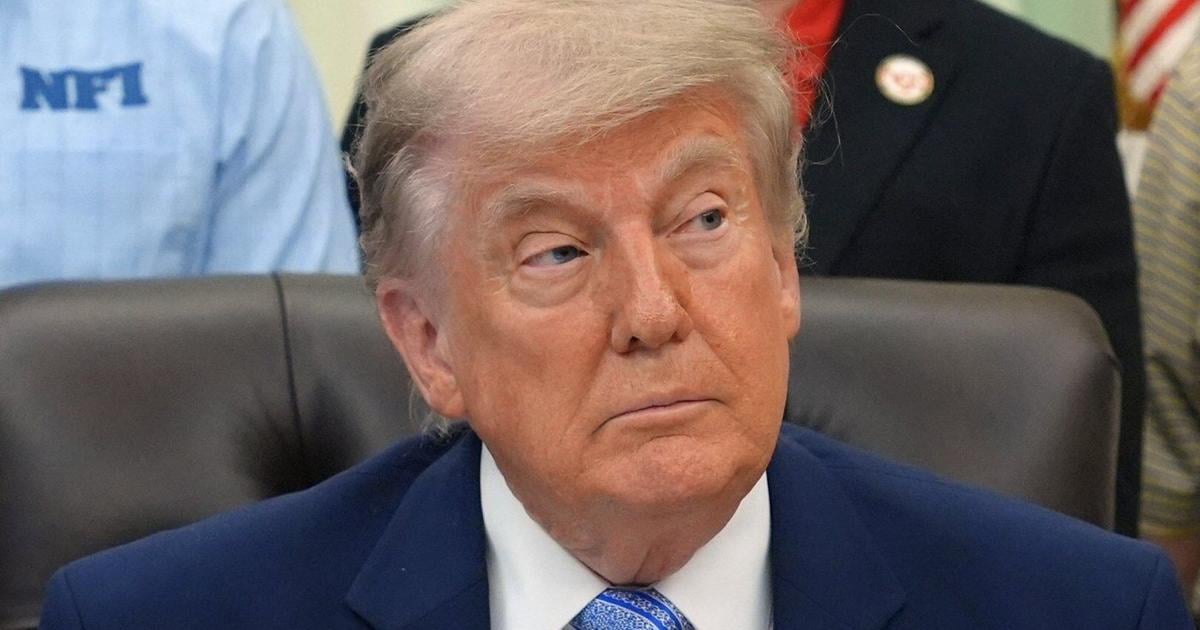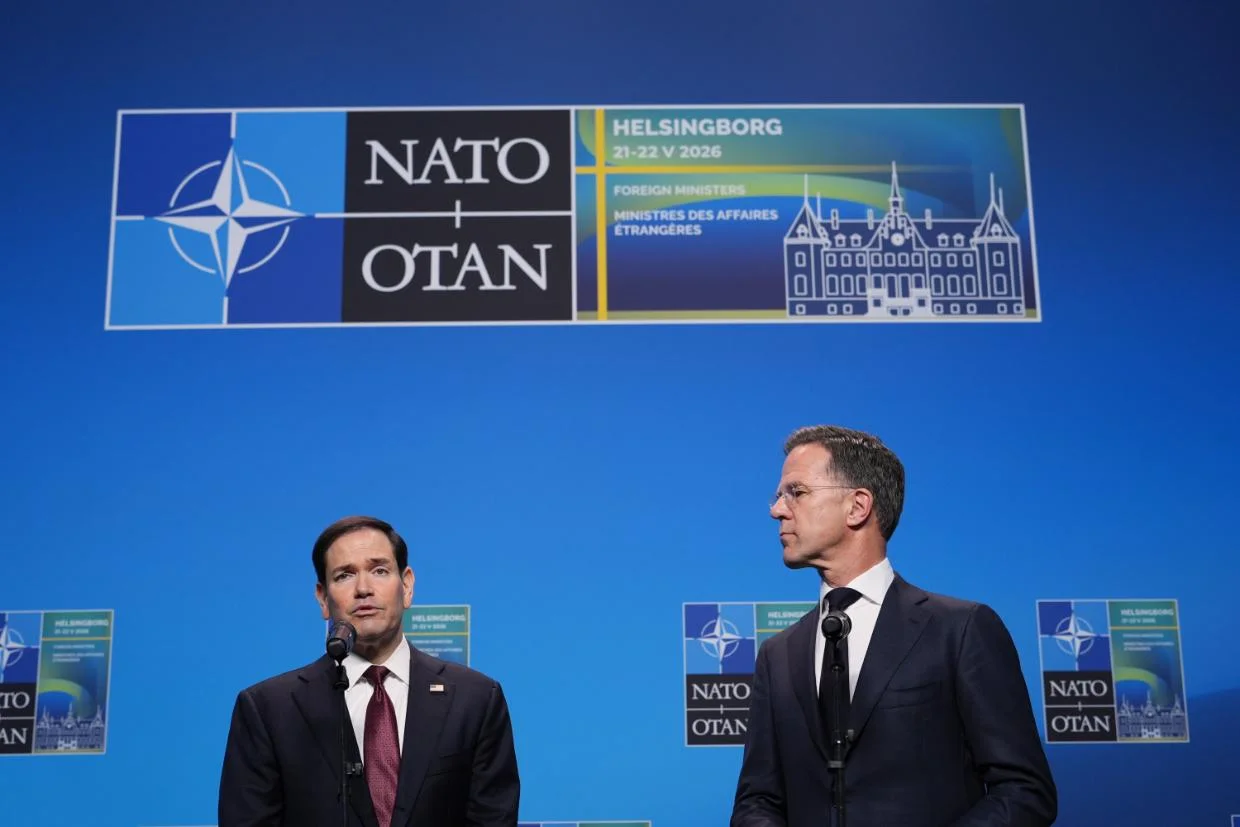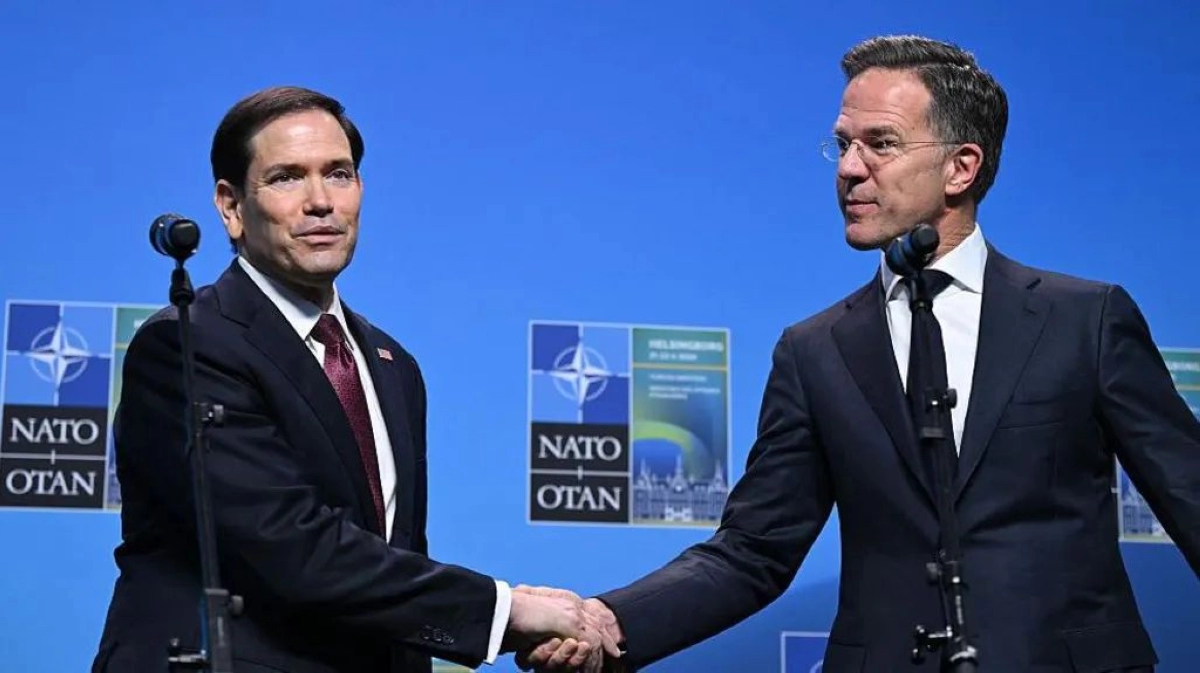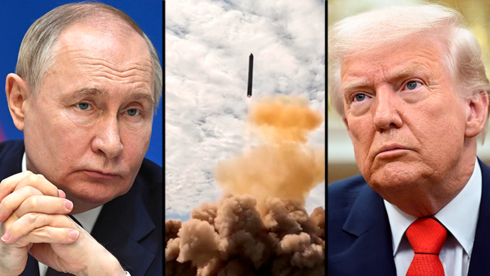
After threatening to pull 5,000 troops from Germany, Trump first stunned Poland by canceling a planned deployment there, then reversed course again, announcing 5,000 troops for Warsaw 'because of the president I supported,' baffling even Pentagon officialsU.S. President Donald Trump continues to sow confusion in Europe over his willingness to defend the continent against the threat posed by Russia, and according to reports, his decisions are also catching Pentagon officials off guard.On Thursday evening, Trump announced in a post on his social media platform that, because of his strong relationship with Polish President Karol Nawrocki, he had decided to send 5,000 American troops to Poland. The announcement came just one week after officials in Warsaw were surprised by a U.S. decision to cancel the planned deployment of 4,000 troops to the country, itself a reversal after the Trump administration had previously said only 5,000 troops would be withdrawn from Germany.4 View gallery (Photo: Russian Defence Ministry/Handout via REUTERS, Sergei Bobylev, Sputnik, Kremlin Pool Photo/ AP, Mandel NGAN/AFP)“Based on the successful election of the current president of Poland, Karol Nawrocki, whom I had the honor of endorsing, and our relationship with him, I am pleased to announce that the United States will send an additional 5,000 troops to Poland,” Trump wrote on Truth Social, referring to his support for the right-wing politician during last year’s Polish presidential election.Trump did not clarify how the new decision affects the earlier move not to send 4,000 troops to Poland as planned. It remains unclear whether those troops will now be deployed in addition to another contingent, or whether the 5,000 troops will instead be transferred from elsewhere in Europe, such as Germany, from which Trump had vowed to withdraw forces amid his dispute with German Chancellor Friedrich Merz, who criticized the lack of strategy in the war with Iran.The confusion was evident both in Europe and within the U.S. administration. American defense officials told The Associated Press overnight Thursday that they were surprised by Trump’s announcement.“We’ve spent two weeks trying to respond to the first announcement, and we still don’t know what this means,” one official said.In Europe, and particularly in Poland, Trump’s latest announcement was met with relief, though officials there also recognize that the mercurial president could reverse course again and eventually order a renewed troop withdrawal from Europe.4 View gallery Trump with Nawrocki during the latter’s presidential campaign in Poland last year (Video: X)“It is indeed confusing, and not always easy to navigate,” Swedish Foreign Minister Maria Malmer Stenergard said during a summit of NATO foreign ministers hosted Friday in Sweden and attended by U.S. Secretary of State Marco Rubio.Latvian Foreign Minister Baiba Braze said NATO allies already knew the United States was reassessing its troop deployments in Europe, even before the war with Iran, which intensified Trump’s anger at NATO members over what he viewed as their refusal to assist Washington, and that, for now, she did not believe a change was underway. “For now,” she emphasized.Trump has long been a sharp critic of NATO, dating back to his first term as president. He argued then that the United States had spent years heavily funding NATO’s military buildup while European countries failed to do their share and instead relied on Washington. After returning to the White House last year, he again demanded that European allies dramatically increase defense spending. While most complied, some resisted, most notably Spain under Socialist Prime Minister Pedro Sánchez, one of Trump’s most outspoken rivals in Europe.Tensions within NATO escalated into a major crisis earlier this year after Trump threatened to seize Greenland by force from NATO member Denmark. The rift deepened during the war with Iran, when European governments not only distanced themselves from the campaign but also refused to send warships to reopen the Strait of Hormuz, as Trump had demanded.Some countries, including Spain and, to a lesser extent, Britain and Italy, imposed restrictions on U.S. use of bases and airspace on their territory for the war effort. Trump responded by threatening to punish NATO and even said he was considering withdrawing from the alliance, a move that would dramatically shake Europe’s security architecture, which relies heavily on American protection and particularly on Washington’s nuclear umbrella. All the while, fears persist that Russian President Vladimir Putin could expand the invasion beyond Ukraine, which is not a NATO member, to countries on the alliance’s eastern flank, such as the Baltic states and Poland.About 80,000 American troops are currently stationed across Europe. Earlier this month, following Trump’s dispute with Merz, the administration announced that 5,000 of them would be withdrawn from Germany. Trump later warned this would only be an initial step. “We’ll cut much more than 5,000,” he said at the time.4 View gallery A NATO special forces exercise in Romania (Photo: Andrei Pungovschi/Getty Images)Then, last Thursday, the United States abruptly announced it was canceling the deployment of 4,000 combat troops to Poland, along with another 1,000 troops from a long-range missile-launching unit that had been scheduled to deploy to Germany. It is now unclear whether the decision regarding Poland has been reversed, or whether those 4,000 combat troops still will not arrive and will instead be replaced by forces from elsewhere in Europe, such as Germany.Gen. Alexus Grynkewich, head of U.S. European Command and NATO’s supreme allied commander in Europe, said Tuesday that the current plan is to remove a total of 5,000 troops from Europe overall.Even if only partial for now, the plan to reduce the American military presence in Europe has drawn criticism within Trump’s own Republican Party, with opponents arguing it sends the wrong message to Putin and could encourage further aggression.Republican Rep. Don Bacon of Nebraska said after the original decision to cancel the deployment to Poland that senior officials in Warsaw had expressed astonishment in conversations with him. He described the treatment of Poland, which the Pentagon itself has called “a model ally”, as “a disgrace” for the United States.Poland nevertheless welcomed Trump’s latest reversal Thursday night. President Karol Nawrocki said, “Good alliances are those based on cooperation, mutual respect and commitment to our shared security.” Defense Minister Władysław Kosiniak-Kamysz said the decision to send 5,000 troops to Poland showed that ties between Warsaw and Washington are “very strong” and that Poland is “an exemplary ally.”Still, Trump’s frustration with European allies is not expected to fade. Rubio underscored that point Friday morning at the NATO foreign ministers summit in Sweden.4 View gallery US Secretary of State Marco Rubio at the NATO foreign ministers summit in Sweden (Photo: Jonathan Nackstrand / AFP)“The president’s views — frankly, his disappointment with some of our NATO allies and their response to our actions in the Middle East — are well documented,” Rubio told reporters on the sidelines of the summit. “This has to be addressed. It’s not something that will be resolved today. It’s something that needs to be discussed at the leadership level,” he added, emphasizing that the alliance must be “good for everyone involved.”The summit is taking place amid growing concern in Europe that, against the backdrop of tensions within the alliance, Putin may seek to test member states’ commitment to NATO’s core collective-defense clause, Article 5, which states that an attack on one member is an attack on all and obligates allies to come to its defense.Just this week, Moscow warned the Baltic states, Lithuania, Latvia and Estonia, that their NATO membership would not protect them after accusing them of helping Ukraine launch drones into Russian territory from their soil. The Baltic governments deny the accusation, amid repeated incidents in recent months in which Ukrainian drones crashed inside their territory. Kyiv says the drones landed in the Baltic states after being deliberately diverted by Moscow through electronic warfare.Against that backdrop, NATO Secretary-General Mark Rutte delivered a warning to Putin on Friday afternoon, saying at the summit in Sweden: “If anyone is foolish enough to attack us, the response will be devastating.”Meanwhile, Putin issued a threat toward Kyiv after accusing Ukraine of carrying out what he called a deliberate “terror attack” on student dormitories in the Russian-occupied Luhansk region of eastern Ukraine’s Donbas. According to a Kremlin statement, at least six people were killed, 39 were wounded and 15 remain missing, with rescue crews continuing search efforts. Putin claimed Ukraine deliberately targeted civilians — an accusation critics view as deeply hypocritical given Russia’s repeated attacks on Ukrainian cities. Just last week, a Russian missile struck a residential tower in Kyiv, killing 24 people, including three children.“I have instructed the Defense Ministry to prepare response options,” Putin warned.
Even the Pentagon is confused: Trump’s Europe zigzag and NATO’s warning to Putin
After threatening to pull 5,000 troops from Germany, Trump first stunned Poland by canceling a planned deployment there, then reversed course again, announcing 5,000 troops for Warsaw 'because of the president I supported,' baffling even Pentagon officials
1,426 words~6 min read