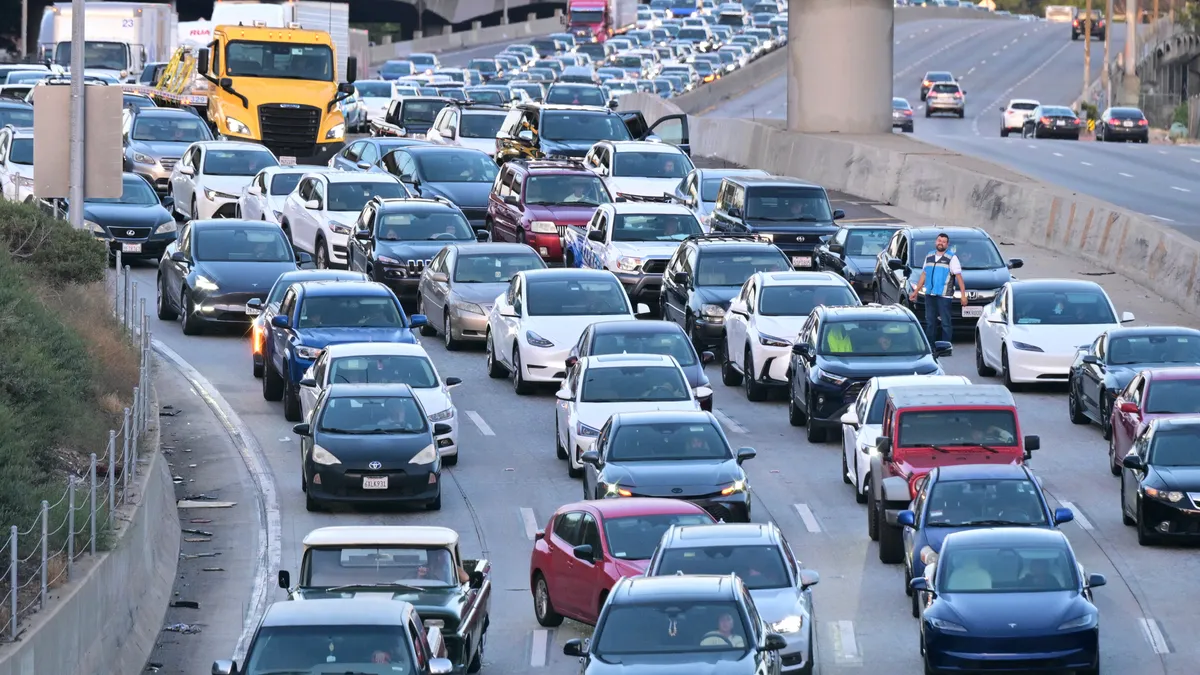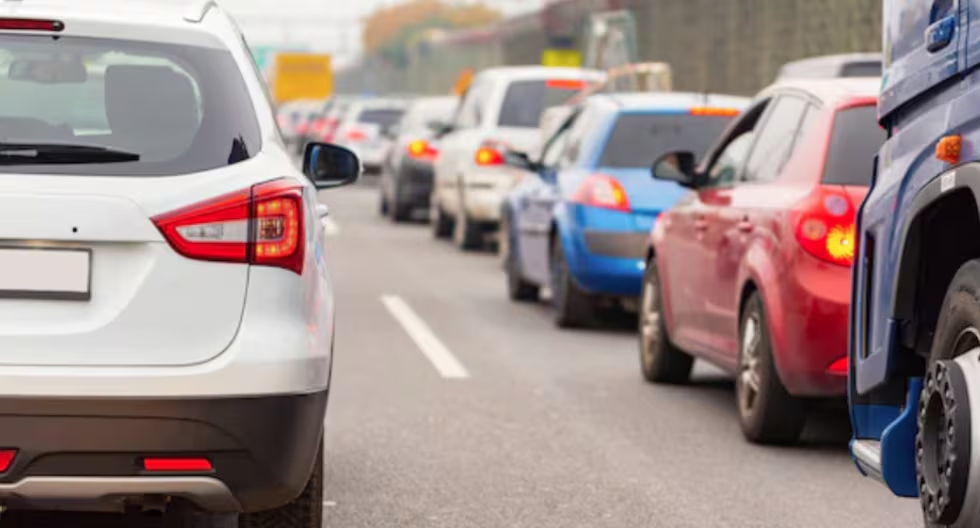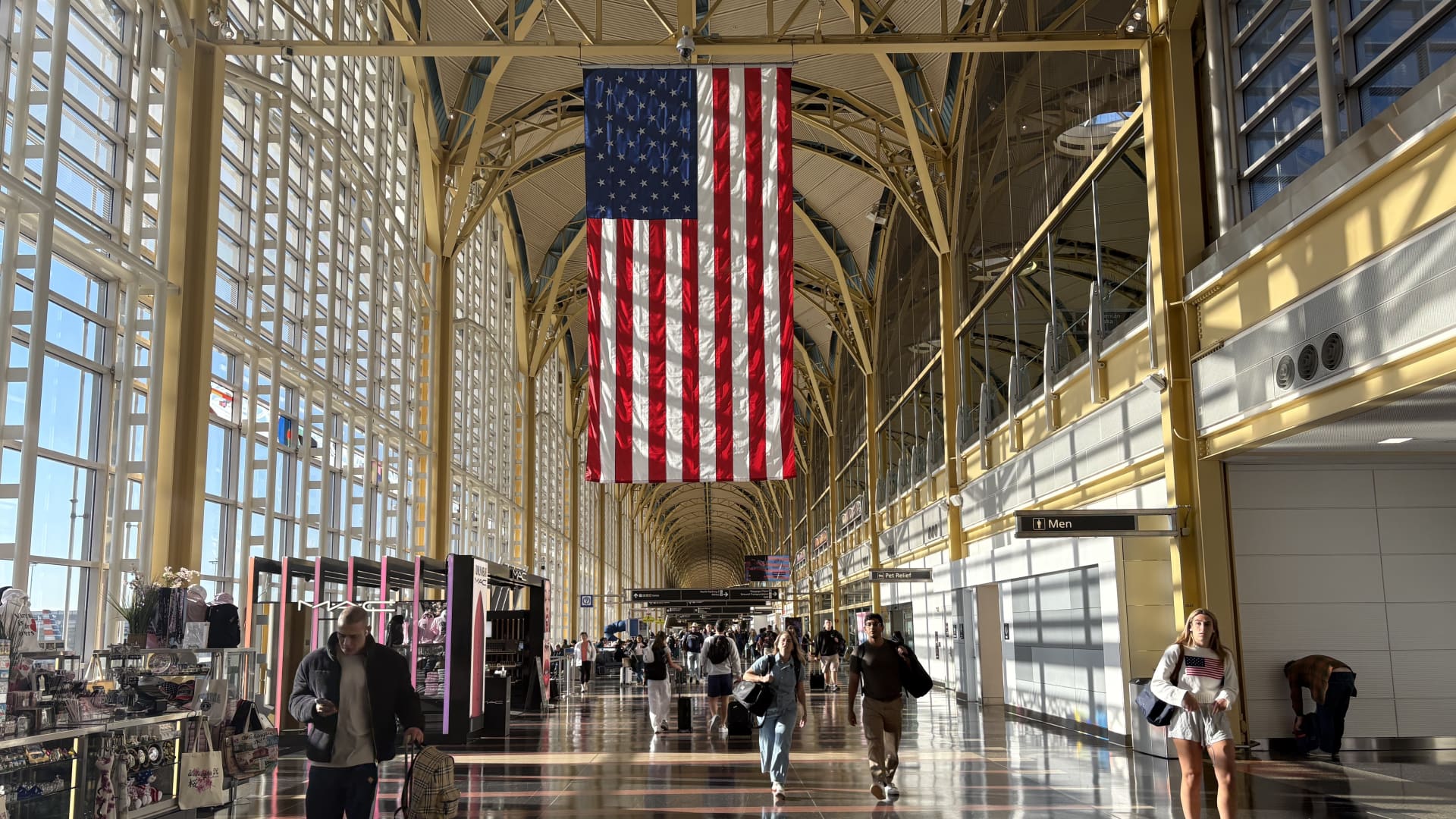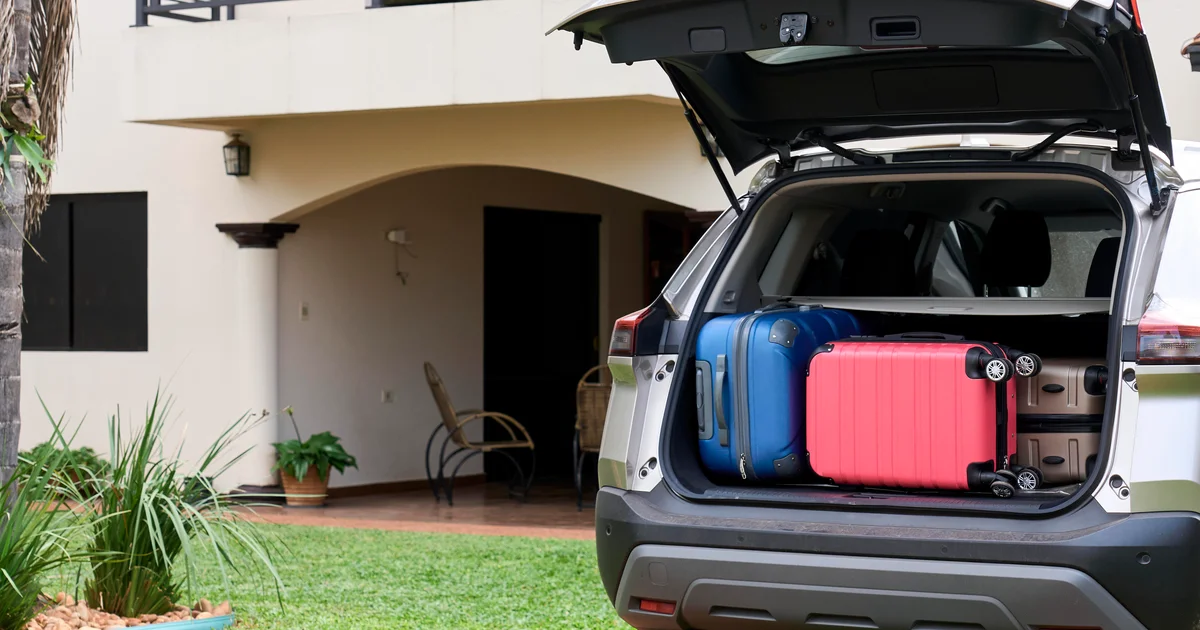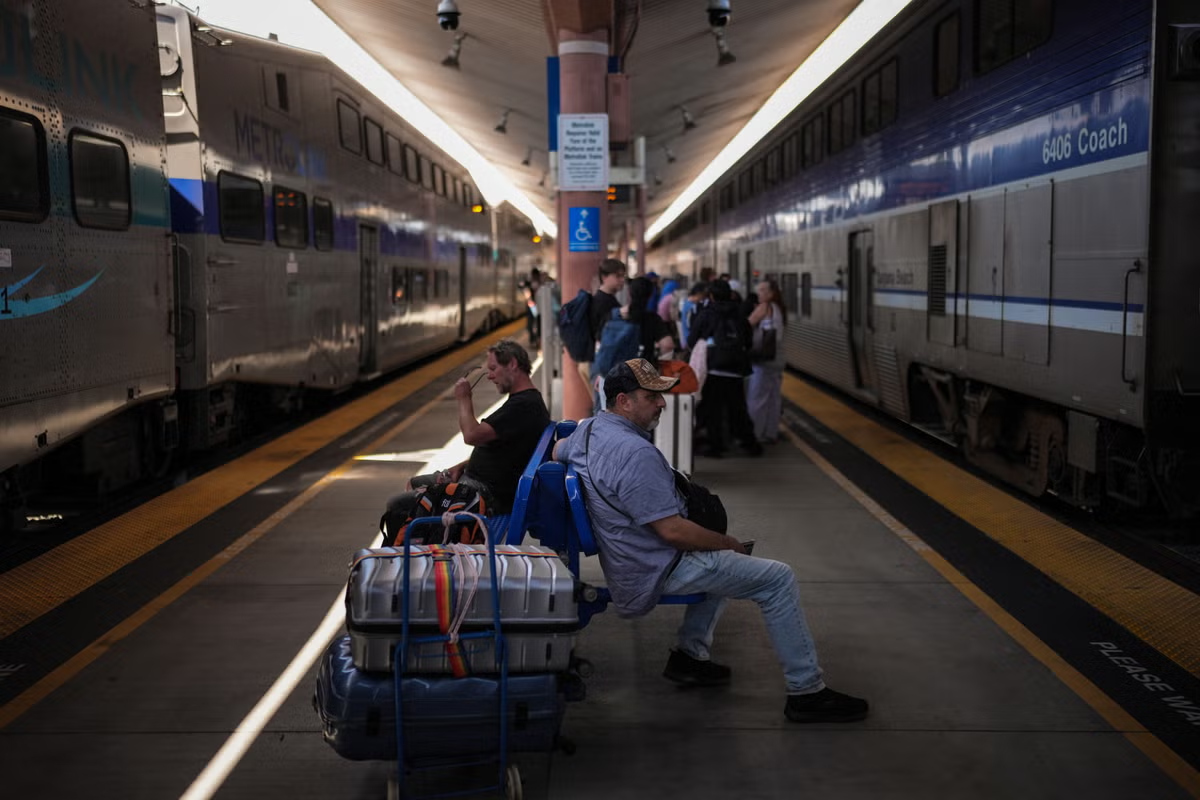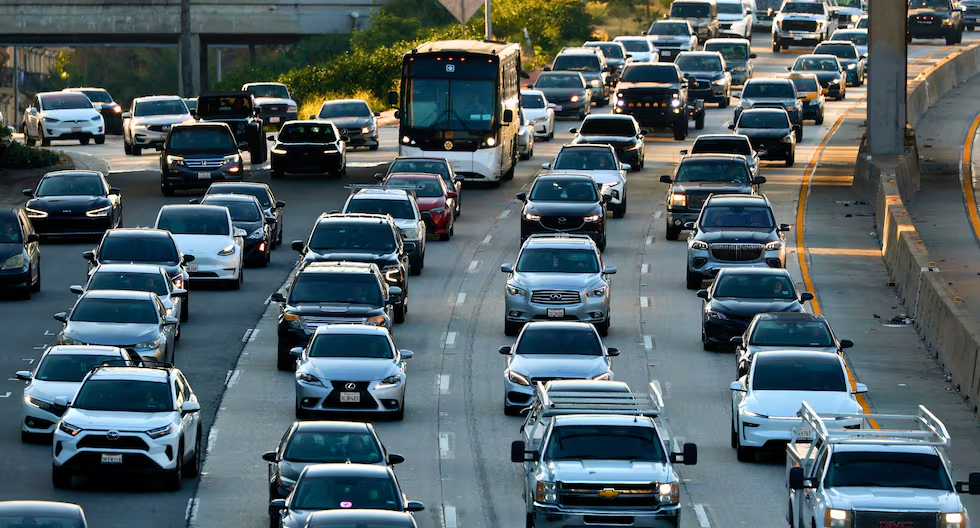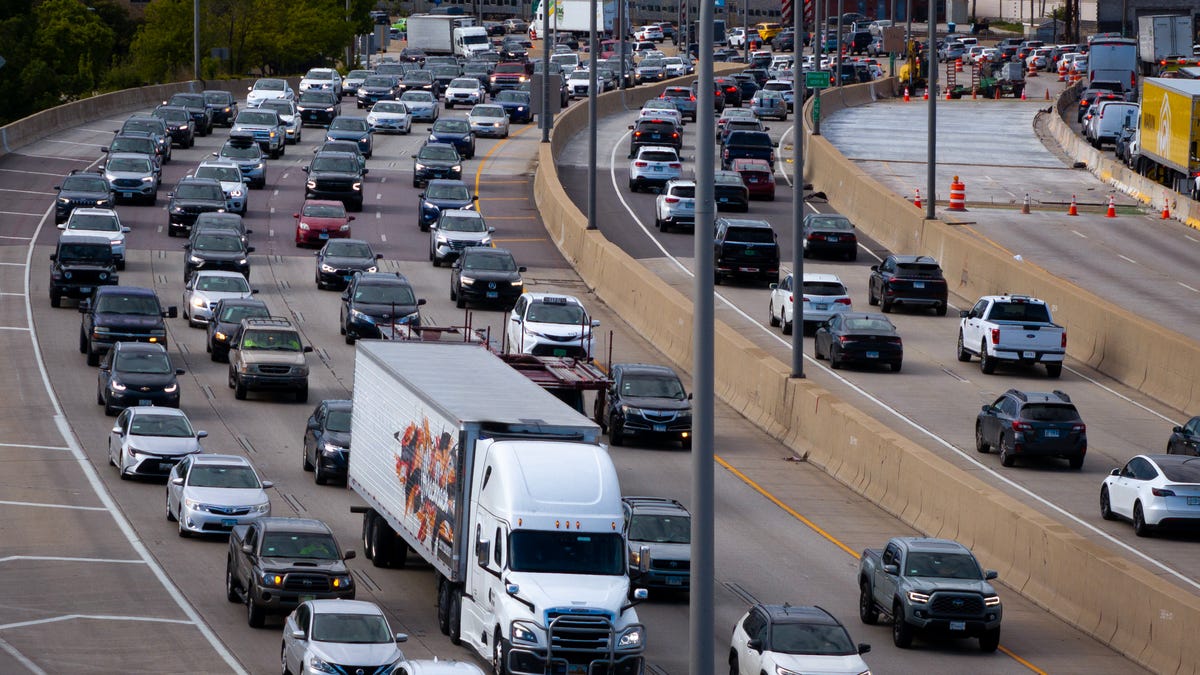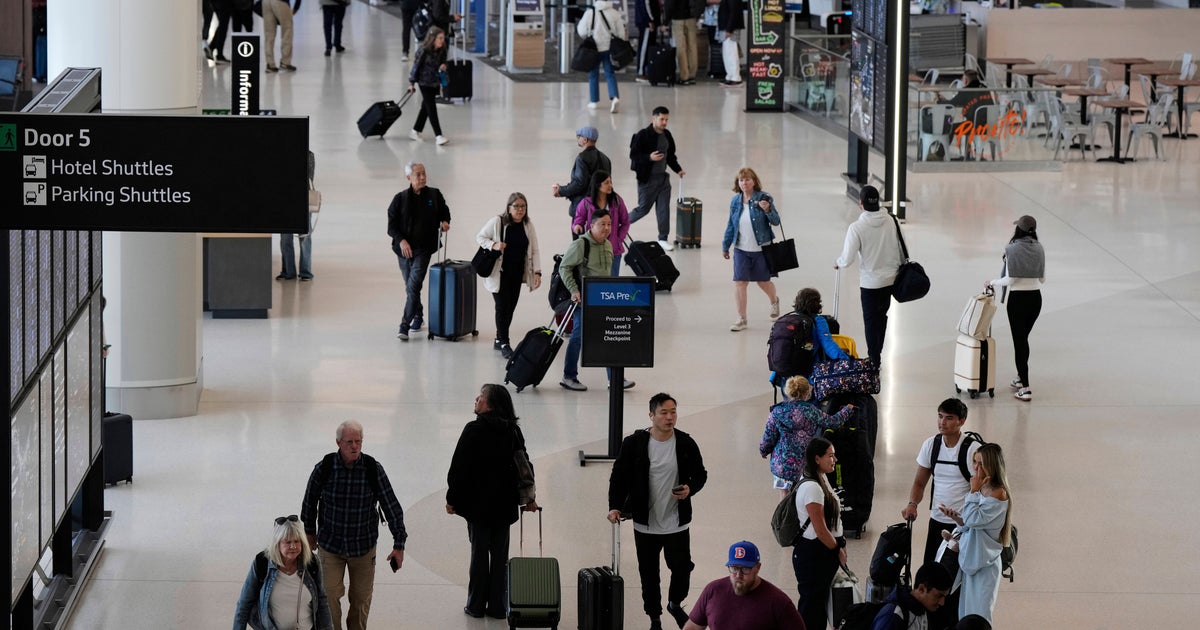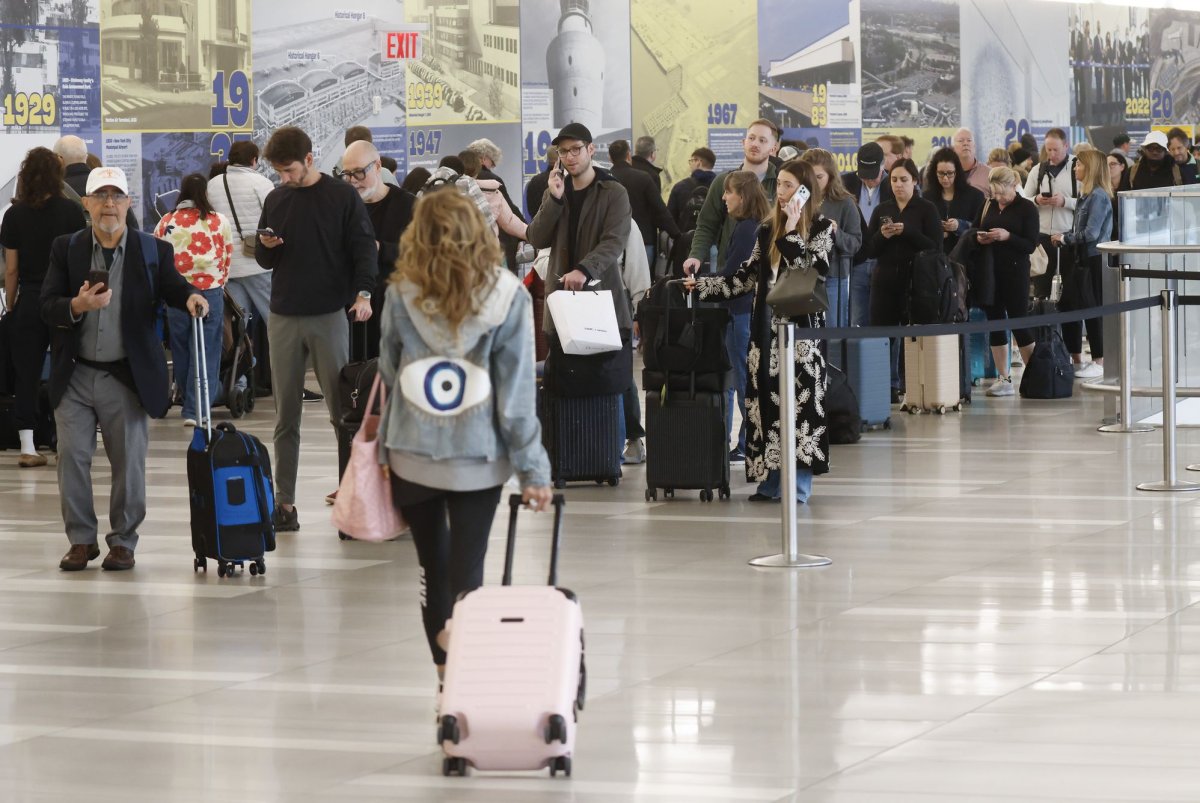
Here's what to expect when you travel this Memorial Day—and this summer.gettyAndres Celis spends his days moving aircraft parts to maintenance crews around the world. So when AAA projected that 45 million Americans will travel this Memorial Day weekend, long lines at the ticket counter weren't the first thing that came to mind. Instead, he thought about what happens before that, and in places passengers never see."Air travel delays don't start at the gate," says Celis, a sales and operations associate at DMI Aviation Sales in Medley, Fla. "They start hours earlier in maintenance queues, parts sourcing and ground crew coordination."And when demand spikes, so does the pressure to deliver parts, and people, on time.He has a term for what's happening across the industry right now: "tight tolerance." It's an aviation phrase that describes a system operating with almost no margin for error. In the past, an airline could absorb a small mechanical delay by shifting passengers to a later flight or pulling a spare aircraft from a nearby hangar. Today, those spare seats don't exist. A 90-minute delay that would once have been absorbed gets a flight canceled instead, because the downstream effect on gates and crews becomes unmanageable.This is a summer of tight tolerance, and not just for air travelers.The country's airports, highways, rental counters and hotel front desks are about to face the first real stress test of the season. True, AAA expects a record 39.1 million of those 45 million travelers to be driving, but the air travel numbers are still a record for this weekend. By almost every measure, the system has less slack in it than at any point in years.Why summer travel is running hot in 2026What does that mean for the travelers about to hit the road and the airport terminals? They'll find a system that punishes the unprepared (here are some tools that can help you). Fares and hotel prices will be more volatile. Vehicles are coming off a hard winter with hidden maintenance problems. Travel insurance, the one thing that could mitigate most of the damage, is the thing most travelers skip. That's the shape of Memorial Day weekend in 2026, and it's also the shape of the entire summer ahead.When cancellations cascade through the network, the cost lands on the passenger. Last-minute fare spikes are rarely just a reflection of high passenger demand."They reflect rescheduled passengers from earlier disruptions stacking onto already-full flights," Celis says. "Booking at the last-minute this weekend means paying not just for the seat but for someone else's canceled connection."The other factor reshaping the weekend is what's no longer in the market. Spirit Airlines ceased operations earlier this month after 34 years."Spirit made up about 3 percent of the US domestic market share over the 12 months leading up to its closure," says Tom Laming, business development manager at the Port of Huntsville. "This may not sound like much, but is a sizable impact to the traveling public and removes a competitive airline from the market, which could lead to higher fares in the industry."Summer travel costs are rising for 2026Higher fares mean higher-spending travelers. A PwC survey out this week puts the average Memorial Day weekend trip at $898 per traveler. About one-third of adults plan to go somewhere. The younger you are, the likelier you are to travel. (Among millennials, it's 43 percent and among Gen Zers, it's 49 percent.) Faye Travel Insurance data shows the average summer trip cost for insured travelers has jumped nearly 18 percent from last year, to $6,773 per traveler. And travelers are worried. The Allianz Partners Global Travel Confidence Index found that 70 percent of Americans plan to travel this summer, but they're wrestling with a long list of issues."Travelers are juggling a wide range of concerns, from delays and medical issues to lost luggage and documents, with younger Americans feeling the most anxiety across nearly every category," says Daniel Durazo, director of external communications at Allianz Partners USA. "These concerns often become amplified during a long holiday weekend."Look past Memorial Day weekend and the picture gets clearer. Deloitte's 2026 Summer Travel Survey, also out this week, points to the squeeze: 45 percent of Americans — the lowest number in six years — plan to take a summer vacation with paid lodging. One-third of nontravelers say travel is simply too expensive.Summer vacation trends: Shorter trips and domestic travelThe most significant shift this summer is structural. Americans are taking shorter, more frequent vacations instead of the traditional long getaway.New data from Enterprise Mobility shows that nearly half of summer travelers (47 percent) are planning to take more short getaways than last year. The reason: 40 percent say they like it better than a long vacation, and of the 69 percent opting for weekend trips, 46 percent are doing so because they're more affordable.But the reasons go beyond cost. A majority of those surveyed view short trips as important for mental recharging, with 83 percent saying it's just easier to take a spontaneous trip."For many travelers, summer is about spending time together — whether that means visiting family, planning road trips or celebrating special moments," says Bridget Long, senior vice president for North American operations at Enterprise Mobility. Chris Hohorst, U.S. director at GetYourGuide, sees the same pattern in his booking data. Of the top 20 experiences with the biggest jumps in interest among American travelers on his platform, 14 are within the United States."A meaningful share of travelers are skipping the airport entirely and exploring within a few hours of home," Hohorst says. He cites hikes in Upper Antelope Canyon, the Palm Springs Aerial Tramway and the Gatlinburg Moonshine Mountain Coaster as examples.Jeff Krauss, an event planner, calls these "micro-break" trips. The downside, he says, is that the cheapest-looking options disappear quickly, forcing travelers into higher fare classes or less convenient schedules—and concentrating demand into specific weekends, which creates sharper spikes in airport congestion, rental car shortages and hotel availability.So the travelers who do go are paying more for less. And they're adjusting accordingly.Road trip safety and car maintenance for Memorial DayAll those shorter trips end up on the same roads. And if you're one of those drivers, your car is the variable you can actually control. "Vehicles are coming off a particularly rough winter, and carrying hidden maintenance deficits right into peak travel conditions," says Kyle McMahon, vice president of operations for the West Region at Valvoline Instant Oil Change. More than 62 percent of drivers experienced a cold-weather breakdown last winter, according to Valvoline survey data.The most common issues McMahon's service centers see after winter are low or degraded engine oil, worn wiper blades, low tire pressure and fluids that need topping off. Underinflated tires alone cost American drivers nearly $20 billion a year in excess fuel and tire-related issues.Then there's the way you drive. Plymouth Rock Assurance data shows that weekends in summer see a 5 to 8 percent increase in auto insurance claims compared to non-summer periods. The biggest spike happens on Sundays. Claims rise 9.2 percent on summer Sundays versus 3 to 4 percent on summer Fridays. Glass and towing claims jump about 16 percent. Parking-lot accidents climb almost 11 percent.Verra Mobility, which analyzes traffic-camera data from communities across the country, found that Memorial Day weekend speed violations were up 28 percent in 2025 compared to 2024. High-speed violations — 20 mph or more over the limit — climbed 26 percent. The worst day from 2023 through 2025 has been the Sunday of Memorial Day weekend.In other words: everyone heads home tired, on the same day, in a hurry.The insurance gap nobody talks aboutThe bigger gap most travelers walk into this weekend isn't on the road, but the booking page."Memorial Day is one of the busiest travel weekends of the year, and most people are focused on booking the trip rather than protecting their investments," says Joe Cronin, president of International Citizens Insurance. "We see a lot of coverage gaps in things like rental car damage. Travelers assume their personal auto insurance or credit card covers them fully, and that is not always the case."The other big one, Cronin says, is medical coverage abroad. Most U.S. health plans cover little to nothing once you leave the country. Medicare covers almost nothing at all.I've been writing about this for 25 years, and the lesson is always the same: Travelers buy insurance after the thing they should have insured against has already happened.Expert tips for Memorial Day travel and summer vacationsHere are a few expert tips for having a smoother trip.Leave at off-peak hours. Celis, a specialist in logistics, has also run the numbers for cars. He recommends shifting departure times earlier than you think you need to. Thursday evening or before 6 a.m. Friday makes a measurable difference on the I-95 and I-4 corridors.Get the car inspected before you go. A 15-minute check of the tires, oil, wiper blades and fluids is the cheapest insurance you'll buy this summer.Book your activities in advance, and schedule a quiet day. GetYourGuide's data shows a nearly 40 percent year-over-year jump in bookings for activities after 5 p.m. Plan one slow day for every two active ones.Drive defensively, especially on the way home. Sunday afternoon is the most dangerous time of the weekend. Verra and Plymouth Rock data both confirm it.Buy travel insurance at the point of booking. Not the day before the trip. Pay attention to medical coverage and rental car damage.Download your airline's app and a flight tracker. Laming recommends Flighty or FlightRadar24. The app will know about your delay before the gate agent does.Check your ID. A REAL ID or passport is now required for domestic flights. A regular driver's license won't get you through the TSA screening.The bottom line for summer travelersThe travel industry will spend the next four months talking about resilience and pent-up demand, but the truth is simpler. Americans just want to go somewhere. The infrastructure that gets them there is running closer to its limits than it has in years. The travelers who plan around that—earlier departures, shorter trips, adequate insurance, a tuned-up car—will be fine.The ones who don't are about to find out what tight tolerance really means.
What To Expect For Memorial Day Travel And The 2026 Summer Season
Summer travel is running hot for 2026. Prepare for your next trip with expert advice on navigating flight delays, rental car shortages and missing travel insurance.
1,699 words~8 min read