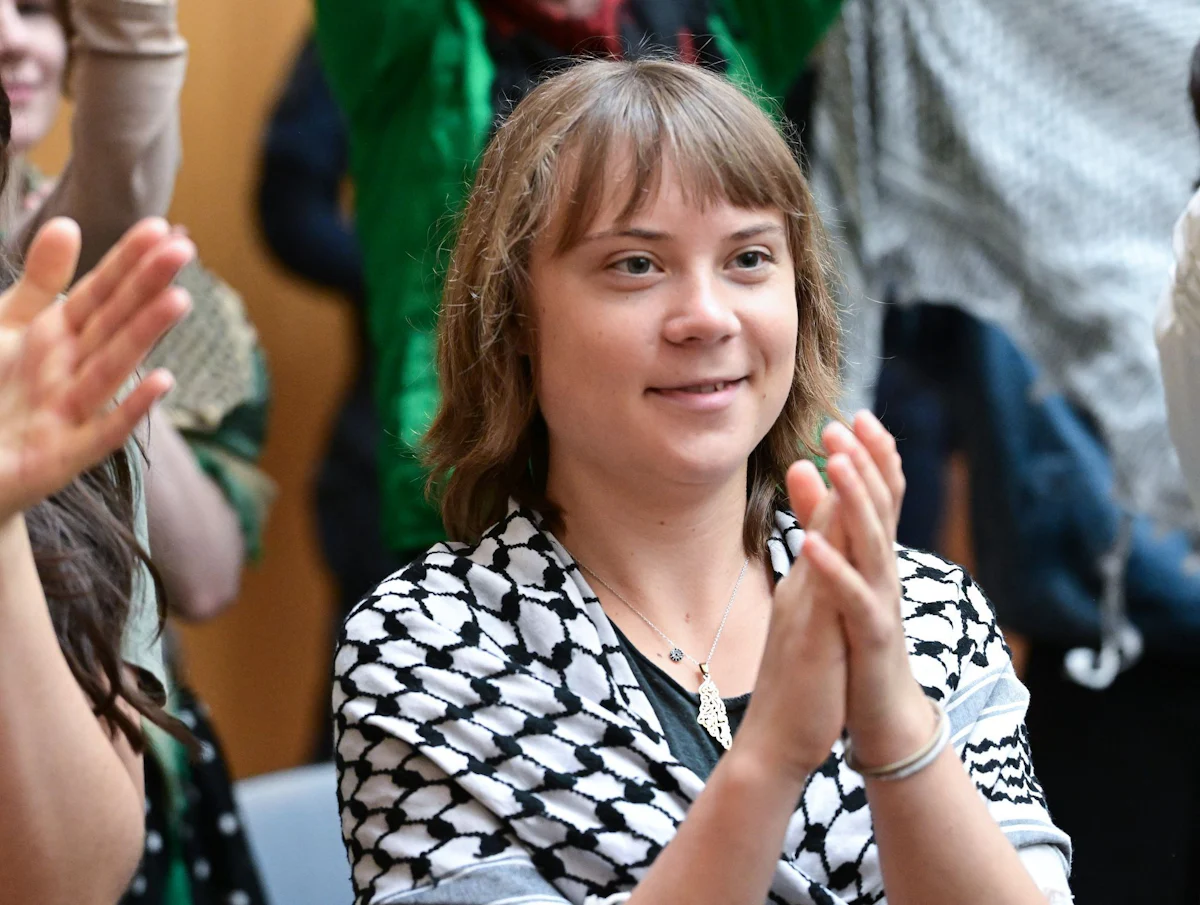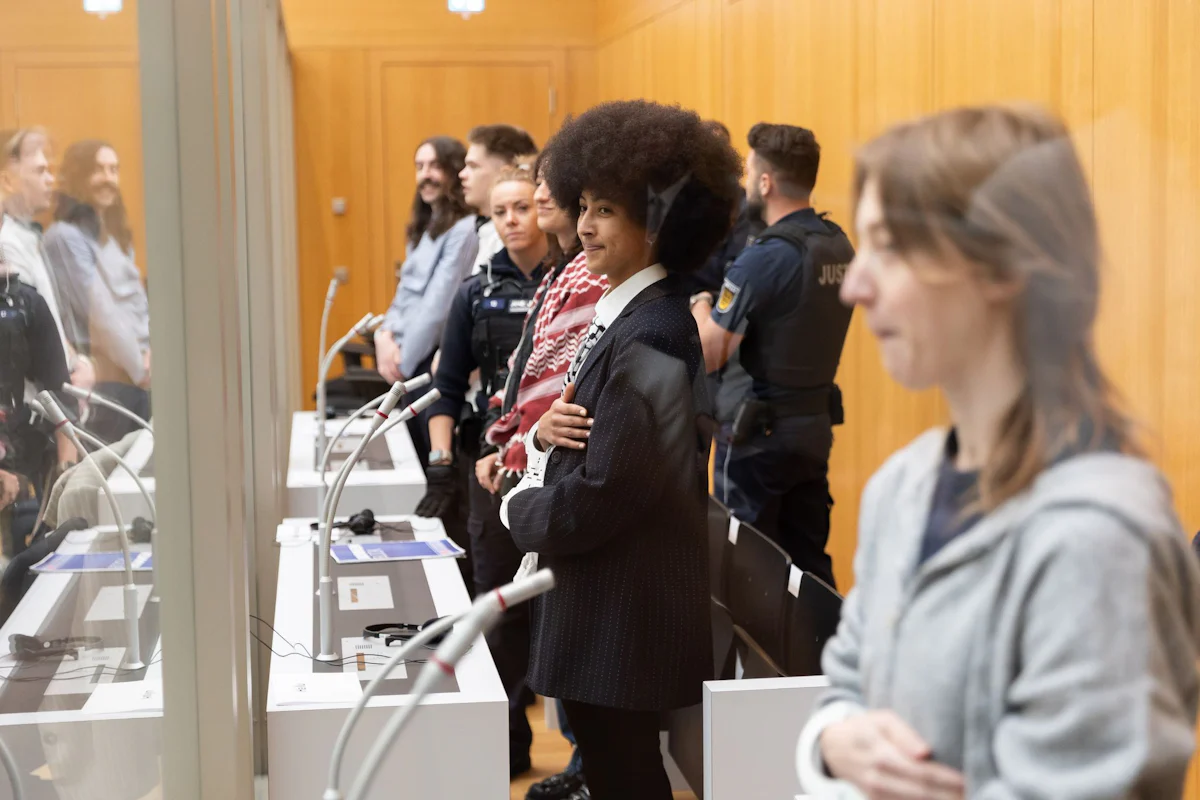
A group of activists was motivated by “urgent humanitarian concerns” over Palestinian repression in Gaza when they broke into an Israeli-owned arms plant in Germany, Dubliner Daniel Tatlow-Devally has said.The 32-year-old was speaking on the fourth day of a trial in Stuttgart in which five people face charges of illegal entry and criminal damage at Elbit Systems Deutschland in Ulm on September 4th last.Reading a written statement in fluent German, Tatlow-Devally spoke of “heartbreaking” Israeli repression of the Palestinian people through annexation of their land, child imprisonment without trial and widespread sexual violence.The Berlin-based accused said there was much to love about Germany, but the country’s “unshakeable” military support for Israel was shocking.Daniel Tatlow-Devally (32), an Irish citizen who is on remand in the southern German town of Ulm. Photograph: Tatlow-Devally family Speaking for the first time since the trial began, Tatlow-Devally said the group’s desire was to “make a fuss” by destroying Elbit technical equipment in Ulm “in the hope to at least interrupt” its deliveries to Israel.The five on trial in Stuttgart, including British, German and Spanish citizens, also face charges of anti-Semitism over the slogan “child murderers” being sprayed on an Elbit facility wall.Tatlow-Devally said they were “not surprised but still outraged” over the anti-Semitism charges. “It is a disgrace to describe resistance against occupation and mass murder as anti-Semitism,” he said. All five have been in pretrial detention with 23-hour lock-up since last September. They are also accused of membership of a criminal organisation and of spraying Hamas-linked symbols.Tatlow-Devally described spending eight months in detention to date as a “disturbing experience”, during which they had seen the sky for “one hour a day”, witnessed a fellow prisoner’s suicide and encountered “friendliness and deep hostility living cheek by jowl”.[ German prosecutors claim Irish man part of ‘sabotage squad’ that broke into Israeli arms subsidiaryOpens in new window ]Nine minutes into Tatlow-Devally’s statement, Judge Kathrin Lauchstädt interrupted after cheers from the public gallery. Following a 30-minute recess, and a warning to a member of the public, she adjourned proceedings for the day.Attending the trial on Friday were the Dubliner’s parents, Conor Tatlow-Devally and Mimi Tatlow-Golden, as well as climate and Palestine activist Greta Thunberg, who called the proceedings a “farce” and “a sham to everything that even resembles justice, integrity, human rights”.“It is shameful, beyond shameful, to see Germany repeatedly stand on the wrong side of history,” she said.Daniel Tatlow-Devally's parents Conor Tatlow-Devally and Mimi Tatlow-Golden with his sister Clara Tatlow-Devally. Photograph: Nick Bradshaw Tatlow-Golden thanked Thunberg for her support and called on the Government to send a representative to monitor the process and witness “innocent people being treated as criminals”.Day four saw renewed protest from the five defence teams about the restrictions at the high-security Stammheim court complex. They say the location – usually used for terrorism trials – is disproportionate to the charges against five defendants with no criminal records.A fair trial is not possible, they argue, with the defendants sitting to their rear behind a security screen, with communication only possible through microphones.Lauchstädt on Friday ruled against defence requests for a stenographer to be brought in or for an audio recording of the proceedings to be made. The judge agreed to allow the defendants to deliver statements in open court, wearing handcuffs while being moved. Benjamin Düsberg, lawyer for Tatlow-Devally, protested against the provision. “I don’t understand what the problem is for them to be led the 10 metres in the chamber, not as an animal but as a person,” he said.Another defence lawyer accused the presiding judge, in refusing to allow defendants to sit with their lawyers, of having “more a Russian understanding of court proceedings”.The five defendants refused, in protest, to enter the court on Wednesday morning and were carried into the chamber by court officials.Federal prosecutor Ronny Stengel said the defendant seating arrangements and handcuffs were regular procedure and that security screens were appropriate given the “emotional” nature of observers in the public gallery.[ Irish flotilla detainees due to fly home on SaturdayOpens in new window ]There were no legal grounds for making a recording of proceedings, he said, adding “this is not a trial with far-reaching historical meaning”.All trial observers are subjected to airport-style security and body searches, while members of the public are forbidden from taking anything into court, including pens and paper.The court argues pens could be used as weapons or projectiles, while the defence insists there is no basis for this assumption, particularly as the public sit behind a second security screen.On Friday, two women visitors complained of underwear searches while another man was told to cover up a T-shirt which he said carried names of 170 journalists killed in Gaza. About 60 people in the public gallery greet the defendants each day with standing ovations, many wearing traditional Palestinian keffiyeh scarves.
Dubliner Daniel Tatlow-Devally says German arms plant break-in motivated by ‘urgent humanitarian concerns’
Berlin-based Dubliner and four others on trial in Stuttgart accused of illegal entry and criminal damage at Elbit Systems Deutschland in Ulm
804 words~4 min read