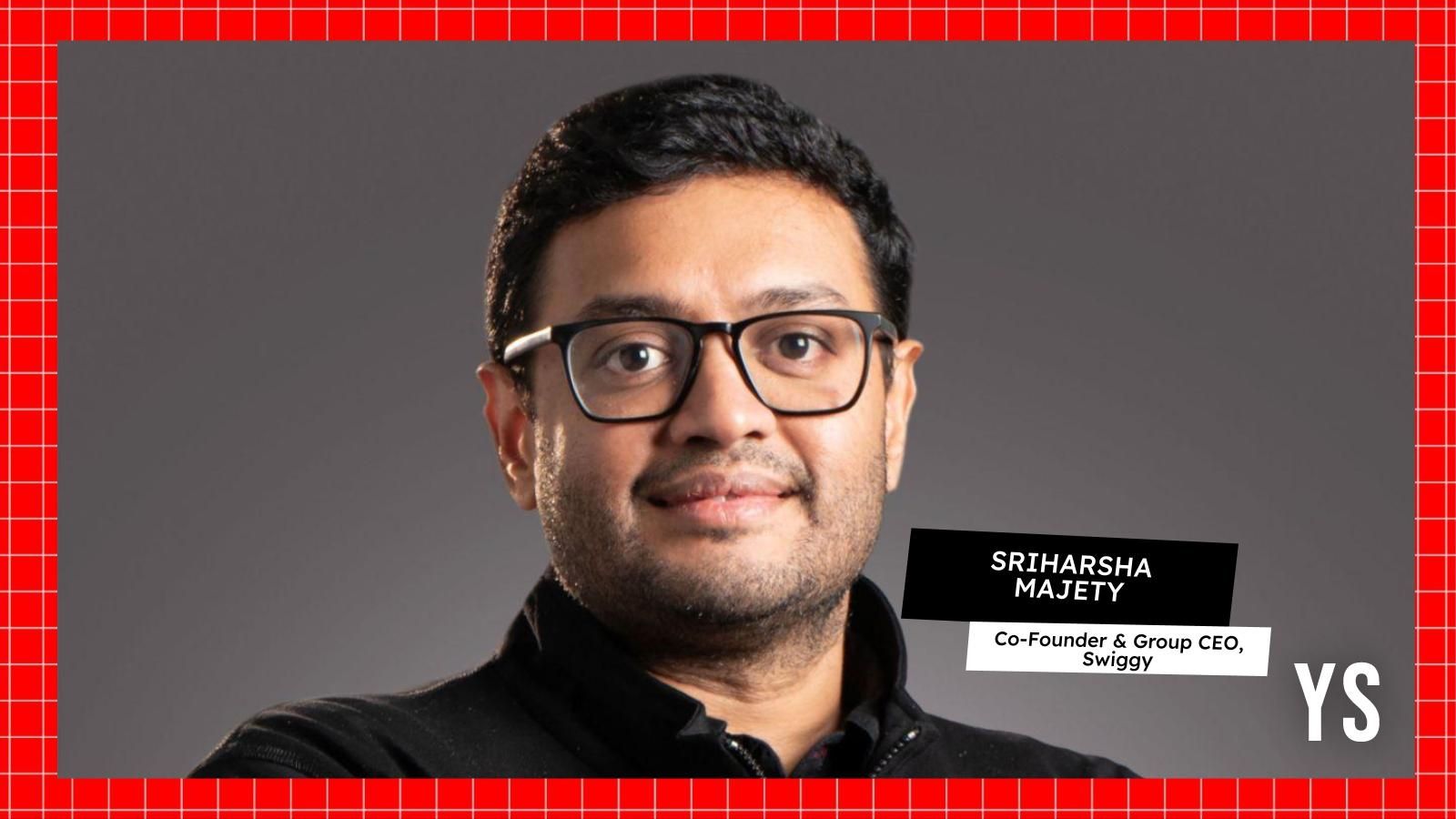
Food and grocery delivery company Swiggy’s failure to secure shareholder approval for changing its articles of association has delayed a governance reset that was meant to move the company closer to becoming an Indian-owned-and-controlled company (IOCC).The shift matters the most for its Instamart unit, because an Indian-owned structure would give the quick commerce platform more flexibility around inventory, sourcing private labels and margins.Rival Eternal’s board cleared its move to become an IOCC in April last year, enabling it to improve margins in the following quarters.ET decodes what led to Swiggy falling behind in the IOCC race:Why does the IOCC status matter?India’s foreign direct investment rules do not allow foreign-held ecommerce platforms to own inventory or control sellers. They have to operate as platforms connecting third-party sellers with consumers.In quick commerce, the business is built around dark stores, product availability, replenishment and tighter control over categories. Owning inventory or buying directly from suppliers can help a company decide what to stock, negotiate better terms, launch private labels and improve gross margins.How to qualify as an IOCC?To qualify as an IOCC, both ownership and operational control of the company must rest with resident Indian citizens or eligible Indian entities.For listed companies, this means foreign shareholding has to be kept below 50%, usually capped at 49.5% as a buffer. It also requires board composition and nomination rights to show that control rests with Indian management or shareholders.That is why Swiggy’s proposed board changes were central to the plan.The company was not just seeking routine appointments. The changes were meant to align its board framework with IOCC requirements and strengthen management representation, including group chief executive Sriharsha Majety’s rights to nominate board members.What was in Swiggy’s resolution?Swiggy’s special resolution to amend its articles received 72.36% votes, just short of the 75% threshold. As a result, the proposed appointments of cofounder Phani Kishan Addepalli and finance chief Rahul Bothra to the board will not take effect on June 1.A separate resolution to appoint former Prosus executive Renan De Castro Alves Pinto as a non-executive, non-independent nominee director was approved with 98.98% votes.Why did the resolution not pass?People in the know said foreign shareholders, including Prosus, SoftBank and Accel, backed the proposal. The pushback, they said, came from domestic institutional investors, including mutual funds.Swiggy’s filing showed public institutional shareholders voted 59.15% against the amendment, though it did not name individual investors.Earlier this year, domestic brokerage firm JM Financial said that the best possible outcome for Swiggy would be an acquisition by a deep-pocketed ecommerce or internet player.“Swiggy’s current capital allocation and strategic choices around Instamart have left limited room for a self-driven turnaround, making M&A the only meaningful ‘optionality’ for value realisation,” it said in a report.What about rival Eternal?The Zomato and Blinkit parent had earlier moved to cap foreign ownership at 49.5% after Indian investors owned 55% of the company. That gave Blinkit room to move from a pure marketplace model to an inventory-led structure. As a result, Eternal’s revenue, especially from Blinkit, surged.In the March quarter of FY26, Eternal reported revenue of Rs 17,292 crore, helped by the shift from recognising commissions to recording full sales value.For Swiggy, its stock has been under pressure with losses and competition weighing on investor sentiment. Since its listing in November 2024, Swiggy’s stock has been down more than 42%. On Friday, the stock ended 0.3% down at Rs 250 on the NSE.The failed vote does not immediately affect Instamart’s operations. But it delays a structure that could have helped Swiggy pursue the same inventory and margin playbook that strengthened Blinkit.
ETtech Explainer: How Swiggy’s failed bid to become an Indian firm matters for Instamart - The Economic Times
Swiggy's bid to become an Indian-owned-and-controlled company (IOCC) has been delayed after shareholders failed to approve changes to its articles of association. This governance reset was crucial for its Instamart unit to gain inventory flexibility and improve margins, a strategy that benefited rival Eternal.
593 words~3 min read