TL;DR: The US government is taking a more hands-on role in shaping the future of quantum computing, committing billions of dollars in funding while also taking ownership stakes across a group of emerging and established players. The Commerce Department said it plans to distribute about $2 billion to nine quantum computing companies, structuring the deals to include minority equity positions. The move reflects how Washington is approaching early-stage technologies that are still years away from full commercialization but carry significant long-term implications.
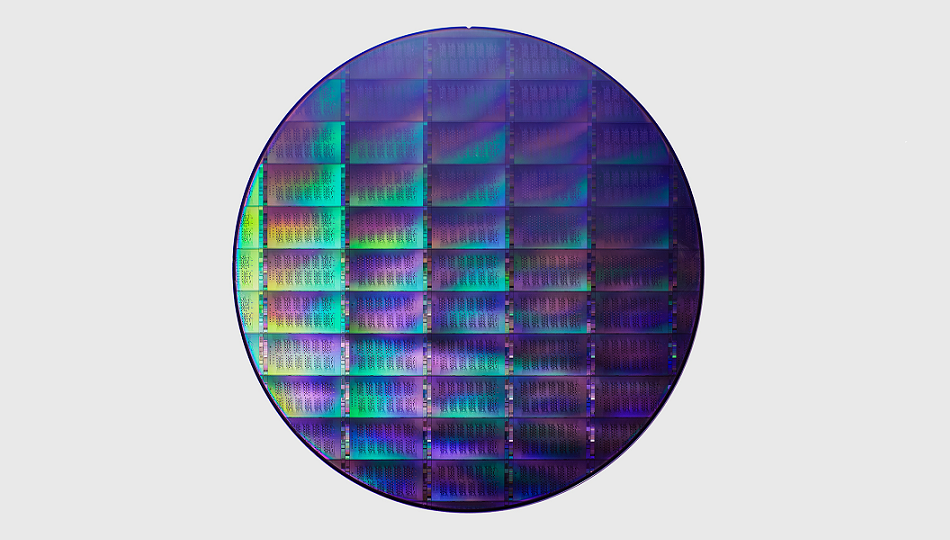
IBM is set to receive the largest share of the funding, with $1 billion allocated to the company. Long seen as a frontrunner in quantum development, IBM has been building out both hardware and software systems designed to handle quantum workloads. As part of the agreement, the company will invest an additional $1 billion of its own capital to establish what it calls the nation's first dedicated quantum chip manufacturing facility. The effort will be housed within a newly formed business unit focused specifically on quantum production.
Quantum systems work differently than traditional computers, relying on the behavior of subatomic particles to process information. That approach opens the door to solving certain classes of problems far more efficiently than classical machines, particularly in areas like molecular modeling, optimization, and cryptography. IBM CEO Arvind Krishna said recent protein simulations run on its quantum systems point to early practical use cases, especially in drug discovery.