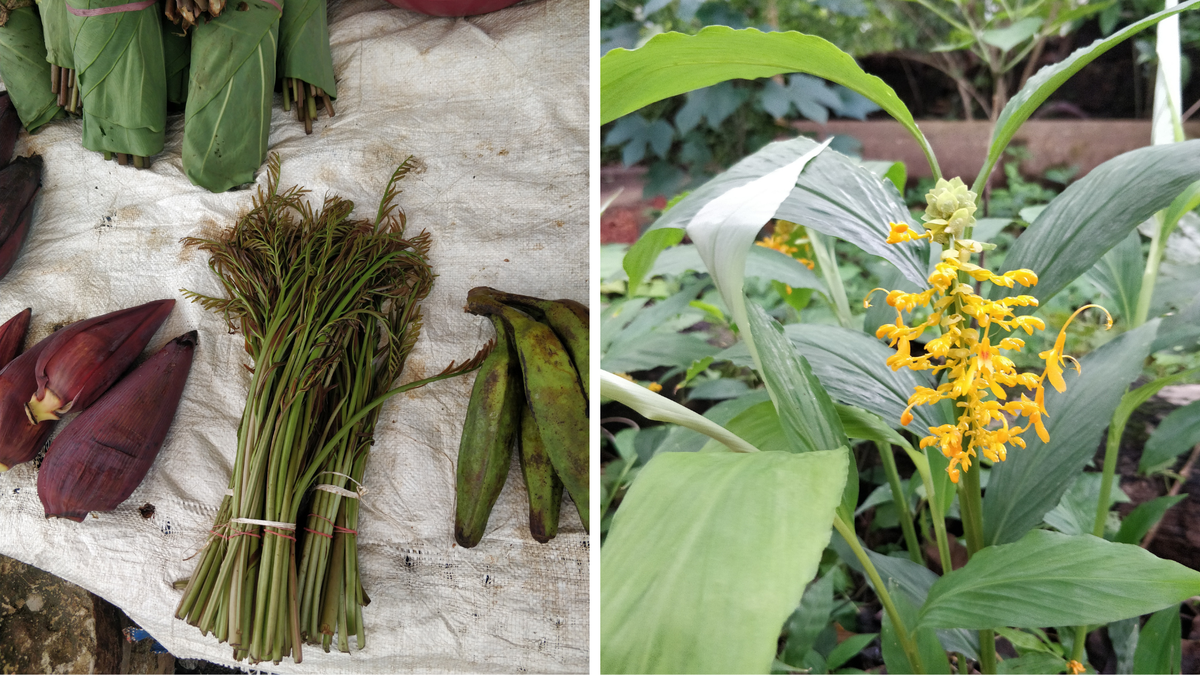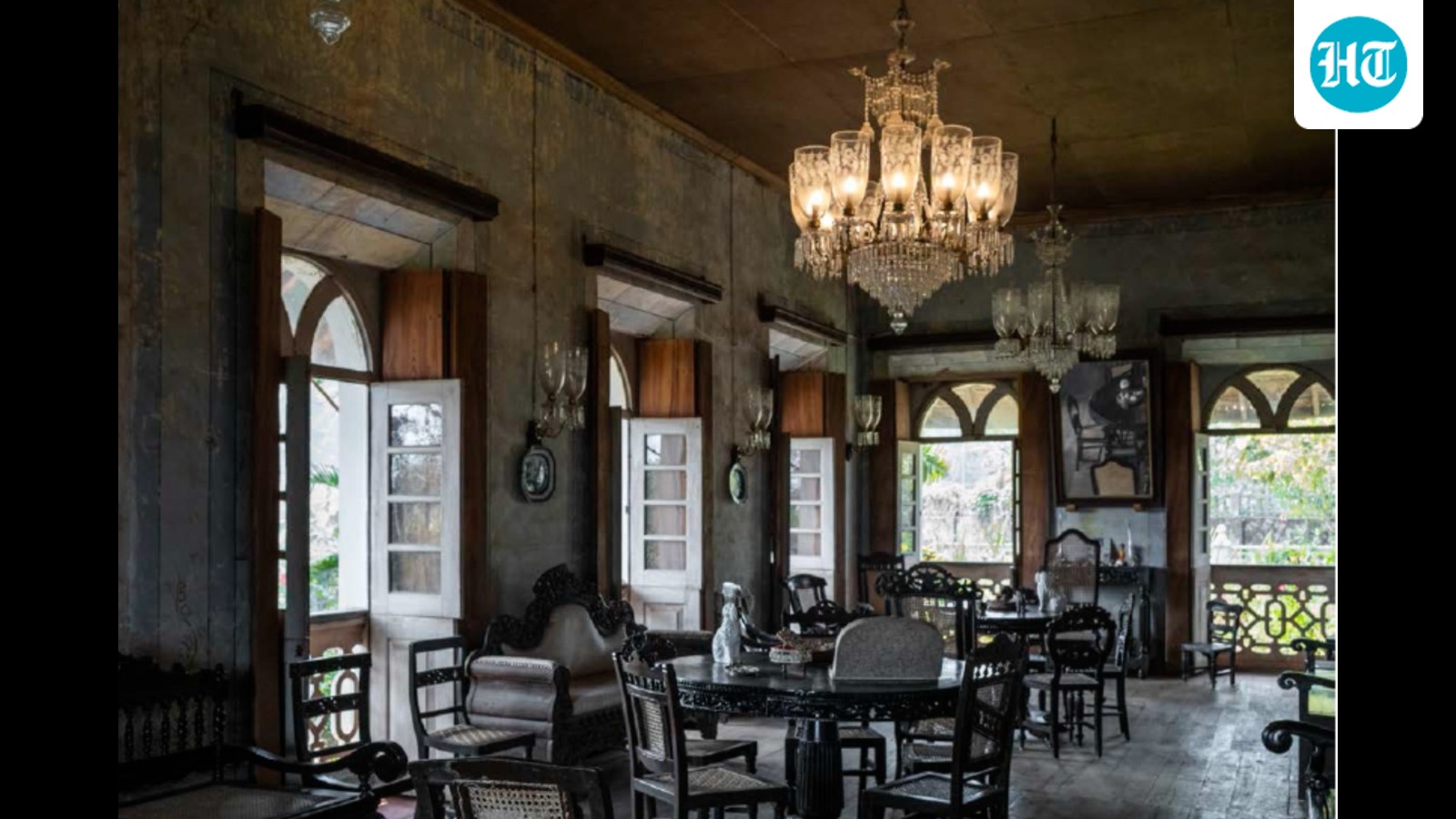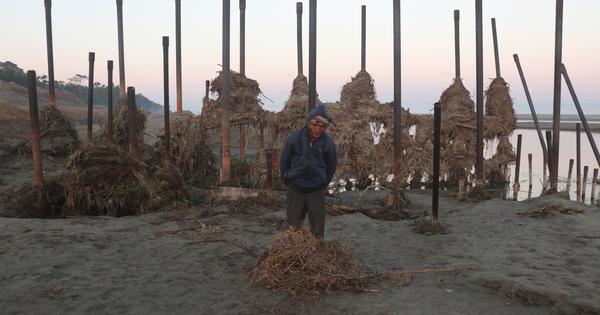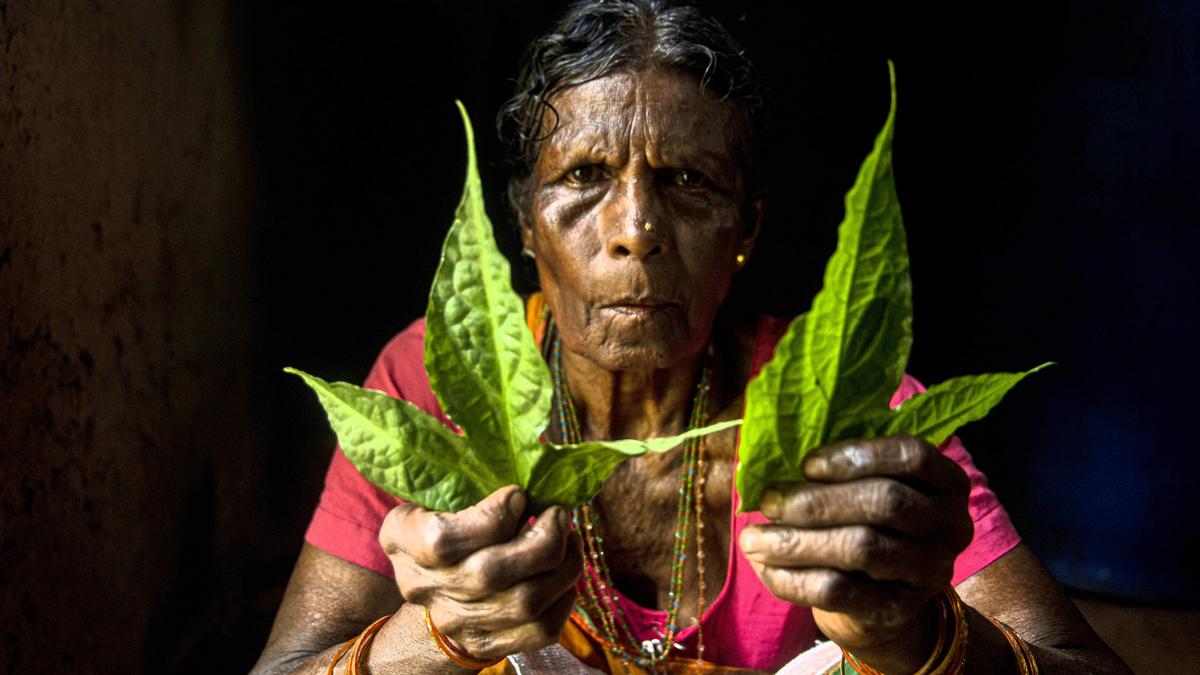
Just over 18 months ago, photographer Assavri Kulkarni’s days began early. By 3 a.m., to be exact. She would dress in sturdy clothes, heft her 10-kg tripod, lights, and DSLR camera, and travel two hours by car to northeast Goa, to the edge of the deep forests of the Western Ghats. There, she would meet a couple of tribal women in their 70s and 80s and trek for hours, braving leeches and wild encounters with bears and snakes — all to search for and document seasonal foods of the forest.“Sometimes I felt like I would not come back,” shares Kulkarni, as she talks about the days of gruelling research she did for her passion project, Forest Recipes of Goa - Stories of Tribal Food. The 119-page photo book has 65-odd ingredients and recipes, and was published earlier this year by the Goa Forest Development Corporation.Forest Recipes of Goa - Stories of Tribal FoodArmpit mushrooms and fermented jackfruitKulkarni says while she spent around a year and a half documenting forest food, her quest had begun over a decade ago when she met Subhadra Gaonkar from the Kshatriya Gaonkar Samaj (a warrior-agricultural community in Goa), who told her about kakhetli almi or armpit mushrooms. Also known as sondaye (Termitomyces cantoniensis), these wild-foraged mushrooms are collected from the forests of Chorla Ghat, wrapped in a leaf, sprinkled with salt and placed under the arm, where it ‘cooks’ using body heat. “I was blown away when I heard that something could be cooked with body heat,” she says. The ancient technique was used by forest dwellers when they had to trek for miles together.
What photographer Assavri Kulkarni leant from some of Goa's last foragers
Discover Goa's vanishing tribal food traditions through Assavri Kulkarni's captivating photo book, "Forest Recipes of Goa."
822 words~4 min read