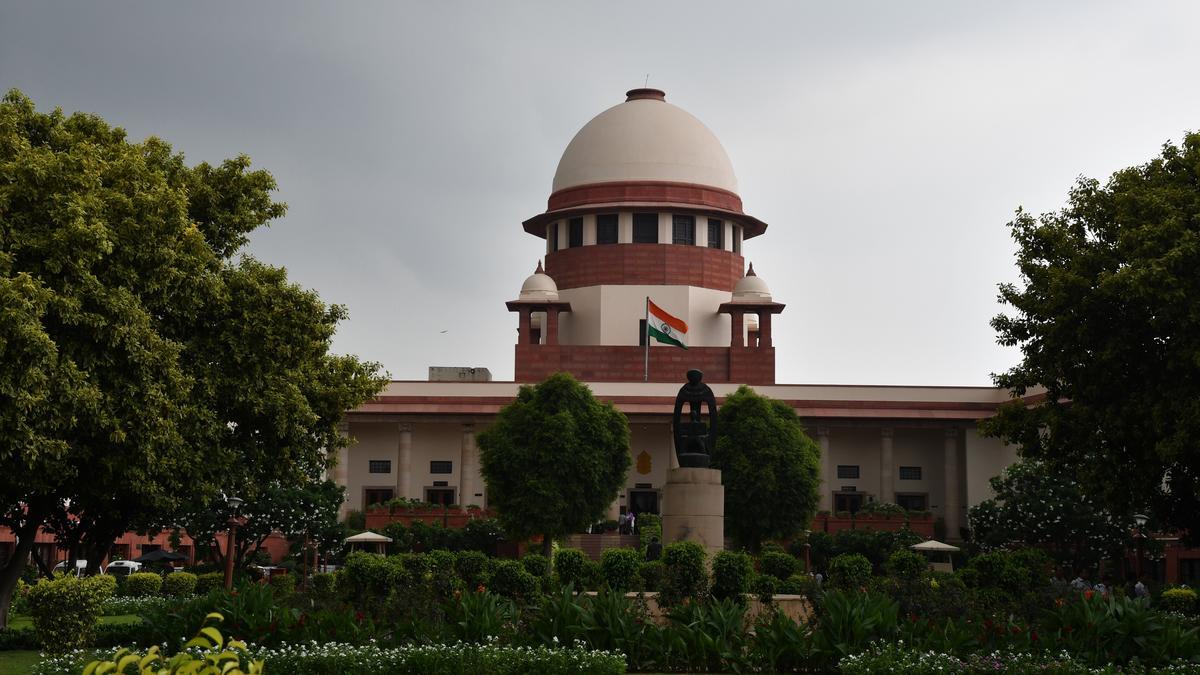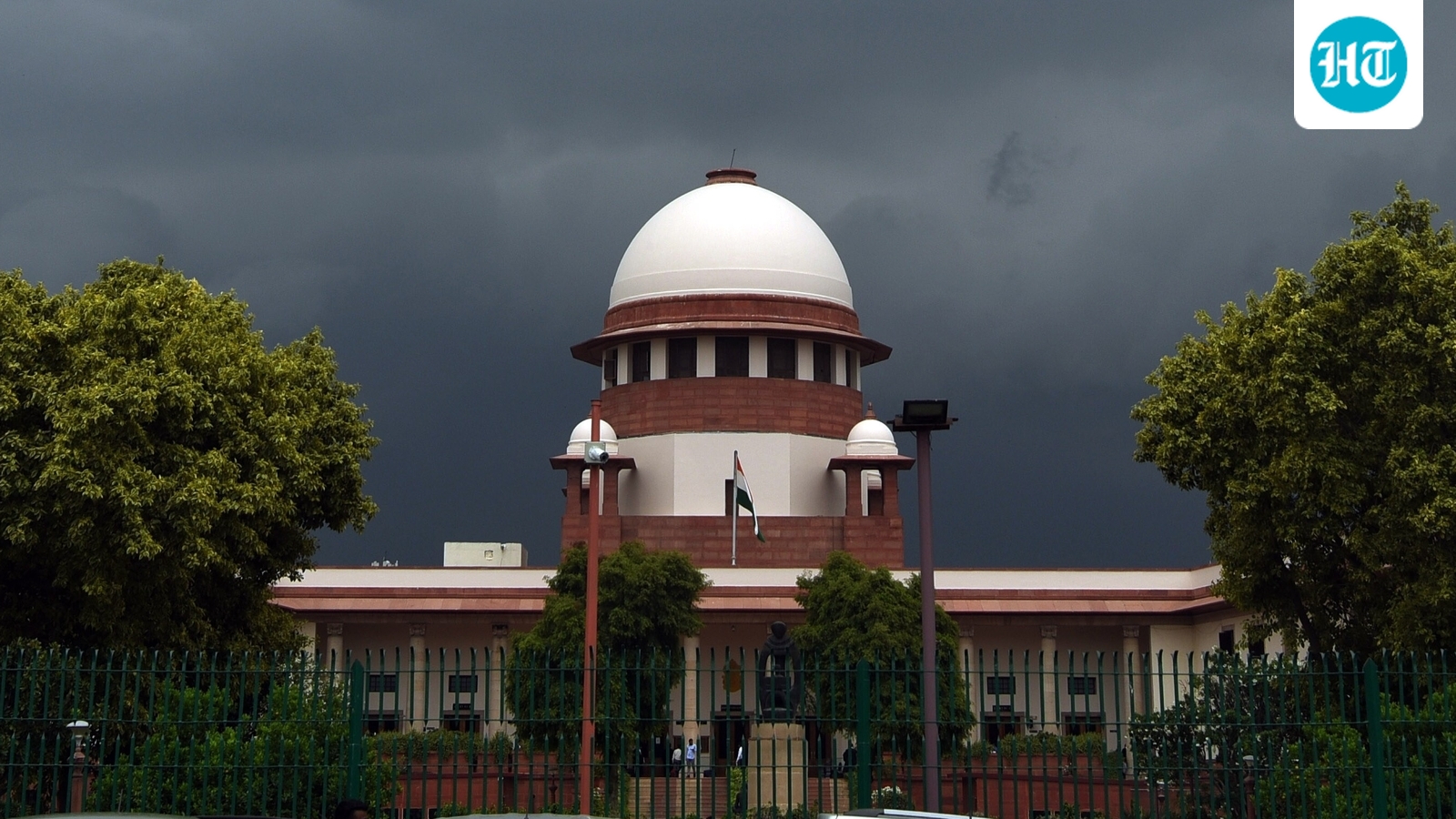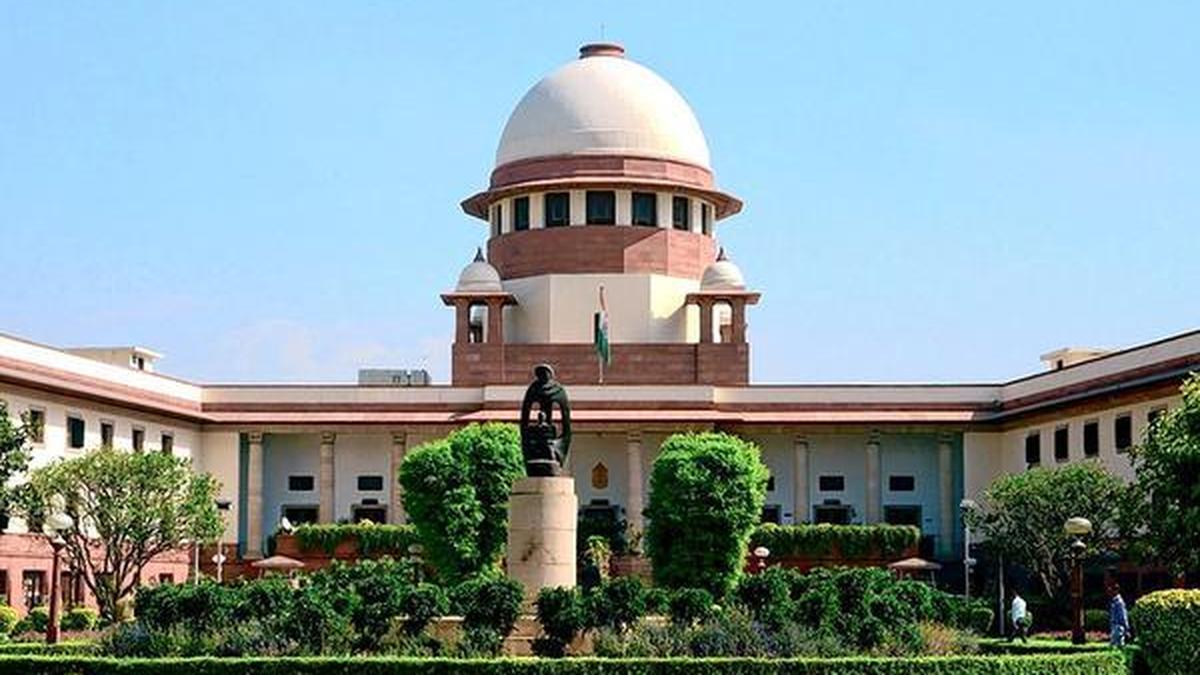
The Supreme Court on Monday made it mandatorily for all police stations across the country to register a kidnapping case for every missing person or child as part of a slew of directions aimed at activating the police machinery in every state to address the serious issue of child trafficking and untraced children.The court held, “The said FIR should mandatorily incorporate the relevant section under the Bharatiya Nyaya Sanhita (BNS) relating to kidnapping of the person or child.” (Shutterstock/ Representative photo)Expressing concern over a staggering 47,000 children who remain untraced for years across the country, the top court said, “The concerned police station is directed to immediately register a first information report (FIR) with regard to any missing person or child without waiting to carry out a preliminary enquiry or leaving it to the guardian of the missing person to look for them.”Further, the court held, “The said FIR should mandatorily incorporate the relevant section under the Bharatiya Nyaya Sanhita (BNS) relating to kidnapping of the person or child.”“It is a massive issue and nobody is realising the seriousness of this matter. People have to be shocked out of their thick-skinness. How can we close our eyes to this reality,” said a bench of Justices Ahsanuddin Amanullah and R. Mahadevan while dealing with a case from Tamil Nadu where a child has been missing since 2011.The slew of directions further required the police to transfer a missing case to the anti-human trafficking unit if there is sufficient reason to believe that the case relates to trafficking.The directions followed suggestions received from a committee constituted by the court to frame a pan-India standard operating procedure (SOP) for tackling cases of missing children. This committee, headed by former Delhi high court judge Justice (retd) Mukta Gupta along with former IPS officer P.M. Nair and director in the Ministry of Home Affairs (MHA) Veerendra Kumar Mishra, submitted a status report incorporating their suggestions based on ground realities.Nair shared instances where he intervened in the case of a child recovered and kept in a child care institution in Kerala who was found to be missing from Bihar three years ago. The former judge heading the committee suggested that if Aadhaar verification of children who are rescued or recovered is made compulsory, it will reveal their identity if their Aadhaar has already been created. Since Aadhaar verification requires submission of biometrics, such details can be matched to expedite the process of reuniting such children with their families.The court directed the MHA to put in place a national data grid connecting all police stations with a specific portal to deal with human trafficking, missing children and women. Further, it directed all directors general of police (DGPs) of states and police chiefs of union territories to ensure all anti-human trafficking units (AHTUs) are made functional and given powers to effectively take action in such cases.The court endorsed Justice Gupta’s suggestion and held, “The moment any person or child is recovered or rescued, he or she would be taken for Aadhaar verification or making of Aadhaar card.” The court directed the concerned authorities in the state or district to ensure immediate steps are taken to restore the child or person to their families without delay and after due verification.Nair told the court that the National Crime Records Bureau (NCRB) maintains statistics of missing children and, till date, the number of children who remain untraced is 47,000. He pointed out that such “missing cases” hardly get the seriousness they deserve and the police do not examine the possibility of probing the human trafficking angle. He referred to an earlier decision of the top court which allows police to convert a missing case into human trafficking if the person remains untraced for four months.The court said, “We are not focussing only on recovery but also restoration. The police cannot say I have done my job and leave it to the child welfare centres to do their job. Such complacency on the part of the authorities cannot be tolerated.”The committee sought more time to submit further suggestions, as the court posted the matter for further hearing in August.Meanwhile, additional solicitor general (ASG) S.D. Sanjay, who is the convenor of the committee and represents the Union government, informed the bench that two other benches of the top court are also dealing with similar public interest litigations aimed at a coordinated effort to tackle child trafficking cases.One such case filed by NGO Guria Swayam Sevi Sansthan is pending before a bench headed by Justice B.V. Nagarathna, while the other case relating to a child trafficked in Uttar Pradesh is being taken up by a bench headed by Justice J.B. Pardiwala, where elaborate orders were issued last year to all states and union territories.Senior advocate Aparna Bhat, who is assisting in the Guria matter, informed the bench that the issue of child trafficking has multiple dimensions and that, in the case argued by her, organised inter-state gangs are involved in such crimes. The court included her in the committee and directed nodal officers of states and UTs, along with all state agencies and district legal services authorities, to cooperate in complying with the court’s directions.
SC orders mandatory kidnapping FIRs in all missing child, person cases nationwide
Supreme Court orders mandatory kidnapping FIRs in all missing child and person cases, flags 47,000 untraced children across India. | India News
861 words~4 min read